Ukrainian classical music remains surprisingly little known to audiences beyond the country’s borders. Composers such as Heorhii Maiboroda, Anatolii Kos-Anatolsky and Zhanna Kolodub rarely appear in international concert programmes, while even some of Ukraine’s better-known composers, including Valentyn Sylvestrov and Yevhen Stankovych, are still far unfamiliar to foreign audiences.
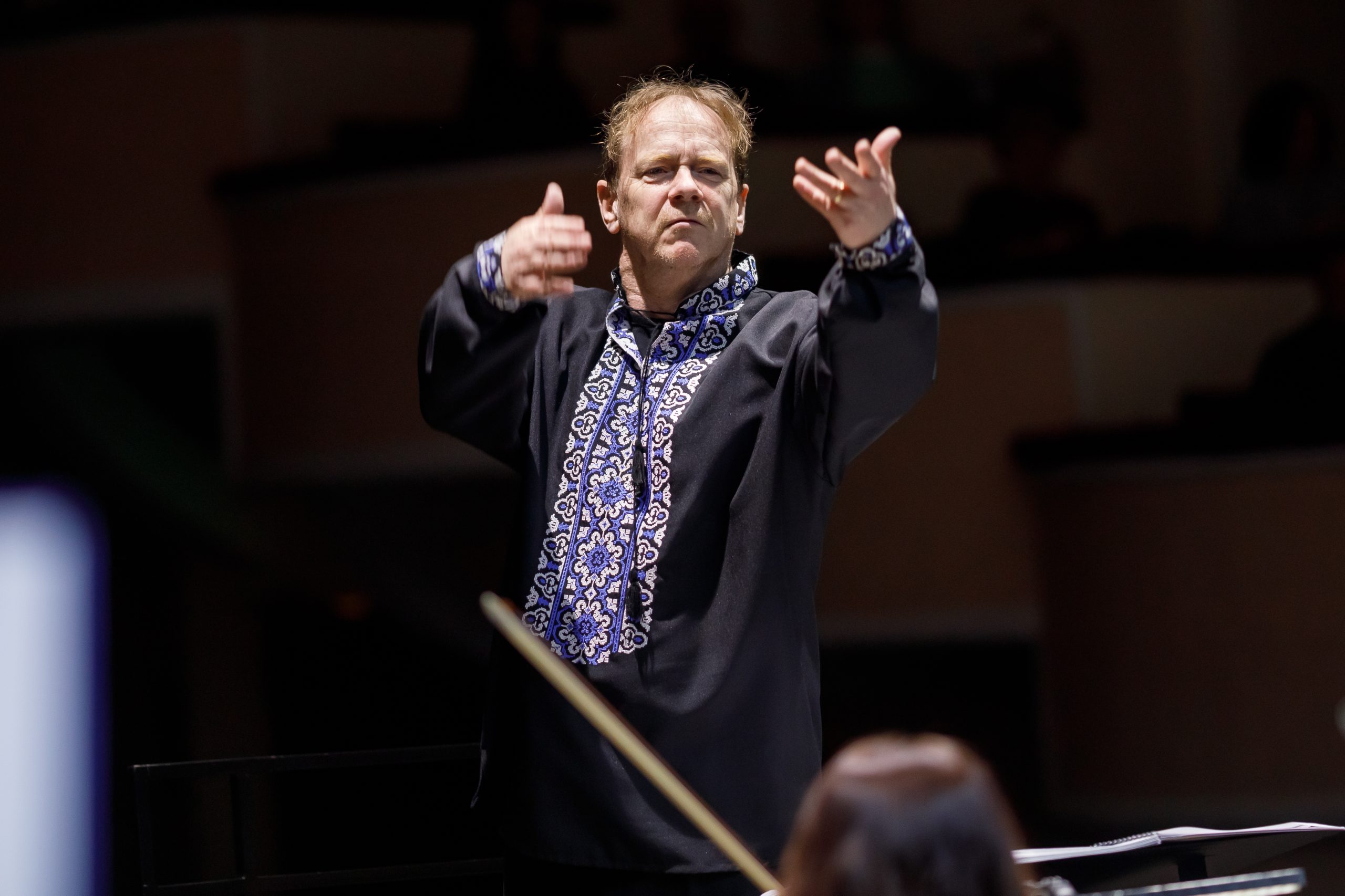
British conductor Stephen Dominic Ellery wants to help change that. After a career that has taken him to concert halls across Europe and far beyond — including the Berlin and Munich Philharmonics, Leipzig Gewandhaus and the Royal Albert Hall in London — he now travels to Ukraine several times a month. In January 2026, he became Chief Conductor of the Academic Symphony Orchestra of the Dnipro Philharmonic, following several years of collaboration with Ukrainian musicians.
For Ellery, working in Dnipro is not simply about conducting an orchestra during wartime. He speaks about the musicians’ commitment and enthusiasm, about discovering the richness of Ukrainian classical music, and about his ambition to bring more Ukrainian works into concert programmes abroad.

Maiak journalist Yulianna Kokoshko spoke with Stephen Ellery about what keeps bringing him back to Dnipro, how musicians continue to perform amid missile and drone attacks, what he discovered in the music of Ukrainian composers, and why he believes international audiences need to hear more of it.
The audience’s genuine emotions made him want to return
Stephen Dominic Ellery has built an extensive international career. In London, he leads the Orchestra of the World and works as a musical director and producer with Polish Opera. One of his largest recent projects has been a 2025–2026 tour across Germany, Austria and Switzerland, comprising more than 80 concerts. His professional career extends far beyond Europe. The conductor has performed on numerous occasions with symphony orchestras in Japan, Peru, Mexico, the United States, India, China, Vietnam and Australia.
Ellery first visited Ukraine in the early 2000s. Nearly twenty years passed before he returned. In 2023, conductor Viktor Ploskina invited him to come to Dnipro and support Ukrainian musicians through his work. To the British conductor, the proposal initially seemed almost unreal. He was living in London, doing much of his work online, and did not expect that he would soon find himself in a city regularly targeted by Russian missile and drone attacks. But he agreed.
“On my very first night in Dnipro, there was an attack,” Ellery recalls. “I went down to the hotel car park. Time passed, but the air-raid alert did not end. I asked the hotel staff whether I really had to stay there. They said no, it was my own choice, so I decided to take a risk. I went back up to my room because I really wanted to sleep.”
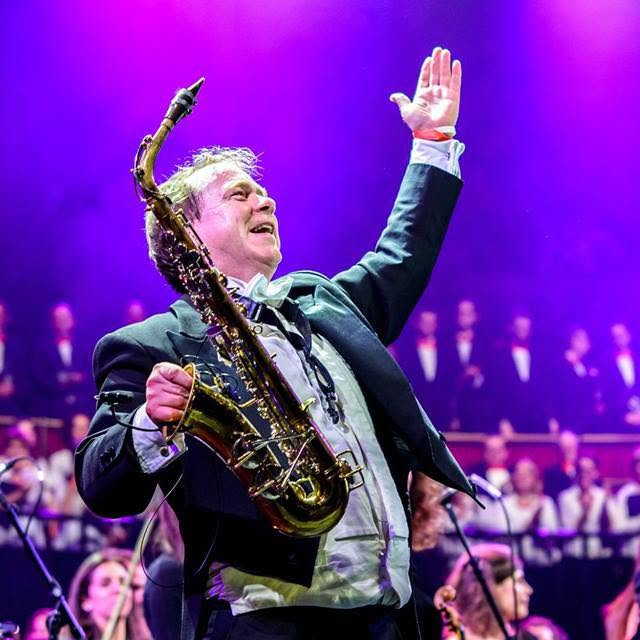
That first concert in Dnipro became an important experience for him. It took place at the Summer Theatre in Taras Shevchenko Park. As well as conducting, Ellery played the saxophone himself.
“People listened to the music very attentively and reacted emotionally; some of them cried. Their genuine response and enthusiasm were what stayed with me most from that trip,” the maestro says. “I realised that I wanted to come back.”
After his first visit, there was a break in the collaboration of about a year. Ellery later began travelling to Dnipro again — initially from time to time, and then increasingly often. Eventually, his work with the orchestra became regular. At the same time, the conductor’s international diary is booked years in advance. His forthcoming performances include concerts in the United States, Germany, the United Kingdom and other countries. This is standard practice in the international music industry: major tours and concerts are arranged well ahead of time, sometimes two or three years in advance.
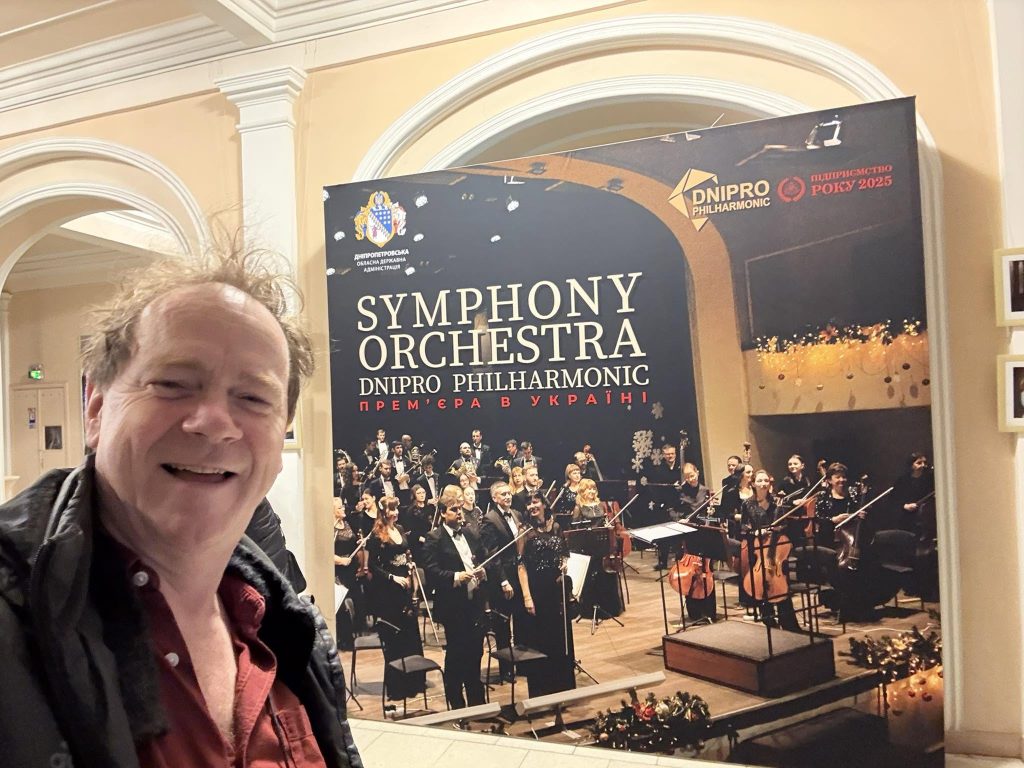
In Ukraine, the situation is entirely different. It is impossible to know for certain whether a concert will take place several months, or even several weeks, ahead, as cultural institutions must contend with air-raid alerts, attacks, power cuts and other realities of wartime.
The concert in the rain went ahead after all
I attended one such concert at the end of August. The symphony orchestra, conducted by Stephen Dominic Ellery, was performing on the rooftop of the Menorah Cultural and Business Centre. Fortunately, Dnipro was not attacked that evening. Instead, the musicians and audience had to contend with another unexpected challenge: rain.
The open-air concert was interrupted just fifteen minutes after it began, as the drizzle threatened to damage the expensive instruments. Maestro Ellery seemed perhaps more concerned about the situation than anyone else there. Fortunately, the weather soon improved. The rain stopped and the concert continued.
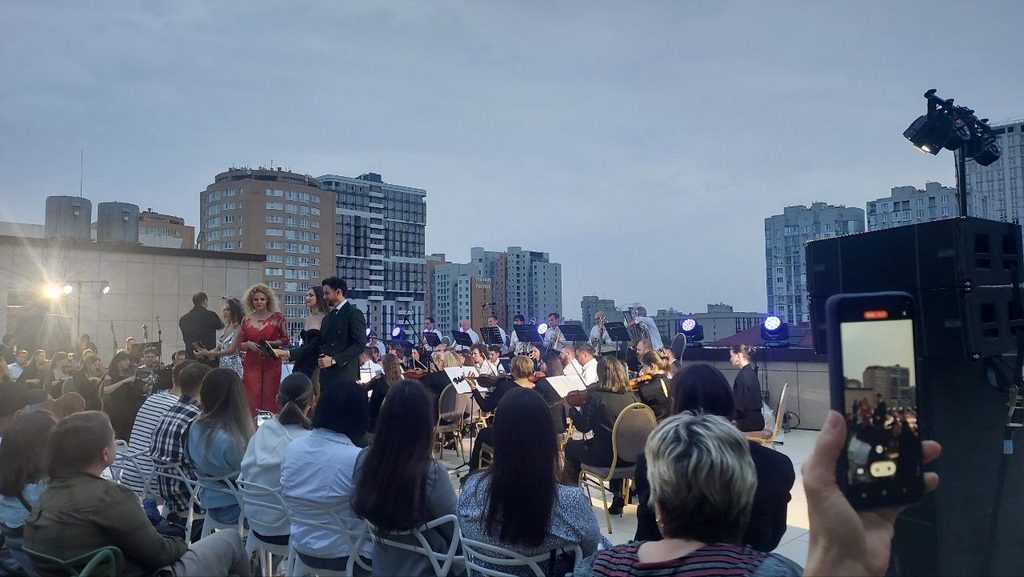
Hits by ABBA and Queen, along with romantic Italian melodies, filled the rooftop. The cool, damp air, the lights of the city at night and, above all, the burst of emotion created an atmosphere that more than compensated for the absence of actual fireworks. As always, Ellery was more than simply a conductor. He became a living bridge between the musicians, vocalists and audience. His emotional openness and showmanship helped everyone forget not only the difficulties caused by the weather but, for at least an hour and a half, the horrors of war. When Stephen picked up an electric guitar in the middle of the evening, the audience was delighted. The opening of the new concert season lay ahead, this time in the Philharmonic’s main hall. The British conductor promised to return to Dnipro just two weeks later for the occasion.
“I have Schumann today”: concerts despite the attacks
Working in dangerous conditions is not an entirely unfamiliar experience for Ellery. When he was 20, he spent three months volunteering in Nicaragua during the civil war, with shelling taking place nearby. According to the conductor, the experience shaped his perception of risk and his attitude towards life in general. A smile rarely seems to leave his face — even when he is talking about frightening events.
“I’ve already heard a Russian Oreshnik missile strike in Dnipro while I was asleep, and I’ve lived through massive air attacks in Kyiv and Odesa,” Stephen says calmly. “But I still come here and work.”
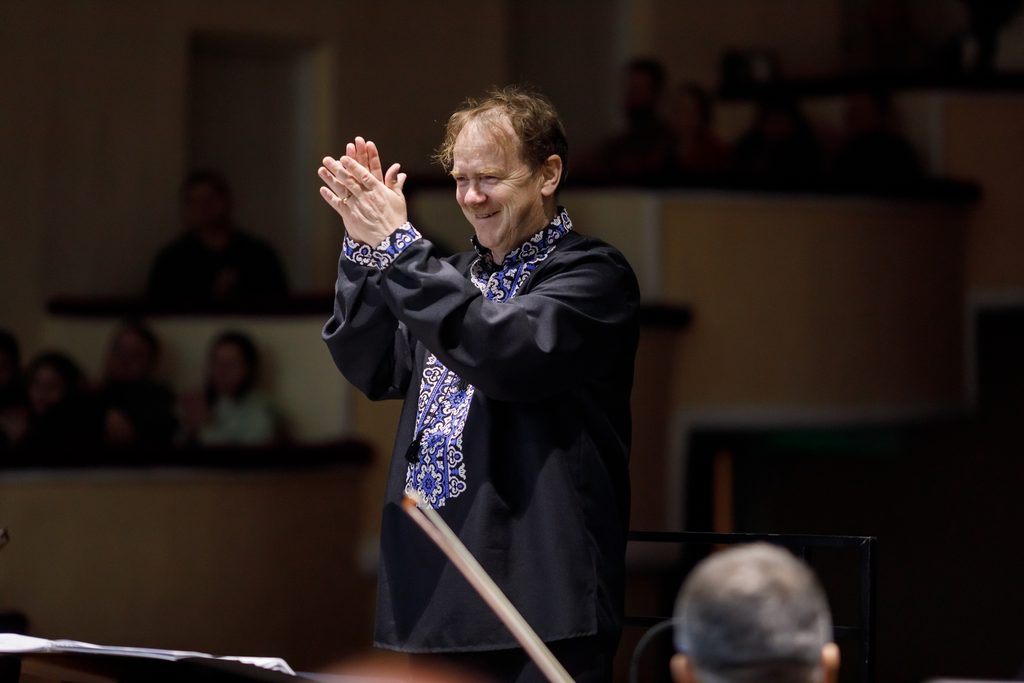
On 24 May 2026, Ellery was due to perform at the National Philharmonic of Ukraine. The orchestra was joined by soloist and Hong Kong pianist Kai Yuen Li. The musicians arrived in Kyiv the day before the performance, and that night the capital came under heavy attack. At Hotel Ukraine, where they were staying, windows were blown out and doors were damaged. Yet in the morning, the conductor said: “Life goes on. I have Schumann today.” Performing on Ukraine’s central concert stage, at the National Philharmonic, was important to Ellery.
“We cannot allow the war to bring musical life to a complete halt,” Stephen says. “I understand the risks, but I also understand how important it is to keep working. Music must continue to be heard even when there are explosions all around. How do I calm myself down in situations like that? I don’t smoke, I don’t drink alcohol. I just have tea with lemon.”
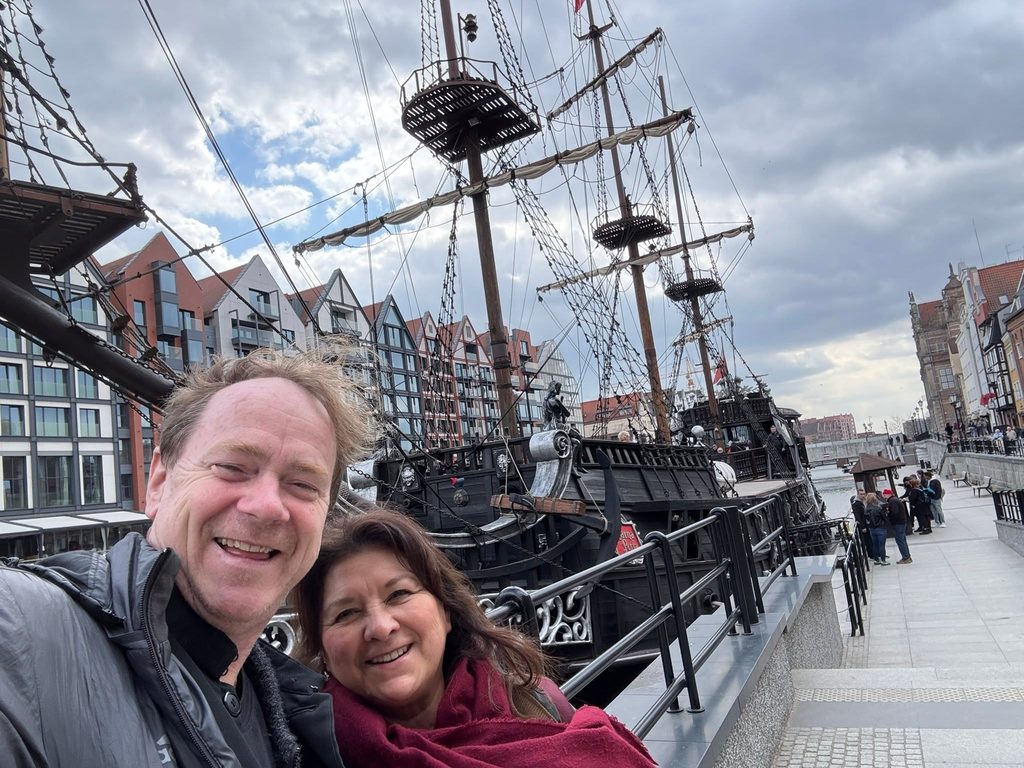
Stephen’s wife, Teresa, has already travelled to Ukraine with him twice. According to the musician, she felt considerably calmer than one might expect.
“She’s from Latin America. They have plenty of volcanoes there, so what does she have to be afraid of?” Ellery laughs.
He takes a philosophical view of the potential danger himself. He says that, mathematically speaking, the likelihood of being injured by an enemy missile or drone in a large city is not particularly high. At the same time, he points out that people in London also face dangerous situations — they can be involved in road accidents or become victims of street crime.
The conductor also talks about foreign musicians who have travelled to Ukraine with him. Some were very frightened at first, but gradually adapted. In his experience, direct contact with people and exposure to Ukrainian cultural life often change foreigners’ perceptions of the country — and can even inspire new creative projects and collaborations.
What impressed the British maestro about the Dnipro orchestra?
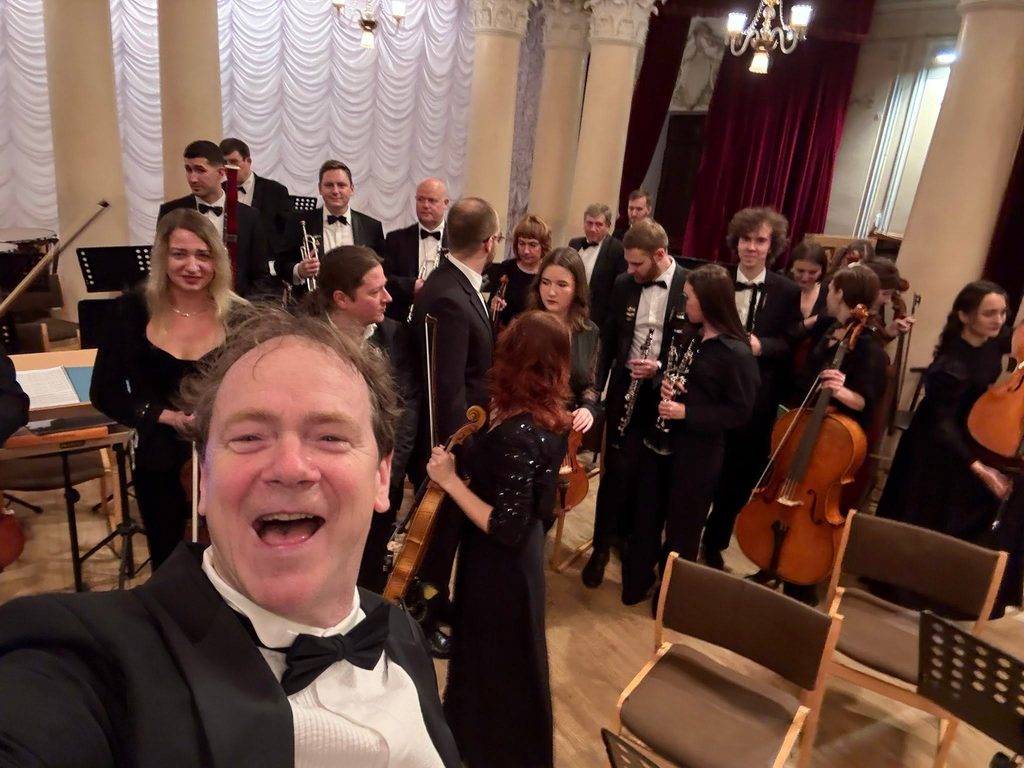
Ellery says the orchestra itself is one of the main reasons his collaboration with Dnipro has continued.
For the conductor, it is not only about how technically well an ensemble performs a score. The musicians’ internal motivation is equally important: whether they see a concert as simply another job or genuinely want to play together. It is precisely this sense of engagement that he sees in the Dnipro musicians.
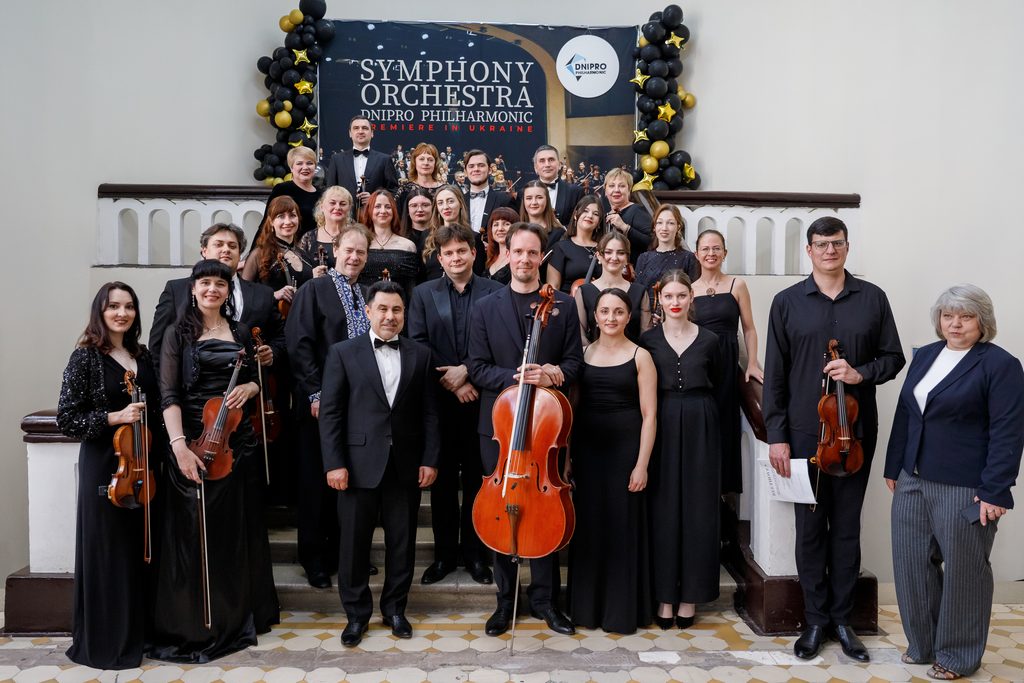
“The Academic Symphony Orchestra of the Dnipro Philharmonic has a special attitude towards performing any piece of music,” Mr Ellery says. “Its members don’t treat it simply as routine or just another job. They genuinely love music, and you can feel that when they play. They have a constant interest in what they are doing and a strong desire to play together. I have worked with many orchestras in different countries, so I have plenty to compare them with. What I like here is precisely that sense of working together: I want to play, they want to play, and everyone wants to create something good together. That is very important for a good orchestra.”
For the Ukrainian ensemble, such an assessment is particularly significant, as maintaining a stable line-up remains one of its greatest challenges today. The orchestra faces staff shortages, which create difficulties when putting together its repertoire. At the same time, the Dnipro Philharmonic is determined not to reduce its concert programme. It continues to present symphonic and chamber music, programmes for children and families, shows and jazz-band concerts.
Ellery considers the diversity of the repertoire one of the Philharmonic’s strengths. In his view, every programme has its own audience. String quartet performances, for example, attract listeners he has never previously seen at symphony concerts. According to Liudmyla Shcherbyna, Artistic Director of the orchestra, inviting Stephen Ellery to become Chief Conductor was made possible by changes in the Philharmonic’s management approach. Five years ago, when Oleksandr Khasapov became head of the institution, he set out to make its management processes more democratic.
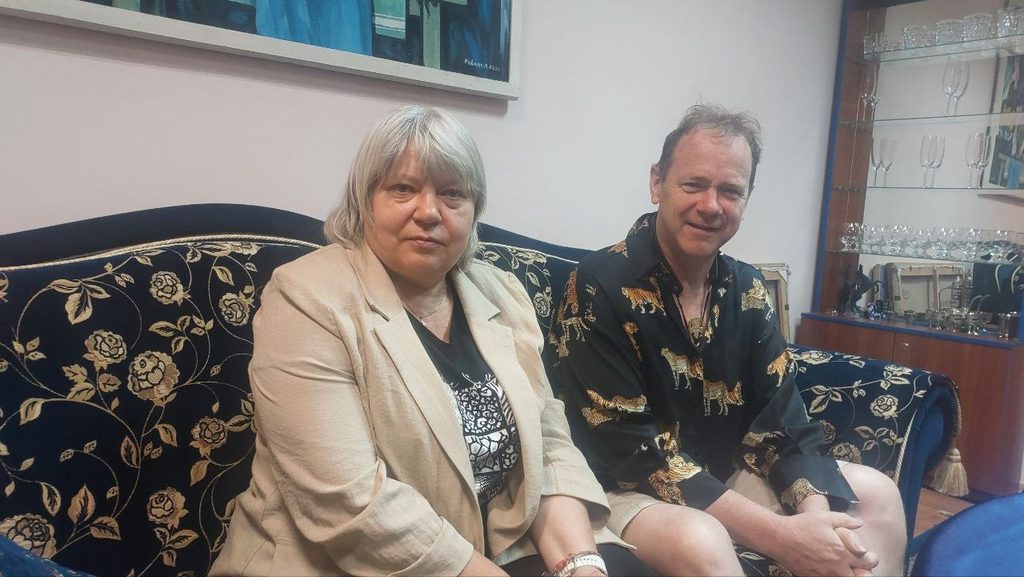
“In a creative ensemble, you need to create an atmosphere in which musicians can bring out their best qualities,” Liudmyla Shcherbyna explains. “So when Maestro Ellery’s candidacy received the support of the artistic council, that became the basis for the management decisions that followed.”
Chief Conductor: a new stage in the collaboration
In January 2026, Stephen Ellery won the competition for the position of Chief Conductor of the Academic Symphony Orchestra of the Dnipro Philharmonic. Before this, he had already worked with the ensemble for a considerable period as a guest conductor.
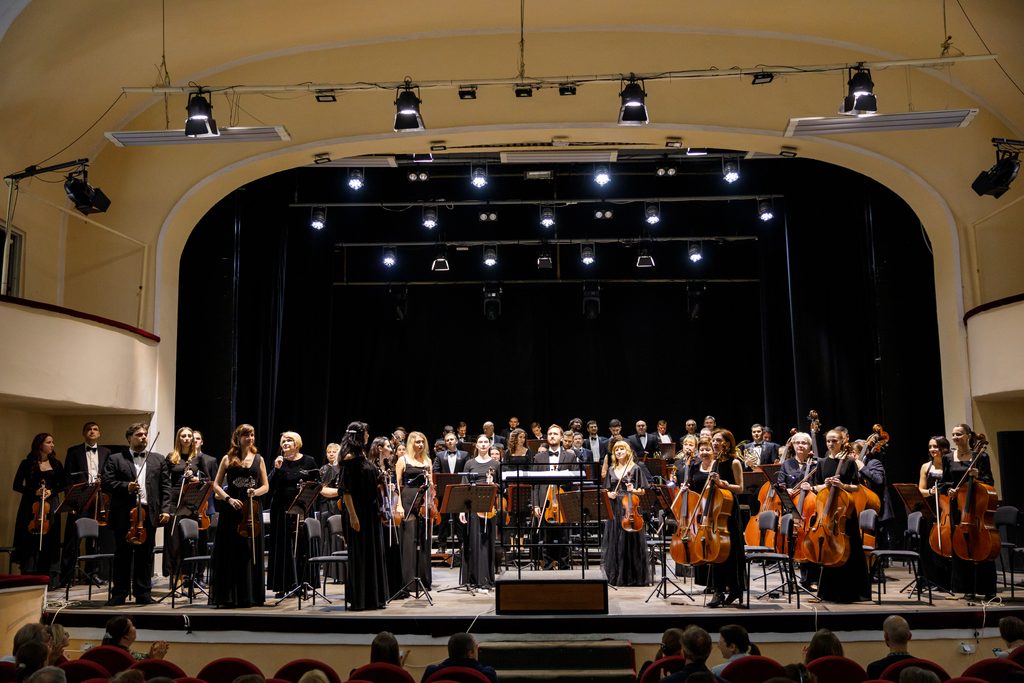
The new position means closer contact with the orchestra, but it does not require the maestro to live permanently in Dnipro. His international career continues, and contracts with other orchestras and concert organisations are signed long before the performances themselves. From time to time, he also works with a chamber orchestra in Rivne. His collaboration with Dnipro therefore needs to be flexible while also being planned well in advance.
The war affects not only whether an individual concert can take place but the entire planning system. A prolonged air-raid alert can derail a performance by a visiting soloist whose appearance cannot simply be moved to the following week. Large-scale symphonic programmes are particularly difficult, as the conductor, soloist, orchestra, venue and audience all have to be coordinated at the same time.
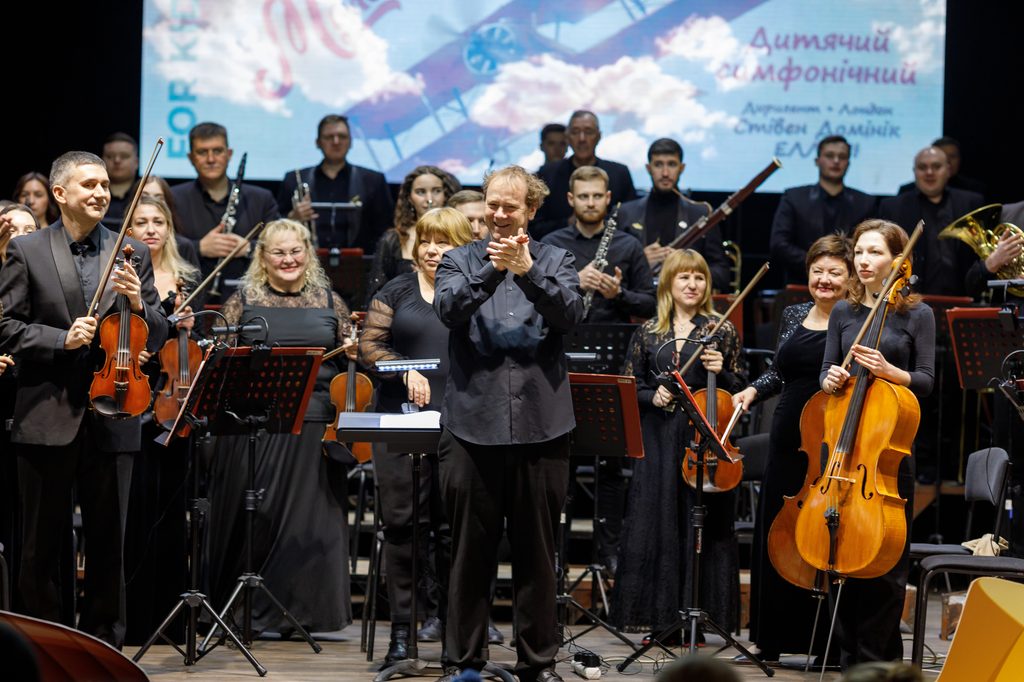
The cancellation of a single concert can trigger a chain of changes throughout an entire season. Despite this, the Dnipro Philharmonic continues to plan its programme for the full concert season. In wartime, that consistency itself becomes a way of sustaining the institution’s work and its connection with its audience.
Dnipro Philharmonic Director Oleksandr Khasapov describes Ellery as someone with exceptional professional and personal qualities. According to Khasapov, Ellery is an encyclopaedic musician with extraordinarily broad and deep knowledge of musical material, ranging from jazz to classical music.
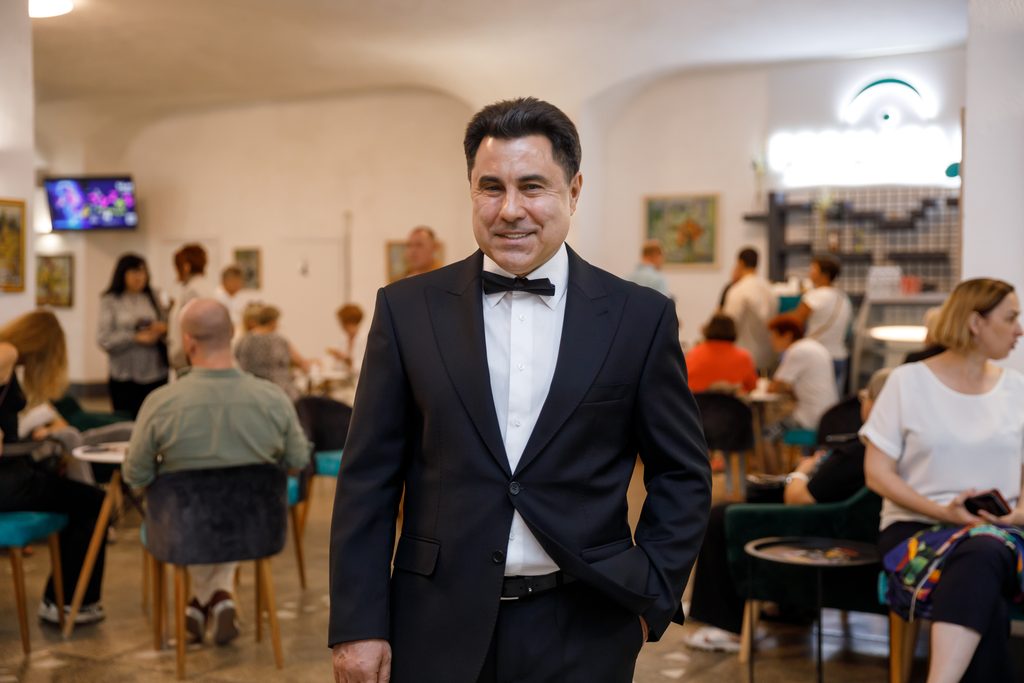
“Stephen Dominic Ellery is not only a brilliant professional, but also an extraordinarily warm and sincere person,” the Philharmonic director emphasises. “He has managed to create a special atmosphere within the ensemble — warm, friendly and, I would even say, joyful. With genuine enthusiasm and sincere curiosity, he is discovering Ukrainian music for himself and immersing himself deeply in its richness and distinctive character. His contract is for five years. I am confident that during this time, under his direction, our orchestra will represent and promote Ukrainian music abroad with distinction, while his exceptional professionalism will continue to delight audiences in Dnipro and across Ukraine.”
Ellery’s international experience allows him to view the Ukrainian orchestra within a broader professional context. One promising direction for the collaboration is therefore the possibility of international tours. The conductor plans to help establish contacts with international concert agencies and impresarios, potentially opening up new opportunities for the orchestra to perform abroad. For the Philharmonic, international touring is not simply a matter of prestige. If a large part of the orchestra travels abroad for a week or two, a significant share of concert activity in Dnipro effectively comes to a halt. The administration therefore has to balance representing the ensemble internationally with the need to sustain the city’s cultural life.
The world needs to hear Ukrainian music
Another important aspect of Ellery’s work is promoting Ukrainian music. The conductor himself admits that he does not yet know enough about it, but that is precisely why he wants to discover new names and works.
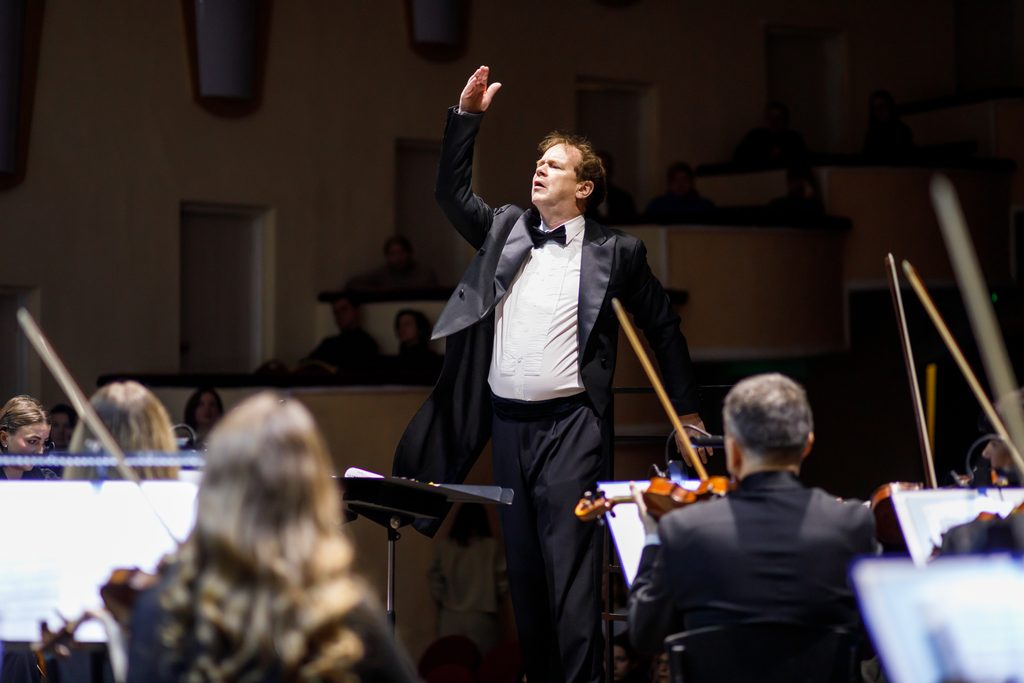
“I would like to perform more Ukrainian music and introduce it to international audiences, because it is still not well enough known abroad,” the maestro says. “People there are accustomed to hearing Tchaikovsky and other Russian composers because Russia spent many years investing considerable resources in promoting its culture. So very often, when I suggest including works by Ukrainian composers in the repertoire of a foreign orchestra, I am told no because, supposedly, nobody knows them.”
According to the conductor, Ukrainian music possesses an enormous richness that needs to be introduced to the world.
“I’m interested not only in contemporary Ukrainian composers such as Valentyn Sylvestrov and Yevhen Stankovych, who are already known in the West, but also composers such as Heorhii Maiboroda, Anatolii Kos-Anatolsky and Zhanna Kolodub and many others,” the maestro says. “When I first opened the score of Heorhii Maiboroda’s Hutsul Rhapsody, I immediately realised that this was magnificent music. I would like to perform more Ukrainian works so that international audiences can hear them and judge them for themselves.”
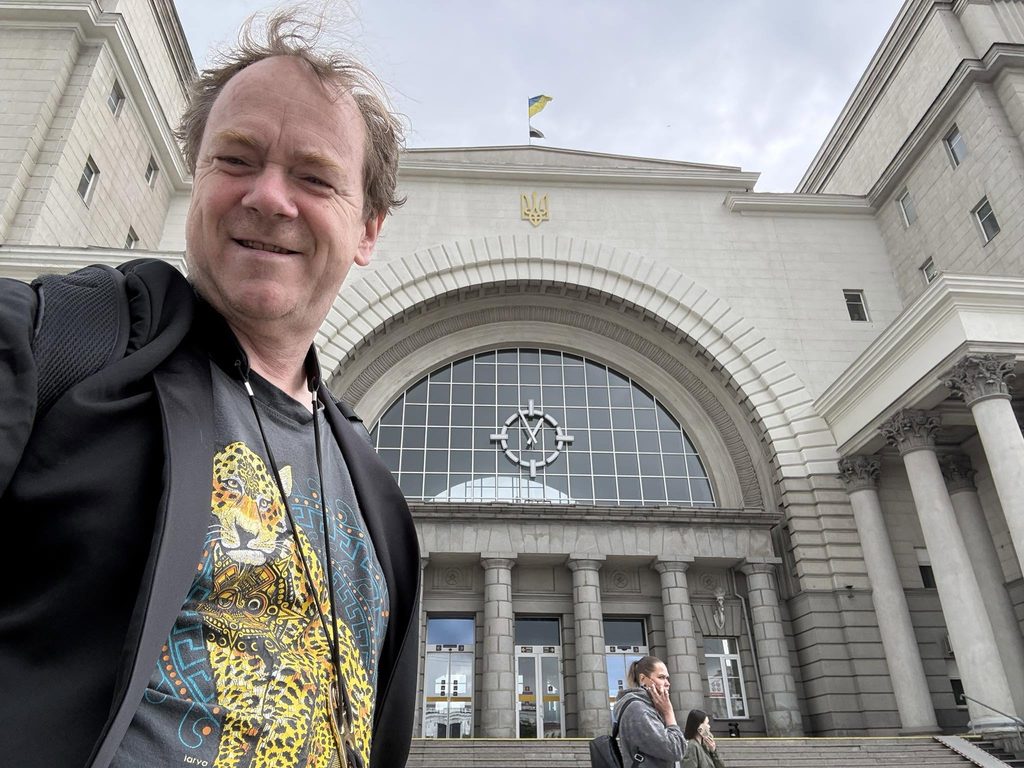
This is why Ellery wants to include Ukrainian works in his international programmes. He is already performing Ukrainian music in the United Kingdom. He first discovered Kyiv Waltz, by Ukrainian composer Ihor Shamo, at Kyiv railway station, where he heard someone playing it on the saxophone. Inspired by what he heard, Ellery later created his own arrangement of the piece and performed it in London. He says the piece about Kyiv was a great success with the British audience. For Ellery, this is more than a question of repertoire. He sees performing Ukrainian music as a way of telling the world about Ukrainian culture through what he knows best — music.
Stephen understands Ukrainian well
Another distinctive aspect of his collaboration with the Dnipro musicians is that Stephen Ellery is gradually learning Ukrainian. For him, it is another way of better understanding a country with which he is now connected by far more than his professional work.
Meanwhile, Ukrainian musicians and the Philharmonic’s administration continue to work amid constant uncertainty.
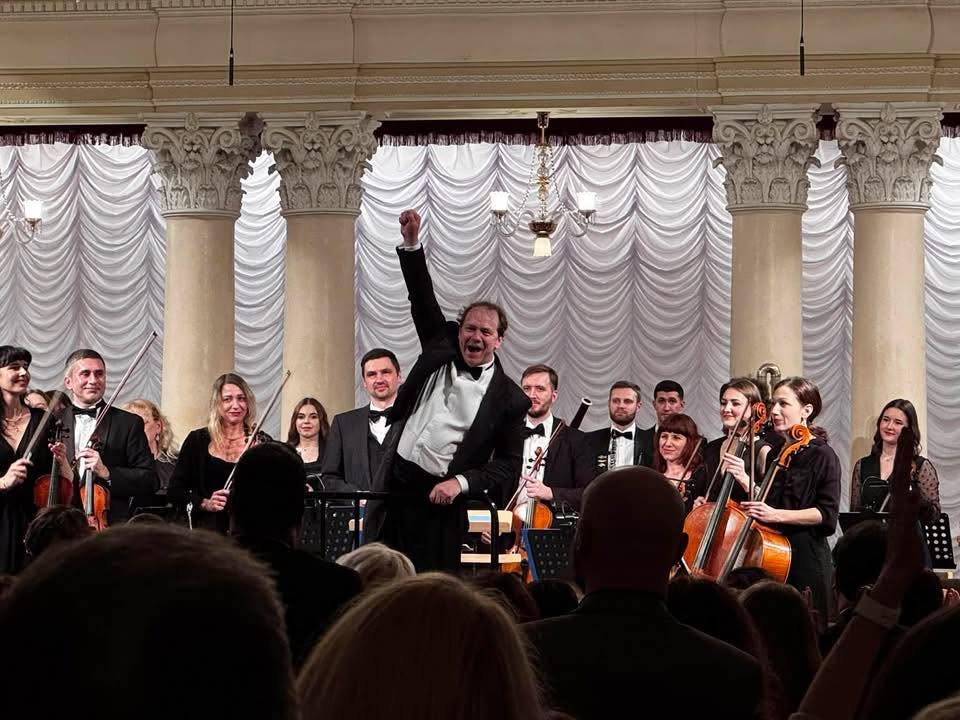
“We plan our work roughly one concert season ahead,” explains Liudmyla Shcherbyna, Artistic Director of the Academic Symphony Orchestra of the Dnipro Philharmonic, “and we do this despite not knowing whether we will have electricity or heating, but if we don’t plan the concerts, they definitely won’t happen. So, we make arrangements with conductors and soloists, decide on programmes and keep moving forward. We work with Stephen in the same way, agreeing to all of his programmes in advance. Despite all the circumstances, we work and we keep concert life going.”
Perhaps this is the central meaning of musicians’ work during wartime: not waiting for ideal conditions, but creating them as far as possible, so that in a city where people have grown accustomed to falling asleep to the sound of air-raid sirens, music can still be heard.
Text: Yulianna Kokoshko
Ukrainian-language editor: Anastasiia Zanuzdanova
English-language editor: Helen Lewis
Photos: courtesy of Stephen Dominic Ellery and the Dnipro Philharmonic