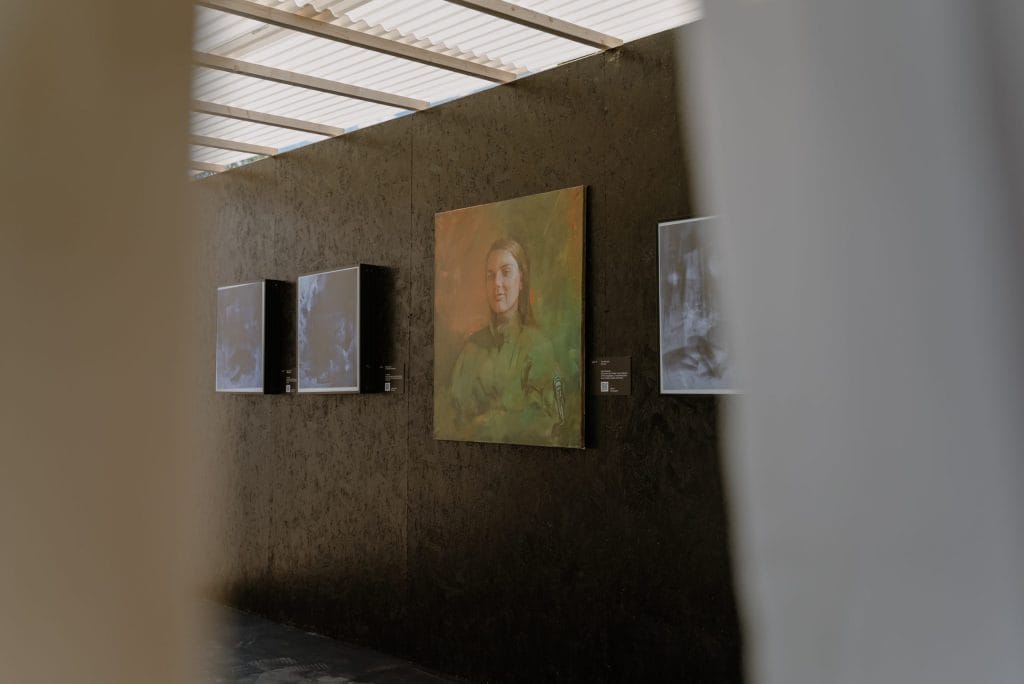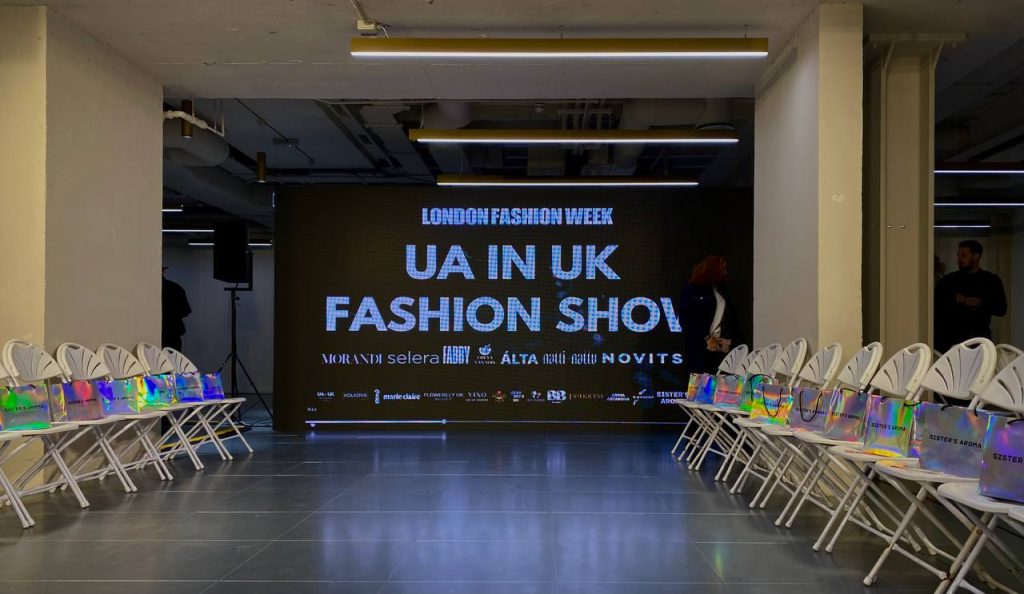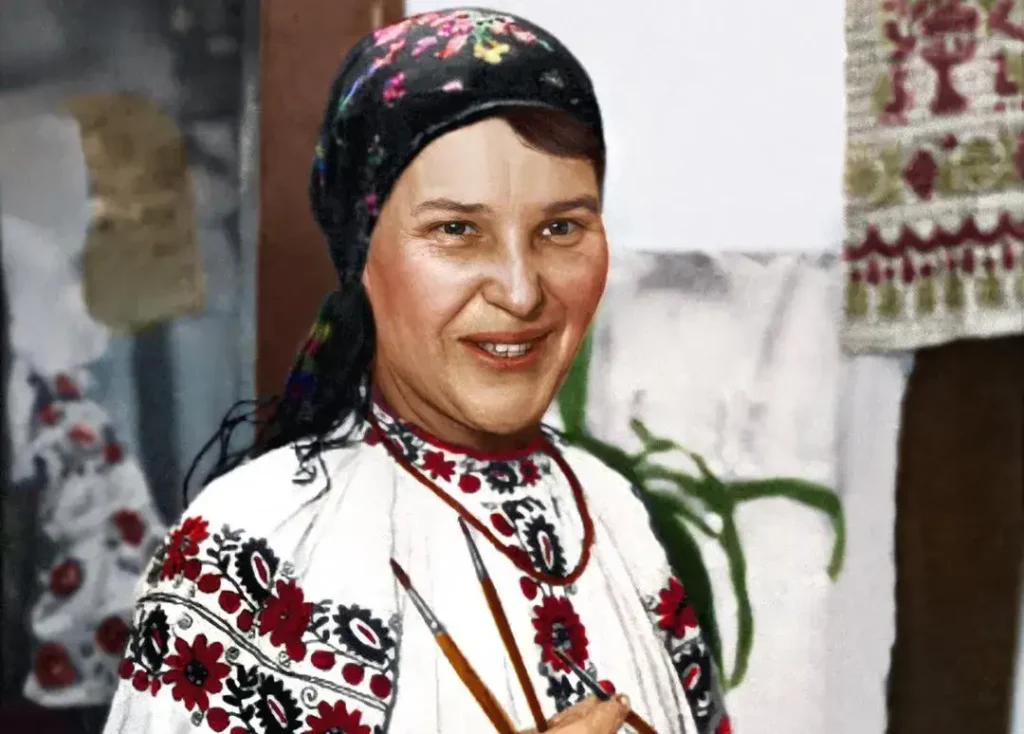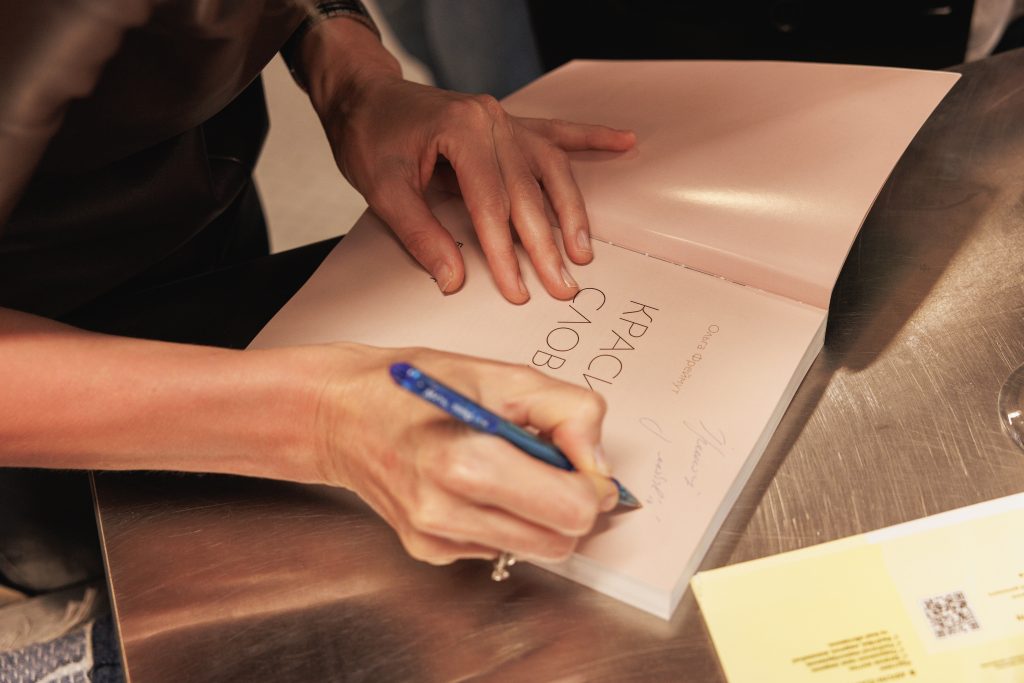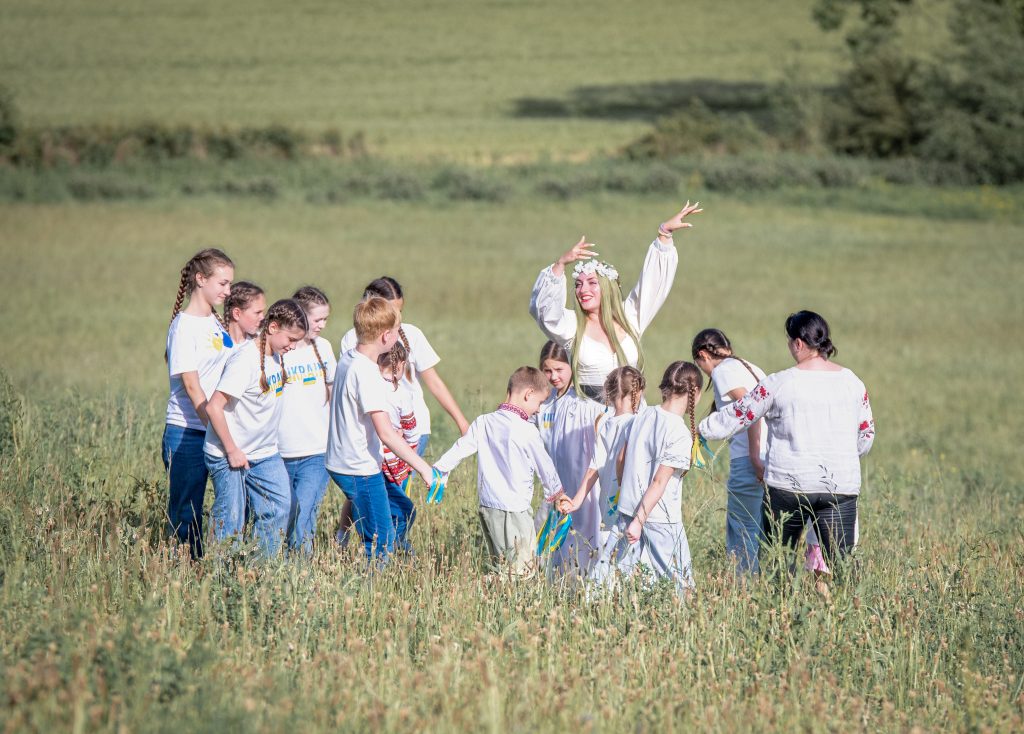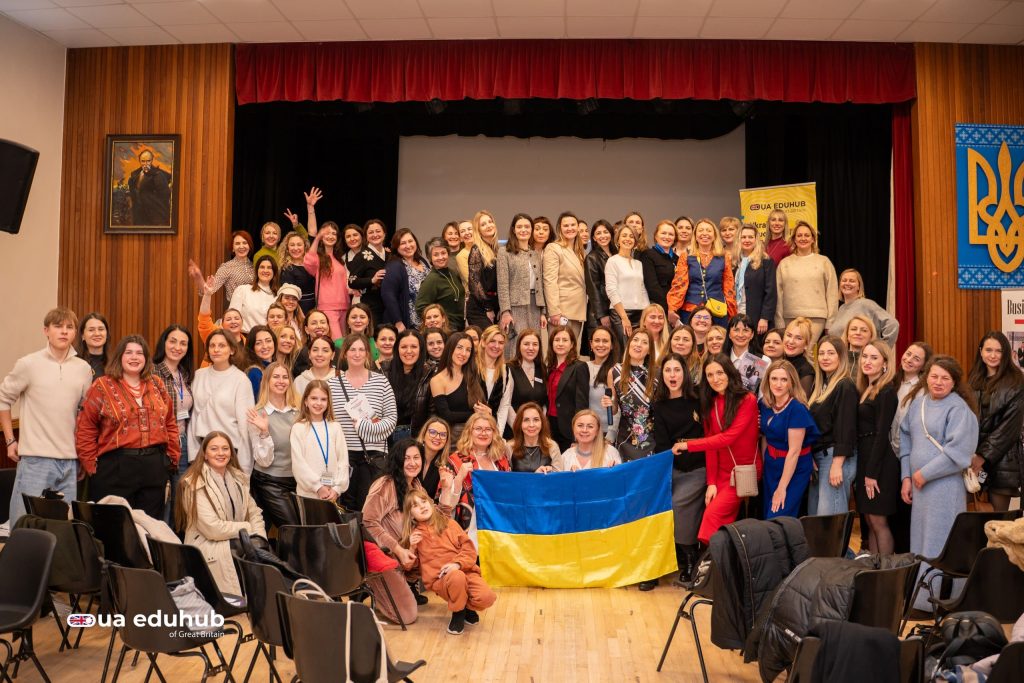
Photos from exhibition in London about Ukrainian modernism 1900-1930.
Ukraine in the early twentieth century – what was it like?
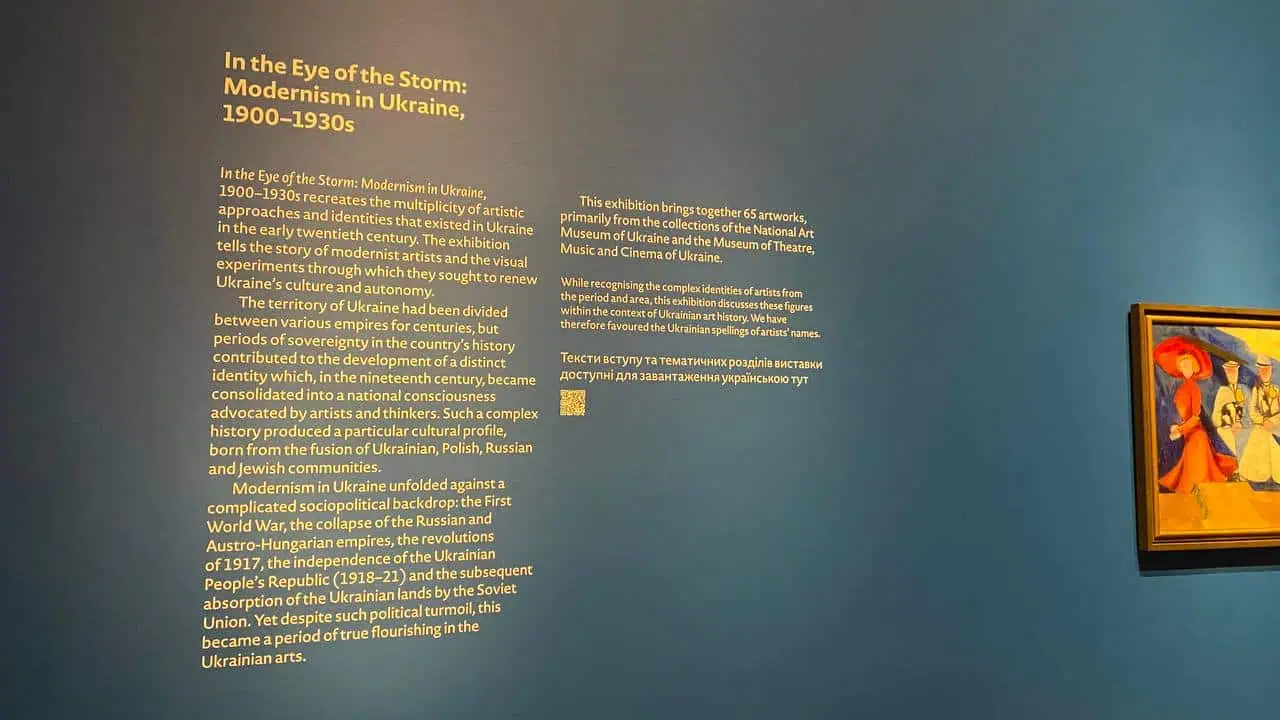
Divided among several empires. The Eastern regions underwent a painful transition from the Russian Empire through the turmoil of the First World War to eventually becoming part of the Soviet Union. Simultaneously, the collapse of the Austro-Hungarian Empire led to the establishment of the Ukrainian People’s Republic.
During the 1900s to 1930s, Ukraine experienced an industrial revolution and significant industrialization, yet it was on the brink of some of the most tragic events of the century, including the Second World War and the Holodomor. Despite the looming crises, Ukraine was actively engaged in fighting against the Russian White Guards, the Bolsheviks, and the Tsarist government, all of which repressed the Ukrainian people and intelligentsia. This period saw rapid changes in government, systems, rules, and the general spirit of society.
Amid such upheaval, one may wonder if Ukrainian culture could flourish. The answer is an emphatic yes, as culture often reflects the realities of its time, no matter how dark they may be.
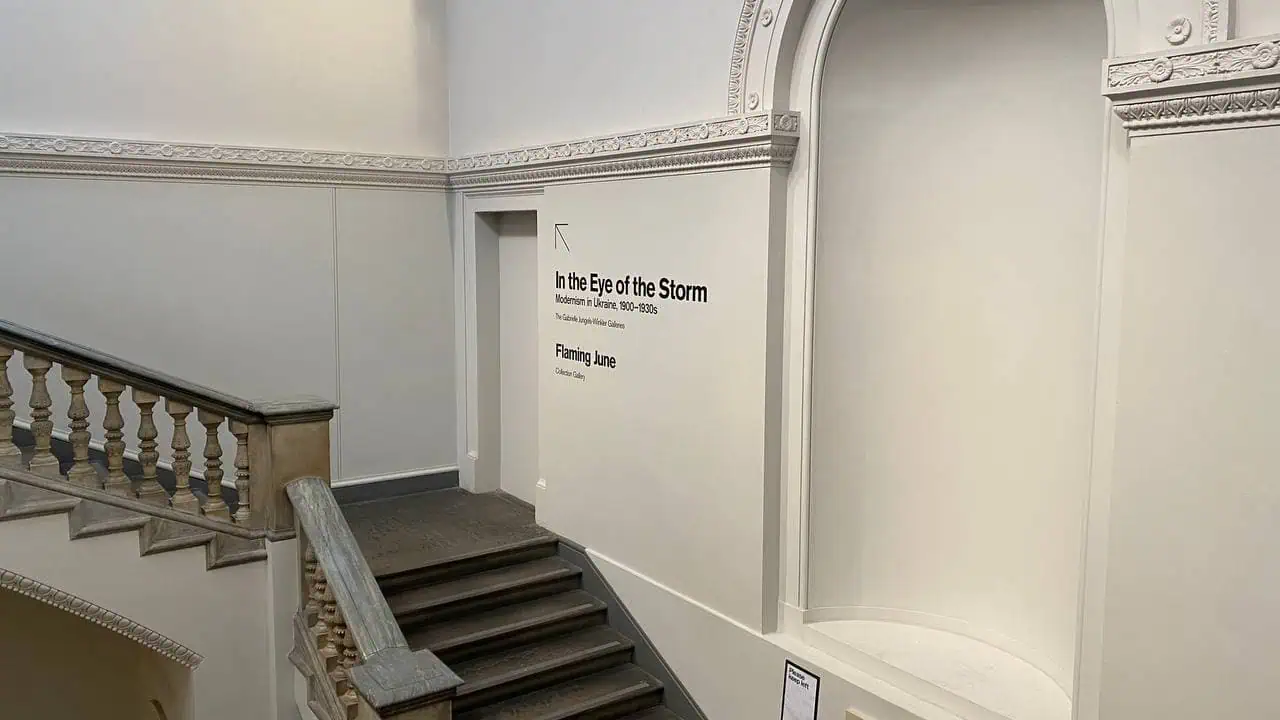
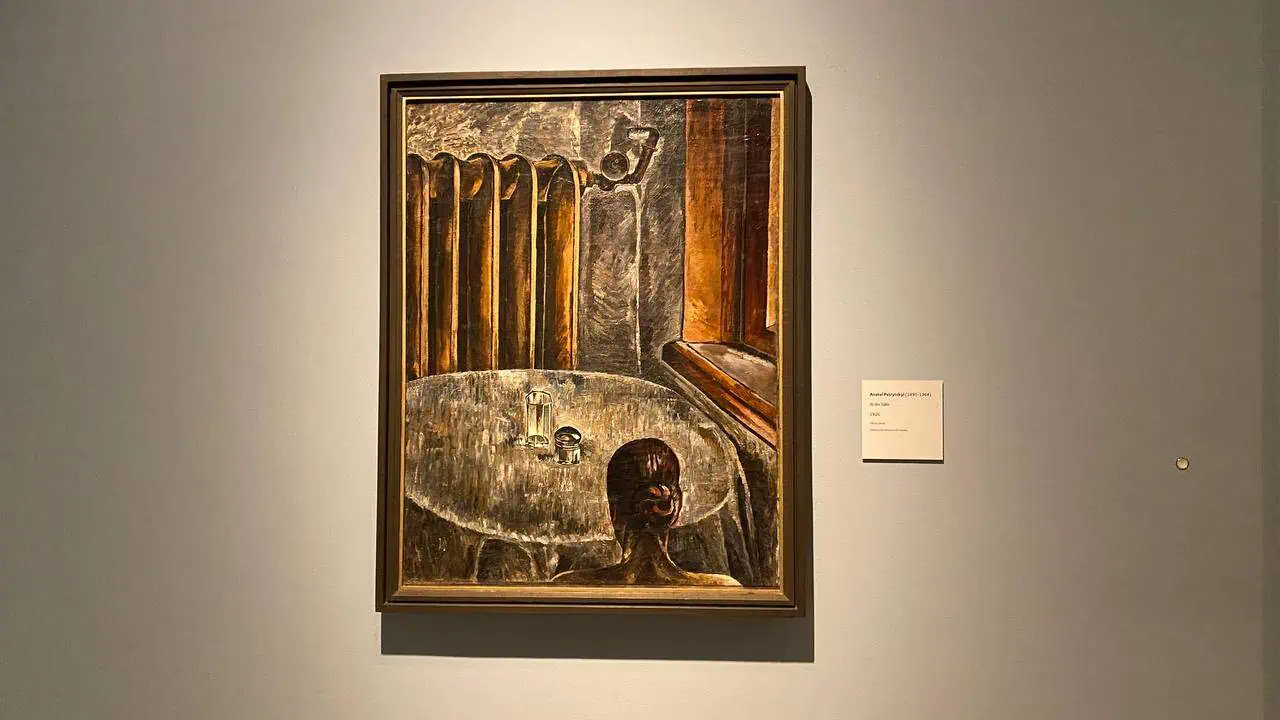
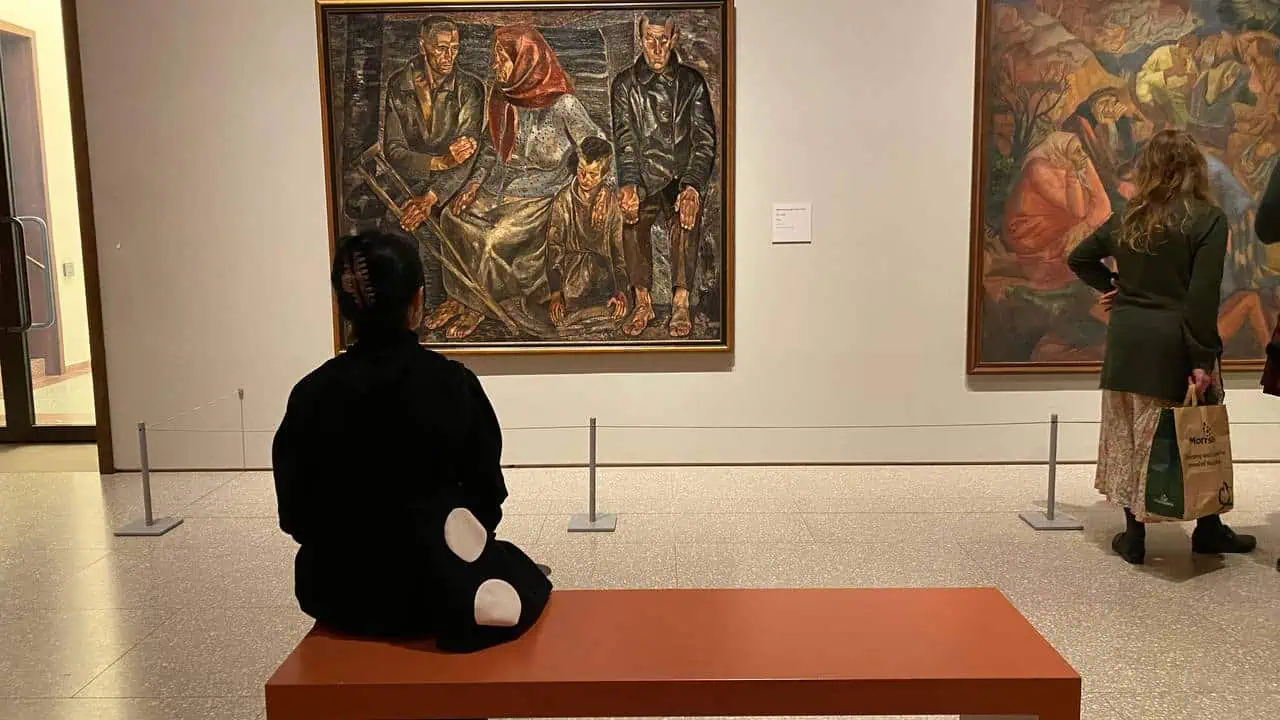
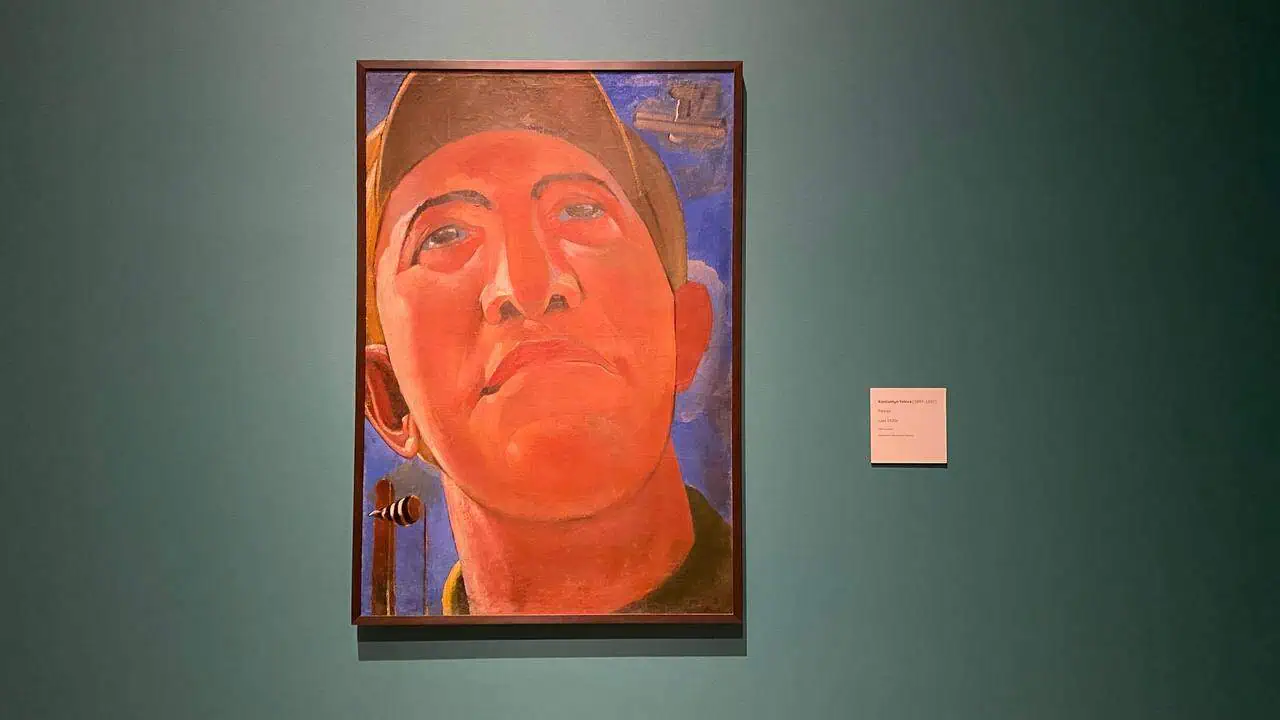
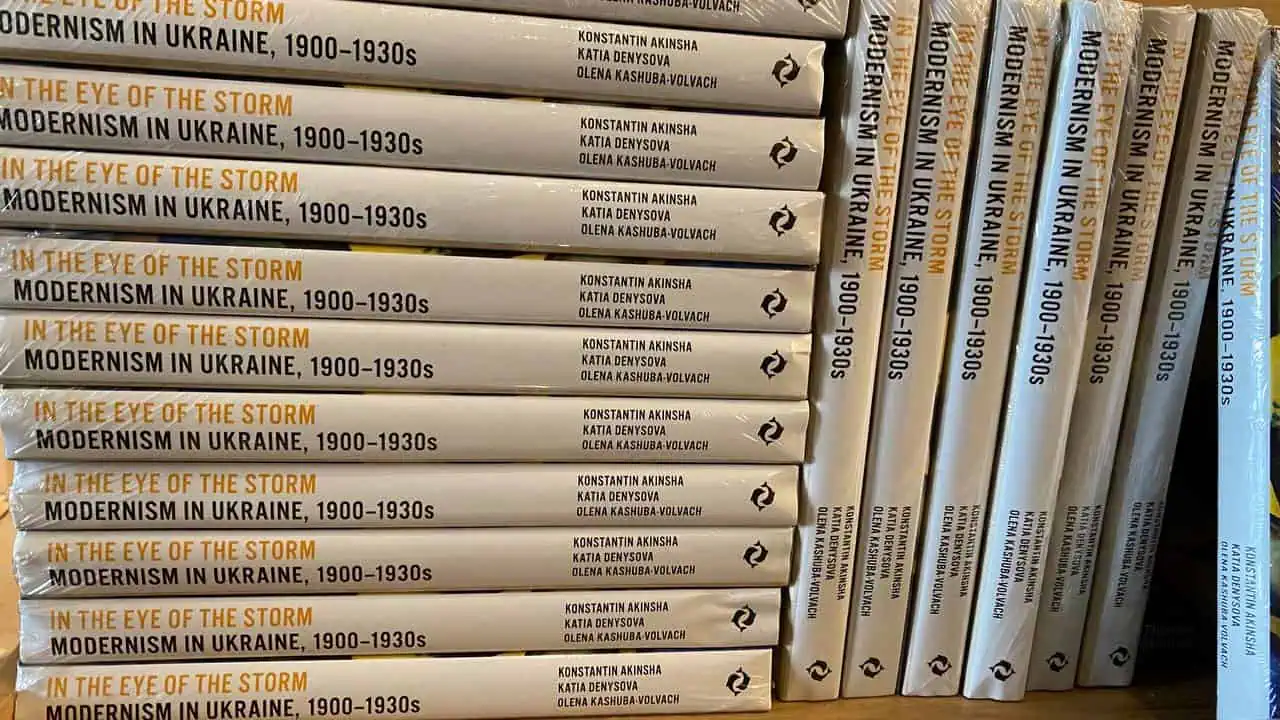
Recently, an exhibition titled “In the Eye of the Storm,” dedicated to Ukrainian modernism from the 1900s and 1930s, was held in London.
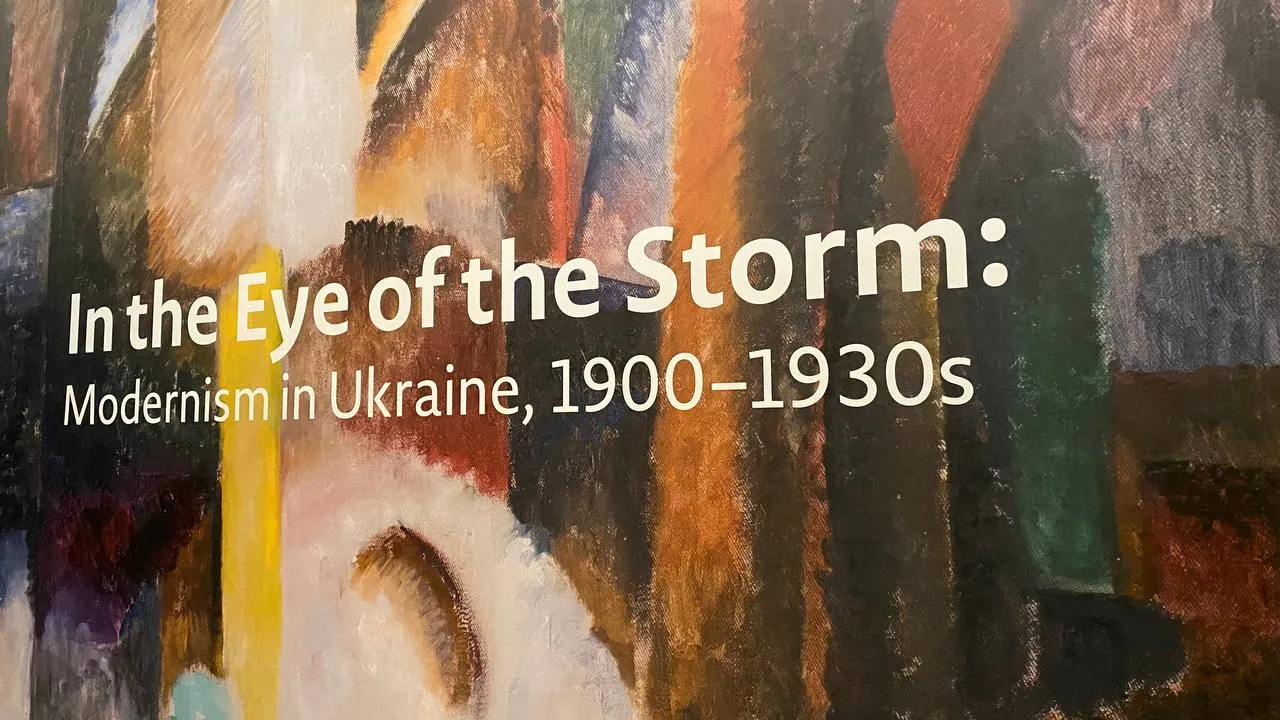
The title is very eloquent: ‘In the eye of the storm’, i.e., inside something dangerous, controversial. At the same time, if we are talking about a storm or a hurricane, the inside is the calmest and most peaceful place, but there can be nothing more dangerous than trying to escape from the middle of the storm. Doesn’t this expression best describe the historical events that took place in Ukraine in the early 20th century?
The exhibition took place at the Royal Academy of Arts, organized by the National Art Museum of Ukraine and the Museum of Theatre, Music, and Cinema of Ukraine.
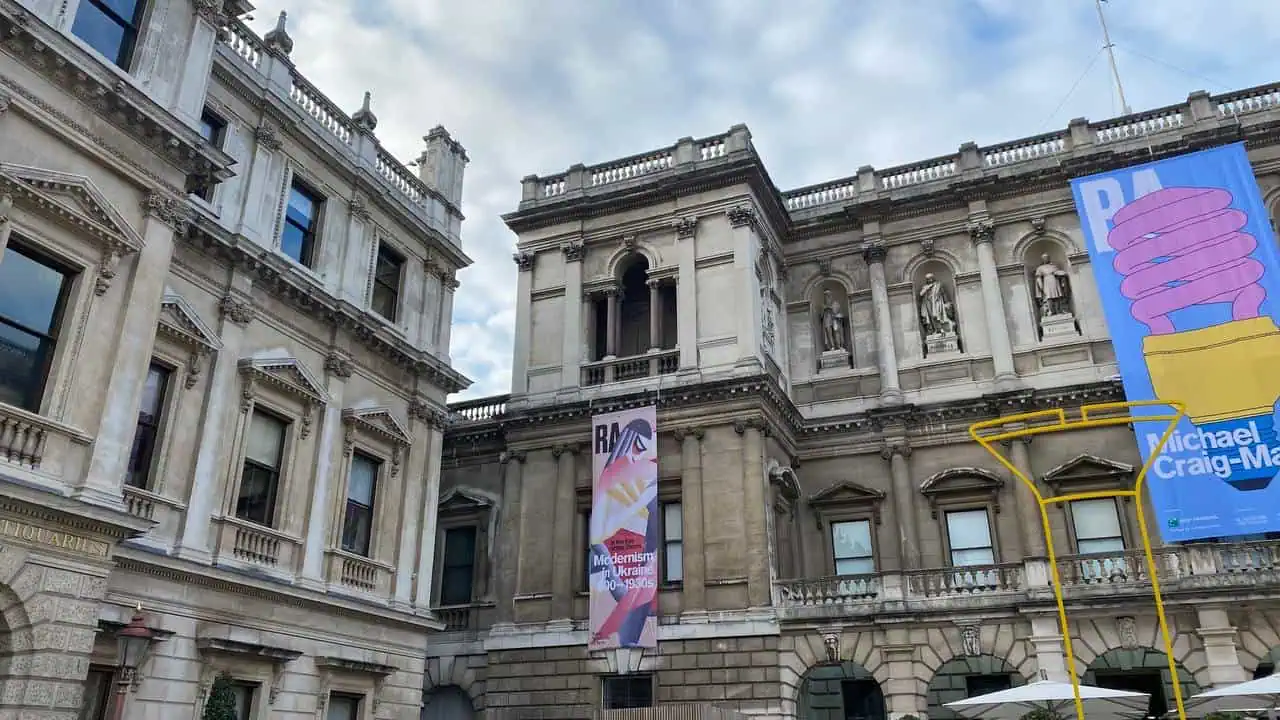
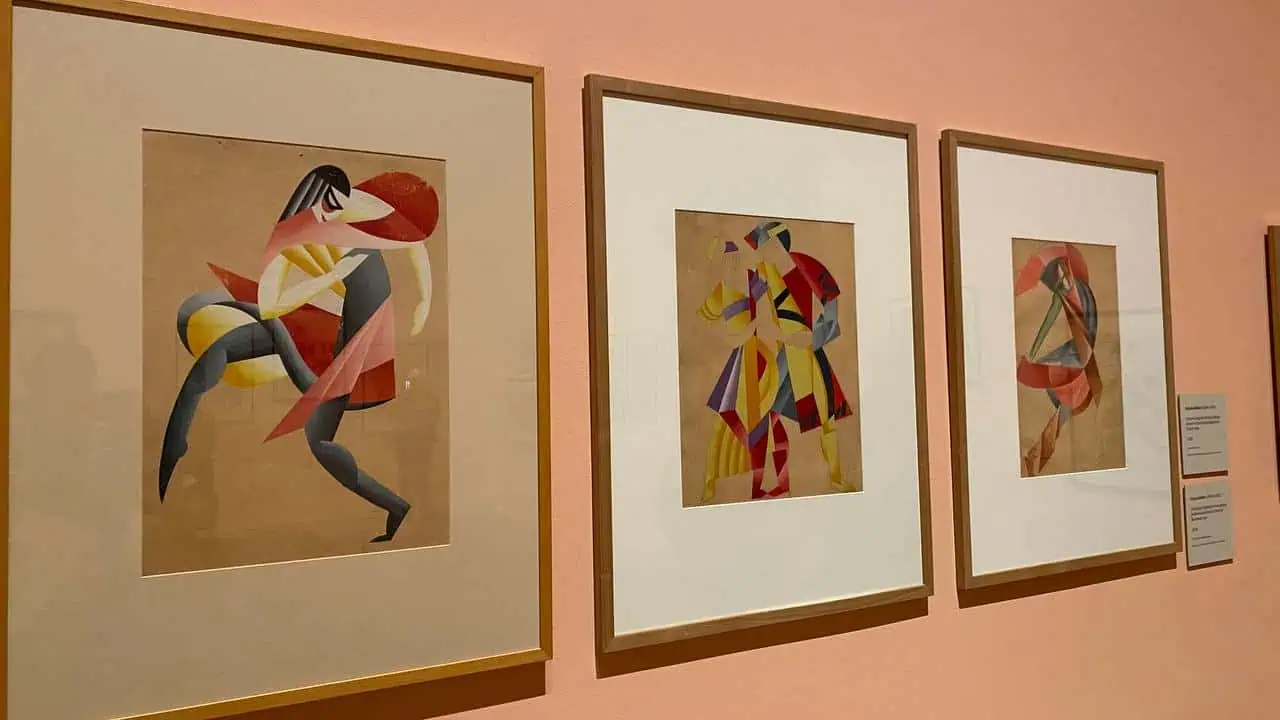
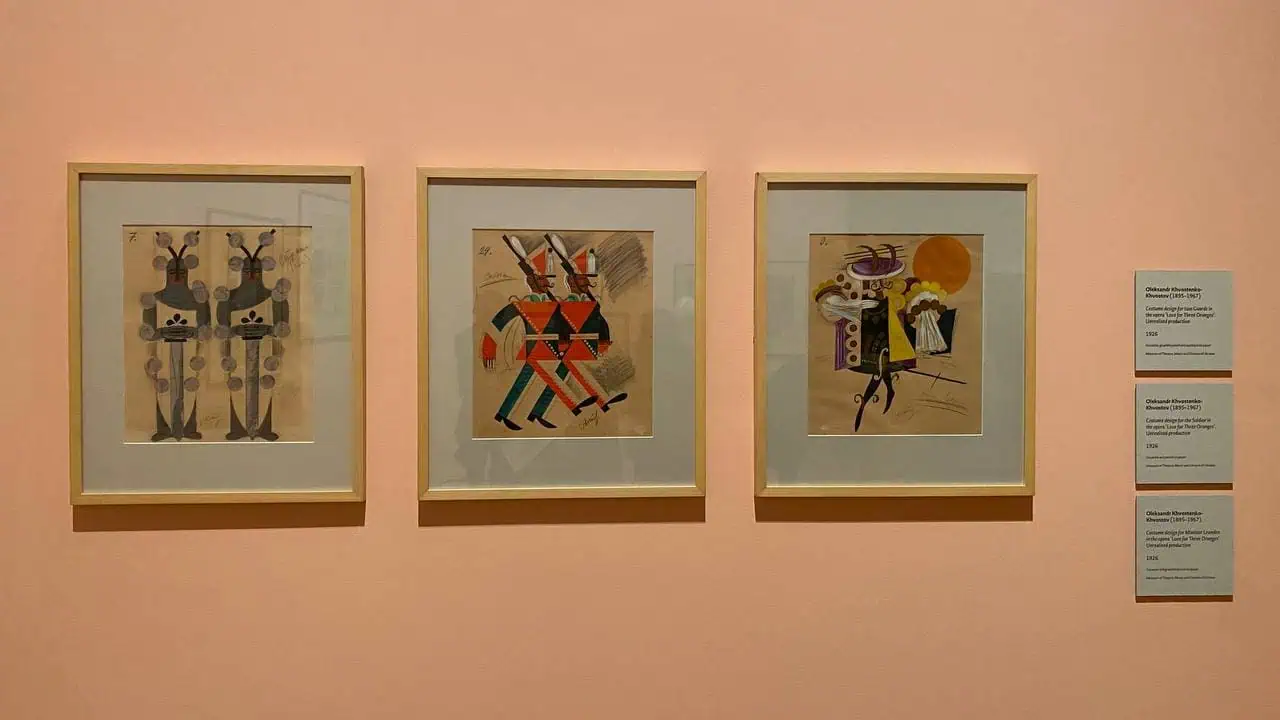
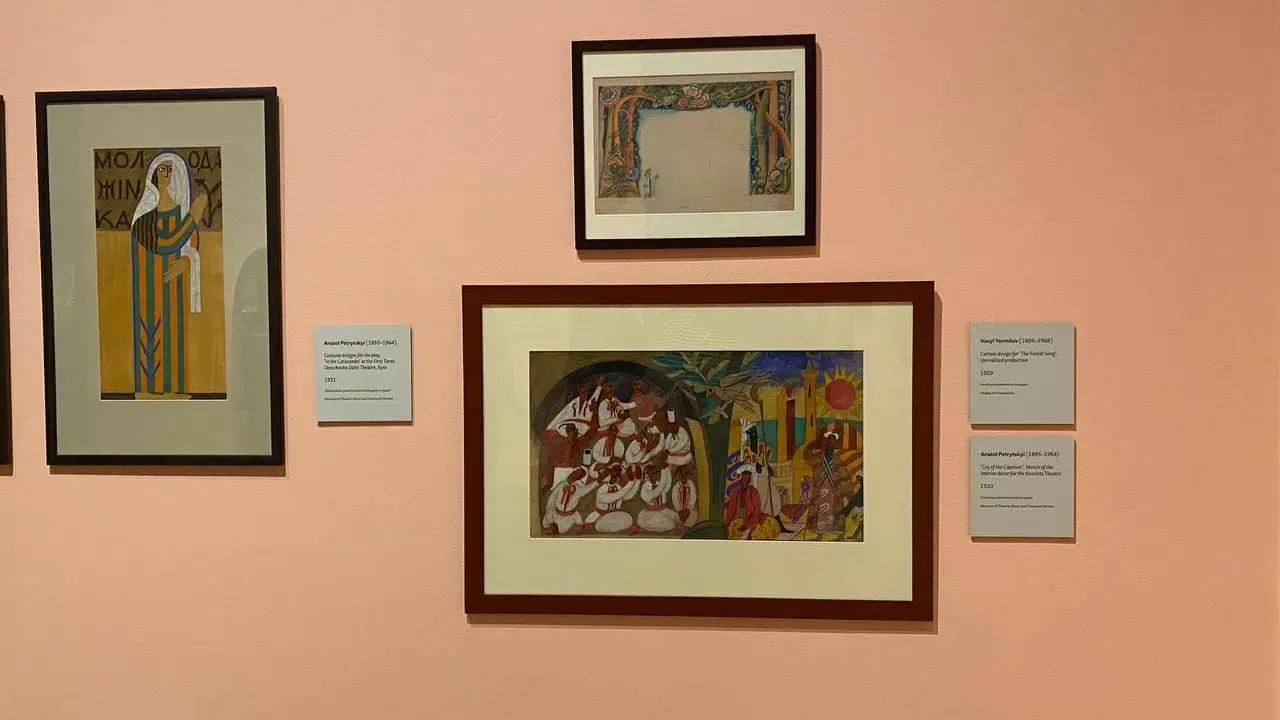
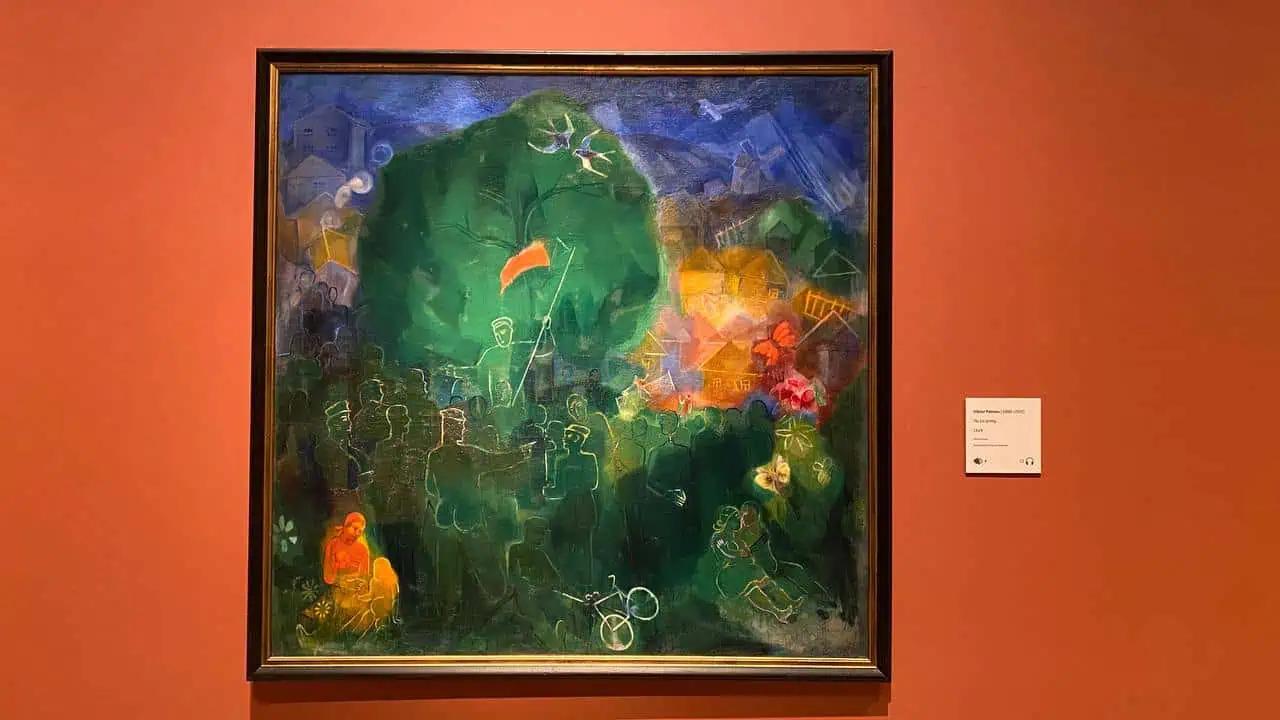
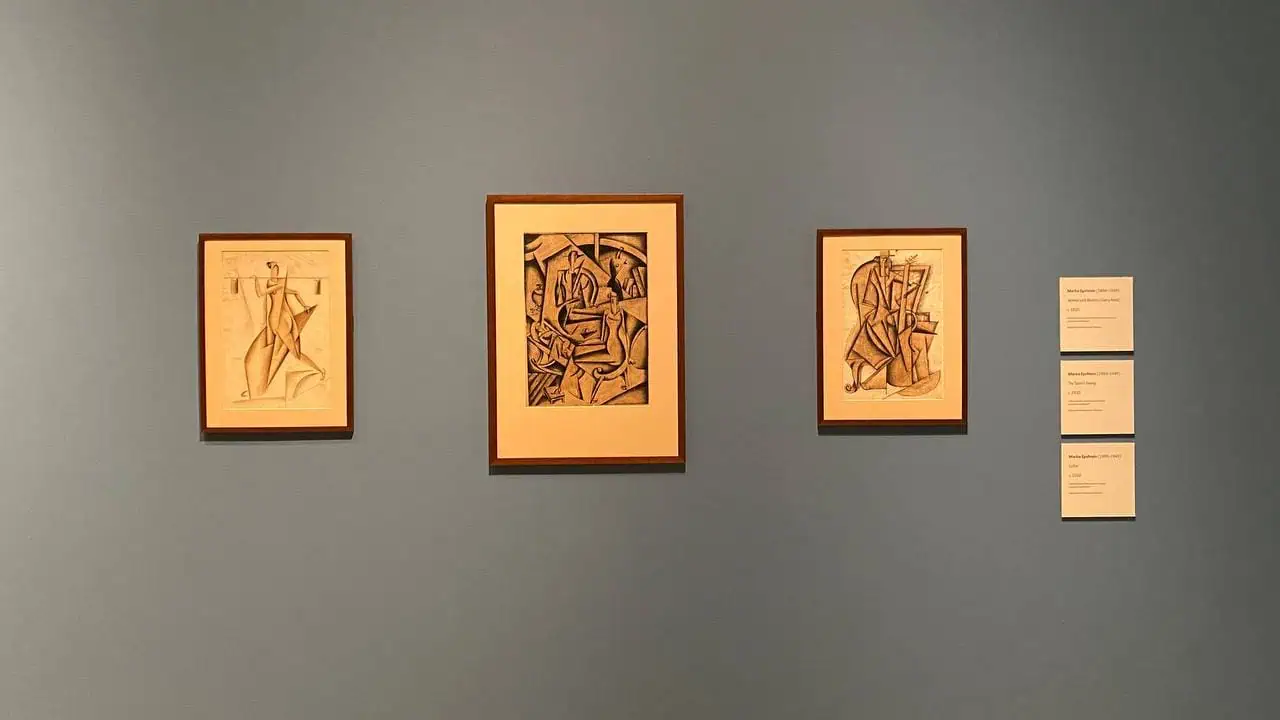
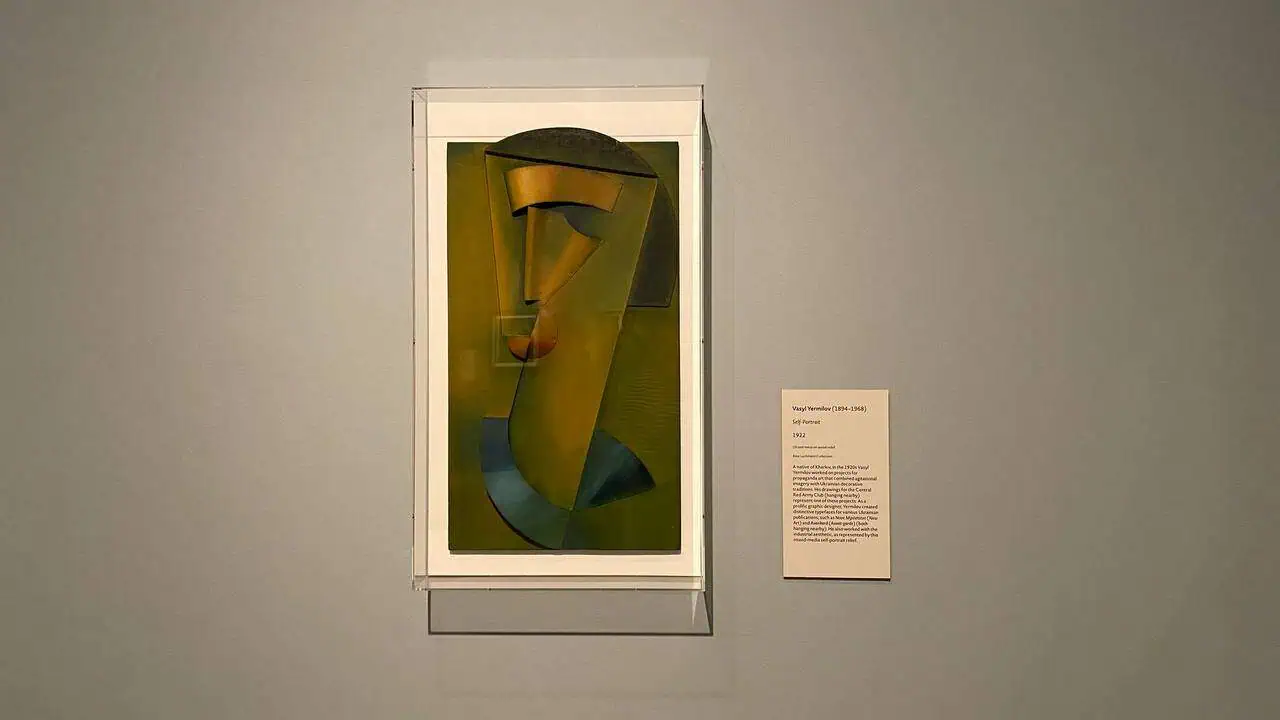
It featured a total of 65 artworks by notable Ukrainian modernists, including Oleksandr Bohomazov, David Burliuk, Kazymyr Malevich, Sonya Delaunay, and Alexandra Exeter.
Additionally, the Royal Academy of Arts offered a masterclass in sculpture creation for those interested in exploring Ukrainian modernism further.
Here’s a photo report from the exhibition showcasing the works of Ukrainian modernists in London.
Author Rostyslava Martyniuk