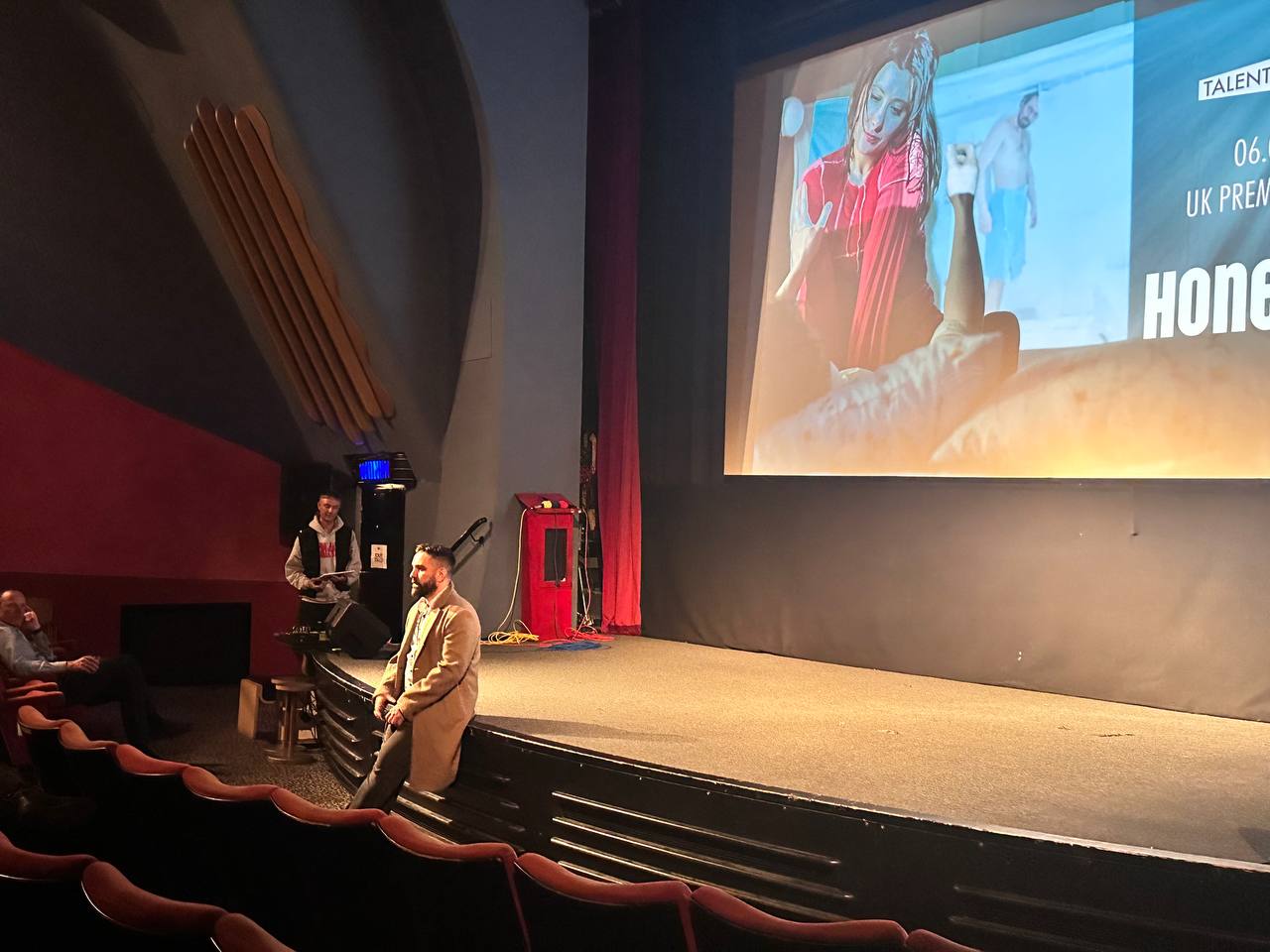
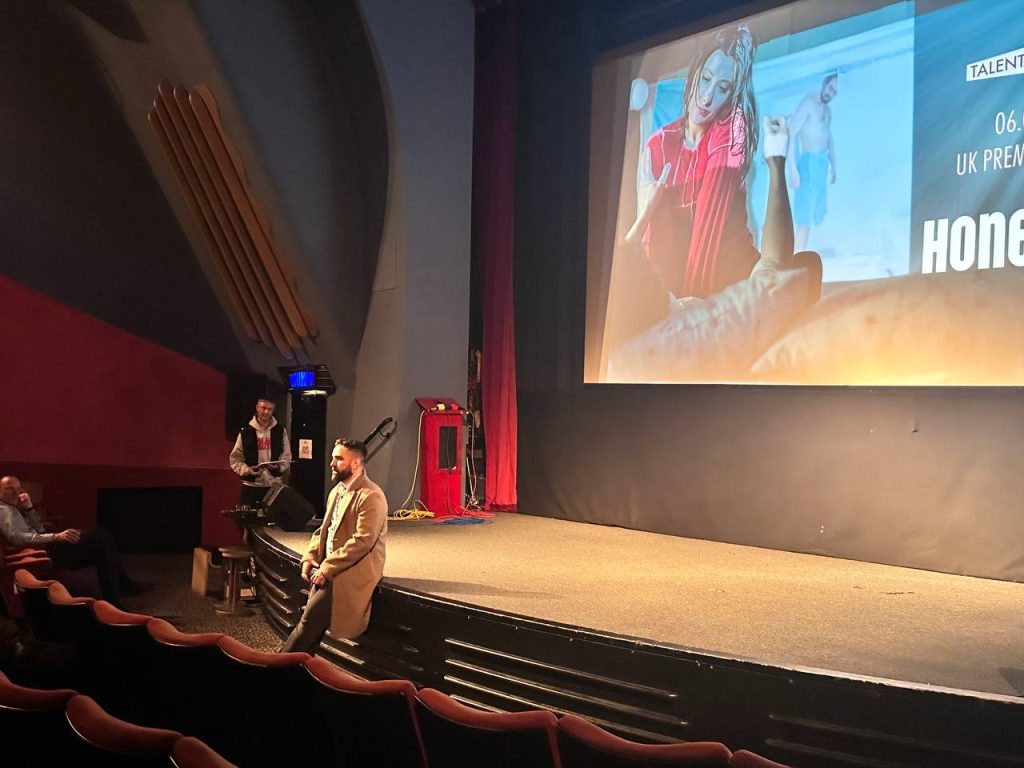
On 6 May, the Ukrainian movie Honeymoon by director Zhanna Ozirna was screened at Rio Cinema on Kingsland High Street in London. The thriller follows a young couple trapped inside their flat in Kyiv during the very first days of Russia’s full-scale invasion on 24 February 2022. Outside the windows there are sirens, explosions, and chaos, while inside they argue, try to survive, and struggle to save their relationship.

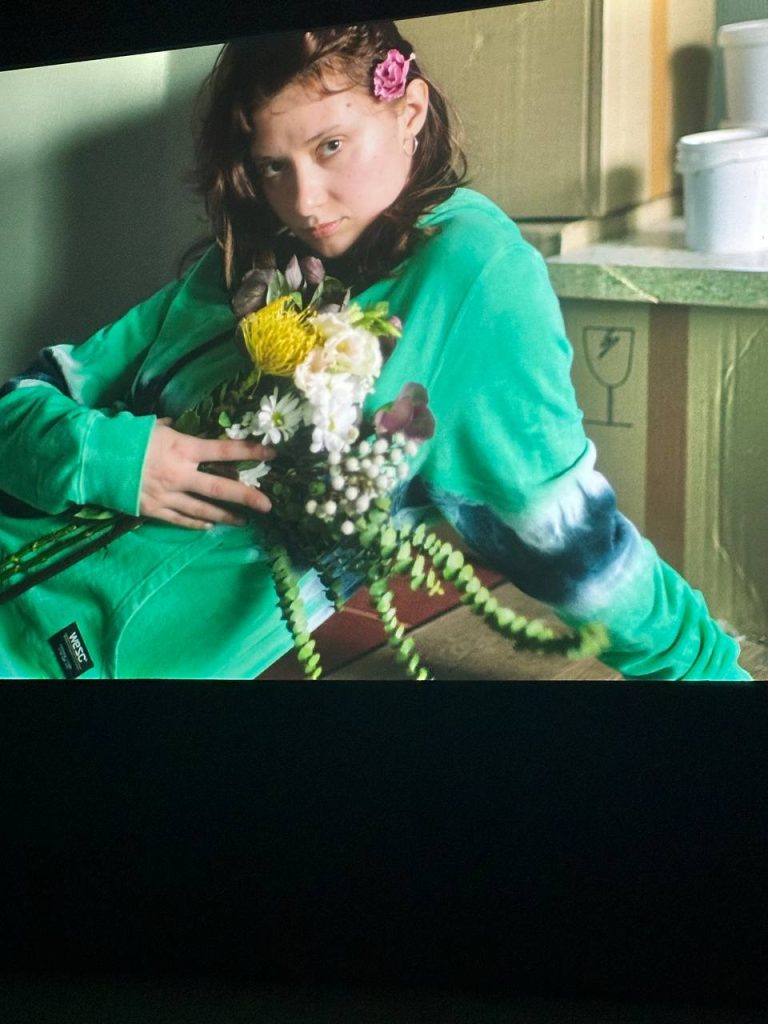
The film feels painfully truthful. Most Ukrainians experienced similar emotions during that spring — fear, isolation, and tension within families. Everything shown on screen reflects a reality many people lived through: hiding inside flats, hearing fighting outside the walls, and having no idea what the next day would bring.
What struck me most was the way the filmmakers conveyed horror without graphic scenes. I expected depictions of violence — women being assaulted, men tortured, people stripped naked or killed. Yet none of this is shown directly. There are no bloody visuals or shocking images. Instead, the terror comes through sound: sirens, gunfire, screams outside the windows. The characters describe what they see — columns of tanks, bodies lying in the streets. Violence, torture, and death are all present in the film, but only through suggestion. It is a brilliant artistic choice: powerful without becoming traumatising.
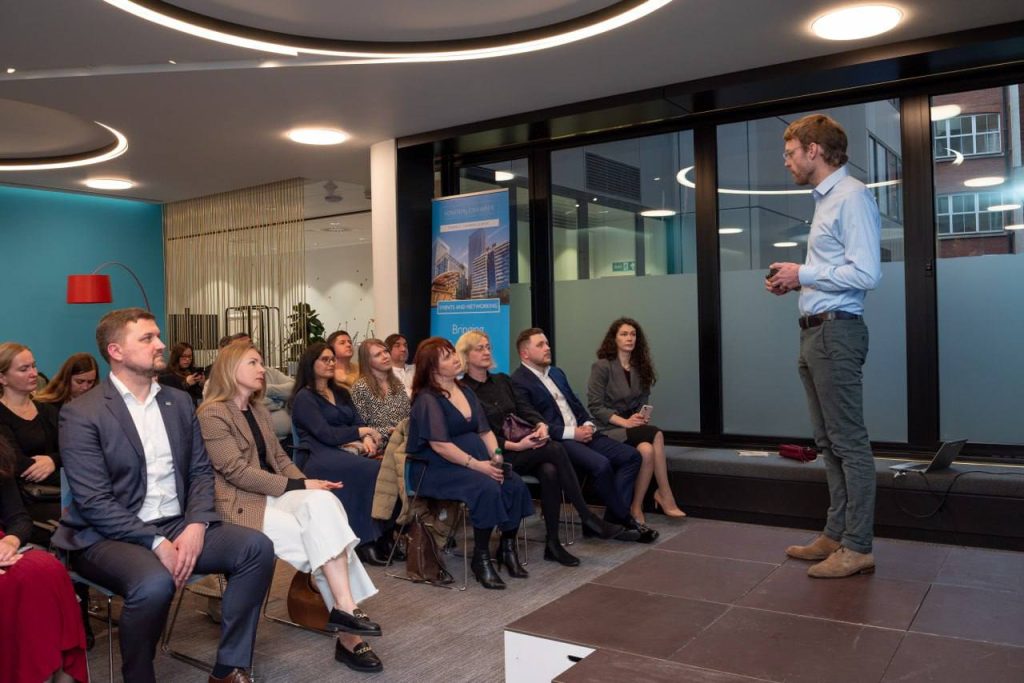
After the screening, the audience took part in a Q&A discussion. A psychologist analysed the couple’s behaviour, explaining that their arguments and reactions were natural responses to trauma. Many couples separated during the war because women left the country with children while men stayed behind. The protagonists of Honeymoon were fortunate — they survived together. The psychologist’s central message was the importance of empathy: not judging one another, allowing vulnerability, and taking care of loved ones.
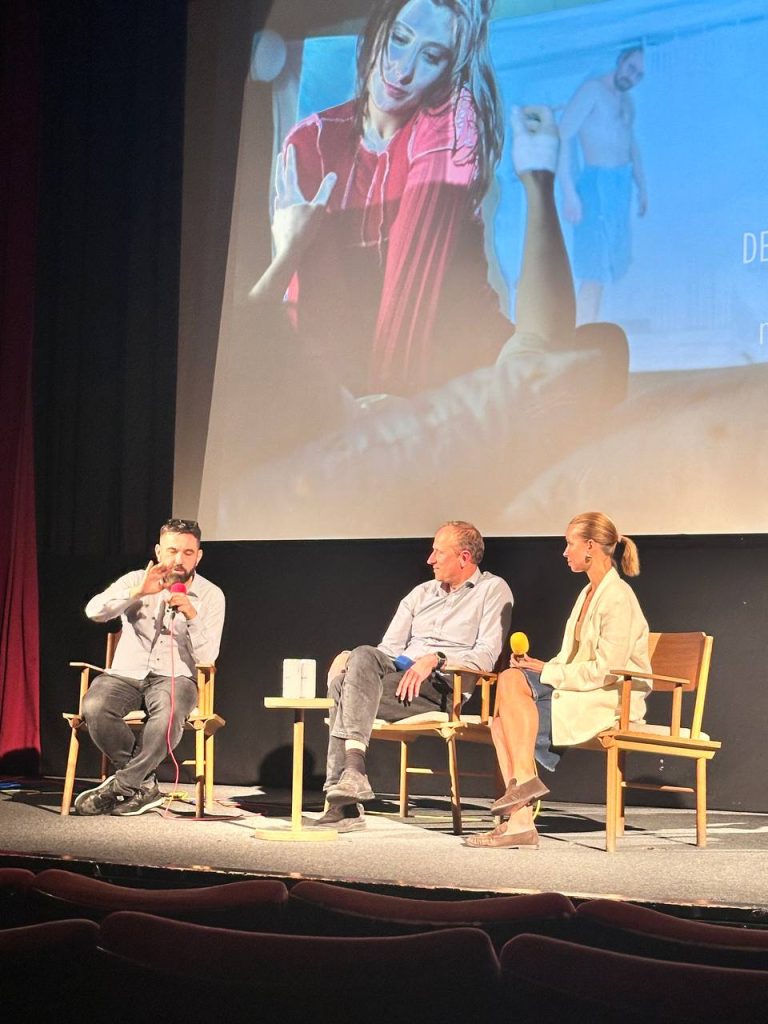
Audience members — most of them Ukrainians — said the couple’s psychology felt realistic and painfully familiar. The psychologist concluded that caring for others, even during crisis and survival, remains profoundly important.
The event was organised by the non profit cultural institution Talented U. People left the cinema with the feeling that this was not simply a film screening, but a shared story many of us still carry within us
Text&photos: Svitlana Melnychenko