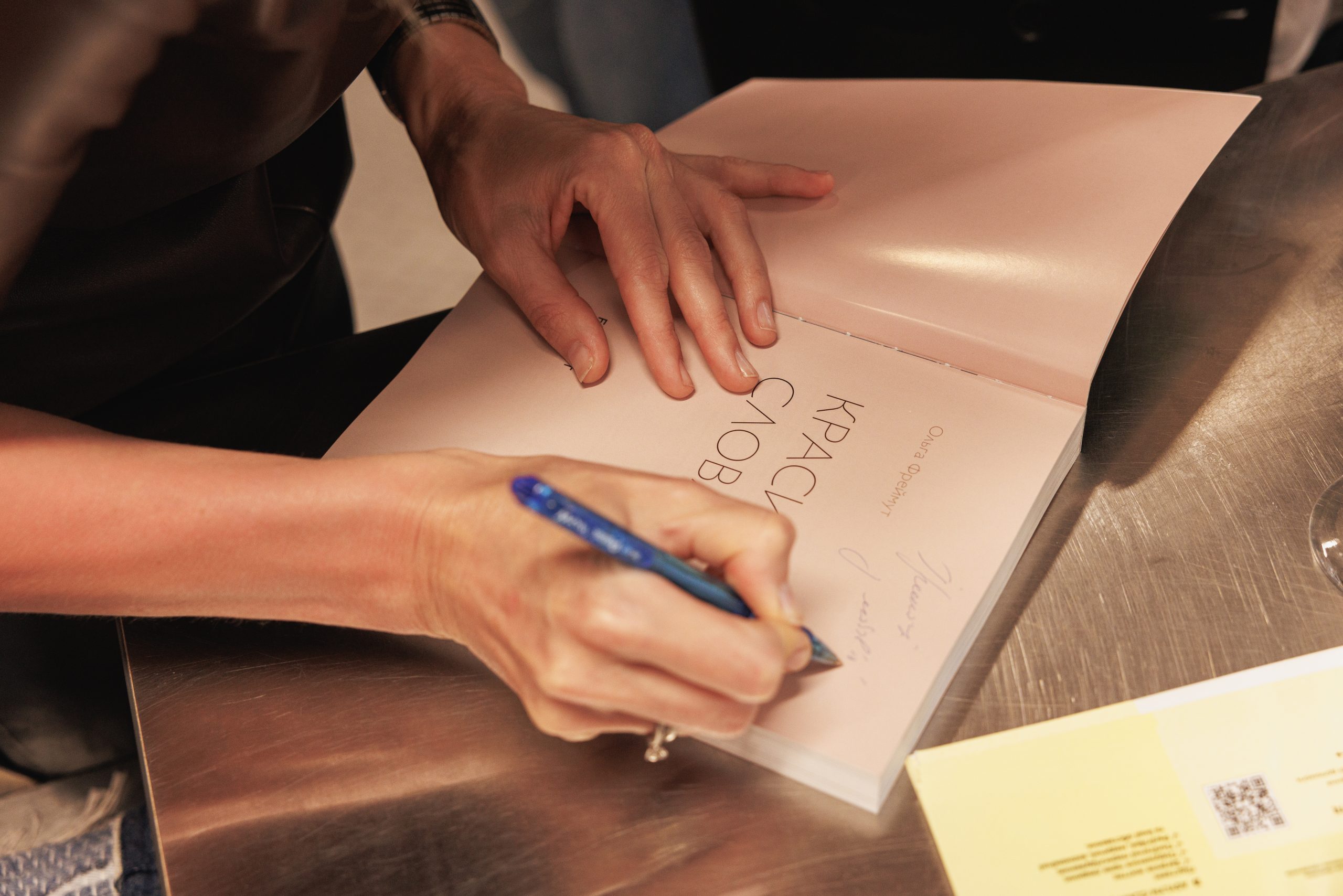
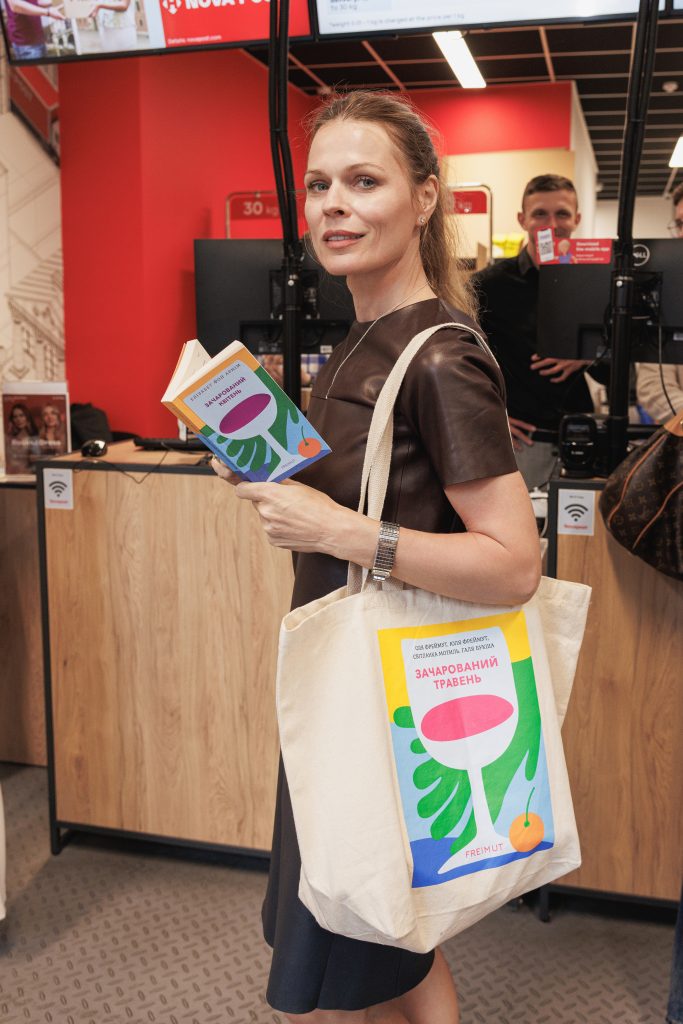
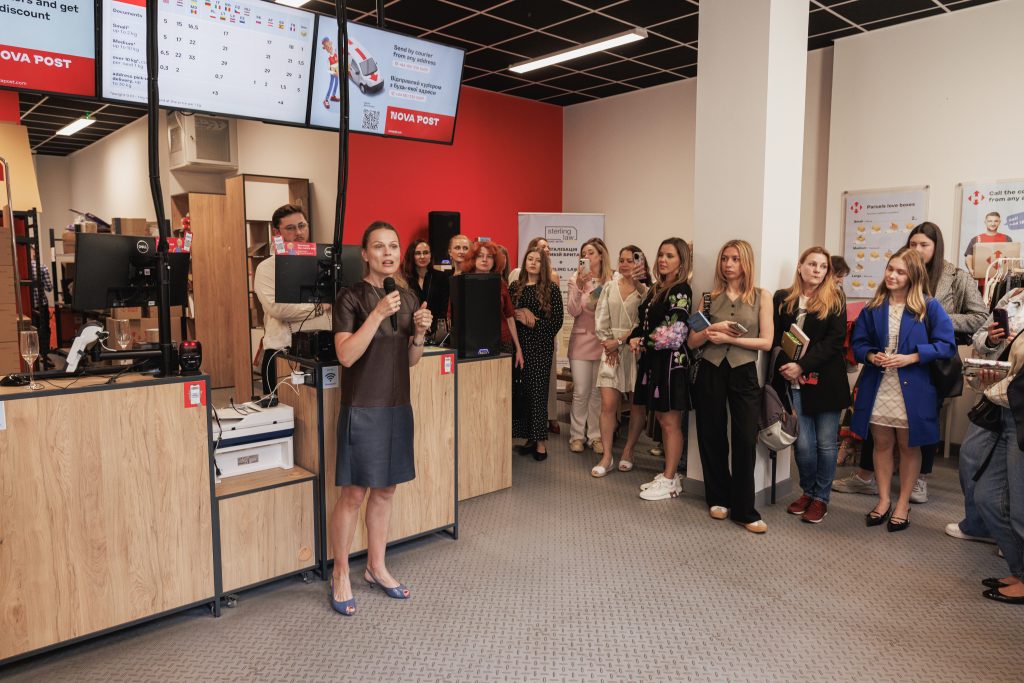
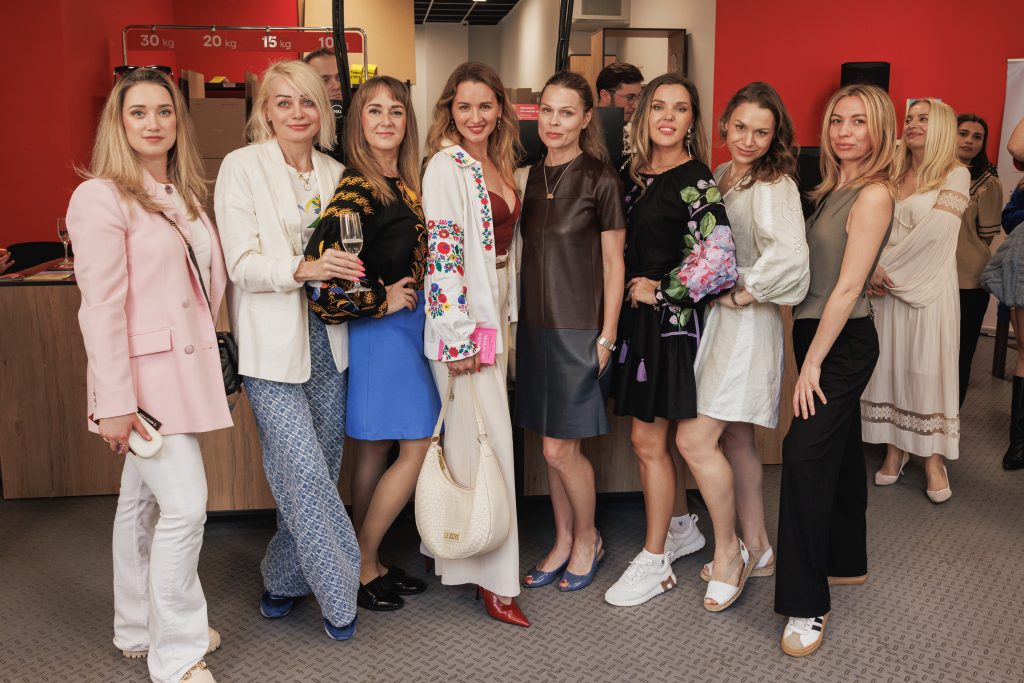
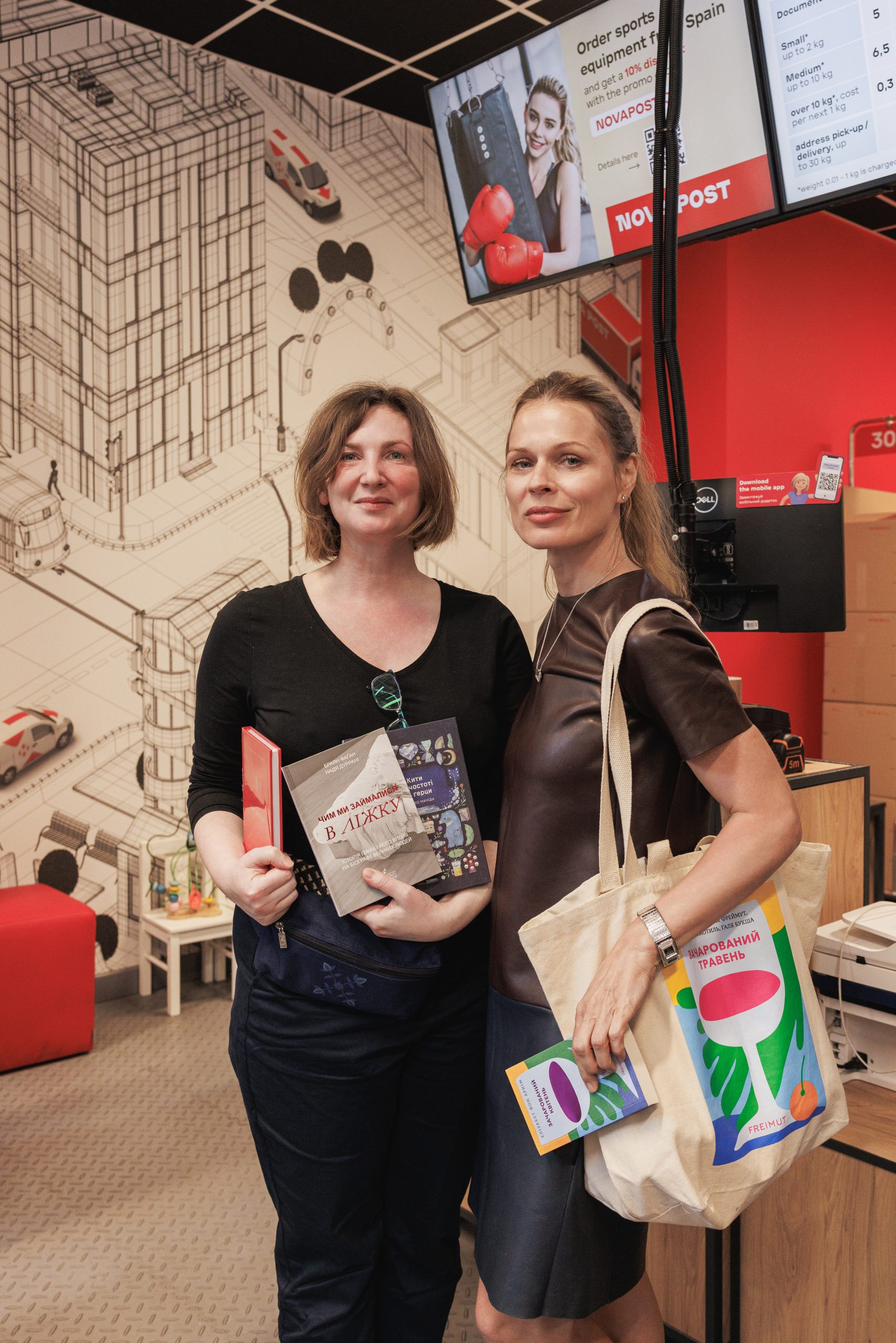
In May, London hosted the first-ever Books & Dress pop-up event, showcasing Ukrainian books alongside works by international authors published in Ukrainian by the publishing houses of Ukrainian TV presenter and journalist Olga Freimut and publishing company Artbooks. The event was organised by the Vesna Club book club. Although this was its first event of this kind, the organisers plan to hold many more literary gatherings and book clubs to introduce British readers to both Ukrainian classics and contemporary literature.
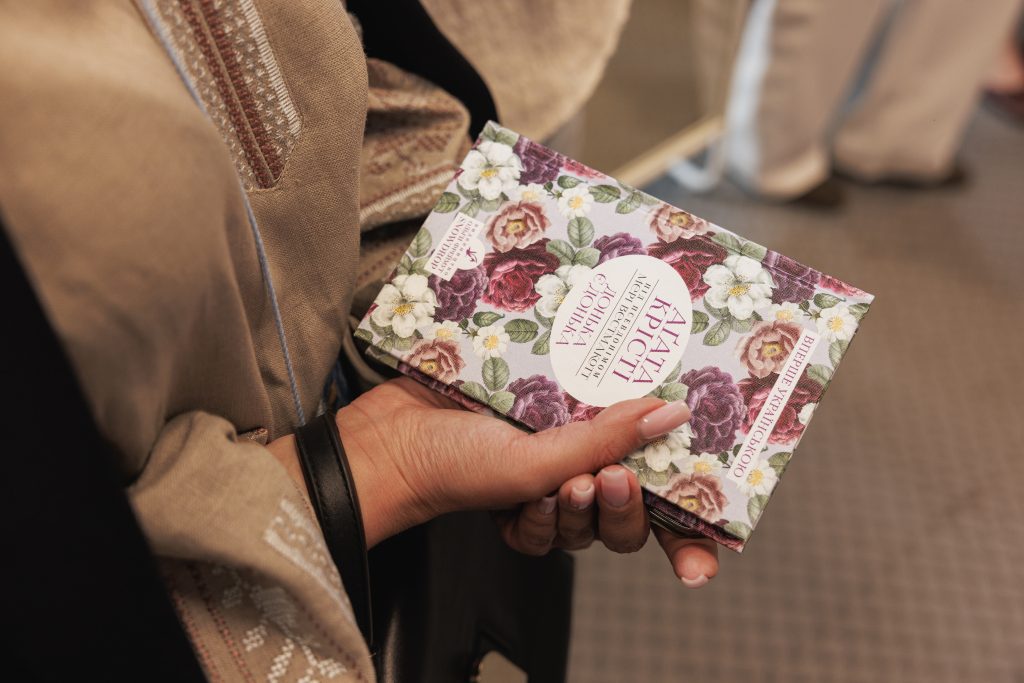
It was symbolic that the event took place at the Ukrainian postal service Nova Post office. Postal services maintain our connection between home and life abroad, and Ukrainian books serve a similar purpose — a cultural and remarkably resilient bridge to our identity and heritage.
“Today we are opening Nova Post in a different capacity — as a platform for cultural logistics,” said Nova Post’s UK Manager Denys Lanovskyi, . For Nova Post, this was the first event of its kind, and he hopes it will not be the last.
Olga Freimut founded Freimut Publishing after the start of Russia’s full-scale invasion of Ukraine. The publishing house is built around a simple yet important idea: a Ukrainian book is more than literature. It is a way of preserving language, culture, and inner resilience — especially when everything around us feels uncertain.
That evening, Freimut spoke about what sustains a person from within.
“We should read not for status, but for depth.”
The Price of a Ukrainian Book Today Is Human Lives
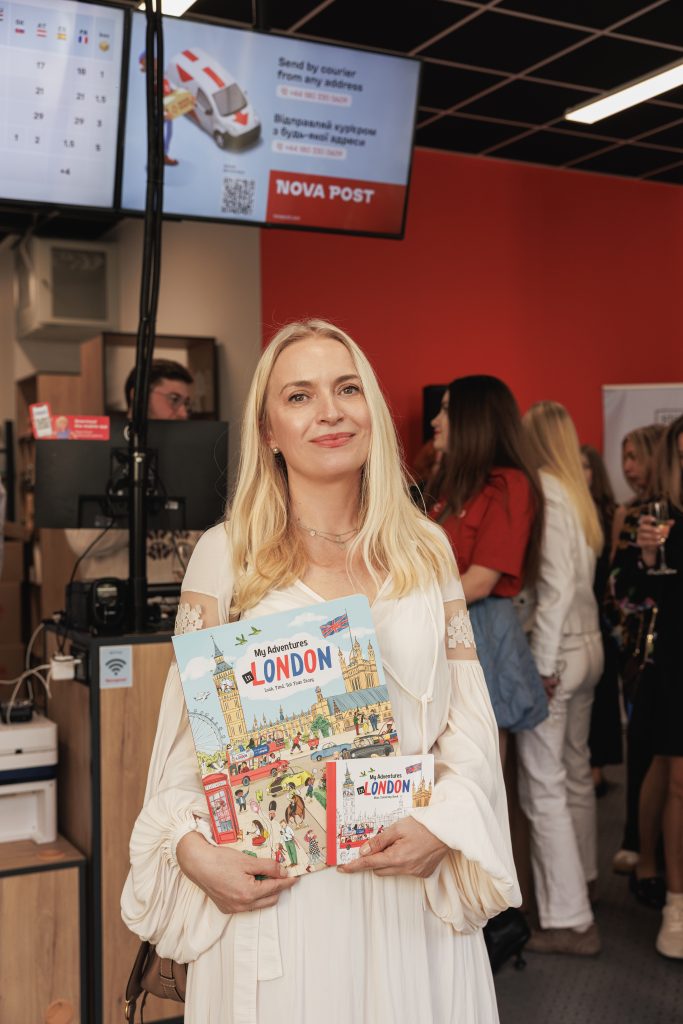
Anna Pokhliebaieva, the founder of Artbooks, spoke about how Ukrainian books come into existence today.
“When we place book orders, people at the printing houses are happy because it gives them a reason to go to work.”
This is not a metaphor. Despite the constant attacks on Kharkiv and Kyiv, Ukrainian printing houses continue to operate. Every order is more than a print run — it is a reason to keep going.
Sadly, Ukrainian printers sometimes pay for their work with their lives. In May, a woman named Halyna was killed during a Russian attack. She worked at a printing house in Kharkiv, carefully assembling books by hand with a paintbrush and glue — books that we can now hold and read here in London.
Here in London, Anna explained, it is especially painful to hear suggestions that unsold books could simply be destroyed free of charge as a favour. British public libraries generally do not accept free book donations and often do not purchase Ukrainian-language books either.
“I cannot accept that calmly, knowing that behind these books are dreams, hopes, effort, hard work, and even the lives of hundreds of people working in publishing. I immediately start looking for places where I can sell or donate Ukrainian books rather than allow them to be destroyed.”
Ukrainian Books Set a High Standard of Craftsmanship — Yet They Are Rarely Seen on Shelves
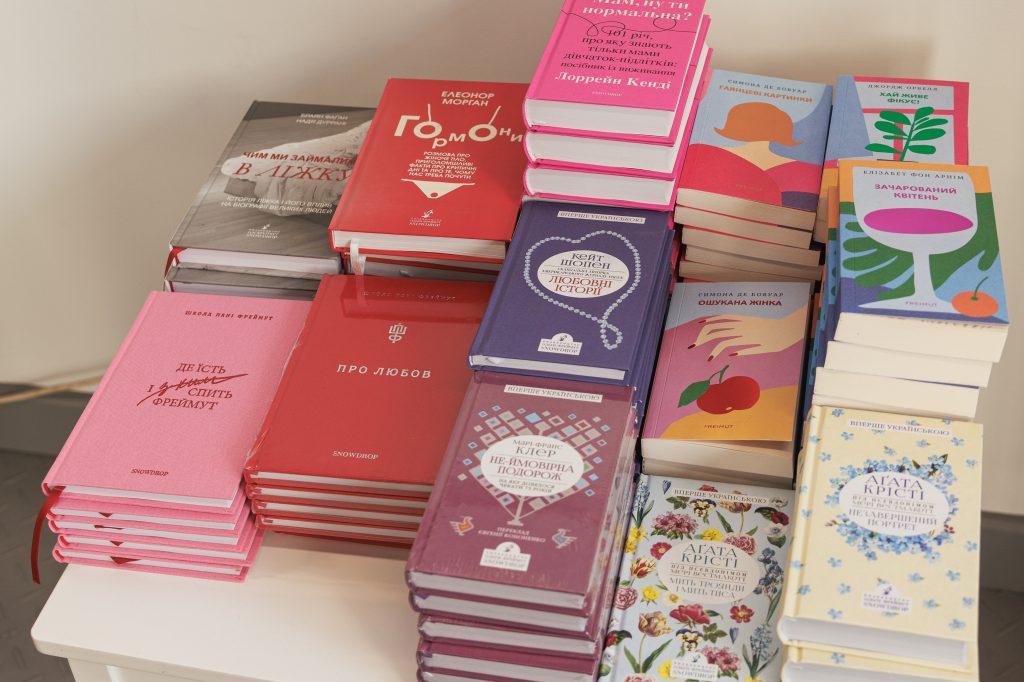
At the London Book Fair, international publishers often react with surprise when they encounter Ukrainian books: beautifully illustrated, carefully designed, and produced during a full-scale war.
“Look at what they are creating in Ukraine during wartime,” Anna recalled hearing from international partners.
For publishers such as Anna and Olga, this level of quality is simply the standard. They see a book as something precious — a repository of knowledge, insight, and beauty, as well as a gift that should bring readers complete enjoyment.
As a result, Ukrainian art books, children’s books, and illustrated editions are increasingly becoming more than literature. They are cultural artefacts, created by people who continue to print, illustrate, translate, and live despite the war.
“For me, it was a challenge to make Ukrainian books available in the United Kingdom,” Anna said.
Despite public expressions of support for Ukraine, Ukrainian books still struggle to find their way into libraries and major retail chains. Much of their circulation relies on individuals who share books with friends, bring them from Ukraine for their children, or pass them along within their communities.
“When I arrived here with my children, they were looking for Ukrainian books. When they finally saw them in a bookshop, it was a genuine moment of joy.”
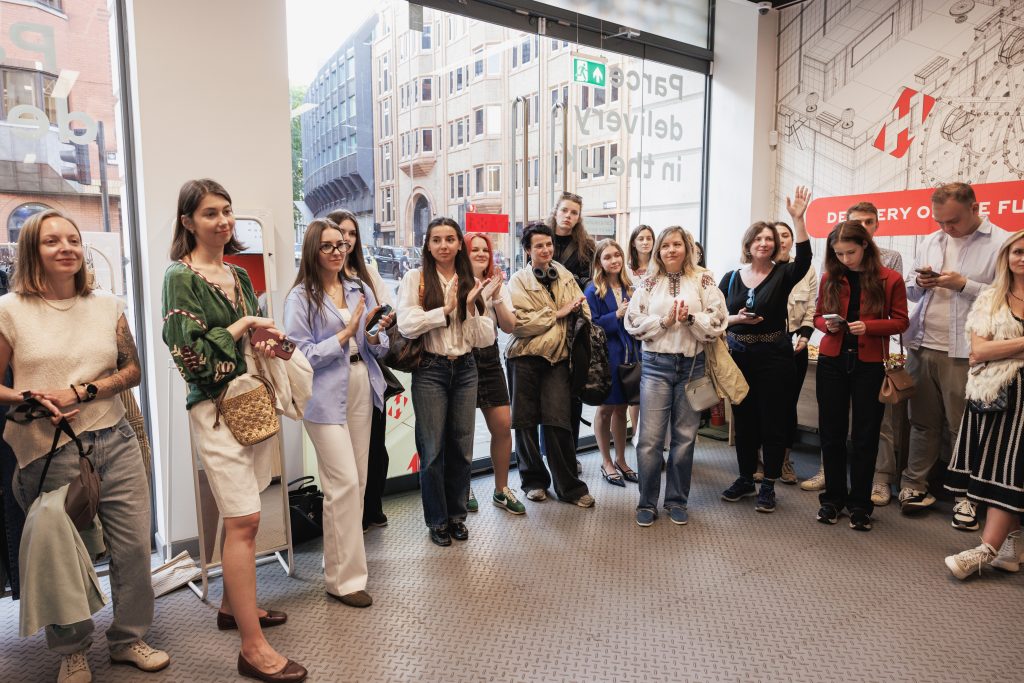
Today, Ukrainian books can be found in some British bookshops, including Foyles in London. Although the shelves remain modest in size, their very presence is a symbol that Ukrainian culture is alive and visible here.
At the same time, British bookshops continue to devote substantial shelf space to translated Russian classics.
“To compete, we need translation. We need Ukrainian books translated, new editions published, and Ukrainian culture presented to the world.”
Anna also noted that British audiences often view Ukraine primarily through the lens of war. While understandable, this perspective presents only part of the picture.
“Not everyone wants to read about war. And that is true.”
Her dream is to see British bookshops filled with translations of contemporary Ukrainian fiction, classic literature, children’s books, and art books — allowing Britain to discover Ukraine not only through news reports from the front line, but also through culture, aesthetics, language, and people.
Ukrainian Books Matter for Our Children
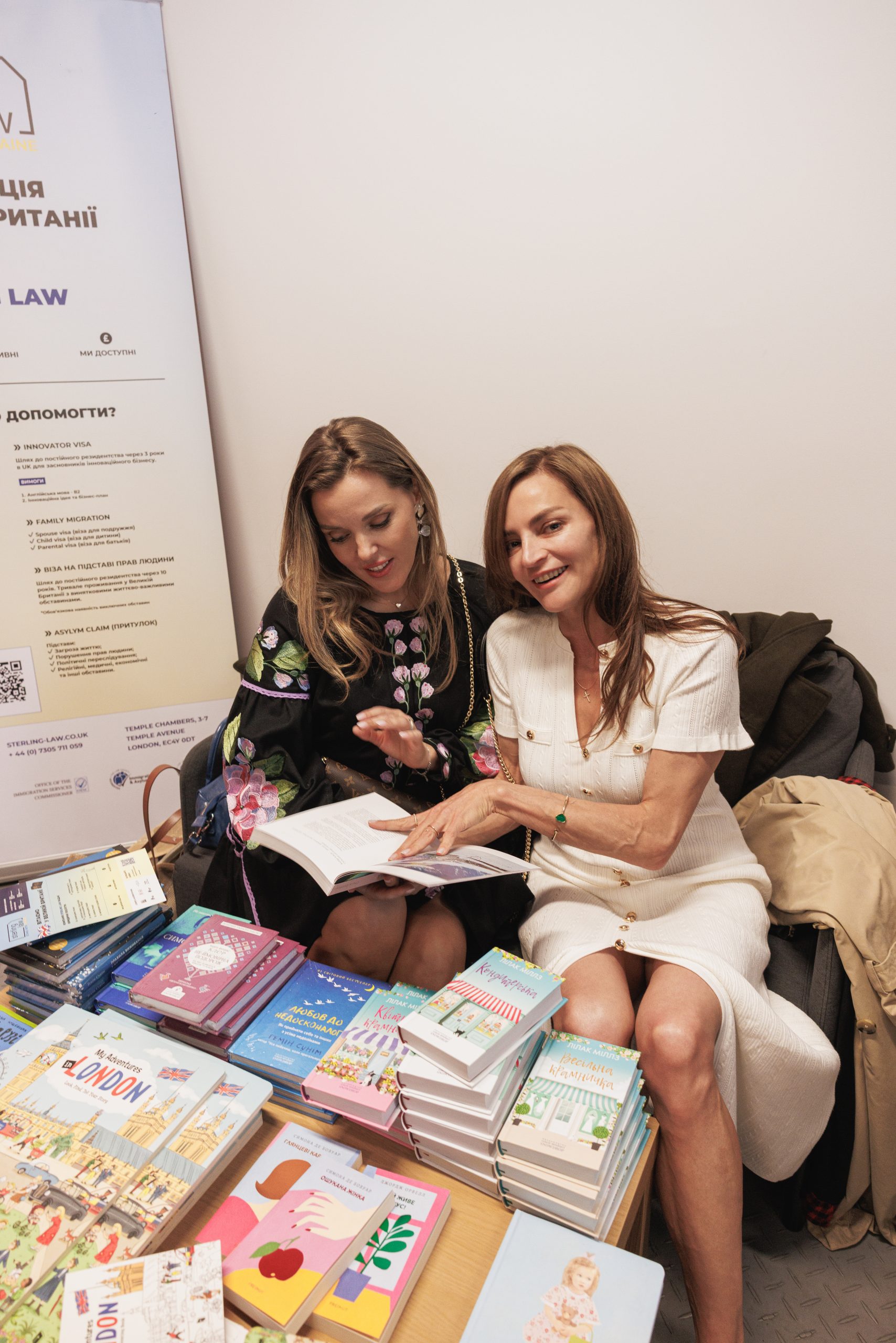
Anna shared the personal story behind a children’s book inspired by conversations with her own daughter after moving to the United Kingdom.
“The book brought together all of my child’s questions about London.”
The questions were not about tourist attractions or famous landmarks. Instead, they reflected a child’s observations: Why are the squirrels grey? Why do the houses look different? Why is everything unfamiliar?
Those simple questions became the foundation of a warm and deeply human story about a Ukrainian child adapting to life in a new country.
Anna stressed that it was essential for her to work with Ukrainian illustrators and printing houses.
“I believe our illustrators are the best.”
“I was very nervous while writing it. But I realised this was something important to talk about. It was both a professional and a deeply personal challenge for me.”
The publishing house is already preparing its next project — a new children’s book created in collaboration with the Victoria and Albert Museum, scheduled for presentation in June.
Ukrainians in Britain want to be seen not merely as people who have temporarily left their country because of war, but as a community that creates, works, and builds a new cultural space around itself.
Book Clubs
To promote Ukrainian literature in Britain, we first need to read more ourselves and inspire British readers to engage with it. One way of doing this is through book clubs.
In Kyiv and other Ukrainian cities, book clubs have long served as spaces for connection and discussion.
“We can meet, read the same book, and then talk not about our problems but about what we felt, what moved us, and what we enjoyed,” Anna said.
The Vesna Club in London is already doing exactly that. Yet there is room for many more clubs — in Manchester, Edinburgh, Bristol, and wherever Ukrainian communities exist alongside people who care about the language their children grow up speaking.
Another challenge discussed openly that evening was the growing tendency of children raised in Britain over the past three years to read primarily in English. This is natural. But reading in Ukrainian remains possible — provided there are books to choose from and opportunities to enjoy them together.
“We spend enormous amounts of money on translation so that you can read in Ukrainian — and in good Ukrainian. AI will not replace that. There is a tremendous amount of human work behind every book.”
We Do Not Need to Wait
Towards the end of the evening, Anna shared perhaps the simplest and most important message of all:
“We should not wait for someone else to do it. We simply need to say: I want to read in Ukrainian.”
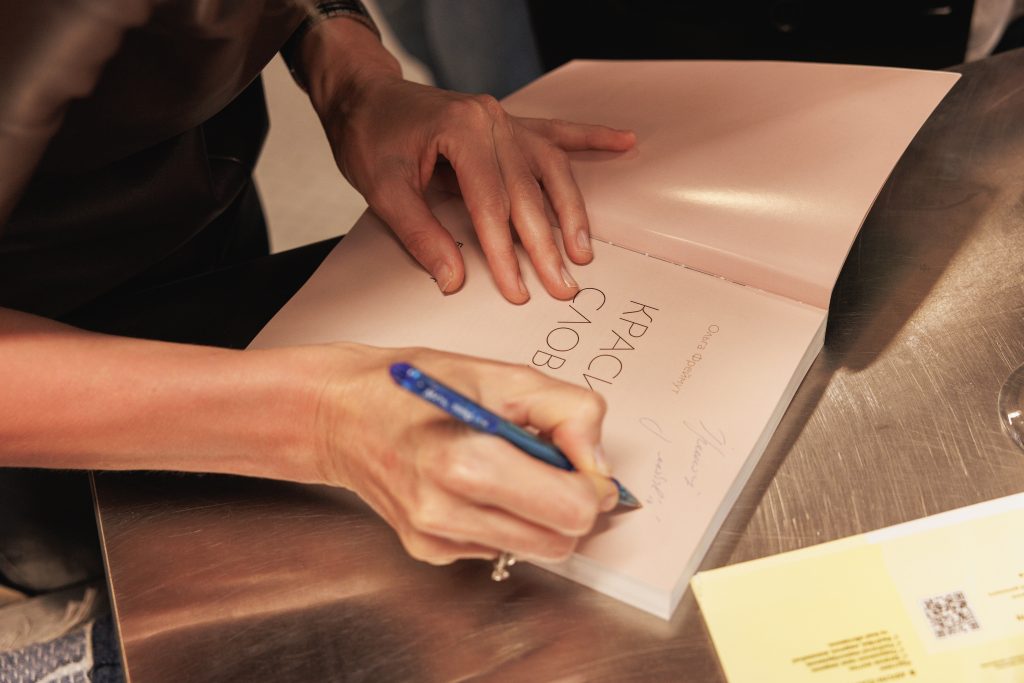
The books displayed on that table in London were printed by people who go to work under air-raid sirens. Halyna, who assembled some of those copies by hand, will never see them being read here. But they are here.
And that, perhaps, is what matters most.
Text: Olena Onyshchenko
Photography: Anna Nekrasova
Ukrainian Editor: Anastasiia Zanuzdanova
English Editor: Helen Lewis