British universities are about to re-open their doors to welcome students for a new academic year. Along with local youth, Ukrainians are also returning to the auditoria, where they are not just pursuing higher education, but introducing their experience, values and courage.
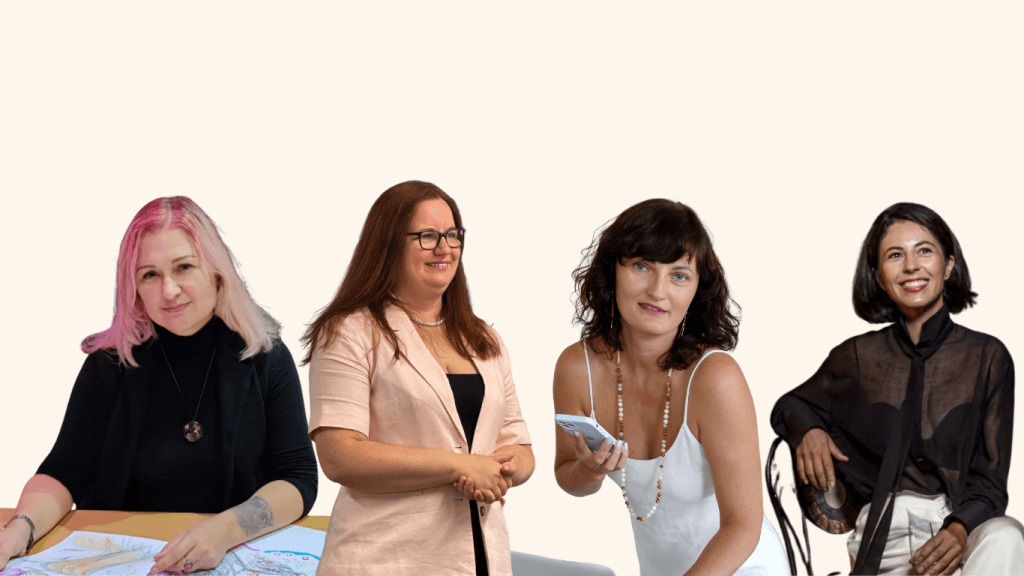
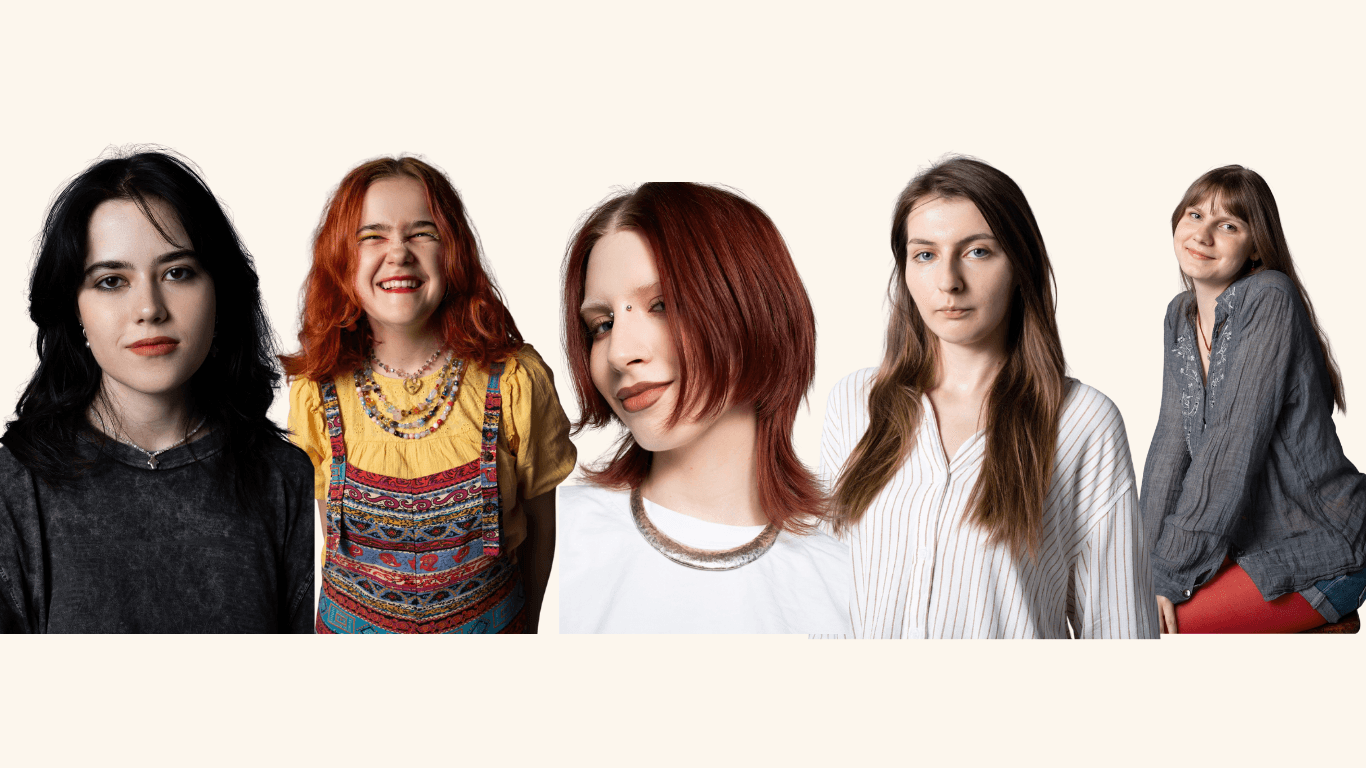
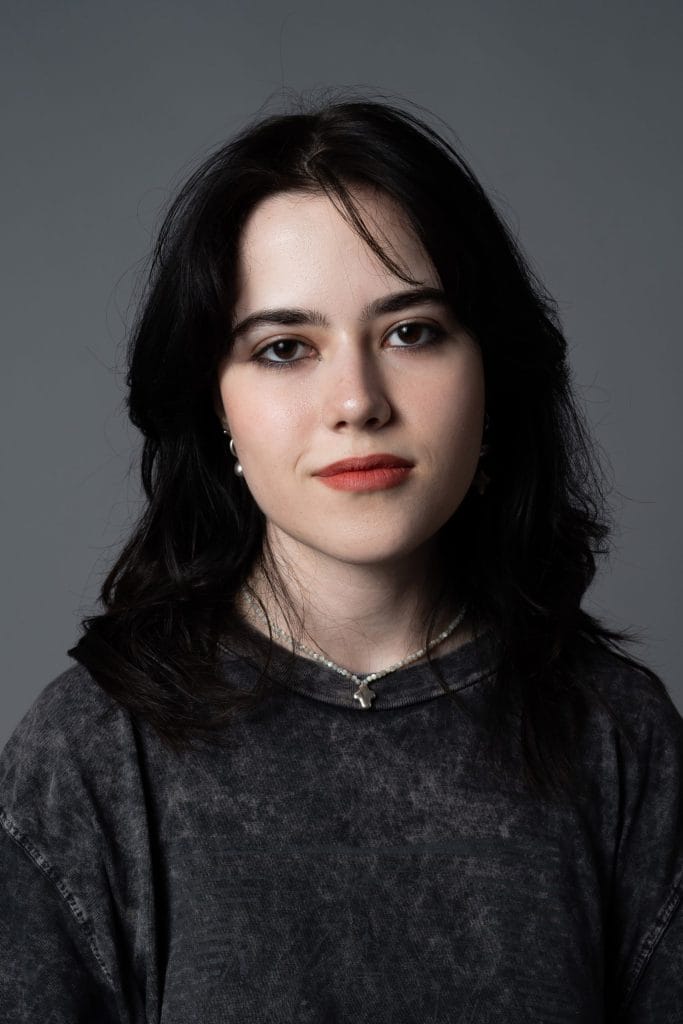
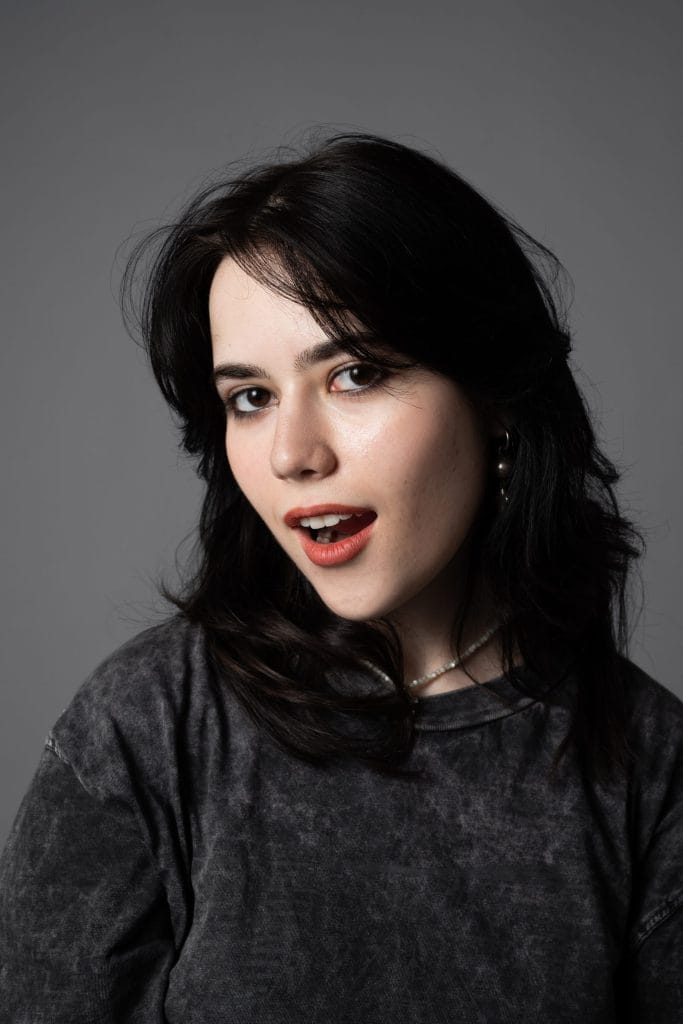
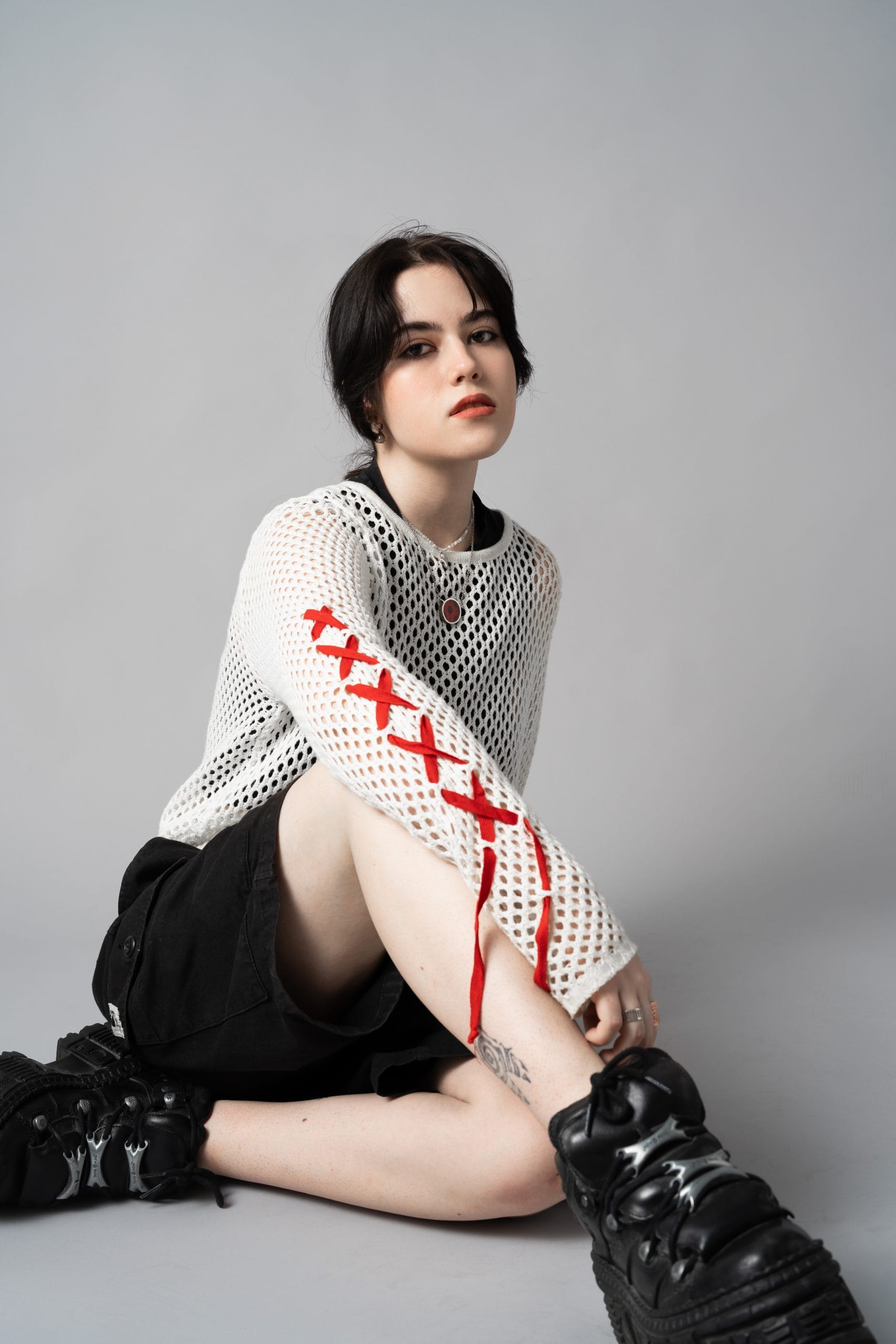
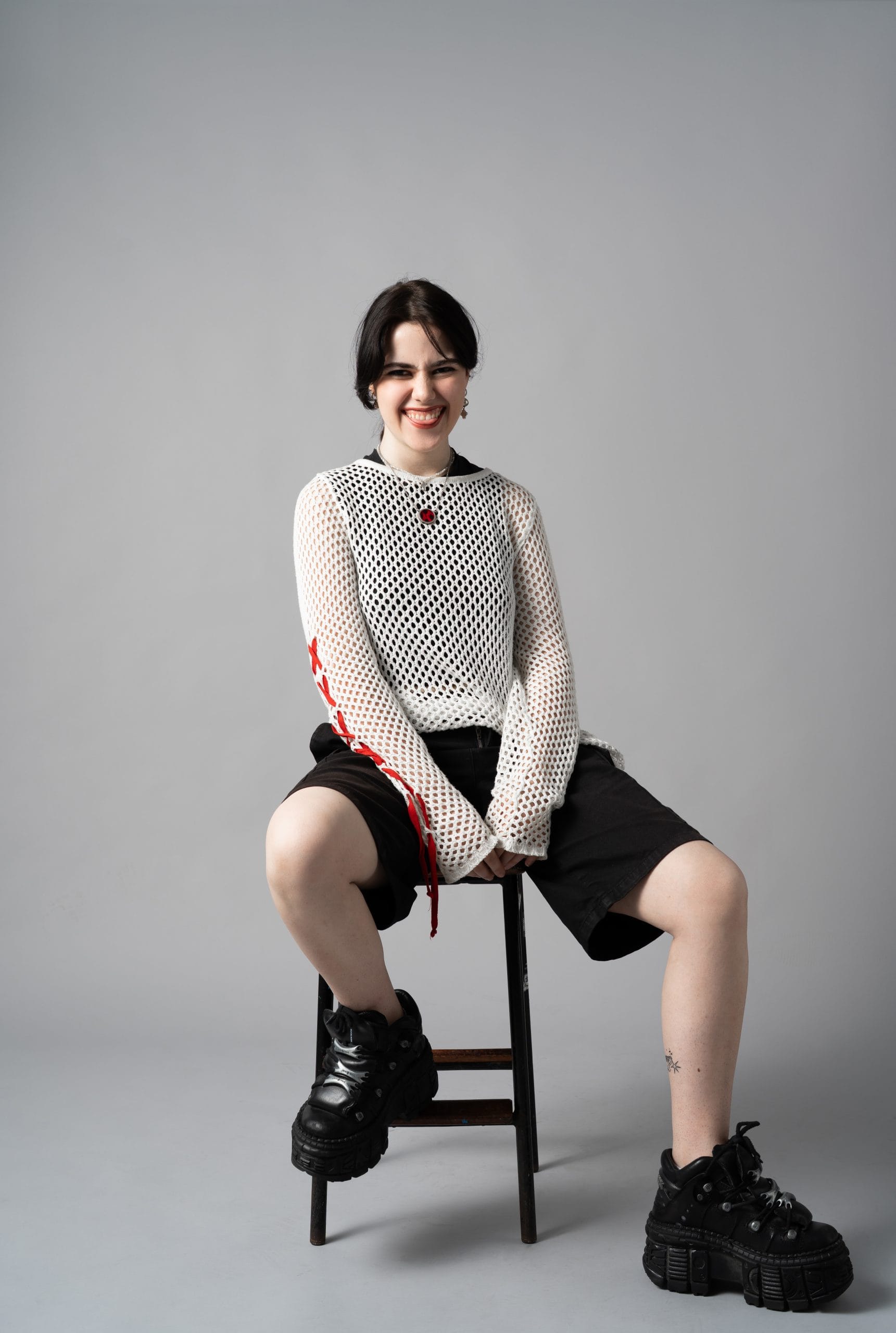
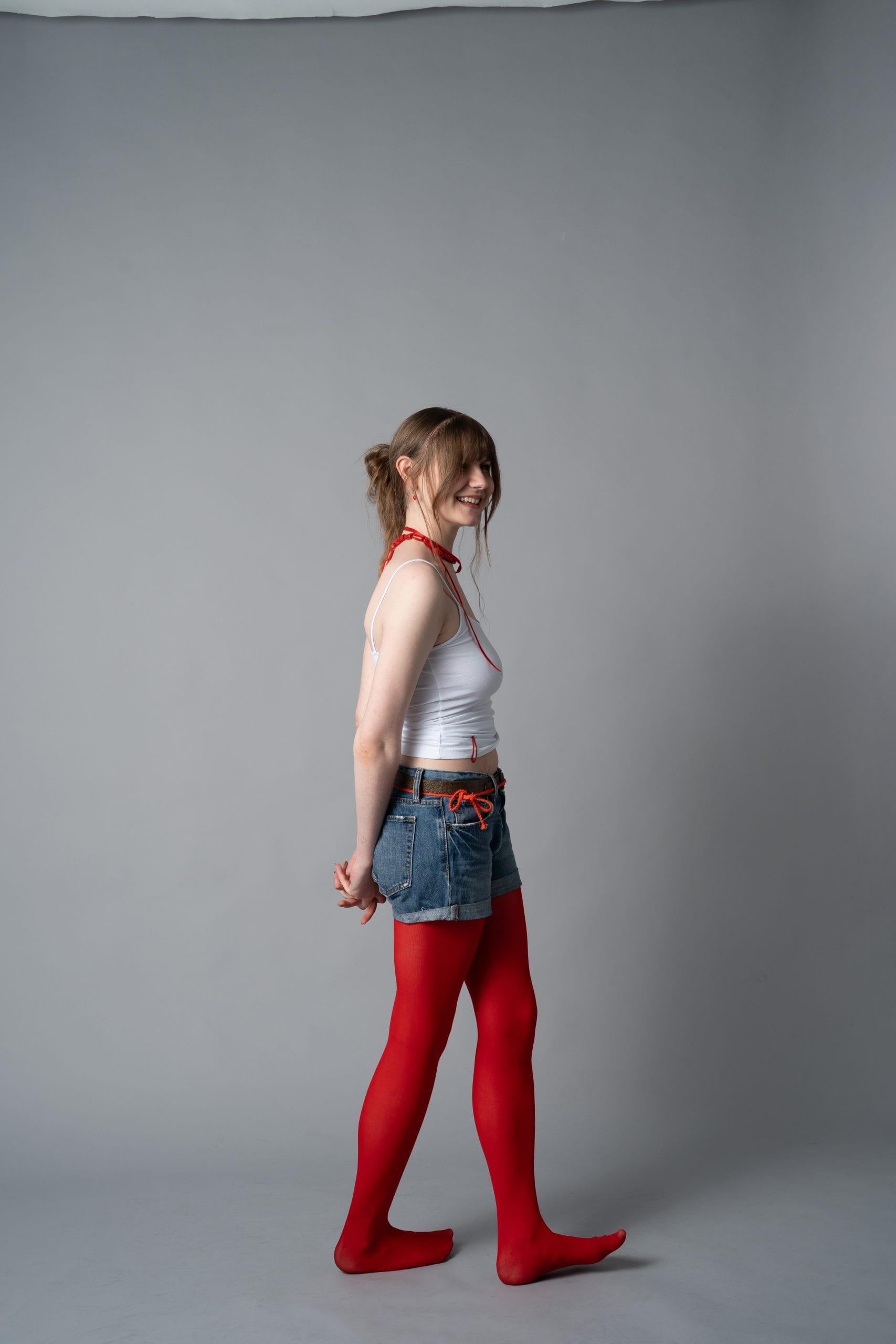
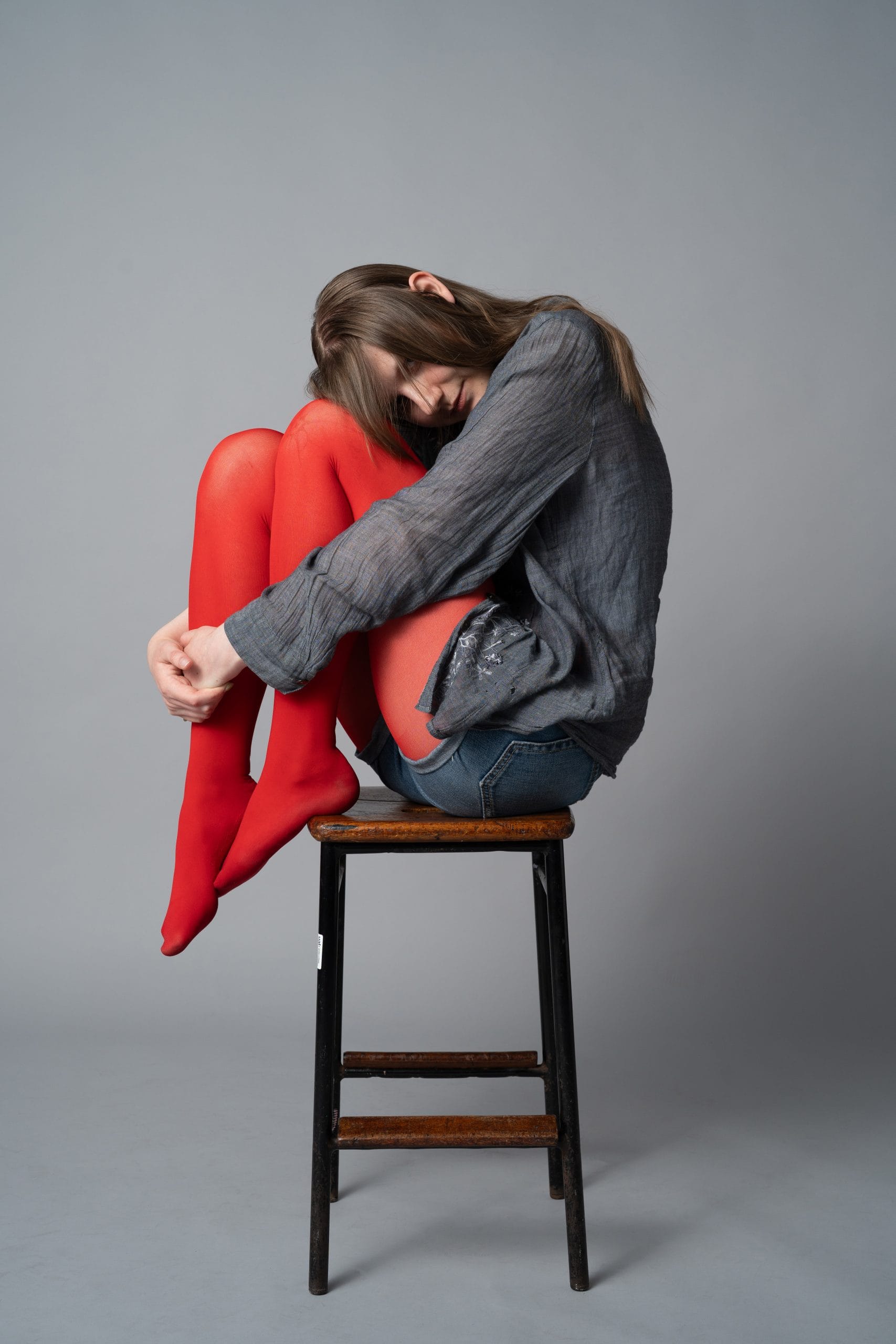
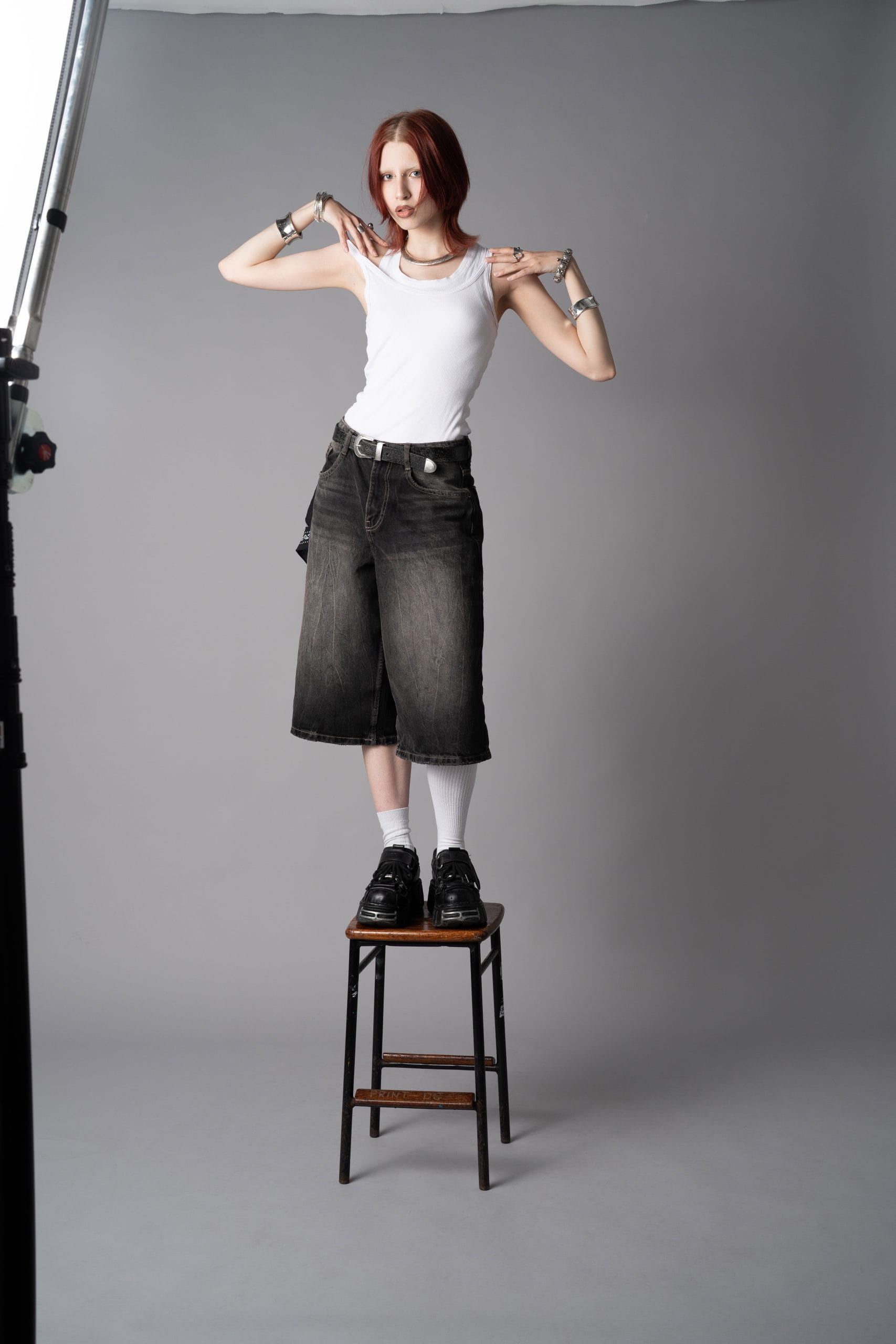
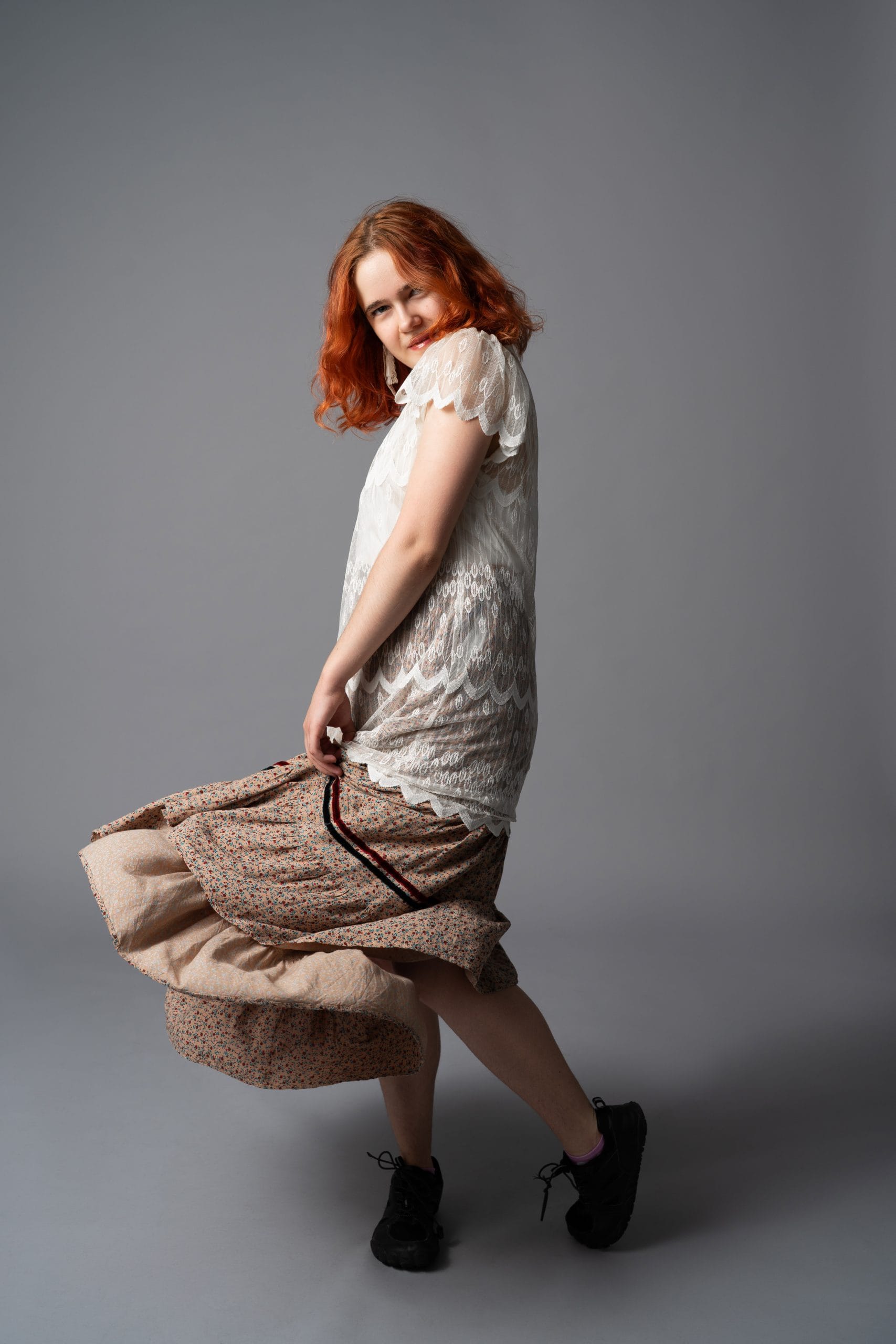
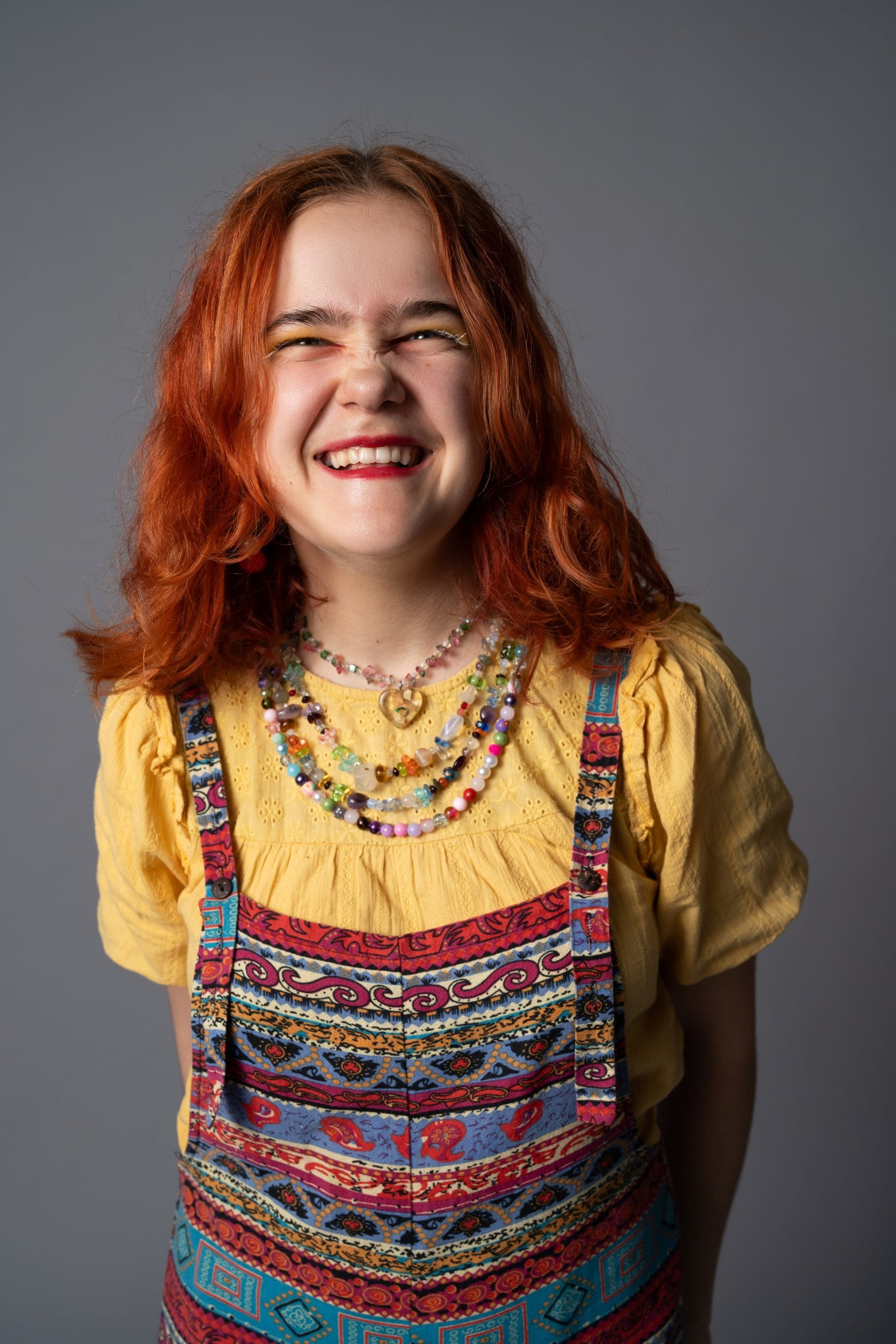
This is what Yana Kozar’s photo project is about. She collected stories of five Ukrainian students who are in the process of obtaining a degree at one of the colleges of University of the Arts London. She asked them all the same questions, but got very different answers: each one of the heroines has her own unique path.
During her studies, Elizabeth focused on inner work and radically changed her world view.
Anastasia created a powerful artwork about the war, having put her own experience and pain into it.
Uliana went through a difficult process of entering the university, but today she is a student, and her first artwork was a reflection of emotions of a 15-year-old girl, who had run away from the war.
Aryna is searching for a profession that could accommodate all her inner creative diversity.
And Katrusia is proving that Ukrainian students can be strong, sincere and very talented.
Their stories are a call to dream boldly.
Aryna Asadchais from Kyiv. She studies Computer Animation & VFXat London College of Communication (University Of Arts London).
Why have you chosen this discipline?
I have been moving towards arts since middle school, however, until the very last moment I wasn’t sure about what exactly I wanted to do. It’s important for me that a profession not only satisfies my needs for creative development, but also includes diversity and several areas of activity – otherwise I will get bored very quickly.
In high school, I developed a passion for cinema and a desire to immerse myself in this world. And the question arose: art or cinema?
Working in 3D animation and VFX allows me to combine my love of creating illustrations and developing visual concepts with the world of cinema. Before starting the course, my experience in this field was quite limited, but with a great thirst for knowledge, I learn new things with each project.
What did the university admission process look like?
Since our university specialises in creative practices, the admission process and expectations from the application were somewhat different from others. I moved to England due to a full-scale war and completed an A-level program in London, which prepared me for further education in the UK.
My teachers at school were incredibly supportive in helping me to choose a university and during the admissions process. The main task was to write a student statement to support my application. However, unlike many other fields, in creative specialties, a large role in the assessment for admission is given to the portfolio and the ability to convey a creative vision.
Applying to university is always a worrisome process. My secret was the support I felt and the hard work I put into it.
What do you love and hate about your studies?
The most impressive thing for me is the multiplicity and diverse attitude towards learning itself. During the first year of study, our teachers mainly focused on developing skills in observing the world, the ability to see things from a new angle. To create realistic effects or models in a digital environment, you first need to learn to see the real world in all its complexity and detail. In addition, we had the opportunity to get acquainted with the physical creation of miniature models, character design, the history of animation, working with professional cameras, and studying the basics of cinematography.
However, there is another side to the medal, which also has to do with multiplicity. Quickly switching between completely different disciplines, which are not always directly related to practical work, is sometimes disorienting and overloading. On the one hand, it is interesting and useful, but on the other, at the beginning of your journey, it is so easy to feel a little lost. Also, it would be beneficial if the course paid more attention to the technical part, because it can be quite difficult to master everything on your own.
Does it matter during your education that you were born and raised in Ukraine?
My course is very international, and my relocation does not directly affect my professional activities. However, in my social life and collaborations, I always try to share my heritage with others: I discuss and refer to Ukrainian culture and artists in my works, I share music and traditions. I also emphasise the importance of supporting Ukraine.
Sometimes it can be difficult to explain to people how I feel about my country, friends, and family, especially after reading the news or when colleagues or teachers mention events in Ukraine. It’s also a struggle to constantly fight against people who romanticise Russian art.
However, I am very grateful to fellow students and those around me who always sincerely support Ukraine, for being curious, and for respecting my culture and history.
Which creative work — your own or one you’ve encountered — has left the strongest impression on you, and why?
During this academic year at UAL, I worked on many different projects — coursework, and collaborations with film students in various production roles. The most memorable work is a Ukrainian short film called Remain, directed by Ester Chaikovska. In this project, I helped to create props for the setting and I played a starring role in the film. It was a great experience to be part of a Ukrainian team that felt like a little “bubble” of home. This team not only gave me days of inspiration and professional growth, but also became a real community of people with whom I still maintain close contact and collaborate on new projects.
Contact Aryna via Instagram @aryasa_artstuff
Uliana Shcherbak is from Dnipro. She studies Fine Art at Central Saint Martins (University of the Arts London).
Why have you chosen this discipline?
I have chosen fine art because I wanted to establish myself as an artist. Right now, I want to work on my art and exploit it to express what is important to me. Eventually, I will move on to a more narrowly focused speciality.
What did the university admission process look like?
In 2024, when I was applying for the university, I had already lived in the UK for two years – I moved due to the full-scale invasion of my country. The process was complicated – a completely different system of applying to what I had knowledge of, and I had to work out everything, from creating the portfolio to financial matters. In addition to that, there was a problem with my passport, which had expired, and I couldn’t get a new one for nine months. There were a lot of difficulties with admission and applying for student loans, but I was lucky because my secondary school was very supportive and helped me figure everything out.
What do you love and hate about your studies?
What I like most is how paradoxical my studies are. Because in reality, I don’t really ‘study’ that much in a traditional sense. Most of the time, I work independently on my own projects. The university helped me find friends and artists who inspire me and who I can collaborate with. At the same time, I feel that I am developing as an artist.
But I have to say that I still lack the traditional ‘studies’. The lectures take about two hours a week, but I would like to have much more. So that I can learn not only about contemporary artists, but also about the history of art.
Does it matter during your education that you were born and raised in Ukraine?
The fact that I am Ukrainian has a big impact on my education. Here in London, we are in an environment with a completely different mentality and language to Ukraine. For example, it is more difficult for me to understand my classmates or teachers, even though I speak English quite fluently. News from Ukraine can be very distracting, but at the same time, it motivates me to work harder. I believe that I have the privilege of living a peaceful life, and I should do everything possible to thank my host country for it, while at the same time helping Ukraine to keep fighting.
Which creative work — your own or one you’ve encountered — has left the strongest impression on you, and why?
I am currently in my creative search, so I don’t have a favourite work, but the most memorable is the very first and most important work for me. It is called ‘Hope for the Future’ and describes many turbulent and confusing feelings that I had at the beginning of the full-scale war. It’s about a lost sense of hope, and an enchanted contemplation of once relevant dreams, plans and a peaceful past. Everyone can see and feel something of their own in it. It is very dear to me and special because it is the embodiment of that 15-year-old girl who was forced to leave her home.
Contact Uliana via Instagram @kushch0
Anastasia Kozak is from Chortkiv. She studies Graphic Communication Design at Central Saint Martins (University of the Arts London).
Why have you chosen this discipline?
I am quite fickle, so choosing a future profession was difficult, because it had to be something that would allow me to be anyone, but at the same time, stay within the framework of one industry. At first, I found out about the profession of a graphic designer at college. During that period, I spent a lot of time drawing, but it stayed a hobby for relaxation. Design for me is the freedom to choose what to create.
I love to create things that make sense. It is exciting to invent new worlds through design. Today I can develop a logo, tomorrow work on a campaign design, and a week later – create a concept for a brand that will exist in 2050.
What did the university admission process look like?
I have lived in the UK since I was 11, so my story is different from most Ukrainians who study with me. The admission process is quite simple: you need good grades and an application through UCAS. Even without an interview, I got into the campus that is most difficult to get into. My advice to those who live in England and dream of entering UAL is to sign up for free courses from the university. This will help you form a portfolio in the format they expect, gain knowledge and understand which direction is right for you. The most important thing is that you can find your own style here, because they create a space where you try out different areas yourself, and it is also completely free. It is really worth the effort. I used to be an ambassador for prospective students on these courses: I shared my experience and helped them to form a portfolio for admission.
What do you love and hate about your studies?
I love that my course focuses on how we think, creating a space where you get to know yourself better. Our course is realistic – projects last no longer than a month. There are many resources available: printing workshops, a printing house, photo studios, etc. The only thing to hate is that we are not taught how to use technologies like Adobe or Blender. We have to learn them ourselves, which can sometimes be frustrating. The teachers want us to think more broadly and not limit ourselves to programs, so that in the future, we are able to create something of our own.
Does it matter during your education that you were born and raised in Ukraine?
Even though I’ve lived here for many years, I still have many friends from Ukraine. It’s always been easy for me to adapt; I just find a connection with Ukrainians, because we are united by the country of birth.
Which creative work — your own or one you’ve encountered — has left the strongest impression on you, and why?
My favourite artwork is a painting about war. This was a project that I dedicated nine months to; it was the most difficult because I had to let a lot of pain through myself to convey it on canvas. Once, a person, looking at this painting, cried. For me, it was extremely important: I was able to recreate exactly what I wanted.
Contact Anastasia via Instagram @anaakozak
Elizabeth Kislyan is from Kyiv. She studies Graphic and Media Design in London College of Communication (University Of Arts London).
Why have you chosen this discipline?
I am quite a versatile person, I am interested in many creative fields and did not want to limit myself to something narrowly focused – that is why I chose graphic design. This speciality combines everything that interests me, so it was the best option.
What did the university admission process look like?
I lived in Prague since the beginning of the full-scale invasion, but after a year and a half, I moved to England and enrolled for a foundation year at Ravensbourne University, which was a mandatory requirement of our university. The admission process felt quite easy to me, I was even surprised. I used to think that only prodigies or children from very rich families study at universities in England. I do not consider myself to be either of those. During admission, I did everything myself and did not use any additional services. The most difficult part of this process was understanding the UCAS platform.
What do you love and hate about your studies?
The sense of community is what I love the most. This is very important for creatives because we often feel like black sheep in society. I also like the freedom in projects; we are almost not limited in any way. However, it made me realise how limited I was, because at first I was uncomfortable with this freedom. In the Ukrainian educational institutions where I studied, there were quite strict frameworks of what could be created and what could not. It took me some time to get used to it. I still panic a little when they do not give clear instructions. This leads to the main disadvantage – the organisation of the learning process. Most of my education is self-study; we have almost no lectures and theory. I was really surprised by the absence of subjects such as design history, colour theory, etc. The teachers here are more like mentors who guide us through the learning process, rather than lecturing us. In Ukraine, they teach much more theory, but often too much of it. If the theoretical approach from Ukrainian educational institutions and the practical part from English universities were combined, there would be an ideal balance.
Does it matter during your education that you were born and raised in Ukraine?
At the university, Ukrainians have an easier procedure for applying for a deadline extension, we can ask for psychological support or permission to skip classes for personal reasons. They take mental health quite seriously here. Regarding socialisation, the difference in mentalities really affects communication. All my Ukrainian friends agreed that it is more difficult to make friends with the British than with other Ukrainians. We have different views on friendship and different needs in communication. It is often unclear whether a person is just being polite or really wants to be friends, which can lead to misunderstandings.
Which creative work — your own or one you’ve encountered — has left the strongest impression on you, and why?
It’s hard for me to choose just one, but there was one exhibition that had a huge impact on me as an artist. When I lived in Prague, I visited an exhibition called “Pain of Others” at DOX – about different totalitarian regimes, their absurdity and cruelty. It was after the start of a full-scale invasion of Ukraine and I was looking for answers to the questions “Why did this happen? Why us?”. During that time, I was catching up on my missed history lessons and dispelling the information fog of Russian influence. This exhibition became another brick in the foundation of my world view.
Contact Elizabeth via Instagram @fraubaton
Katrusia Logvinenko is from Staryi Bilous, Chernihiv. She studies Acting and Performance at Wimbledon College of Arts (University of the Arts London).
Why have you chosen this discipline?
Sometime during secondary school, I decided that I wanted to be an actress when I grew up. Since the time when I was in a role at a school performance, my tongue was given freedom, I could not stop anymore. I have many romantic ideas about being a Ukrainian actress, but most importantly, I want to be a part of my culture, develop and contribute to it. I have many ideas, a bright personality, and the theatre calls me to express myself.
What did the university admission process look like?
I moved to England in search of refuge, but I considered studying here because the country is English-speaking and I had no problems with the language. To enter university, I completed a two-year BTEC in Musical Theatre. I entered using my results from the course. The process was not complicated; there were no difficulties. There was just a lot of anxiety, because I had interviews at each university. I waited the longest for an answer from UAL. They accepted me, and now my university is like home. If I could, I would live there.
What do you love and hate about your studies?
The number of opportunities is what I love about my university, because there is a lot of room for development. My course does not limit me in my profession. Teachers keep telling us to develop and find ourselves. I can learn technical skills behind the scenes: working with sound and light. I have access to powerful equipment for filming and workshops, where I can create my own set design or masks. I am more of a creator rather than just an actor, so the limitlessness of my development is very exciting.
What annoys me is the lack of seriousness of my classmates. Many of them simply do not show up for rehearsals, and when a project depends on group work, there is nothing to be done about this. We have such an amazing field for development, there are so many opportunities to create cool projects together, but when half of the group is missing, it really feels like “burning” inside.
Does it matter during your education that you were born and raised in Ukraine?
Being a Ukrainian in my course means constantly hearing ‘I’m sorry’ and seeing the fear of a deeper conversation. But I would be happy to talk about Ukraine, if you let me, I won’t stop. The teachers sometimes worry about retraumatizing me, but the only thing that triggers me is the Russian students in my course and the impossibility of avoiding working with them. I maintain professional communication, but if I could, I would prefer to avoid any contact.
Which creative work — your own or one you’ve encountered — has left the strongest impression on you, and why?
My favourite work during my studies was my research of the Italian Comedia dell’Arte theatre and creating our own small performance based on Carlo Goldoni’s ‘The Servant of Two Masters’. Our task was to add a social, political, or ecological context to it. Our group decided to explore inequality and the cycle of tyranny. It was a bright and dynamic production. We were transforming into comic characters, learning to acquire different behavioural mannerisms and different physicalities. Our group was really united by a common idea, and I got great pleasure from working as a team.
Contact Katrusia via Instagram@katrusia_ta_sho_bilka
Photo credit: Yana Kozar Author of the idea: Yana Kozar Editor of Ukrainian language: Anastasia Zanuzdanova Editor of English language: Helen Lewis
Yana Kozar
A photographer whose practice is rooted in deep understanding and collaboration with the people she photographs. She has been working in photography for over ten years, gradually moving from commercial work towards socially engaged projects and community-based practice. Yana also runs charity workshops in analogue photography and uses both image and video to tell stories about Ukrainian culture to English-speaking audiences. She is currently studying Photography & Creative industries at the University of the Arts London. Her favourite colour is light lime green.

 Contact Aryna via Instagram @aryasa_artstuff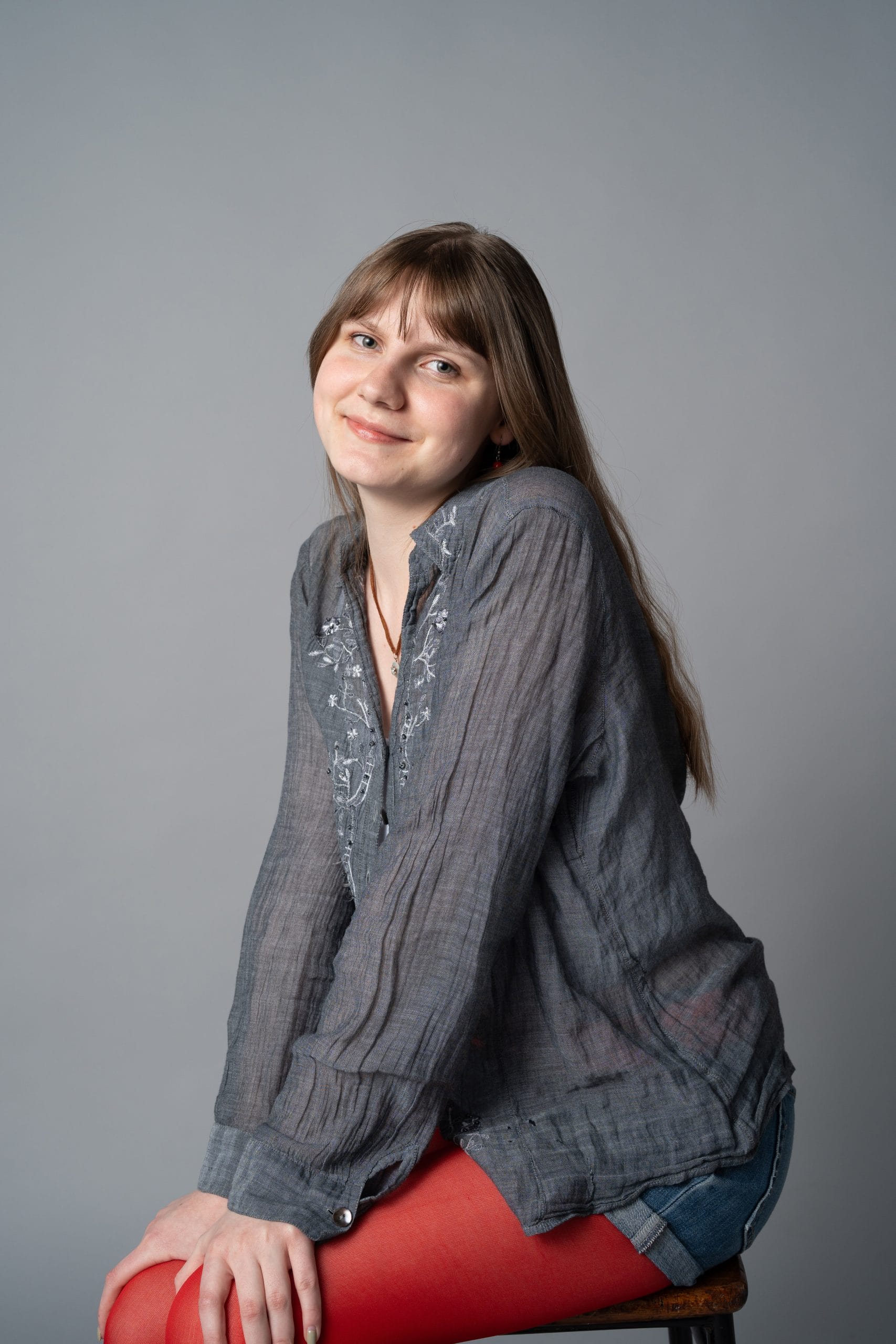
 Contact Uliana via Instagram @kushch0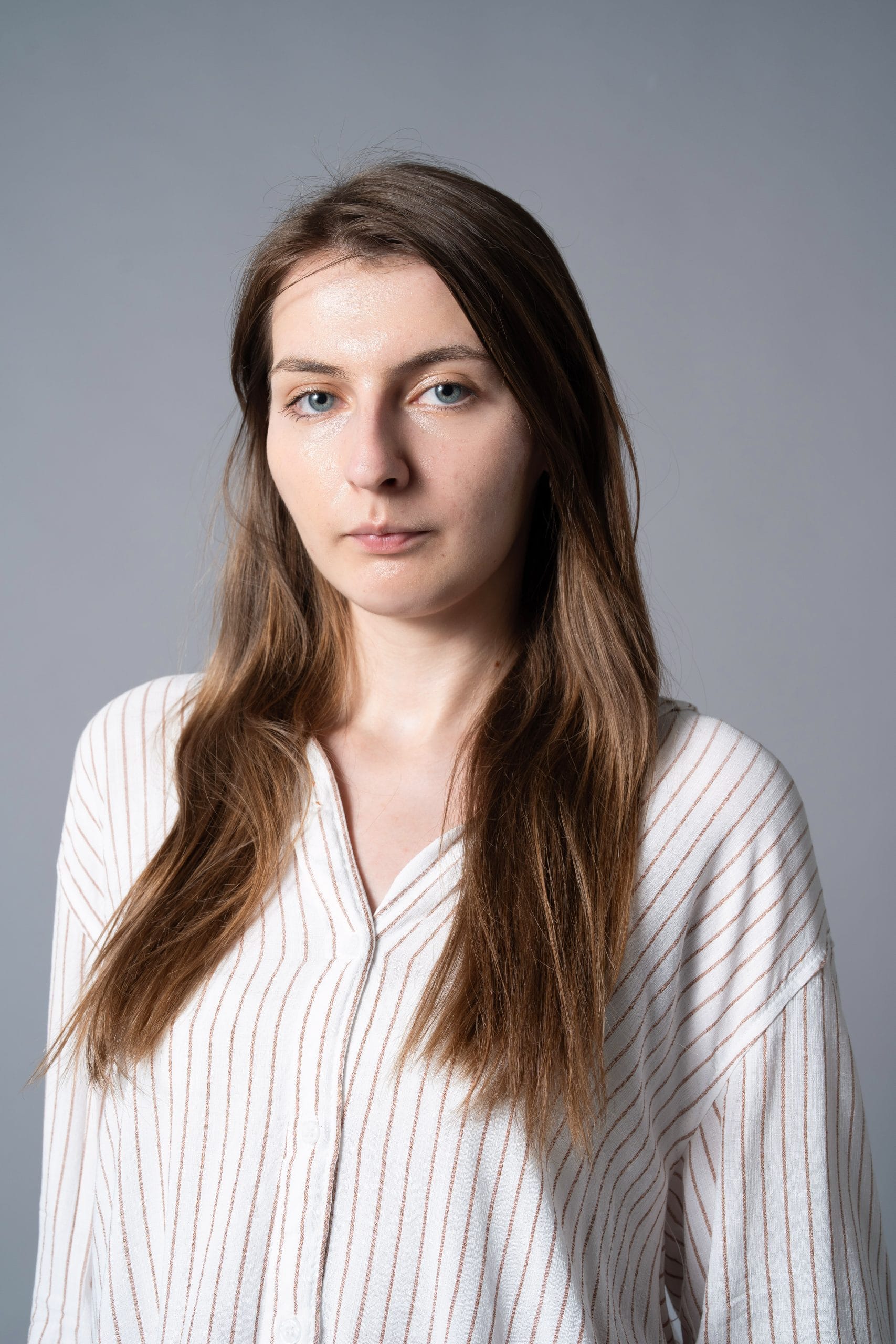
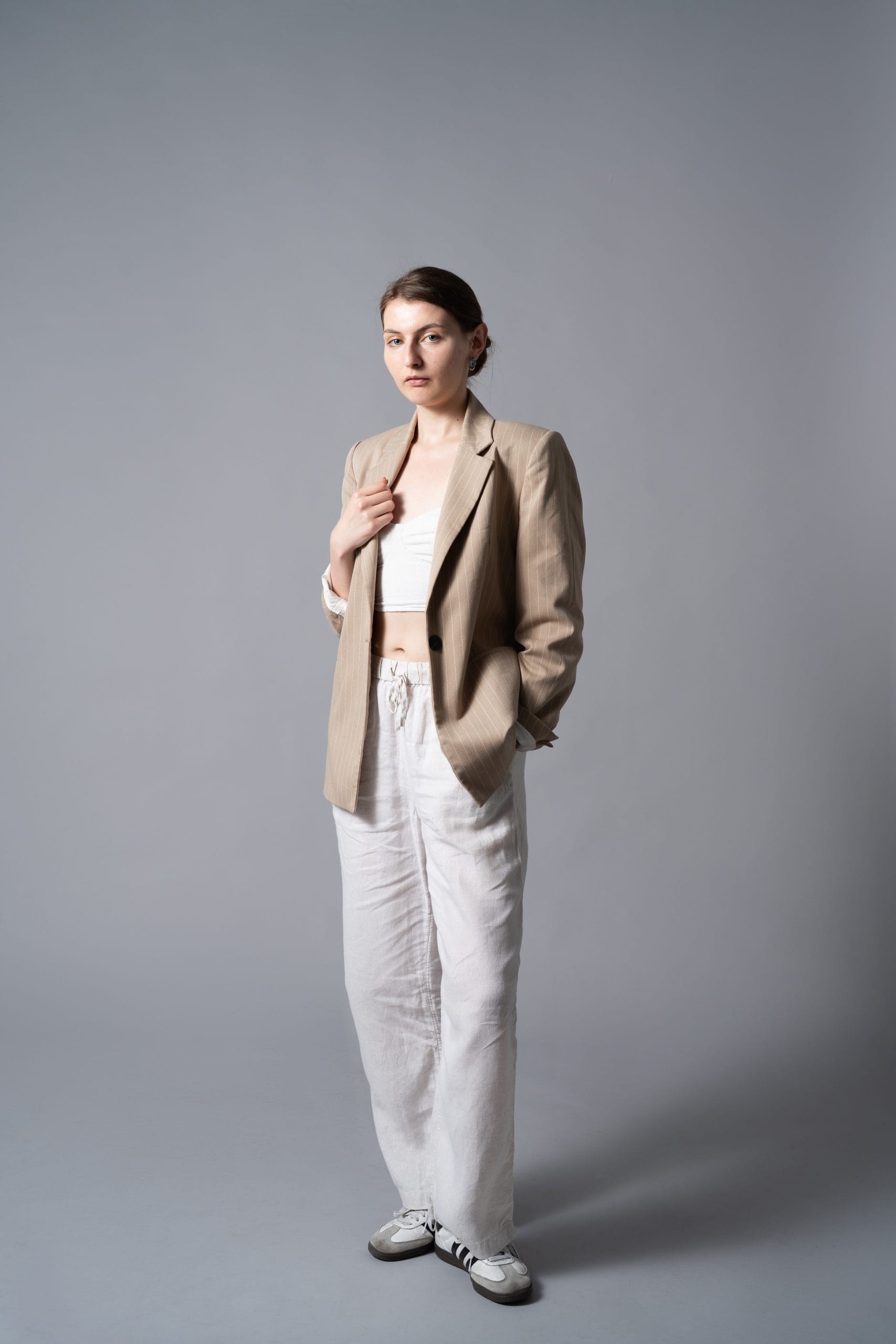
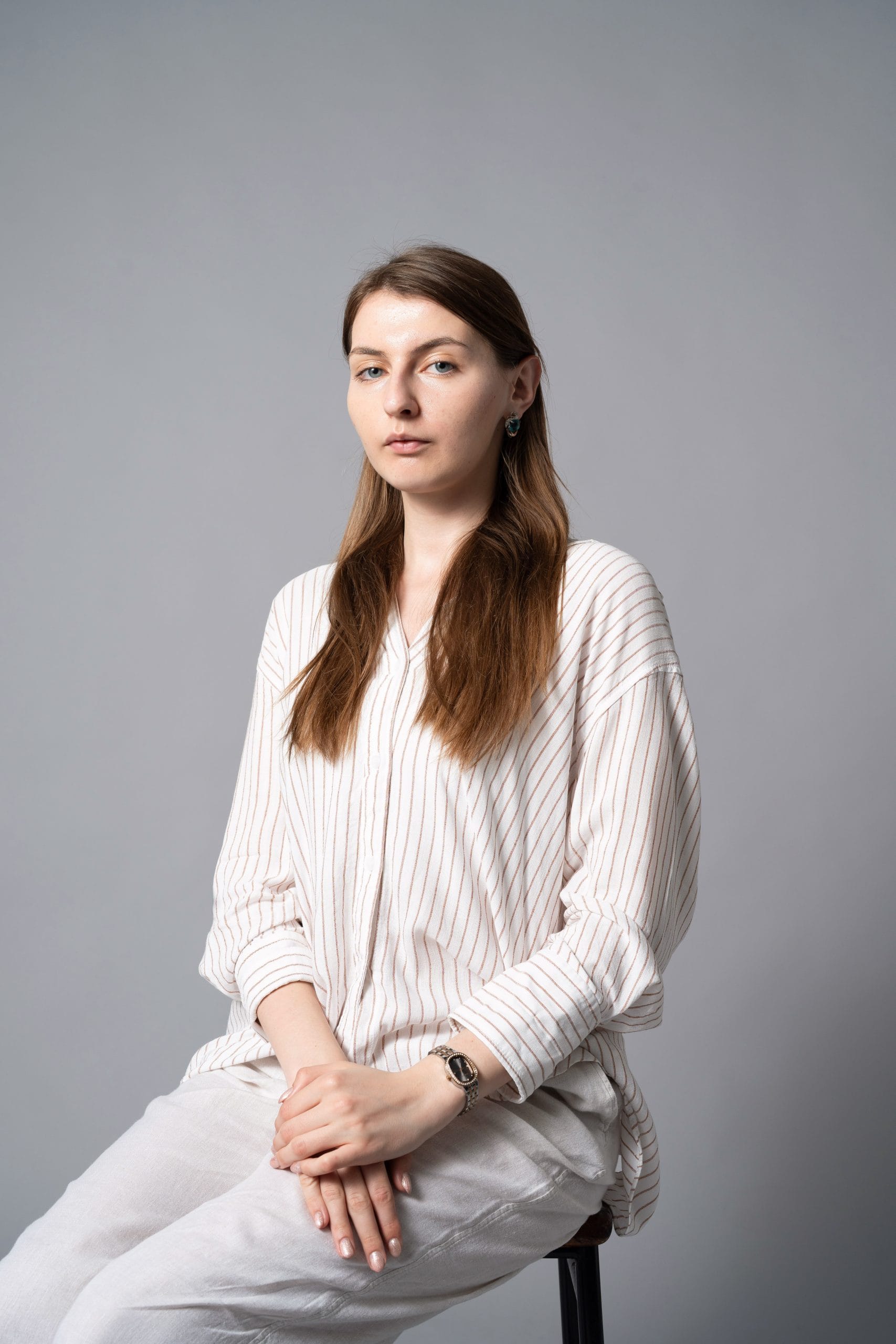 Contact Anastasia via Instagram @anaakozak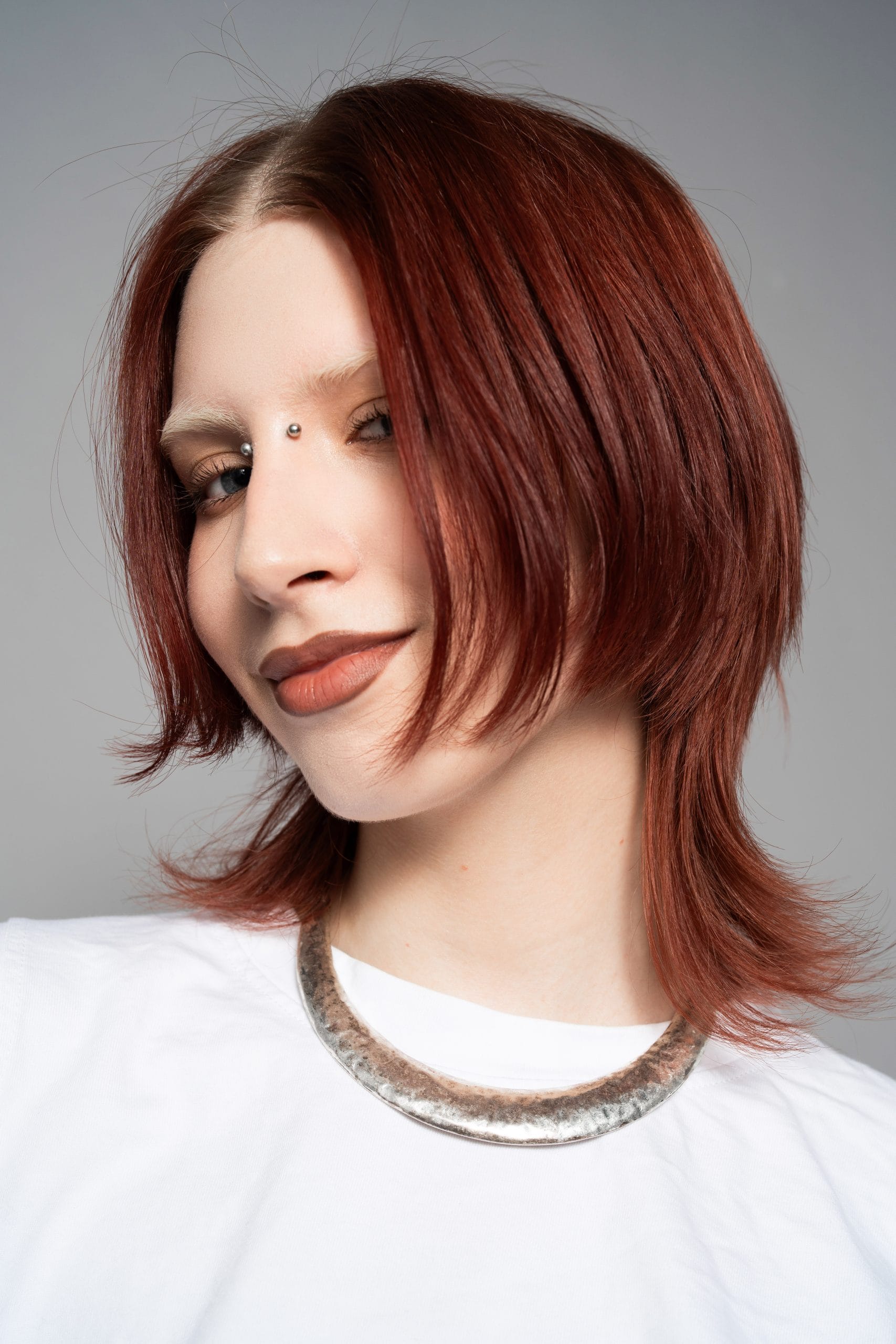
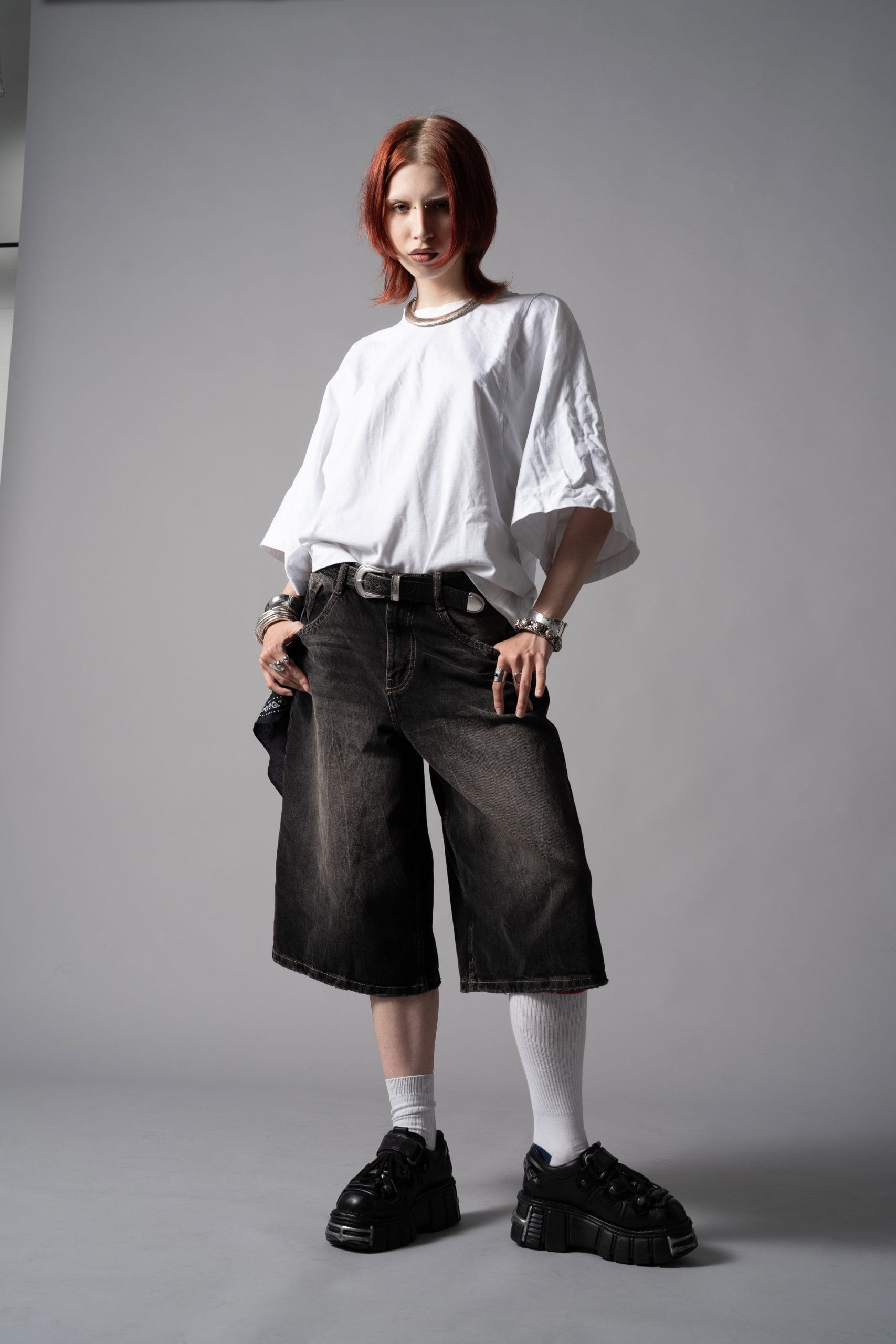
 Contact Elizabeth via Instagram @fraubaton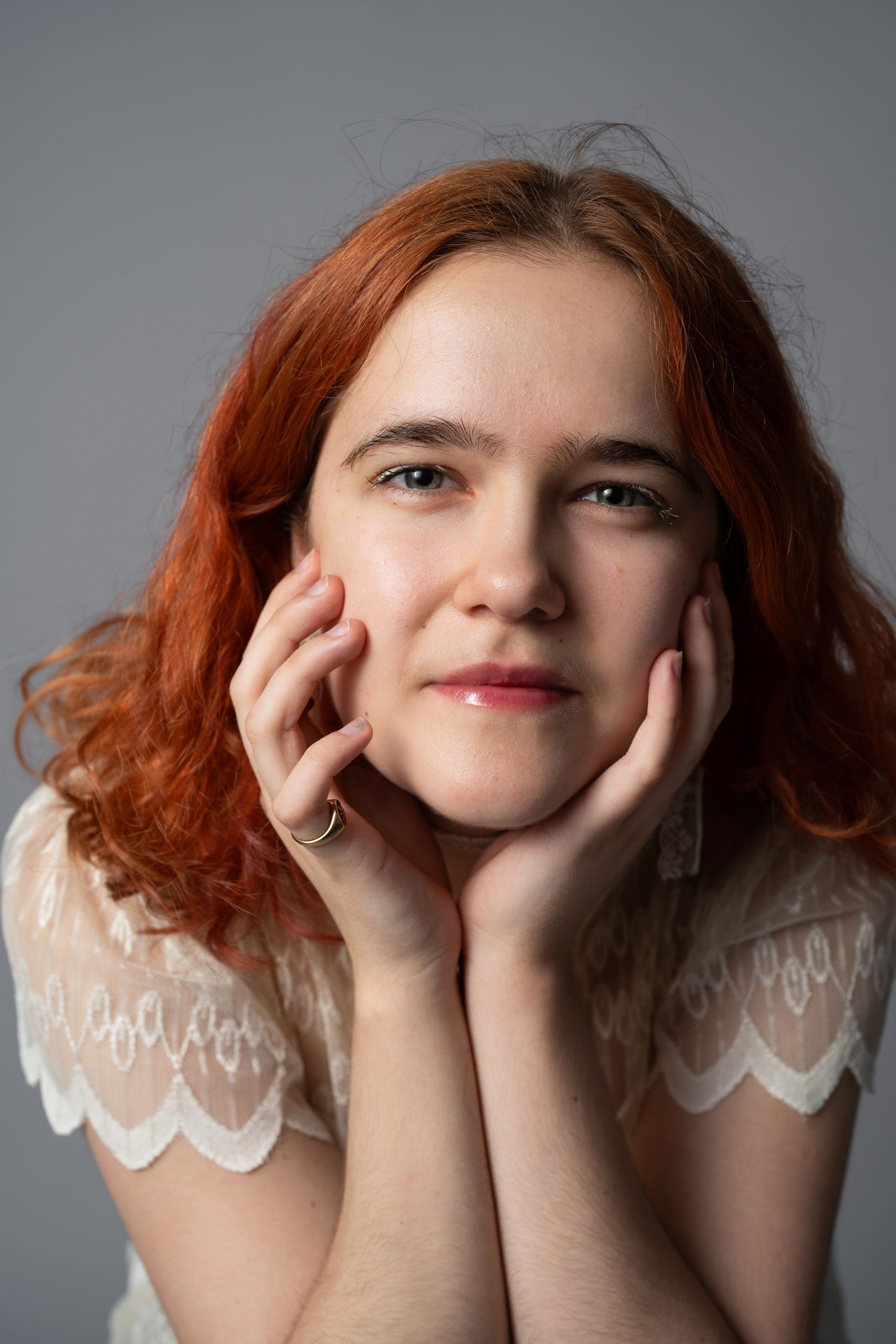
 Contact Katrusia via Instagram @katrusia_ta_sho_bilka