It has only been a few months since the choir Homin went viral on TikTok. Their rendition of Tsei son (“This Dream”), set to music by Stepan Hiha with lyrics by Anatolii Fihliuk, was uploaded by the choir’s communications manager, Liudmyla Burda — and suddenly life changed.
Although the ensemble has a nearly 40-year history and had long considered the Lviv Organ Hall its main stage, Homin is now experiencing an entirely new chapter. Their first national tour sold out in days — sometimes hours — and a European tour is now on the horizon. Their concerts draw audiences of all ages, and the halls are packed.
Alongside their artistic work, Homin has taken on a fundraising mission. Recent sold-out concerts doubled as charity events: post-show auctions, merchandise sales and donation drives in the foyer have already raised nearly 4 million UAH (around £85,000) for the Ukrainian armed forces.
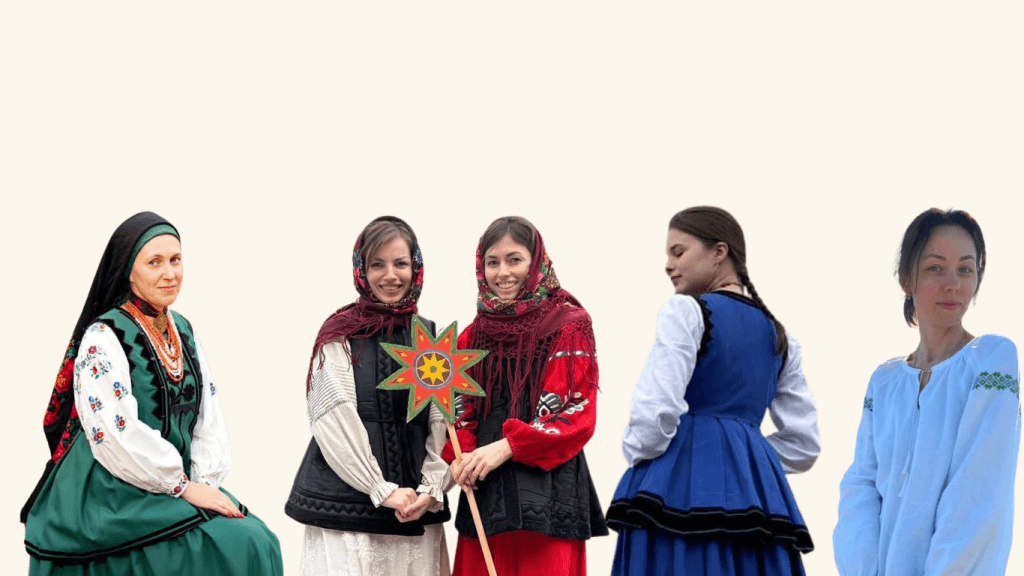
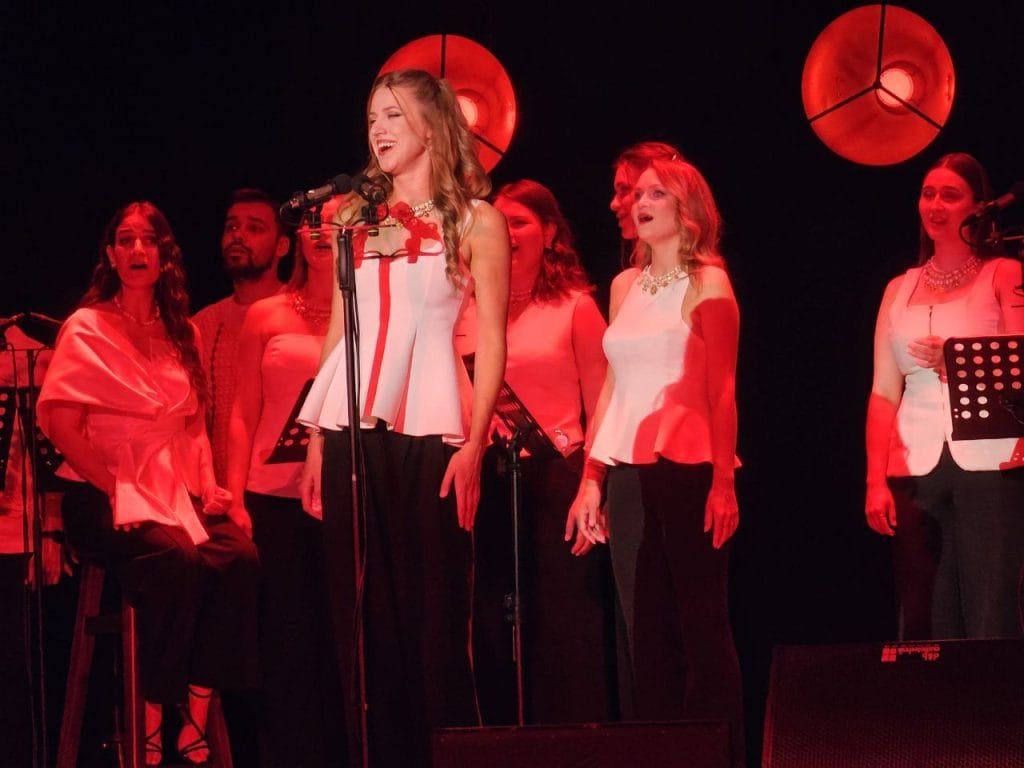
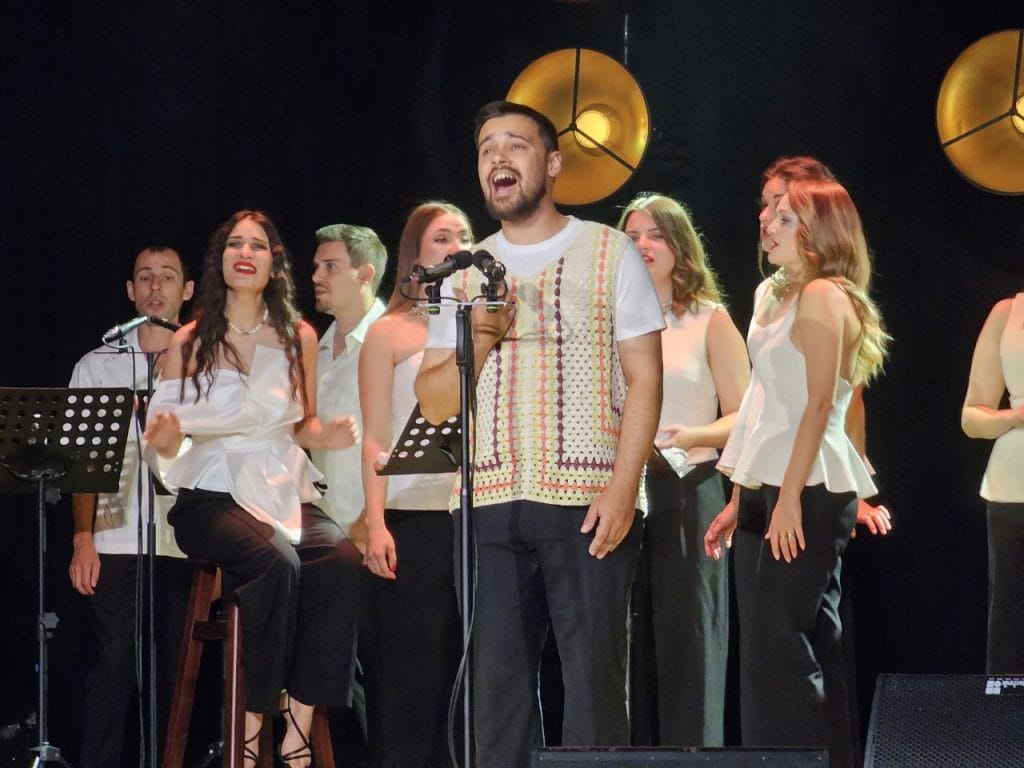
The choir consists of 24 young, vibrant and talented singers, led by the charismatic conductor and soloist Vadym Yatsenko.
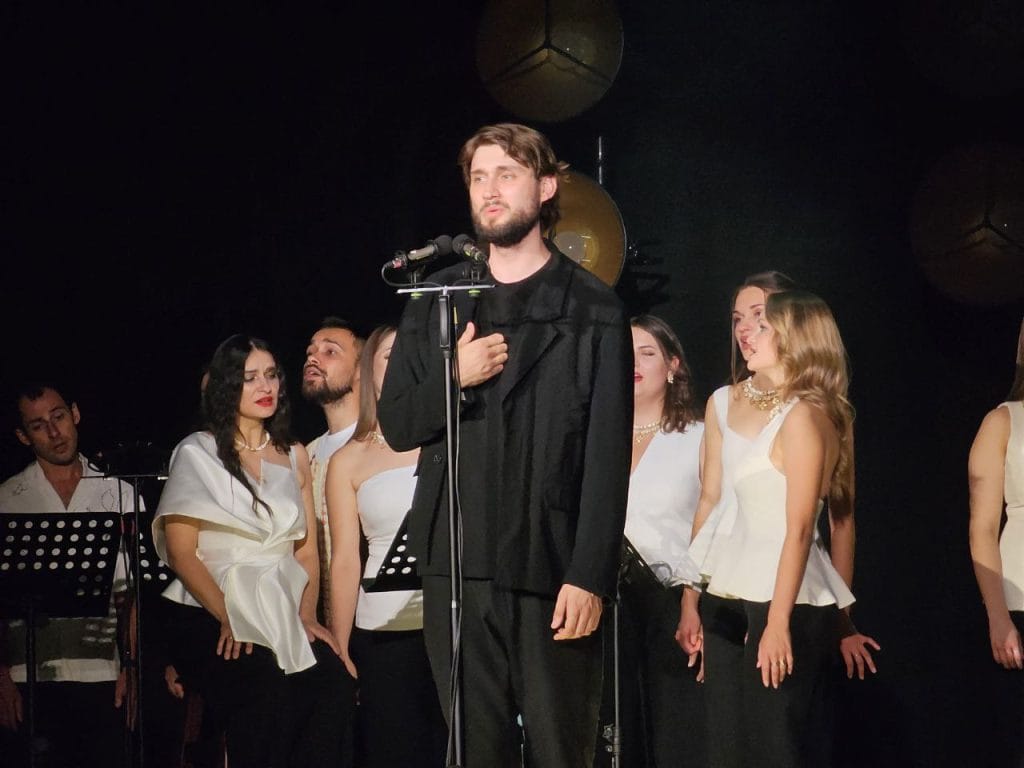
Their sound is clear, energetic and delicate — like crystal mountain streams. And yet Homin is far from a conventional choir. Their performances are dynamic, theatrical and full of drive, challenging stereotypes of what a traditional choral concert should look like.
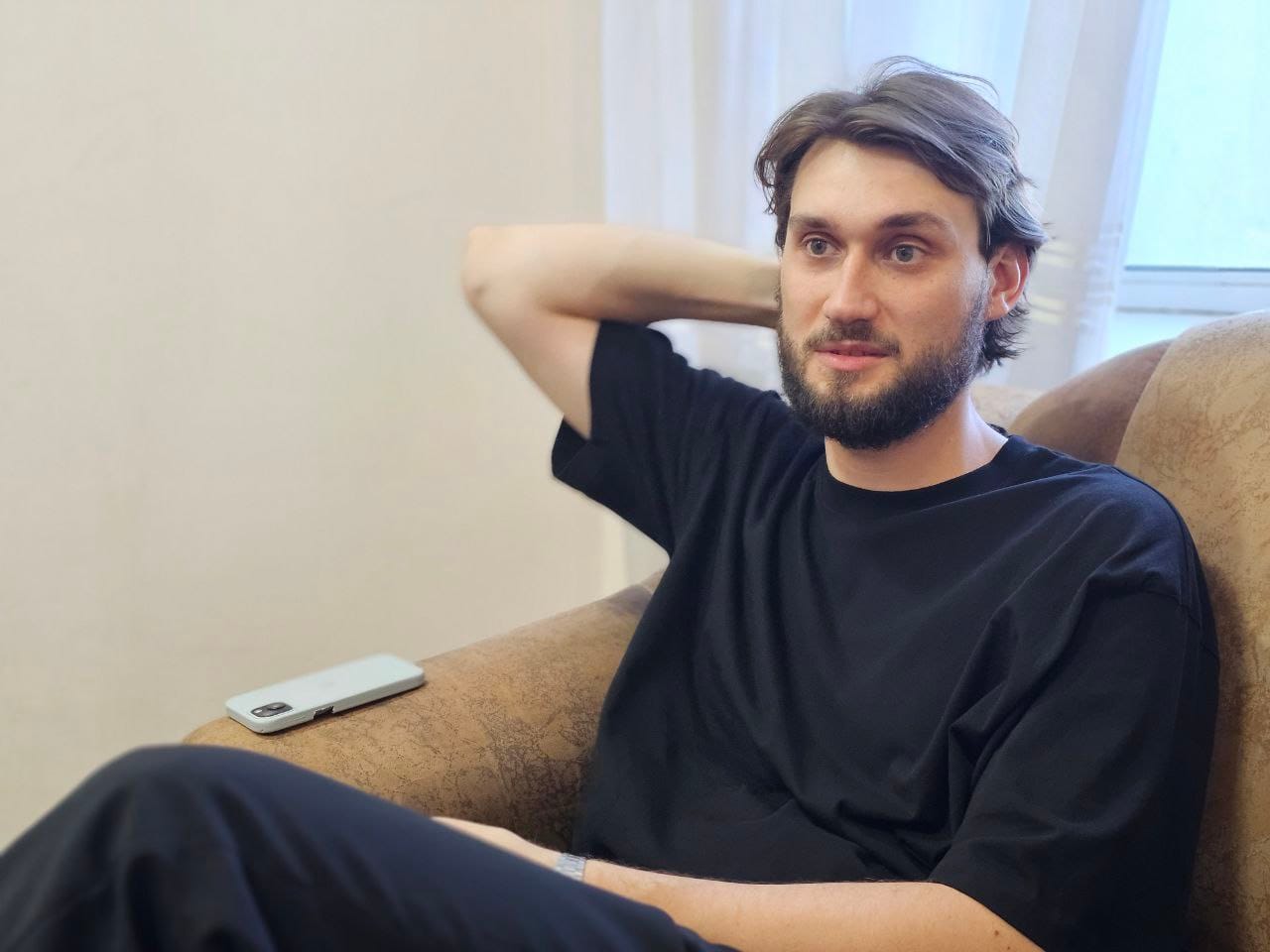
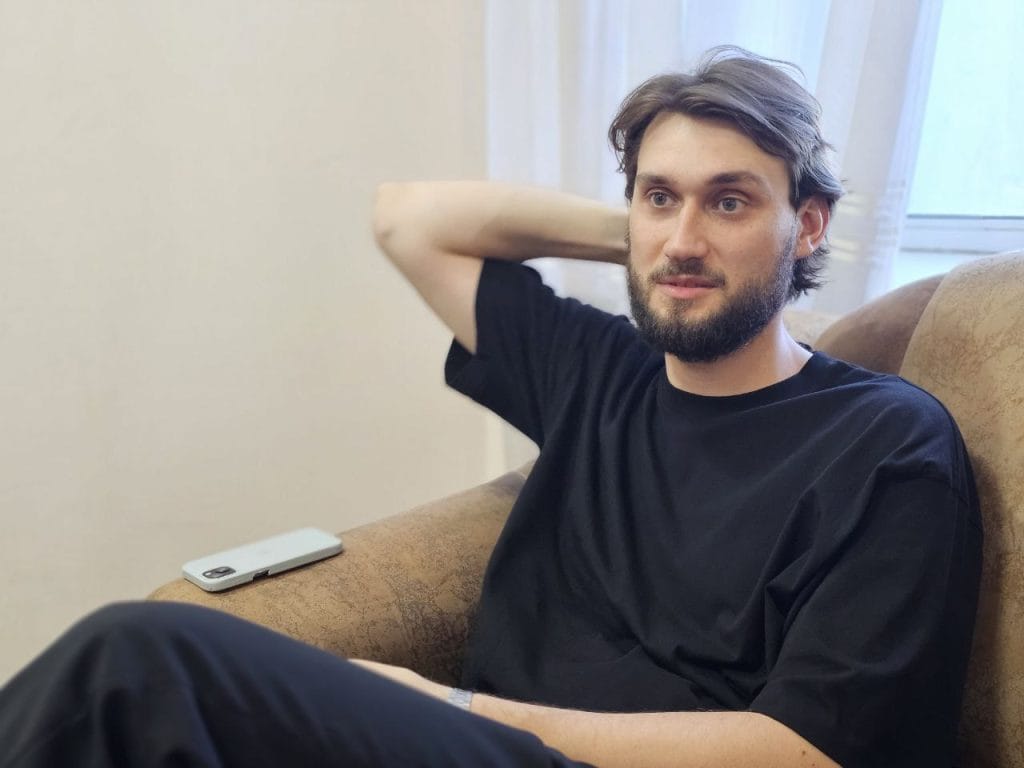
This is no flash-in-the-pan phenomenon. Their popularity is reshaping the cultural landscape, not just in Ukraine but across Europe. In conversation with Maiak, Yatsenko reflects on the challenges and opportunities that come with such rapid success.
“Do you feel exhausted by such an intense touring schedule?”
“Honestly, the concerts themselves are not too tiring. We sometimes sing two a day, each lasting about 75 minutes — around two and a half hours of pure singing. For professionals, that’s manageable; our rehearsals are often longer. What’s really exhausting are the long overnight journeys. We try to keep travel short, but when you have to go from Ivano-Frankivsk to Dnipro, that’s half a day on the road. Still, we accept that this is part of touring life.”
“Do you set strict lifestyle or dietary rules to protect your voices?”
“We don’t impose rigid rules. Each singer knows what affects their voice and takes responsibility. If someone can eat ice cream without harm, fine. If not, they avoid it. What matters is being healthy and ready for the stage. Of course, illnesses do happen, especially during flu season or Covid waves, but overall the choir is very disciplined and careful.”
“Do you have understudies or substitutes?”
“No — we perform with a permanent line-up. Homin is made up of full-time professional singers, most in their twenties, though we also have a few up to 45. When vacancies arise, they’re advertised through the Lviv Organ Hall and filled via open competitions, in line with cultural law. Joining isn’t easy, but it’s possible. This tour reminded me of the legendary international tours of the Oleksandr Koshyts Choir a century ago. Of course, our scale is smaller, but even within Ukraine this is our first major touring experience. They once sang in stadiums — that’s still a dream for us.”
“Could Homin ever perform in a stadium?”
“Honestly, I don’t see how. Even in the Lviv Opera House, with 1,000 seats, we already need more amplification than usual. A stadium is an open, festival-like space, full of distractions, while choral music needs focus, intimacy and a special energy exchange. For us, concert halls remain the best environment.”
“How do colleagues react to your sudden success?”
“Reactions vary, but most are supportive. Some even discuss bigger joint projects. If someone is sceptical — that’s normal. But what I value most is that our success encourages other choirs to open up. Many used to operate quietly, almost in secrecy, but now they’re entering social media, launching TikTok and Instagram, promoting their programmes. This benefits the whole choral culture of Ukraine, and that’s the real value.”
“Does rapid success scare you? How do you plan to sustain it?”
“No fear. We were ready to work professionally and actively from the start; only the scale has changed. This success should benefit not just us, but the whole of Ukrainian culture. Choral music used to be a niche, but now it reaches wider audiences. People want to hear Ukrainian songs, so we’ve created a programme dedicated to Ukrainian retro. But we’re also preparing other projects: concerts of partes music, and a large-scale project to record the complete works of Mykola Leontovych. Success is not something to fear — it’s something to grow and sustain.”
“Do you have a fan club?”
“I wouldn’t call it a fan club, but we do have loyal supporters. There’s even a website about the choir and me, though we don’t know who runs it — all the posts are accurate and positive. Our audiences bring flowers, sweets, even once a bottle of vodka. But it’s all very civilised. I’m not John Lennon; I’m a conductor in a different cultural sphere. And that’s fine — our listeners are warm and calm, which creates the perfect atmosphere for our collaboration during concerts.”
Text and photos: Yulianna Kokoshko
Editor of Ukrainian text: Anastasia Zanuzdanova
Editor of English text: Helen Lewis