On 9 January, we mark the birthday of Sergii Parajanov — a filmmaker, screenwriter and visual artist whose work reshaped European cinema and continues to influence film, fashion and contemporary art worldwide. Born into an Armenian family in Tbilisi, Parajanov found his artistic home in Ukraine, where he created one of the most important films in its cultural history.
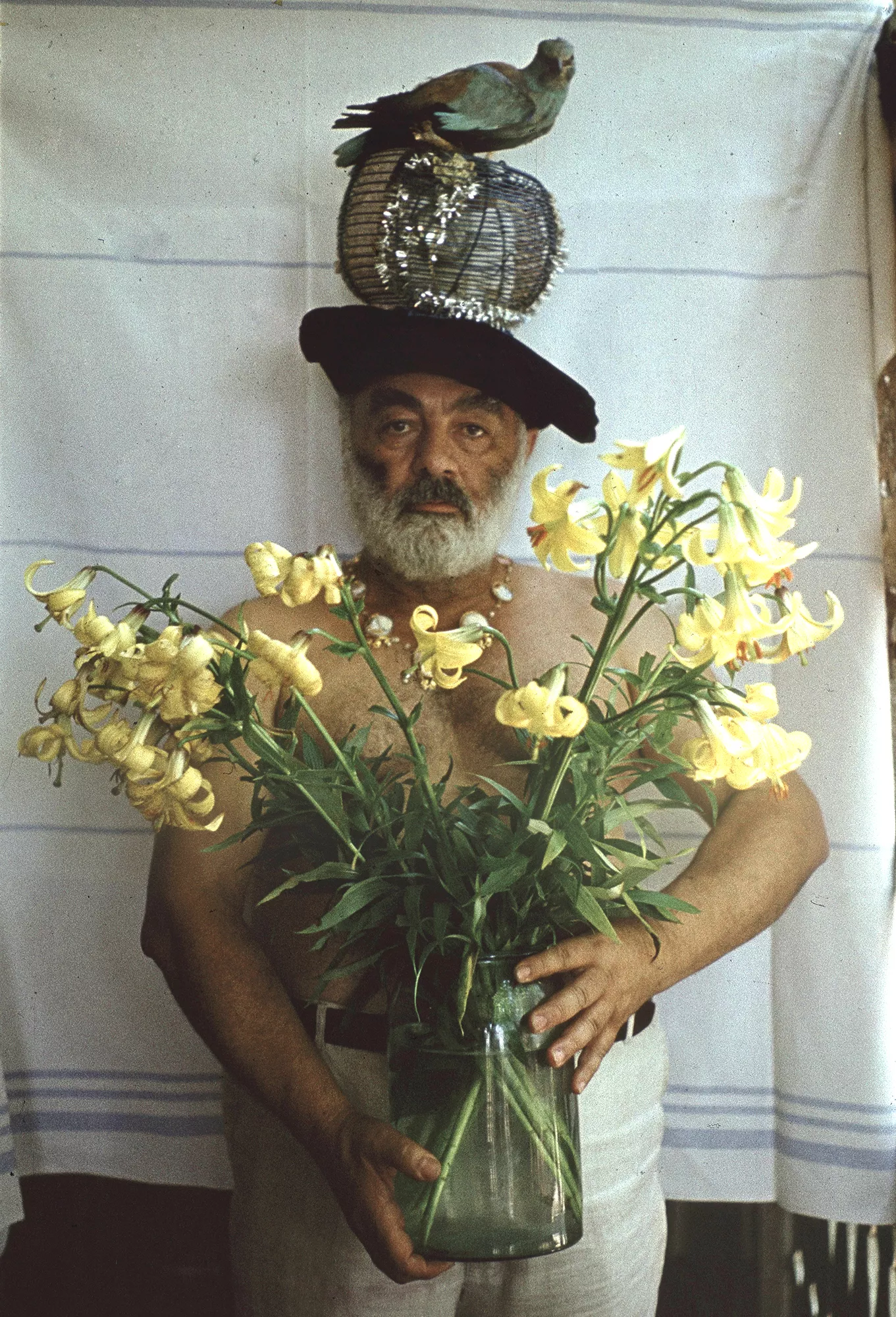
Sergii Parajanov was born in 1924 in Tbilisi, then part of the Soviet Union, into a family of Armenian antiquarians. His father expected him to continue the family trade, but Parajanov chose a very different path. He studied engineering briefly, then music and choreography, before enrolling in the directing department of VGIK, at that time the prestigious Moscow film school. Among his teachers and artistic reference points were Igor Savchenko, Oleksandr Dovzhenko and Andrei Tarkovsky.
After graduating, Parajanov was assigned to work in Kyiv, at the Dovzhenko Film Studio. There he made documentaries, popular science films and feature films, many of which he later described as unsuccessful. This period was important not for its results, but for the process. He was searching for a language that would truly be his own.
That language emerged in 1964 with Shadows of Forgotten Ancestors, based on a novella by Ukrainian writer Mykhailo Kotsiubynskyi.
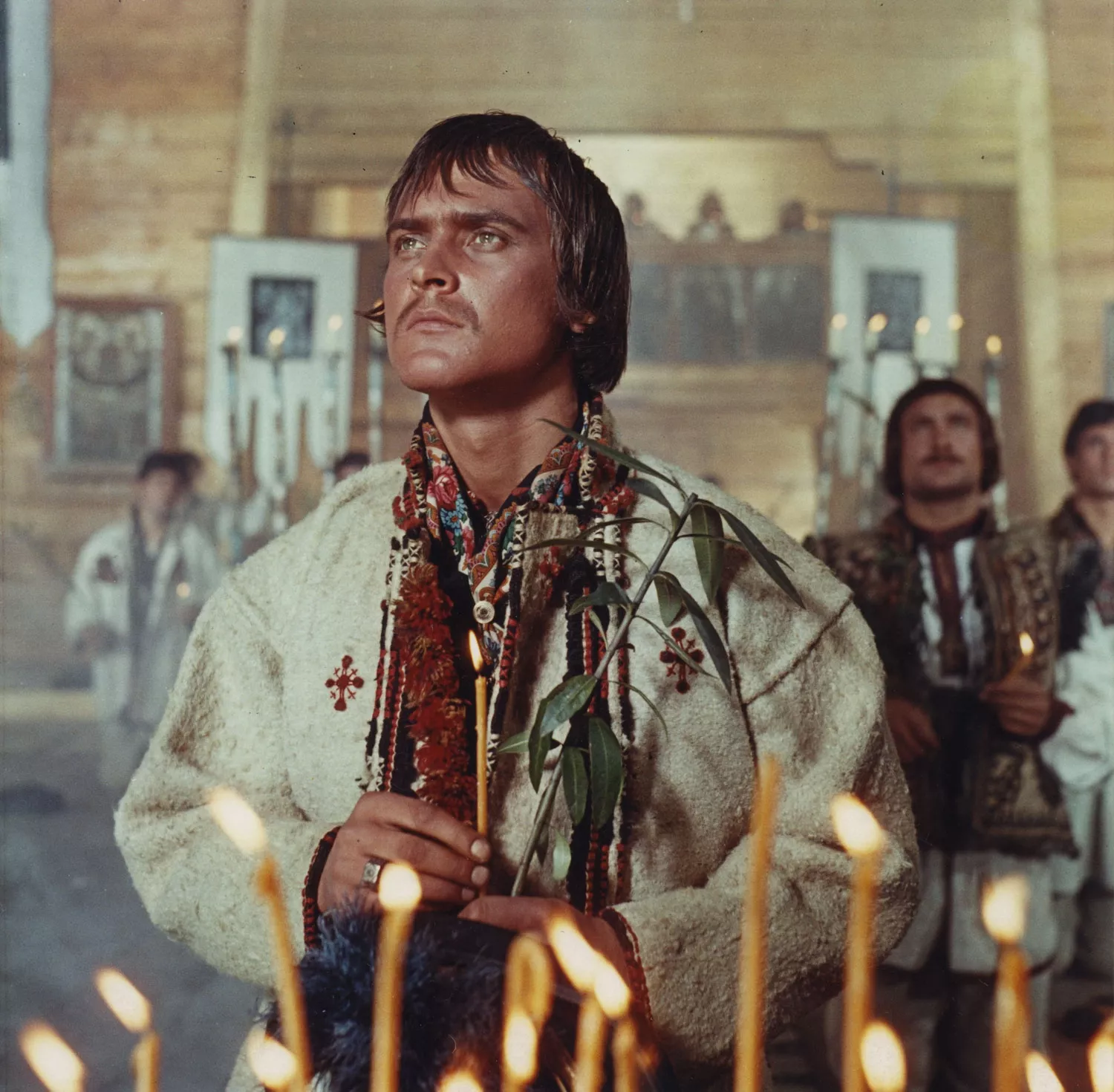
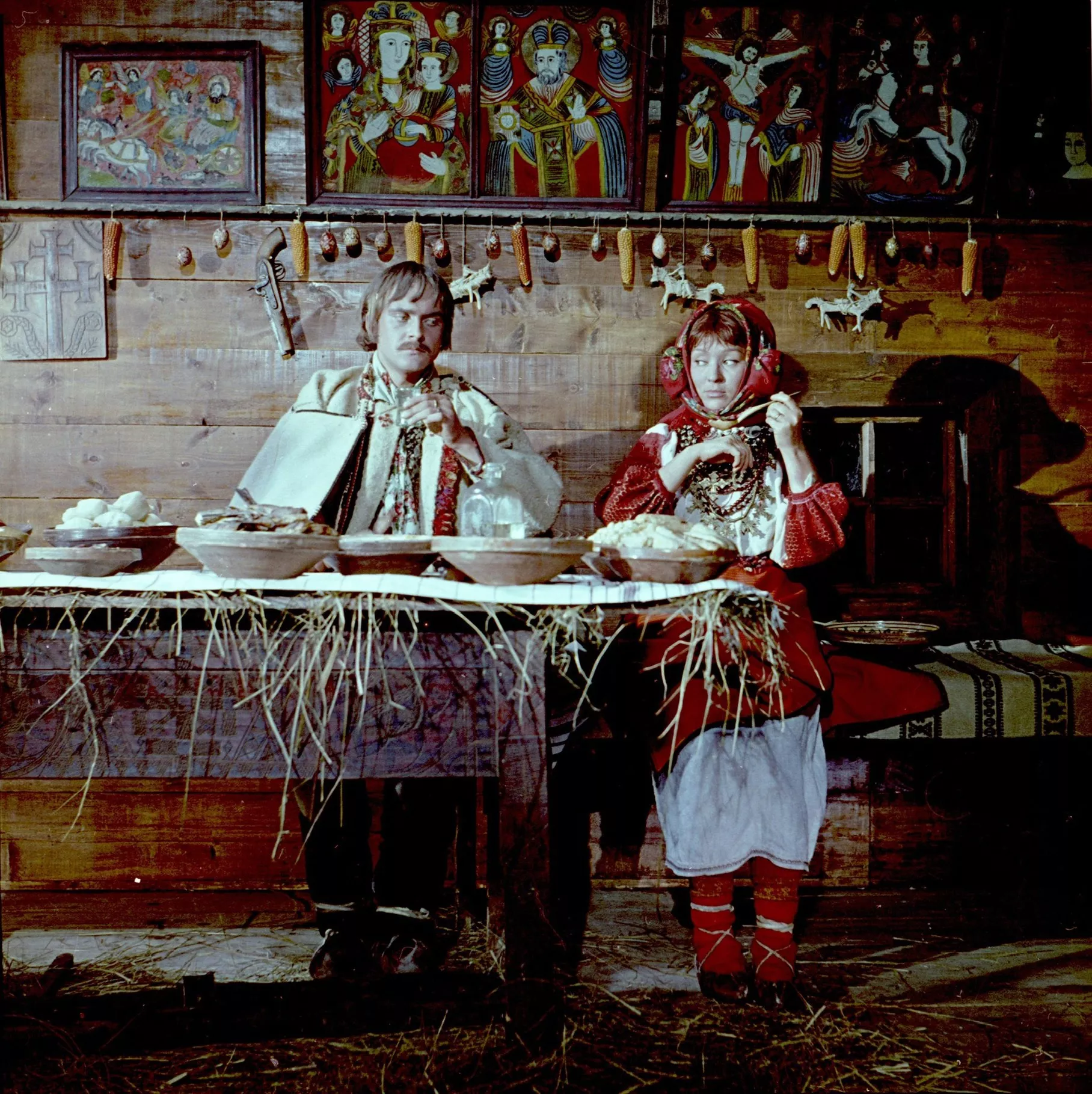
The film brought Parajanov international recognition, winning dozens of awards at festivals in Argentina, Italy and Greece. More importantly, it introduced global audiences to a different Ukraine — not as a political abstraction, but as a living culture with its own rhythm, mythology and visual power.
The Kyiv premiere of the film became a historic moment. During the screening, Ukrainian intellectuals publicly protested against political repression in Soviet Ukraine. From that point on, Parajanov was seen by the authorities as a dangerous figure — not because of slogans, but because of his independence.
His connection to Ukrainian culture was never superficial. Parajanov did not approach the Carpathian region as an outsider or an ethnographer. As a Caucasian, a man of the mountains, he recognised something deeply familiar in the Hutsul community — a shared sense of ritual, nature, honour and myth. He spent months living among local people, attending weddings and funerals, studying objects, sounds and gestures. What appears on screen is not reconstruction, but lived experience.
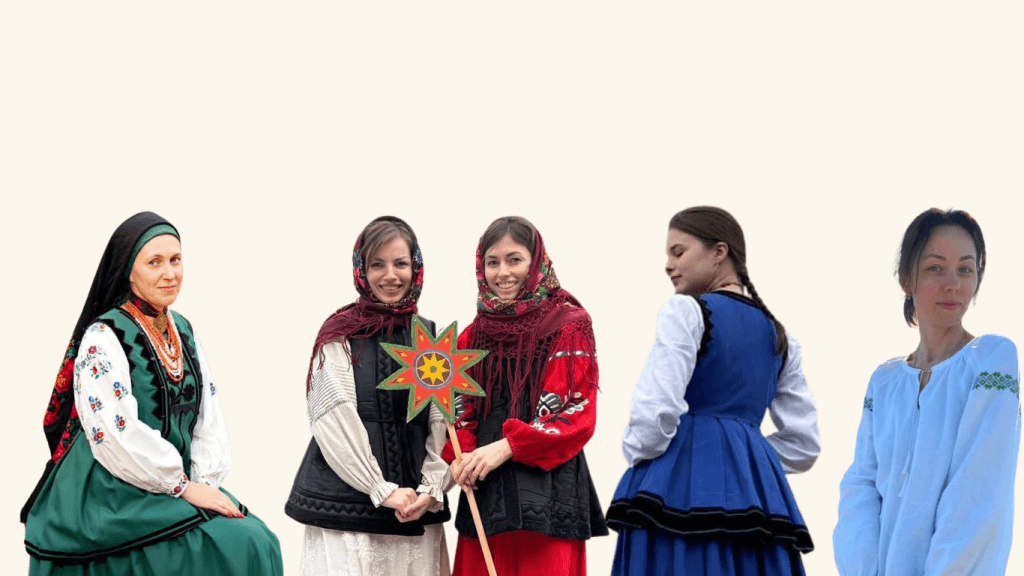
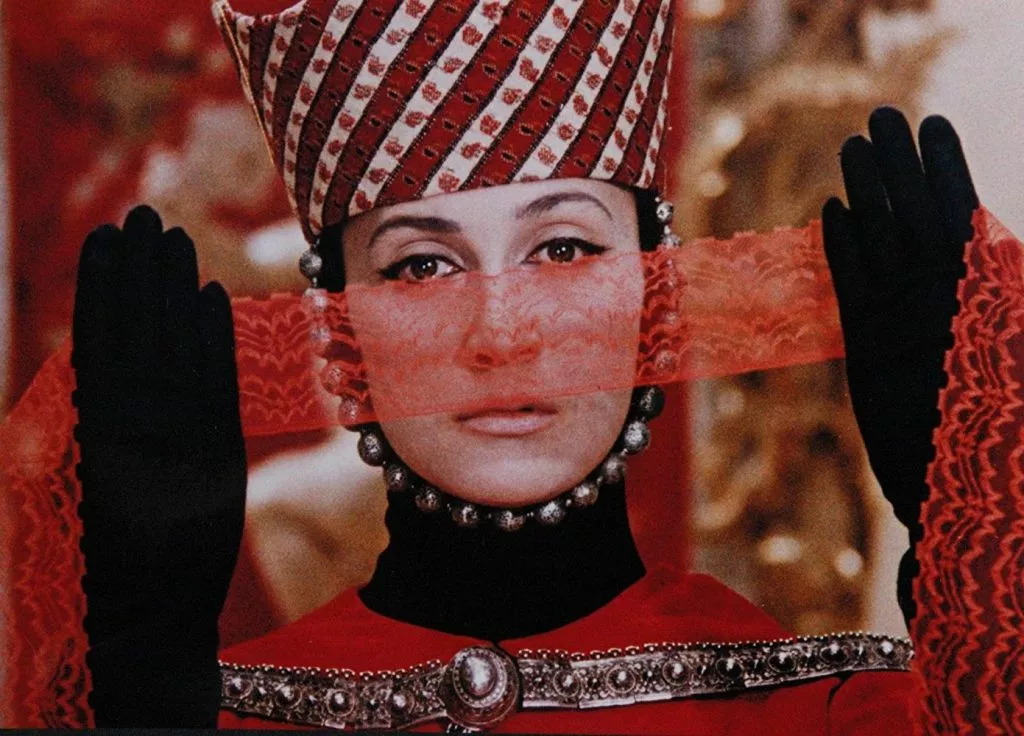
Costume played a central role in his cinema. In Shadows of Forgotten Ancestors, clothing and jewellery were authentic, gathered from remote villages by costume designer Lidiia Baikova. In The Colour of Pomegranates, Parajanov went further, designing costumes as symbolic structures that combined different eras and cultures. For him, fabric, colour and texture spoke as clearly as dialogue.
This visual thinking brought Parajanov close to the world of fashion. He styled actors and friends, created hats and objects, and gifted Yves Saint Laurent a book of his sketches, now held in the designer’s museum in Paris. His influence can be traced in contemporary fashion collections and music videos, including works by Madonna and Lady Gaga, where echoes of The Colour of Pomegranates are unmistakable.
Parajanov was never an easy figure. He was outspoken, eccentric and openly critical of the Soviet system. In 1973 he was arrested and sentenced to five years in a labour camp on fabricated charges, including “Ukrainian nationalism”. He later joked about it, saying simply: “I am not a Ukrainian nationalist — I am a genius.”
Prison did not silence him. Deprived of cinema, Parajanov turned to collage, dolls and assemblages, creating hundreds of works he described as frozen frames of films he could not make. His friends — among them Federico Fellini, Jean-Luc Godard and Michelangelo Antonioni — launched an international campaign for his release. He was freed in 1977.
Afterwards, Parajanov was forbidden to live in Ukraine. He worked in Georgia and Armenia, directing The Legend of the Suram Fortress and Ashik Kerib, his final completed film, dedicated to Tarkovsky. Yet his bond with Ukraine remained strong. At the Kyiv premiere of Ashik Kerib in 1988, he gave his last interview in Ukrainian, speaking about the importance of preserving language, song and culture.
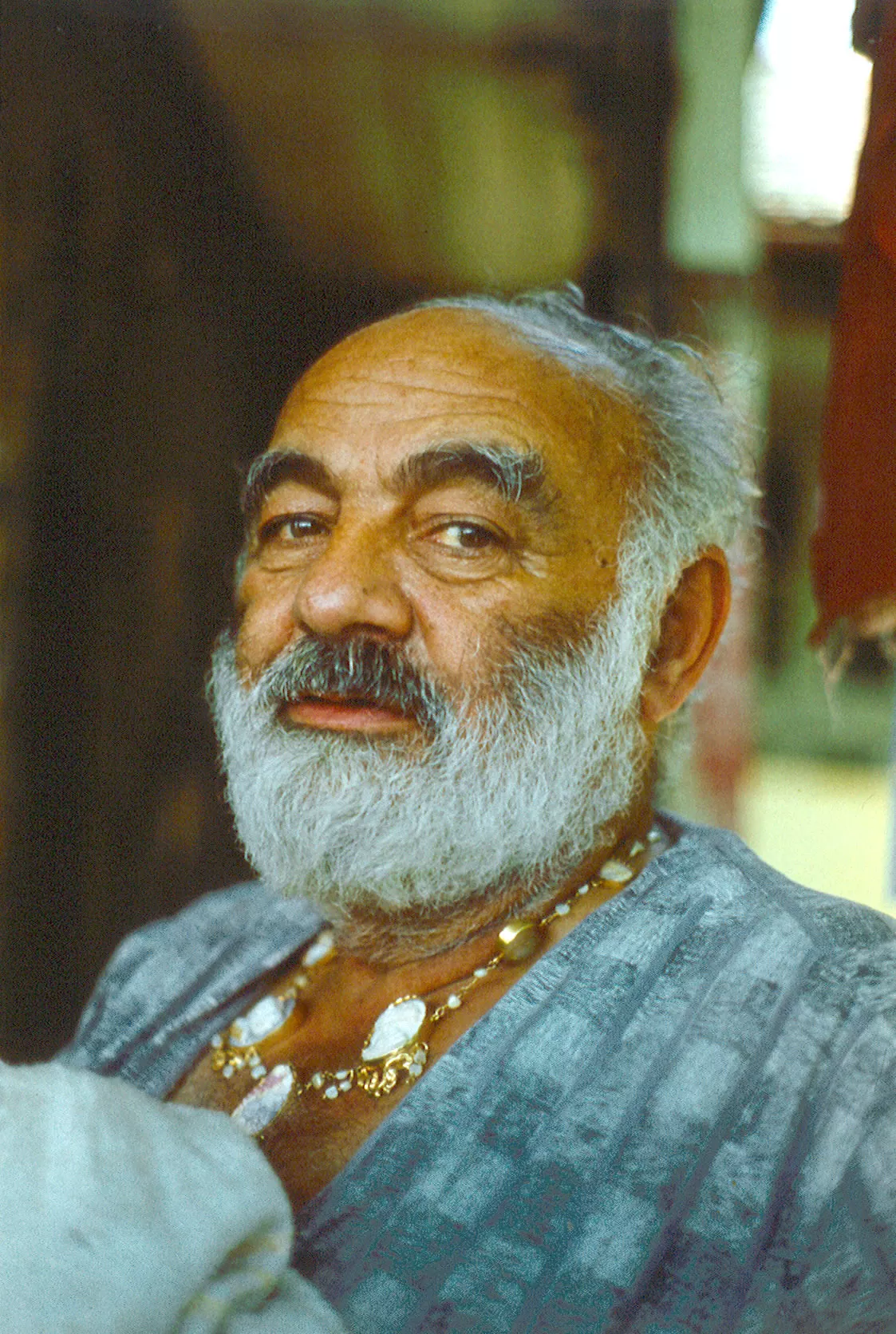
Parajanov died in 1990. What he left behind is not only a small number of films, but a way of seeing. His work resists comfort and simplification. It demands attention. Perhaps that is why it continues to resonate — not as nostalgia, but as a living influence on how cinema and art can exist beyond borders and systems.