
Returning home can be just as challenging as the war experience. Straightforward combat tasks are replaced by numerous new challenges: learning how to adjust to everyday life, finding employment, reconnecting with family, coping with the effects of trauma, and becoming valuable members of society in civilian life, just as they were on the battlefield.
We spoke with Oksana Gonyaylo, a psychologist who works with soldiers, about supporting veterans with their integration into civilian life, improving their relationships, and discovering new opportunities for personal fulfillment.
How did you choose the profession of psychologist, and what motivated you to work with the military and their families?
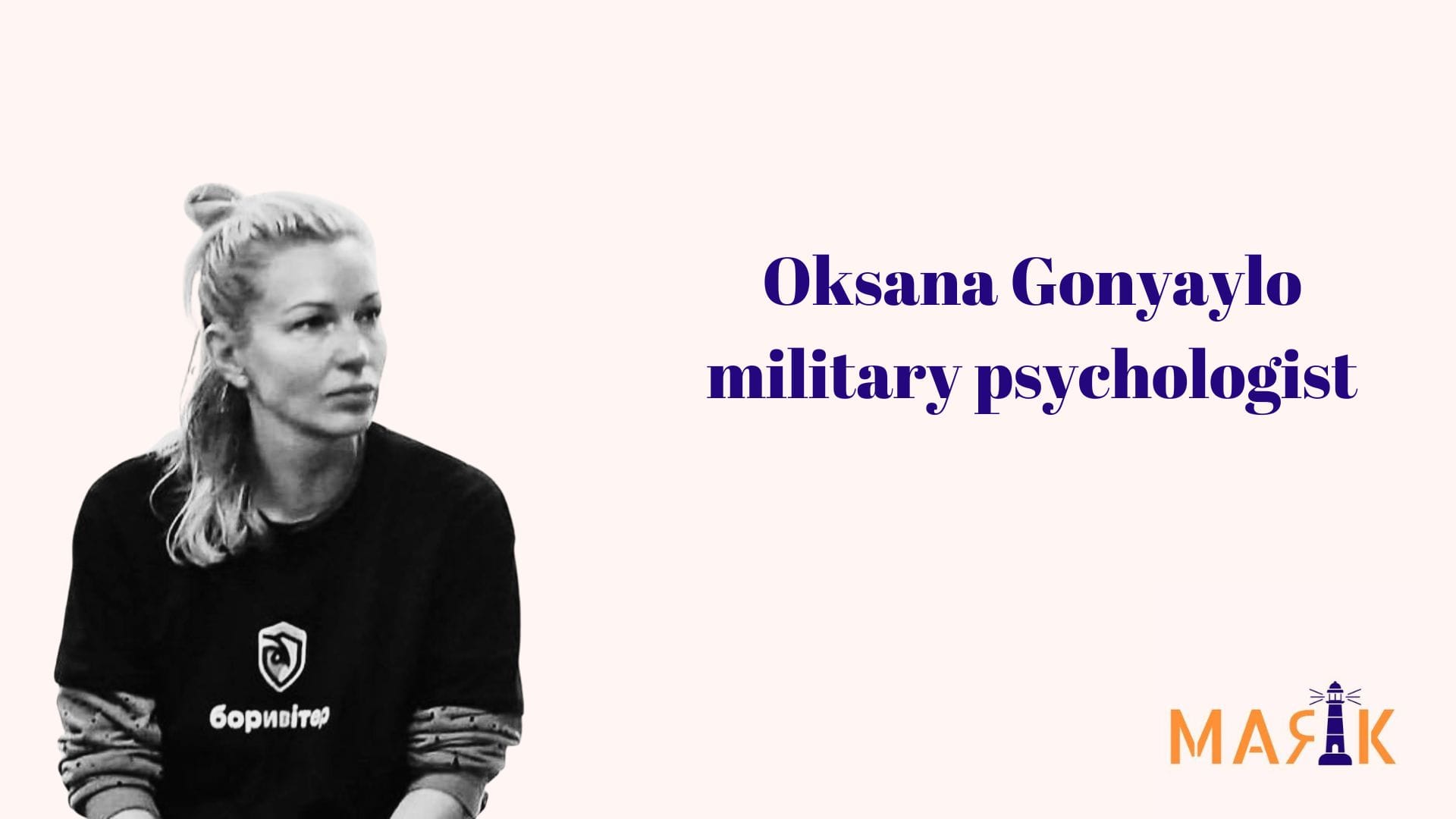
I have been a psychologist for quite some time. With each passing year, my professional skills and my human qualities – such as patience, active listening, and empathy – have developed. I realised that I could and, most importantly, that I wanted to help others. Initially, I worked with civilians, but eventually, I felt that was not enough. I joined several charitable organisations, including those focused on children. Then, when the full-scale invasion occurred, everything changed.
In general, people respond to stress in three ways. The first response is to run, which many Ukrainians did when they fled the country. The second is to freeze, waiting to see what will happen next. The third is to take action. Often, these reactions alternate, forcing a person to experience all three responses. That’s what happened to me. After spending three months abroad with my daughter, I realised I needed to act immediately. By the end of 2022, I joined an organization called Yarmiz, which supports military families, and began running support groups for women awaiting their husbands’ return from war.
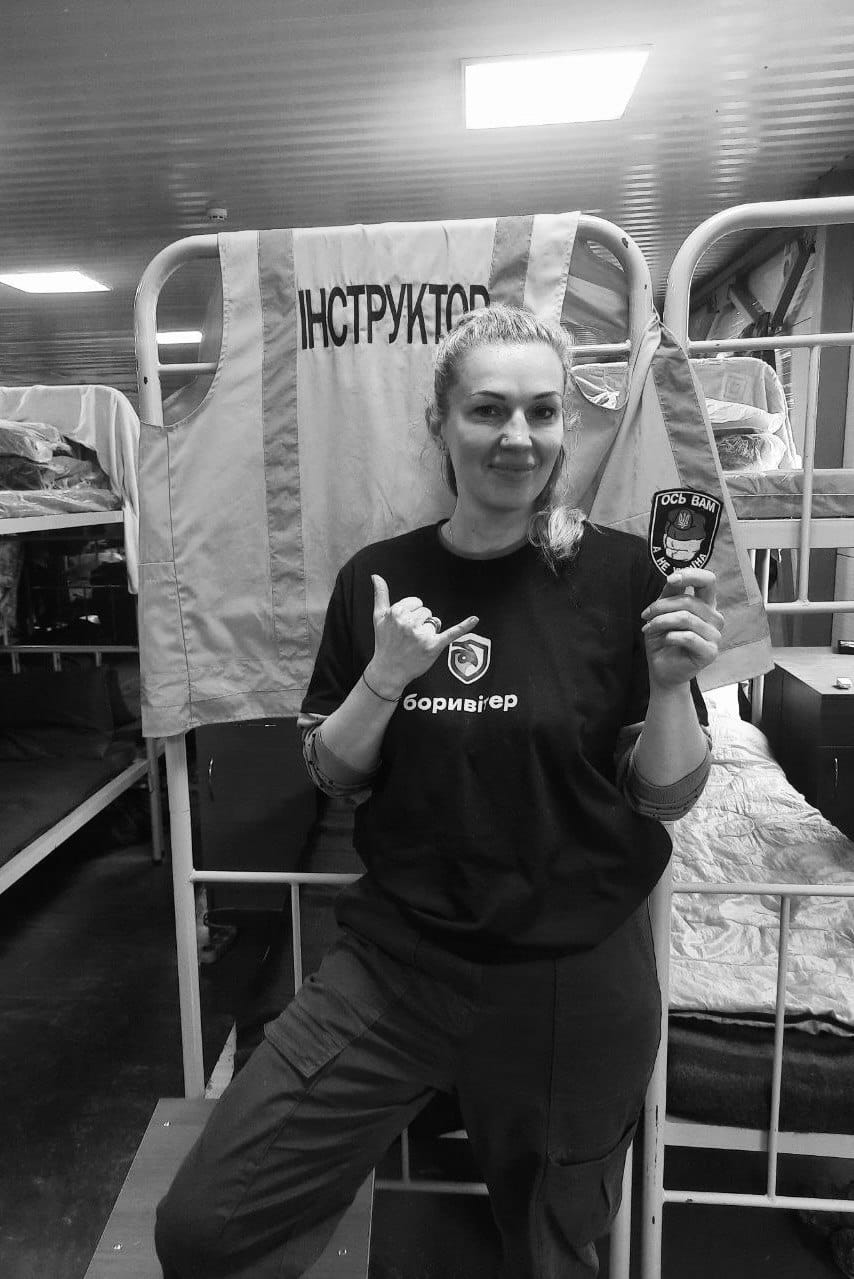
In May 2023, I joined the team at a military school called Boryviter, which works directly with the army. Alongside other specialists in the psychoeducational group, we started visiting different military units to educate soldiers about combat stress, how to manage their emotions, and how to support their comrades during traumatic experiences. Over time, we also incorporated work focused on the psychological recovery of our soldiers.
What are the most common requests?
The majority of my clients are women who are waiting or have waited for loved ones who are currently on the war front. Their main request is how to survive the separation and remain strong in the circumstances, with the challenges that fall on their shoulders. The second most popular question is how to keep in touch at a distance and maintain a relationship with their husbands. Among military patients, the topic of social reintegration prevails, as well as ways to survive the hostile and traumatic experience of war with all its consequences.
How to prepare for the return of a soldier? What topics or actions are taboo, at least during the adaptation period?
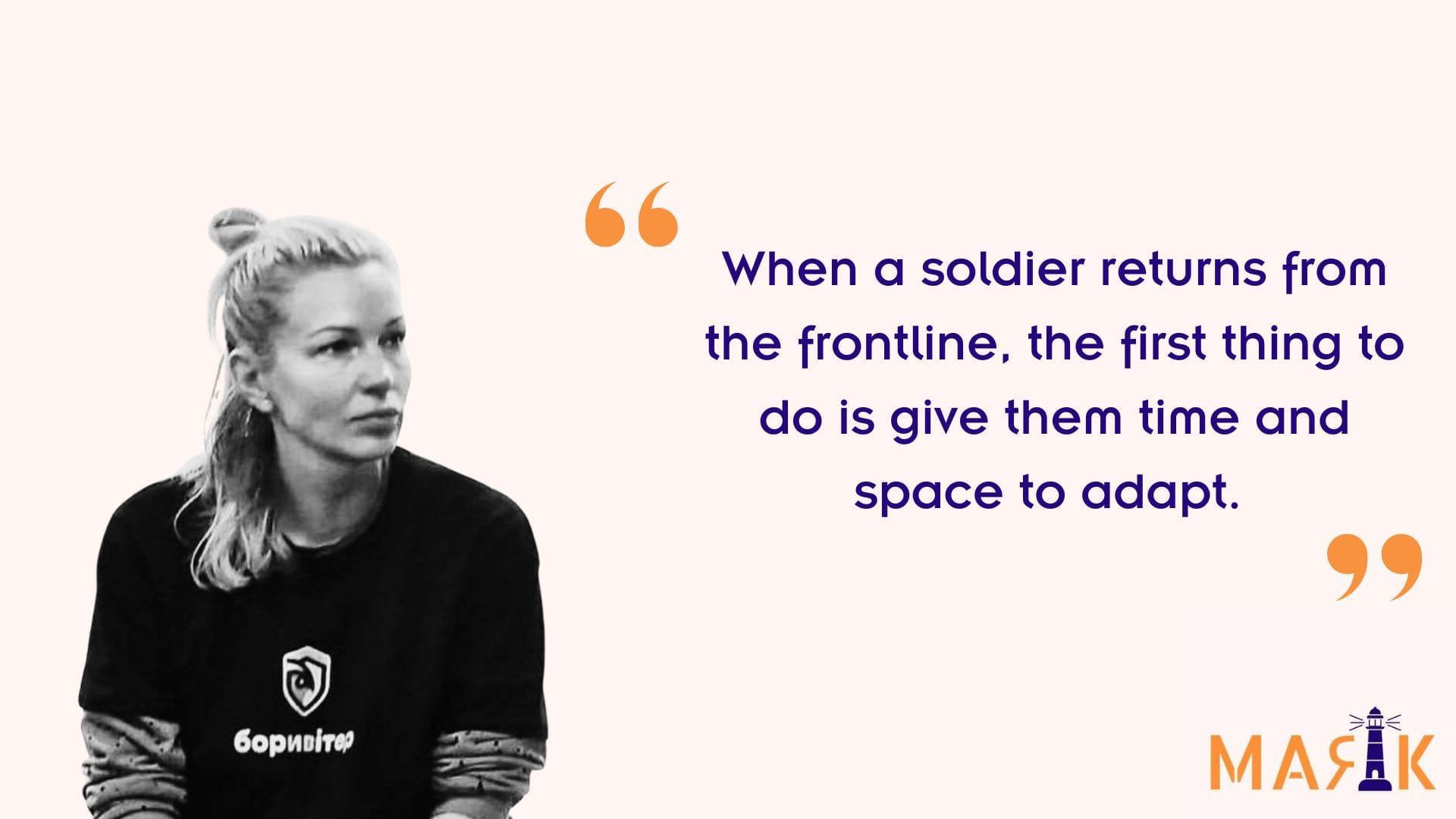
The human psyche is remarkably resilient. Even when we don’t recognize our strength, many people emerge from combat experiences stronger, while unfortunately, some may struggle. Statistics suggest that around 30% of military personnel may develop PTSD and require professional help, while the remaining 70% simply need time to process and navigate their experiences. During the initial weeks after returning, it is common for veterans to engage in active processing of their experiences, which can lead to nightmares, mood swings, apathy, and isolation. It’s crucial to refrain from asking intrusive questions such as, “What was it like there?”, “Did you kill anyone?” or “Why are you so quiet?” Instead, offer them your presence and support without pressure to engage in unwanted activities.
After some time, you might gently ask, “How can I support you?” This simple question demonstrates your concern and willingness to navigate this journey together. If you have any doubts or face internal conflicts, don’t hesitate to reach out to organizations like Yarmiz, which specialize in communication with military families. Remember, it’s essential not to face challenging moments alone; without your resources, you may struggle to support your loved ones in need.
How do you gently but persistently convince a military person to see a psychologist?
First and foremost, it’s essential to establish a trusting connection. No one knows their partner better than they do, even more than the most experienced psychologist. Be vigilant and pay attention to any warning signs.
Avoid trying to lure them into therapy with tricks. Military personnel often have a strong intuition and can easily sense insincerity, so a direct conversation is the best approach. From my experience, many soldiers are open to asking for and accepting help when needed. However, there is often a stigma surrounding mental health issues, leading people to believe that those who seek help from psychologists or psychiatrists are “crazy” or “sick.”
If you encounter this response, suggest seeing a neurologist instead. If that option doesn’t resonate with him, consider initiating a conversation with a fellow soldier or his unit commander – someone who holds undeniable authority in his eyes. Phrases like, “You don’t seem like yourself, mate and your family is worried. I recently saw a great doctor…” can be effective in encouraging him to seek help.
How do you support a person with a disability or serious injury?
When talking to someone experiencing difficulties, avoid saying that you understand them, as this can be a trigger phrase. You can never fully grasp what they are feeling. Instead, use the phrase, “I want to understand you.” Discuss neutral topics such as the weather, dinner plans, or mutual friends. If they genuinely need assistance, offer to help with domestic tasks.
Consider your loved one’s hobbies and interests, and engage in activities that uplift rather than depress them. Remember that some activities may no longer be possible due to injuries.
Most importantly, remember to see the person first rather than just focusing on their injury.
How does a soldier’s identity change after returning? Some of them feel ‘unwanted’ in civilian life, cannot find a new meaning or mission, and believe that their ‘real life’ remains at the front. How to help with this?
You need to convey a crucial truth to your partner, which he often finds difficult to grasp: you have made a significant contribution. If he feels that his fight is not over, you should suggest engaging in activities as close to the front as possible.
Recently, I advised a soldier who had to be discharged due to serious heart problems. Doctors had warned him that his heart could stop at any moment, even on the battlefield. He respected their advice and demobilized, but he also felt a deep sense of guilt. After we spoke, we found a positive solution — he began volunteering. Now, he actively helps his unit by collecting food, delivering supplies to his comrades, and even participating in mine clearance operations.
There is always a way forward, and there are many options available. For instance, his combat experience allowed him to become a skilled instructor. The Boryviter military school offers 12 areas of instruction, ranging from psychology and cartography to piloting aircraft and drones. Thus, feelings of guilt can and should be addressed by exploring new career opportunities.
If the war has become a kind of adrenaline drug, how do you find an alternative energy source on the home front?
If you don’t explore the neurophysiological properties and reactions of the brain, you might conclude that adrenaline addiction exists. There are many ways to release emotions. One of my clients recently shared that he eagerly awaits spring, to ride his motorbike, which satisfies his need for adrenaline. I can’t say whether this is good or bad; it’s simply how it is.
Even before the war, many people were passionate about extreme sports, going on dangerous hikes, and conquering mountain peaks. If you have the physical ability, why not engage in these activities? If your health doesn’t permit you to participate in active physical pursuits, there’s a popular alternative: computer games. Whether using virtual reality glasses or not, they can provide a thrilling adrenaline rush.
What are the most common symptoms of PTSD, and what are the best ways to respond to them?
PTSD symptoms are complex, and it’s important to differentiate them from other disorders, as many symptoms overlap. It’s essential to note that only a psychiatrist can diagnose PTSD; a psychologist can only refer a client to a psychiatrist if PTSD is suspected.
A flashback occurs when a person, such as a soldier, finds themselves in a relatively safe environment yet suddenly experiences an image, sound, or smell that reminds them of past traumatic events. For this reason, it is crucial not to approach a soldier without their permission, to refrain from startling them, or from making sudden movements. These triggers can bring negative memories to the surface, making the individual feel as if they are back on the battlefield. Following a flashback, a person may become aggressive and may not even recall their behaviour once they return to the present moment.
Fortunately, PTSD can be successfully treated, which is a vital message to share with the military community. It is possible to emerge from this condition as a better version of oneself, through a process known as post-traumatic growth. Therefore, PTSD is not a life sentence; it can represent the beginning of something new in your life, a catalyst for self-respect, and a means to accept your new role.
Should parents tell their children what their father or mother went through during the war? What is the right way to do it?
Children under the age of 4 should not be given detailed explanations because they typically do not have the capacity for such questions. They will look forward to seeing their dad with a gift, without needing too much information. It’s sufficient to say that dad has gone on a business trip, as that is part of his job.
For children aged 5 to 9, you can share some truths. You might say that Dad/Mum is very brave and a hero and that he is doing something important for all of us. However, avoid making empty promises or specifying a time frame for when he will return.
Teenagers can and should be told more, as they are adept at recognising falsehoods and can easily find information about their father/mother online, even if they don’t post anything on social media. It’s important to be honest with them and establish a trusting relationship, as both you and your partner will need their support during your return and reintegration.
If you notice that your child is experiencing health issues or is feeling anxious, make sure to contact NGOs that provide qualified and completely free assistance to military families.
How can spouses restore a harmonious relationship if the emotional distance between them has become very long after the veterans return and the range of common topics has narrowed significantly?
It’s crucial to nurture a strong emotional connection in a relationship proactively. Yarmiz has established support groups for women waiting for their husbands, focusing on ways to maintain communication, despite distance and challenging circumstances.
Some women have even found success in cooking together over video calls, with one partner in the field and the other in the kitchen.
Keep your loved ones updated on your children’s achievements. Film their classes and activities so that your husband can experience these moments virtually. Show genuine interest in everyday details: ask about his meals, share photos of the evening sky, and more. Don’t hesitate to include thoughtful touches in your care packages. You might consider ordering chevrons with customized patches that hold special meaning or sending children’s toys that can serve as comforting tokens for your partner. Each time he sees that keychain or plush toy, he will be reminded of you and the love waiting for him at home.
How can you gently and tactfully help a soldier return to his usual hygiene routine?
First, you need to wait for the adaptation period to pass. If it seems to be taking too long, express your feelings openly. If your partner is interested in being intimate or just wants to cuddle, suggest preparing for it together. Share with them how much you’ve been looking forward to the moment when you can finally be close.
Set a good example when it comes to hygiene: mention that you’re going to take a shower to wash away the fatigue from your day at work and invite them to do the same. By acting delicately, politely, and openly, you should be able to avoid any misunderstandings or hard feelings.
How can you help a serviceman establish normal eating and sleeping habits?
Eating disorders can be linked to various mental health issues. For instance, they are often a common symptom of depression. Overeating may indicate an anxiety disorder, while a refusal to eat could suggest post-traumatic stress disorder. When these eating issues are accompanied by other problems, it is important to consult a specialist. However, if the changes are limited to a person’s eating habits, it may be best to give them time to adjust.
In certain situations, such as being in a stressful environment, individuals may develop habits like eating at night or overeating because they are uncertain about when they will have the chance to eat again. Fortunately, most people can adapt to new nutritional patterns quite quickly and naturally.
What do you need from your partner to support healthy eating habits? First, ensure that fresh, simple, and healthy food is available.
How do psychologists deal with the accumulated negative experiences and regain their inner resources? Do you have your own psychologist?
I possess a quality that benefits me both professionally and personally: I don’t dwell on traumatic moments. I can switch my focus quickly. It’s essential not to allow someone else’s pain to affect you continuously while maintaining your own mental health. This is why burnout is often seen among inexperienced volunteers and new psychologists who deal with highly traumatic situations. The balance of empathy and emotional restraint comes with experience.
Even now, there are times when I’m unsure how to respond to certain issues, so I seek advice from my psychologist or supervisor. We hold group meetings to discuss what has impacted us, evaluate the effectiveness of various therapeutic approaches, and simply provide each other with support. This process helps us replenish our own resources to share with our clients.
One of the most crucial skills for a psychologist is learning how to leave the work behind when you leave the office — closing the door to those situations and continuing with your life. While this is challenging, it is possible. Once we master this skill, it becomes easier for us to manage.
What story or incident influenced you the most and made you feel that working with the military was for you?
There are several stories I could share, but the one that comes to mind first is quite impactful.
One day, we were at a training exercise, working with a mixed group of personnel – some with combat experience and others who were new recruits undergoing psychological training before heading to the front line. We began discussing the topic of guilt. I shared techniques for working through guilt, explained helpful approaches, and introduced the concept of a ‘guilt pie.’
Among the group was a 56-year-old soldier who clearly found the discussion significant. One of his colleagues even nudged him and said, “Oh, you need this.”
After the first part of the training, we all went to lunch, which can be a very unifying experience given the field conditions. During lunch, this soldier approached me, wanting to share a situation from his past. He recounted a battle from ten years ago during an anti-terrorist operation, the name given to the war zone in Ukraine before the full-scale conflict. He described how he and a close colleague were engaged in combat when an enemy shell struck the tank his comrade was in. The soldier was thrown back by the blast wave and evacuated almost immediately. Later, he learned that his comrade managed to escape the tank but died from fire injuries before he crawled to safety. For ten long years, this soldier carried the weight of guilt, blaming himself for not rushing over to help his friend. He often thought that if he had attempted to rescue him, perhaps his comrade would have survived.
I had about 15 minutes to support him, to help shift his focus from what he hadn’t done to what he had achieved since then. I believe I made some progress in this. Psychologists work not only in clean, tidy offices but also in canteens during lunch or smoke breaks. Those 10 or 15 minutes of conversation can genuinely change someone’s life.
Even after a decade of carrying that tragedy, this man has done many positive things: he communicates with his comrade’s family, assists his wife, supports their children financially, and regularly visits his comrade’s grave. When I reminded him that no one could know if he could have helped his friend at the tank or if it would have made any difference, he paused to reflect on it. Then, I asked him, “Do your family members need you?” He replied, “Yes.” It was a pivotal moment for him as he began to acknowledge how far he had come in accepting his situation, at least to some extent. For the first time, he recognized his significant role in supporting his fellow soldier’s family.
Our conversation had to end due to time constraints, which often happens, but I realized just how important it is to make the most of our time. In those 15 minutes, I felt grateful to be present with him and understood that we were in the right place at the right time. It comes from my heart, filled with gratitude for the military and the sacrifices they make.
Аuthor: Anna Lysenko
Ukrainian language editor: Anastasia Zanuzdanova
English language editor: Helen Lewis