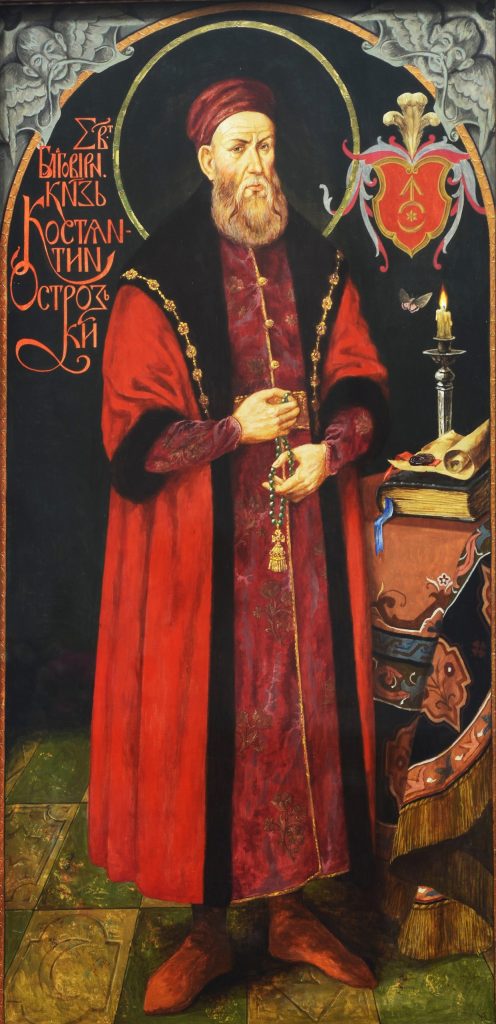
This year, Ukraine is marking the 500th anniversary of Prince Vasyl-Kostiantyn Ostrozkyi, one of the most influential figures in Ukrainian history. A member of the illustrious Ostrozkyi family of nobles, he was often referred to as the “uncrowned king” of the Polish–Lithuanian Commonwealth — the vast European state that united the Kingdom of Poland and the Grand Duchy of Lithuania from 1569 to 1795 and included much of present-day Ukraine. A renowned patron of education and culture, Prince Ostrozkyi founded what is widely regarded as the first institution of higher learning of its kind in Eastern Europe.
Across Ukraine, cities connected with the Ostrozkyi family’s legacy are commemorating the prince as an educator, statesman and defender of the Orthodox faith. Meanwhile, in Ostroh, the family’s historic residence, three significant anniversaries are being celebrated at once: the 500th anniversary of Prince Vasyl-Kostiantyn Ostrozkyi’s birth, the 450th anniversary of the founding of Ostroh Academy, and the 445th anniversary of the publication of the Ostroh Bible — the first complete printed edition of the Bible in Church Slavonic, the liturgical language historically used by Orthodox Slavic churches.
Maiak journalist Liudmyla Pryimachuk travelled to this historic town to explore the residence of one of Ukraine’s greatest noble families. She visited the university that has earned Ostroh the nickname “Ukraine’s Youth Capital”, discovering both its remarkable history and its role in contemporary Ukraine.
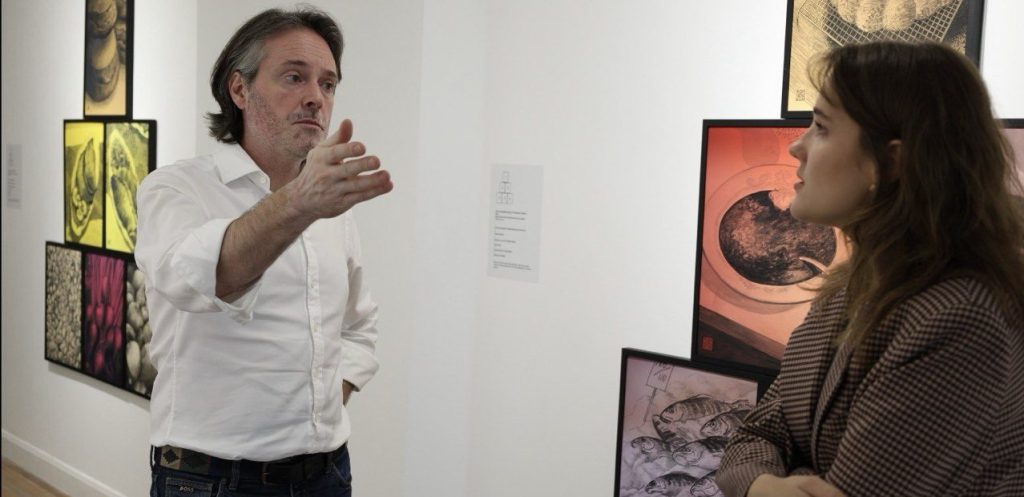
“During the war, Ukrainian society has developed a much stronger interest in our history and in the milestones that shaped our identity,” says Anastasiia Kheleniuk, Director of the Museum of the History of the National University of Ostroh Academy.
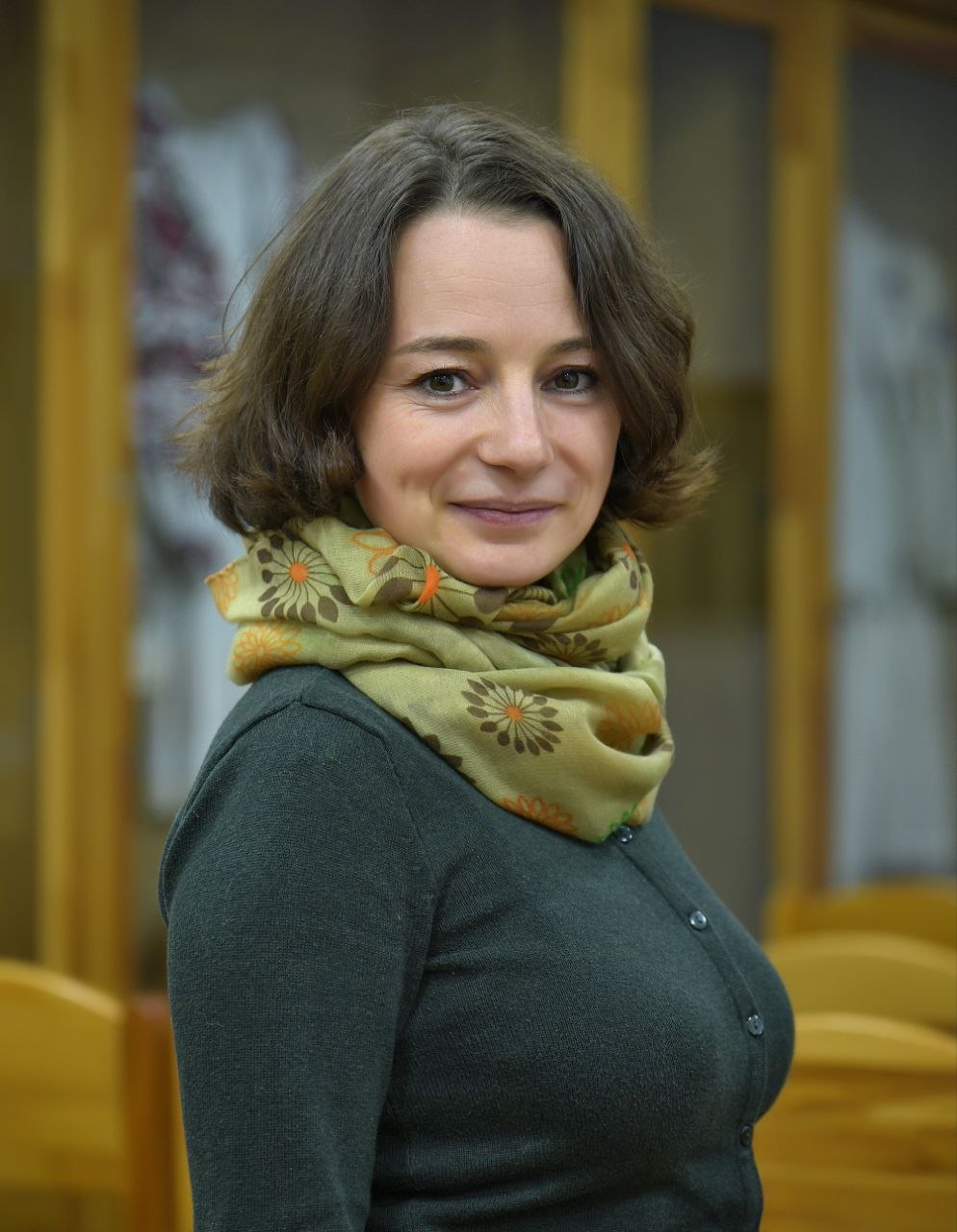
“If we want to understand how Ukrainian culture has survived and continued to develop over the centuries, the work of Prince Vasyl-Kostiantyn Ostrozkyi must be one of the central themes. In the late sixteenth century, one individual genuinely changed the course of history.
Above all, we are talking about two major projects that he initiated — the founding of the academy and the publication of the first complete and printed Church Slavonic Bible. Together, they strengthened Orthodox intellectual and cultural life and elevated it to an entirely new level. That was precisely the prince’s goal.
He understood clearly that within the newly established Polish–Lithuanian Commonwealth, where the Ukrainian lands had become part of a predominantly Catholic state, Orthodox culture and the Orthodox Church were steadily losing influence because they lacked their own educated intellectual elite, capable of defending their interests. The academy was therefore created as an educational centre, modelled on the finest European institutions of the period.
In many respects, it was also a political project — designed to preserve Orthodox culture, support the Church and educate a new generation of scholars and leaders.”
The First Secular School on Ukrainian Lands Was Founded in Ostroh
Could you tell us more about the establishment of the academy and how education was organised there?
The creation of Ostroh Academy marked the emergence of an entirely new model of education in the Ukrainian lands.
Prince Vasyl-Kostiantyn invited distinguished scholars from across Europe to Ostroh. Their primary task was to translate biblical texts, as he intended to publish the first complete edition of the Bible in Church Slavonic. Once such an extraordinary community of linguists, theologians and scholars had gathered at his court, the prince realised that their knowledge could also serve another purpose — the education of Orthodox youth.
Thus, in 1576, Ostroh Academy was founded.
Its lecturers were exceptional academics educated at some of Europe’s leading universities. Among them was Jan Latosz, an astronomer, physician and mathematician who had graduated from the University of Kraków. Another was the Greek scholar Cyril Lucaris, who served for a time as the academy’s rector before later becoming Ecumenical Patriarch of Constantinople, the spiritual leader of the Eastern Orthodox Church. Lucaris had studied at the University of Padua, as had another member of the academy’s teaching staff, Nikephoros Parasches-Kantakouzenos.
Unlike modern universities, Ostroh Academy combined every stage of education — primary, secondary and higher learning — within a single institution. As was customary throughout sixteenth-century Europe, only boys were admitted.
Perhaps most remarkably, it became the first secular educational institution on the territory of present-day Ukraine. Rather than operating under the direct authority of a church or monastery, the academy functioned independently, with its own buildings, teachers and students. At a time when education across much of Europe remained closely tied to religious institutions, this represented a significant step towards a more humanist model of learning
Which disciplines formed the curriculum?
The study of Greek, Latin and Hebrew — the three principal languages of the Holy Scriptures — was compulsory. To these, Ostroh Academy added Church Slavonic, recognising its importance as the liturgical and literary language of the Orthodox world.
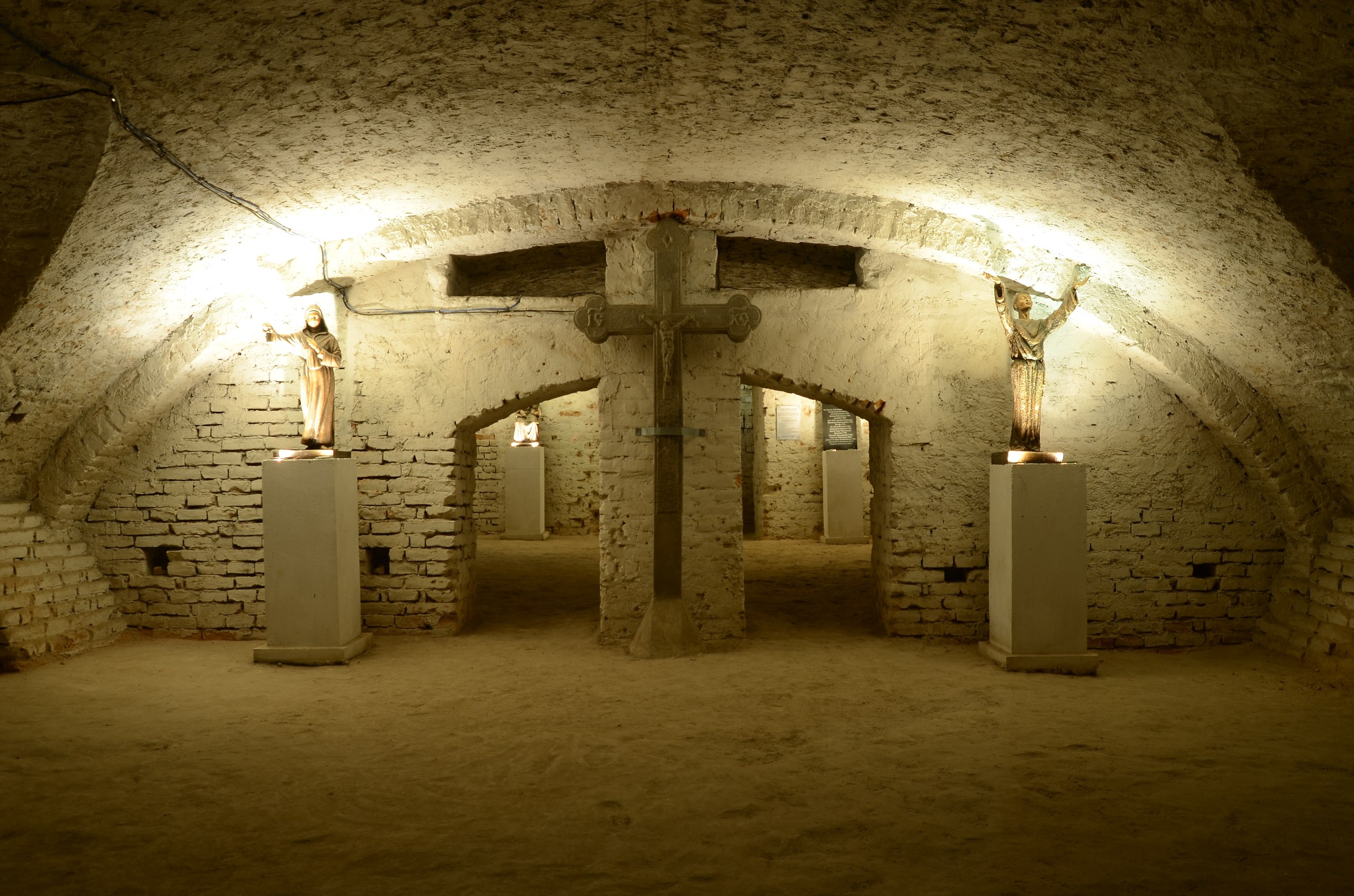
Students followed the curriculum of the Seven Liberal Arts, the educational model that formed the foundation of learning across medieval and Renaissance Europe. The Trivium, or the three language-based disciplines, consisted of grammar, rhetoric and dialectics (logic). These subjects taught students how to read critically, reason persuasively and communicate effectively. The Quadrivium focused on mathematics and the sciences, including arithmetic, geometry, astronomy and music. In Renaissance education, music was studied not only as an art but also as a mathematical discipline concerned with harmony and proportion. Advanced students continued with medicine, philosophy and theology.
“This curriculum placed Ostroh Academy firmly within the European academic tradition,” explains Anastasiia Kheleniuk. “It was no longer simply a school attached to a religious institution. It became a community of scholars engaged in research, while educating future generations.
That is why the academy occupies such an important place in the history of Ukrainian education. It demonstrates where this European model of learning first emerged on Ukrainian lands.”
Although the academy existed for only around sixty years, its influence proved far more enduring than its lifespan.
“Following Prince Vasyl-Kostiantyn’s death, unfortunately there was no one capable of maintaining the institution as a centre of Orthodox scholarship at the same level. Nevertheless, his life’s greatest achievement did not disappear.
The educational vision he created continued through the Kyiv Brotherhood School, which later evolved into the Kyiv-Mohyla Academy — today regarded as one of Ukraine’s oldest and most prestigious universities. Many of those who helped establish Kyiv-Mohyla had themselves studied in Ostroh. One example is Iov Boretskyi, who became the first rector of the Brotherhood School.”
Yet alongside the academy itself, there was another project of extraordinary significance unfolding at Prince Ostrozkyi’s court. While teaching students, the scholars he had gathered were simultaneously working on an ambitious undertaking: producing the first complete translation and printed edition of the Bible in Church Slavonic.
Translating the Holy Scriptures is an enormously demanding undertaking. How was it accomplished in the sixteenth century?
“It required both immense financial resources and remarkable organisational skill,” says Kheleniuk.
“Prince Vasyl-Kostiantyn assembled an exceptional library of biblical manuscripts and invited highly educated scholars of different backgrounds, nationalities and religious traditions to Ostroh. Their task was to compare texts written in the sacred languages of the time — Greek, Latin and Hebrew — and prepare an authoritative translation into Church Slavonic.
As a result, the prince’s court became one of Eastern Europe’s leading intellectual centres.”
Years of scholarly collaboration culminated in 1581 with the publication of the Ostroh Bible. Today it is recognised as the first complete printed edition of both the Old and New Testaments in Church Slavonic.
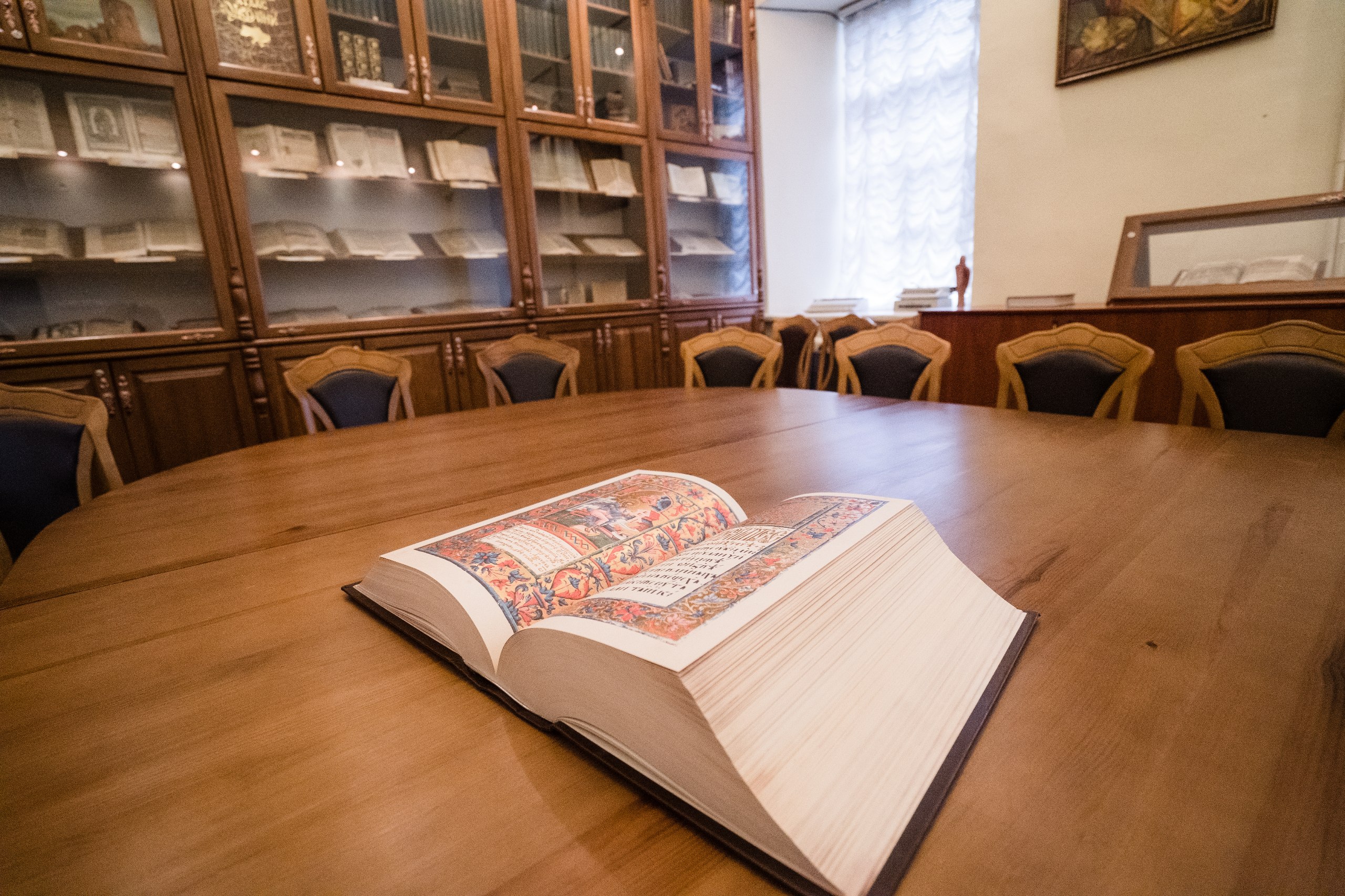
For Orthodox Christianity, its significance is comparable to that of other landmark vernacular or standardised Bible editions that shaped religious and cultural life elsewhere in Europe.
“This year we therefore celebrate another important anniversary,” Kheleniuk says. “It has been 445 years since the publication of the Ostroh Bible.”
Prince Ostrozkyi ensured that copies travelled far beyond his own lands. They were sent to the Ecumenical Patriarch of Constantinople, to the Pope in Rome, and to rulers across Europe, demonstrating that the Orthodox world possessed a sophisticated scholarly tradition capable of producing works of the highest intellectual quality.
“The publication of the Bible in Church Slavonic marked a new stage in the development of Orthodox literary culture,” Kheleniuk explains. “It showed that Orthodox scholarship could stand alongside the great intellectual traditions of Europe.”
When was Ostroh Academy revived? Whose idea was it to bring it back to life?
“It would be wrong to say that the academy simply vanished from history,” says Kheleniuk.
“Scholars continued to study its legacy, but outside academic circles very few people knew about it. When the idea of restoring the institution was first proposed, most Ukrainians had little understanding of what Ostroh Academy had actually been. In many ways, I believe the story of its revival is even more extraordinary than the story of its foundation.”
By the early 1990s, Ostroh was no longer the flourishing princely capital it had once been. Ukraine had only recently regained its independence following the collapse of the Soviet Union in 1991, and the country’s first years as a sovereign state were marked by severe economic hardship. Funding was scarce, public institutions were struggling, and many regarded the proposal to revive a centuries-old university as little more than an impossible dream.
“But,” Kheleniuk smiles, “a journey is completed by those who keep walking, even if their steps are small.”
A group of enthusiastic local residents refused to abandon the idea. They promoted it tirelessly, presenting their vision in government offices, universities and cultural institutions across the country. Soon they were joined by scholars from Kyiv-Mohyla Academy.
“There is a beautiful historical symmetry in that,” Kheleniuk says. “Centuries earlier, graduates of Ostroh Academy helped establish Kyiv-Mohyla. Now Kyiv-Mohyla was helping to restore Ostroh.”
Later, the initiative gained another influential supporter: Mykola Zhulynskyi, then Vice Prime Minister of Ukraine for Humanitarian Affairs. Together, the group persuaded President Leonid Kravchuk, Ukraine’s first president after independence, to sign a decree in 1994 officially restoring Ostroh Academy.
Starting anew is never easy. What happened after the presidential decree was signed?
“Once the President had signed the decree, the real work began,” says Kheleniuk. “The university had to be built from the scratch.”
She believes enormous credit belongs to the academy’s first rector after its revival, Professor Ihor Pasichnyk, who devoted thirty years of his life to rebuilding the institution.
“Together with a small group of lecturers — enthusiasts who came from different parts of Ukraine — he began restoring the academy. In those early years, many of them lived in student halls of residence alongside their students because there simply wasn’t any other accommodation.”
Resources were extremely limited.
“There was hardly any money. We lacked infrastructure, furniture, textbooks — almost everything universities normally take for granted.”
Yet despite these challenges, the institution grew remarkably quickly.
“In many ways, the academy was being reborn at exactly the same time as independent Ukraine itself. The people who came here understood they were taking part in something much bigger than creating another university. They were helping rebuild the country’s intellectual foundations.”
Since reopening in 1994, Ostroh Academy has undergone an extraordinary transformation. It welcomed its first intake of just 150 students, offering three academic programmes taught by a little more than a dozen lecturers.
Only six years later, in October 2000, the institution was granted the status of a National University, one of the highest distinctions awarded to universities in Ukraine. Today, the National University of Ostroh Academy educates around 3,000 students from across the country.
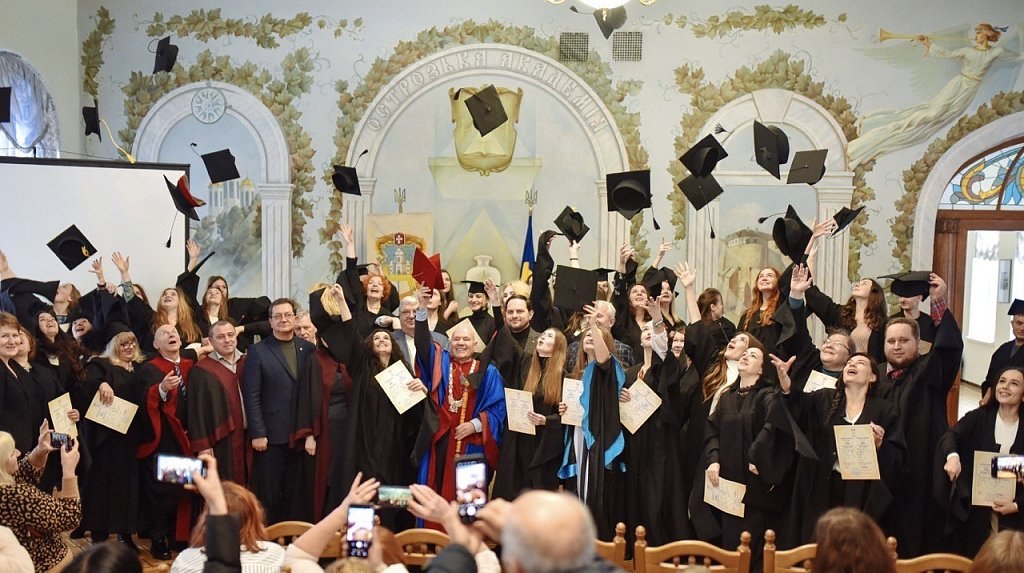
The university now offers more than 25 degree programmes, comprises five academic institutes, and employs approximately 250 lecturers, researchers and professors. Its current rector, Eduard Balashov, is himself a graduate of the academy. The university’s achievements have also gained international recognition.
Recently, the National University of Ostroh Academy confirmed its strong academic standing by entering the HE Higher Education Ranking 2026, placing it seventh among thirty Ukrainian universities included in the ranking and 104th among 507 universities worldwide.
As I understand it, the original sixteenth-century academy buildings have not survived. What does the university campus look like today?
“Unfortunately, the original academy no longer exists,” Kheleniuk says. “Only a memorial marker beside Ostroh Castle indicates where the institution once stood.”
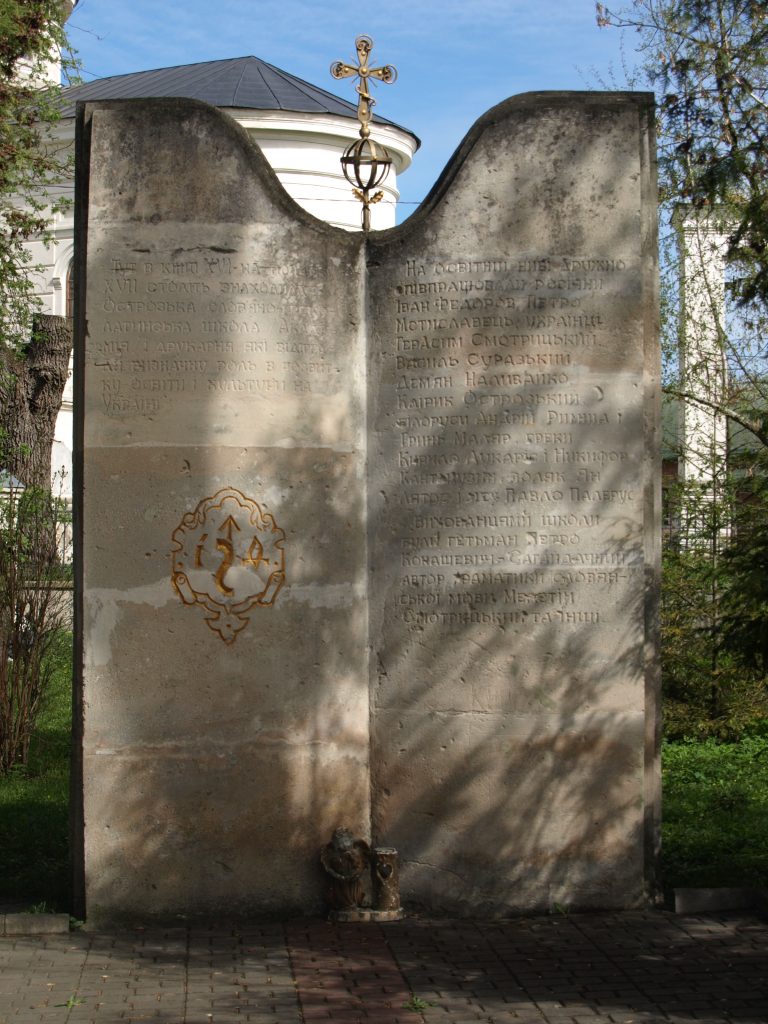
After the Ostrozkyi family died out, the town gradually lost its status as an intellectual centre. Its history became increasingly turbulent.
“In the late eighteenth century, following the partitions of the Polish–Lithuanian Commonwealth, Ostroh became part of the Russian Empire. In the twentieth century it belonged to Poland for a period, before being occupied by the Soviet Union, then devastated during the Second World War, and afterwards remaining under Soviet rule until Ukraine regained its independence in 1991.”
Each political era left its mark on the town’s architecture and cultural landscape. As a result, the revived university occupies a very different complex of historic buildings. Today, its campus is centred around structures dating from the mid-eighteenth century, including the former Capuchin Monastery. The Capuchins are a branch of the Roman Catholic Franciscan Order, known for their commitment to education, scholarship and community service across Europe.
“The revival of the academy also led to renewed interest in the history of these buildings,” says Kheleniuk.
“Today they form part of our university’s identity.”
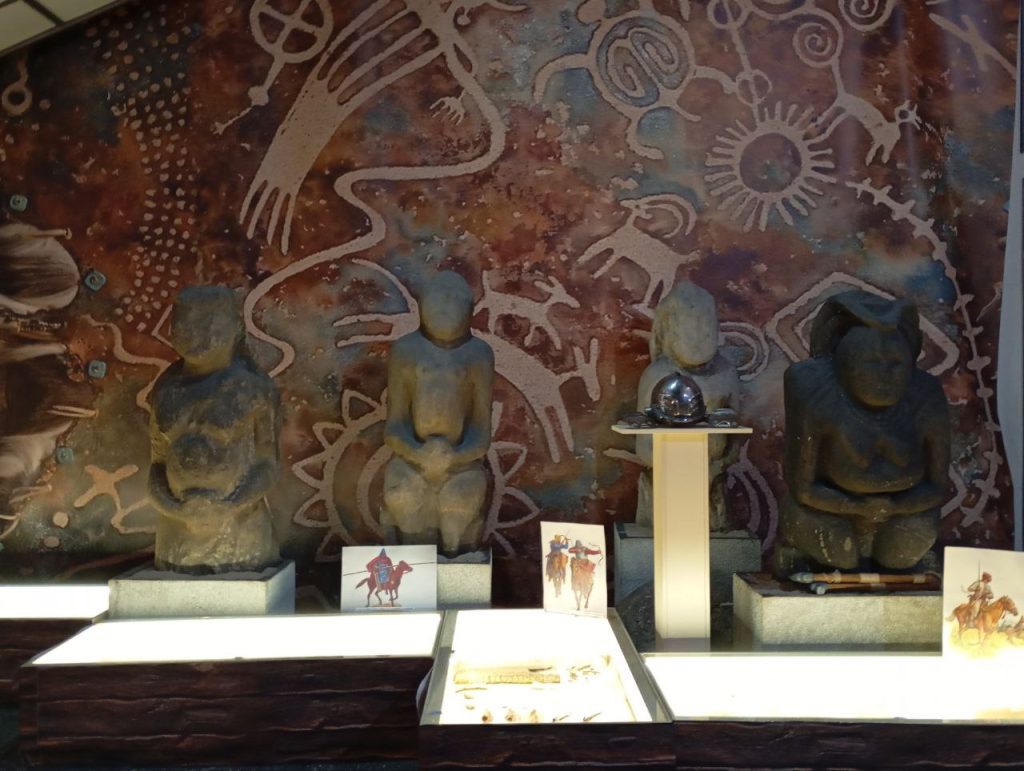
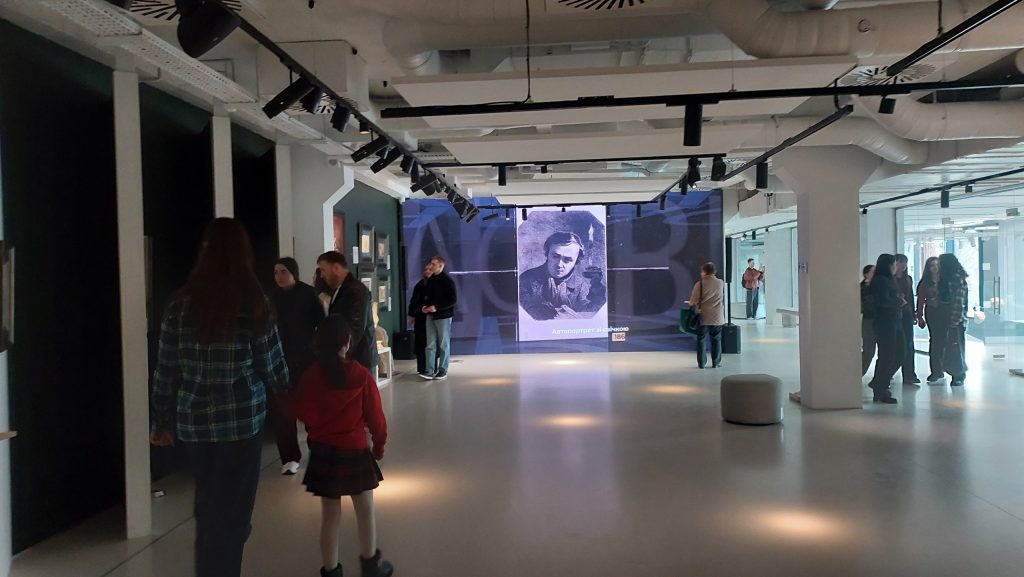
The university museum documents not only the academy’s past but also the people who lived and worked here over the centuries and the history of the buildings themselves.
When was the museum established?
“The idea first came from Petro Andrukhov, one of the people behind the revival of the academy,” Kheleniuk explains. “He began collecting materials that could eventually form the basis of an exhibition.”
The museum opened its first gallery in 1997, inside the university’s main building. Its founding director was Yaroslava Bondarchuk, who devoted many years to expanding the collection through research, archival work and the creation of new exhibitions.
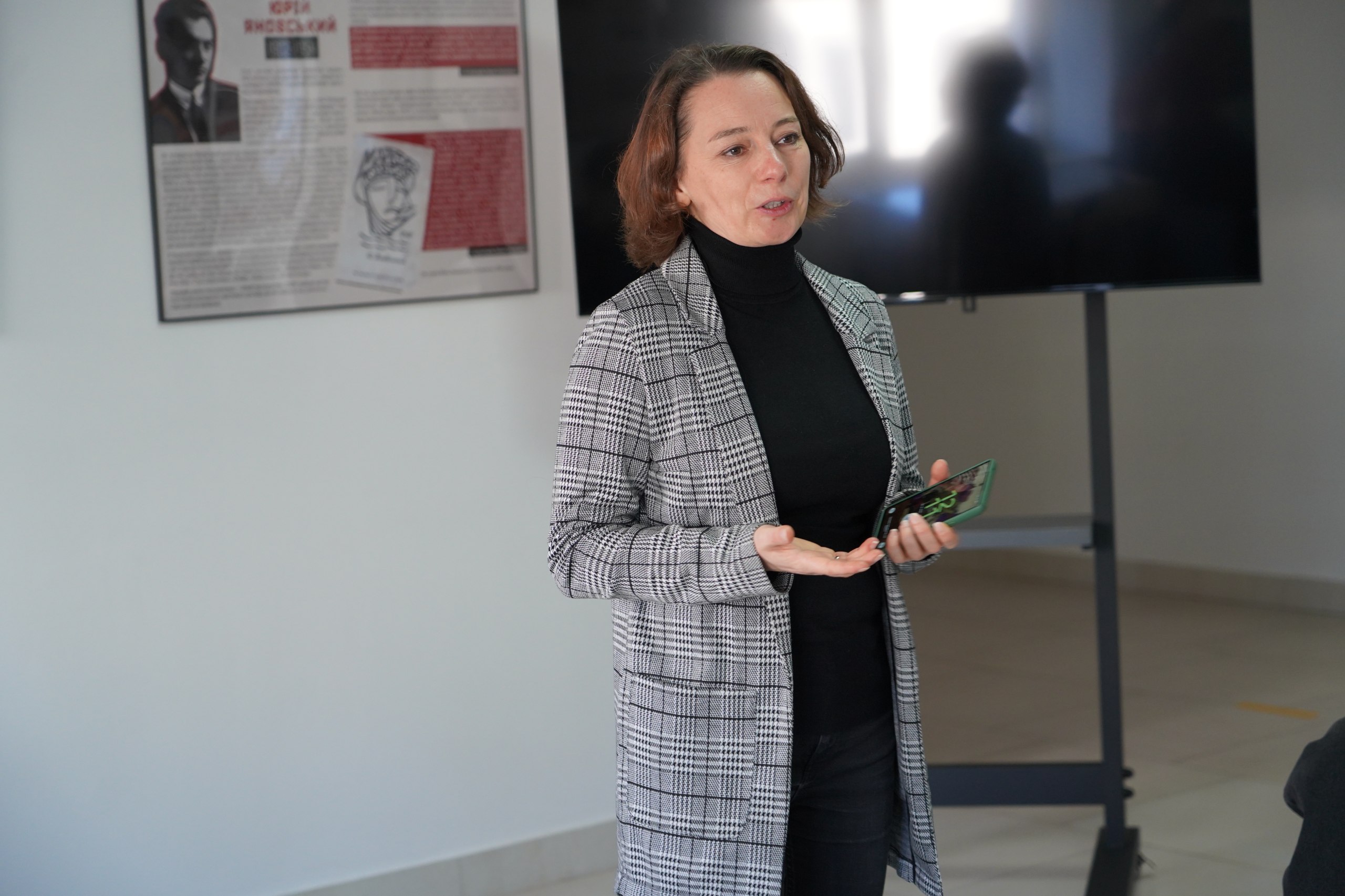
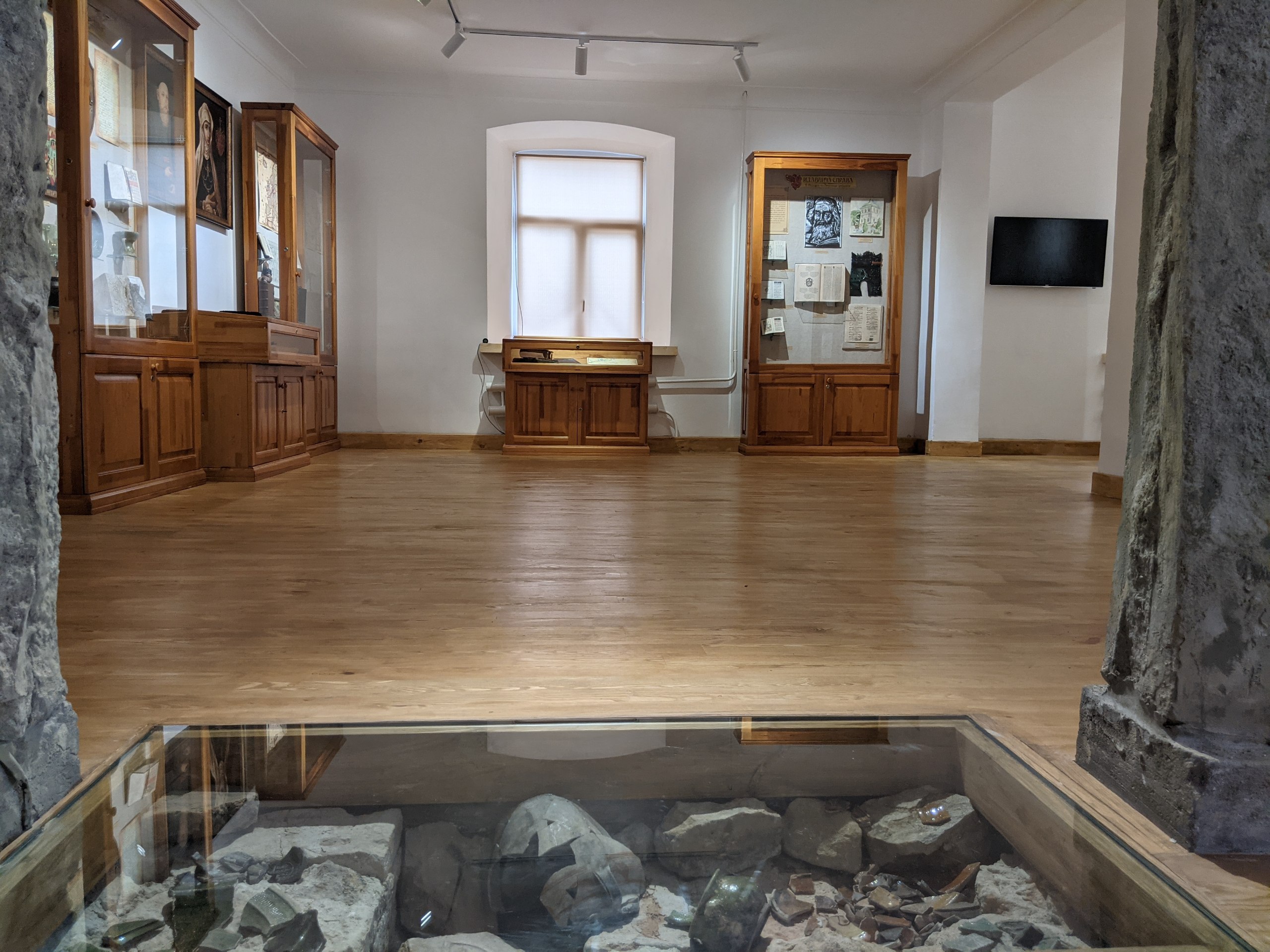
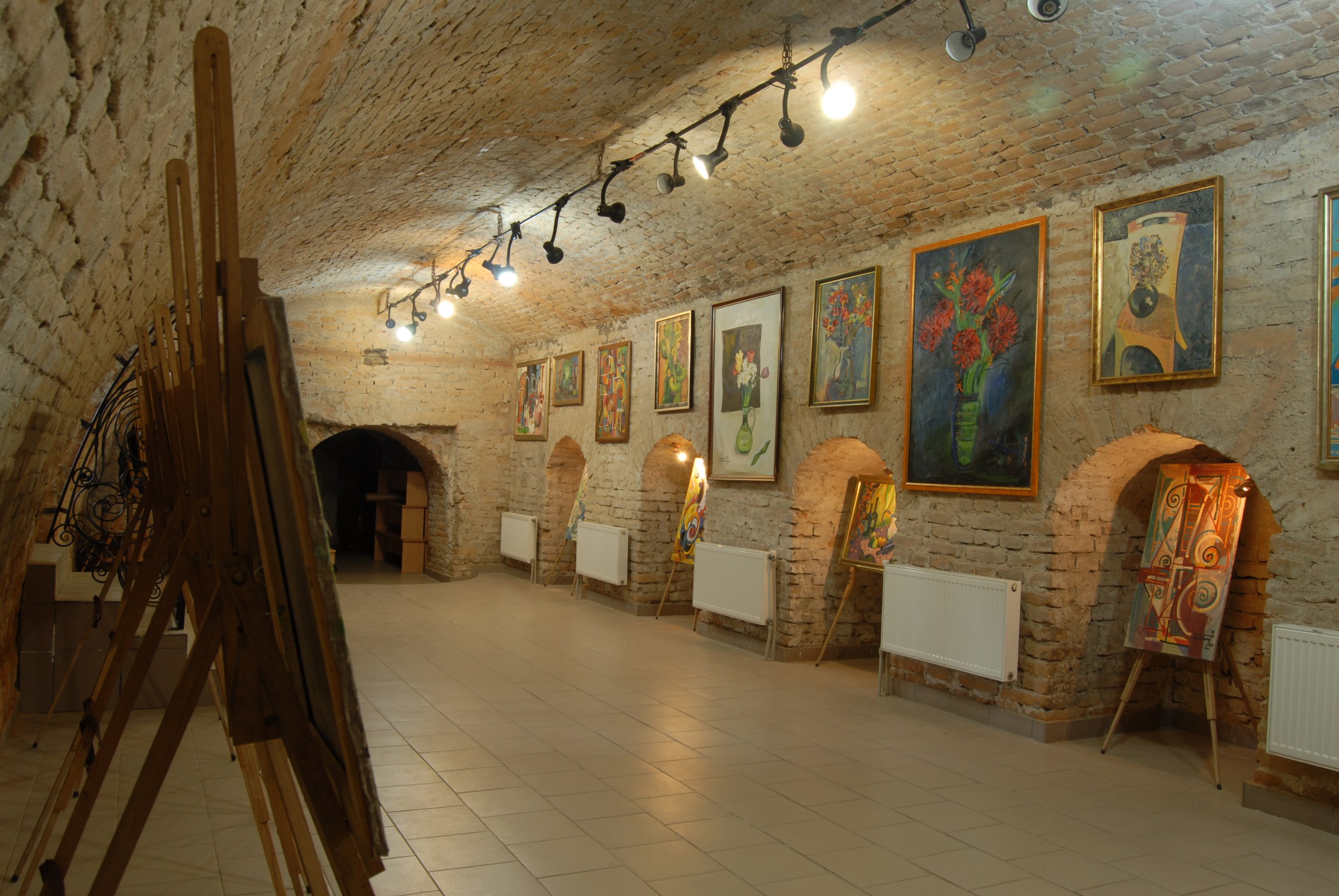
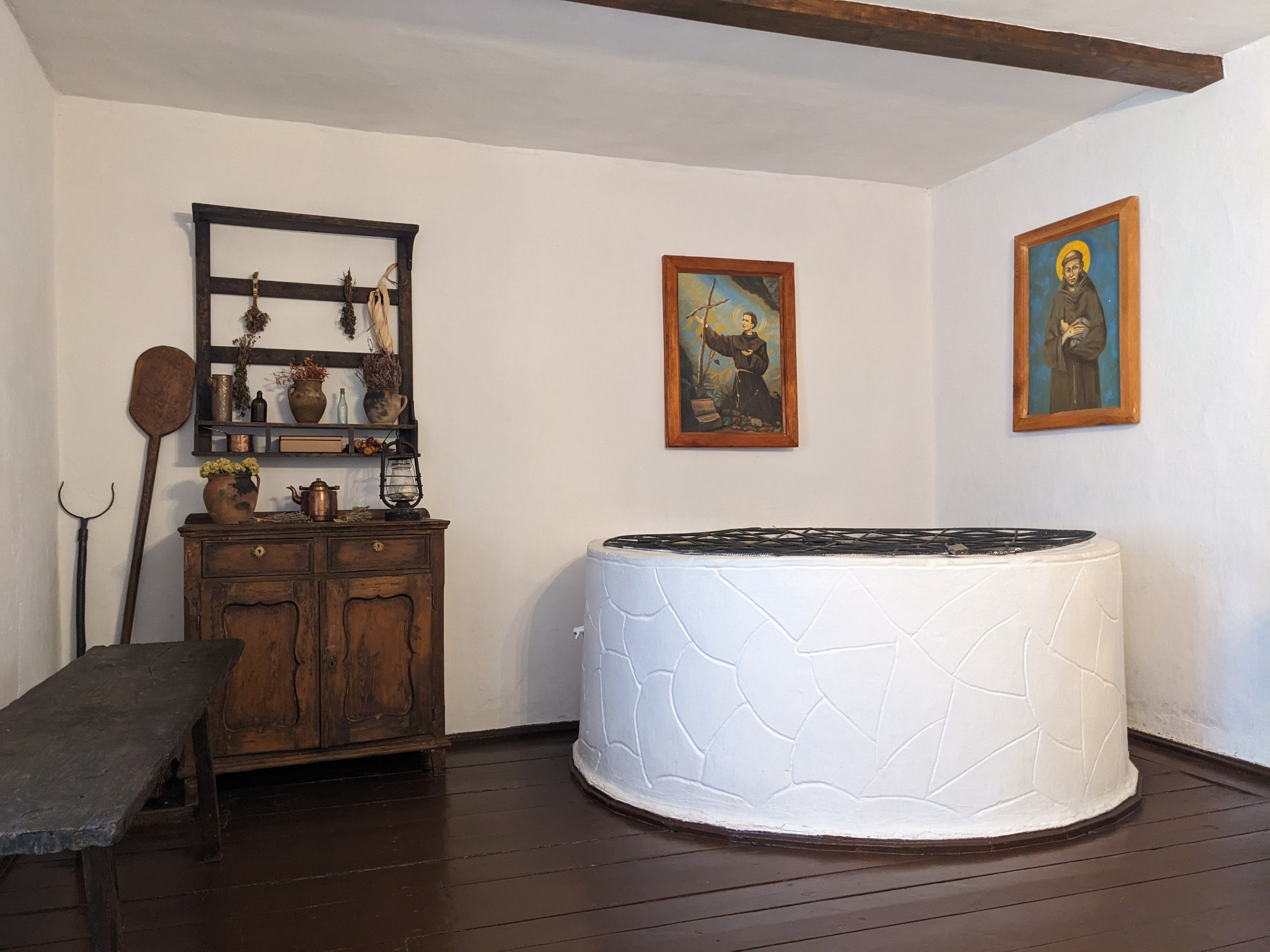
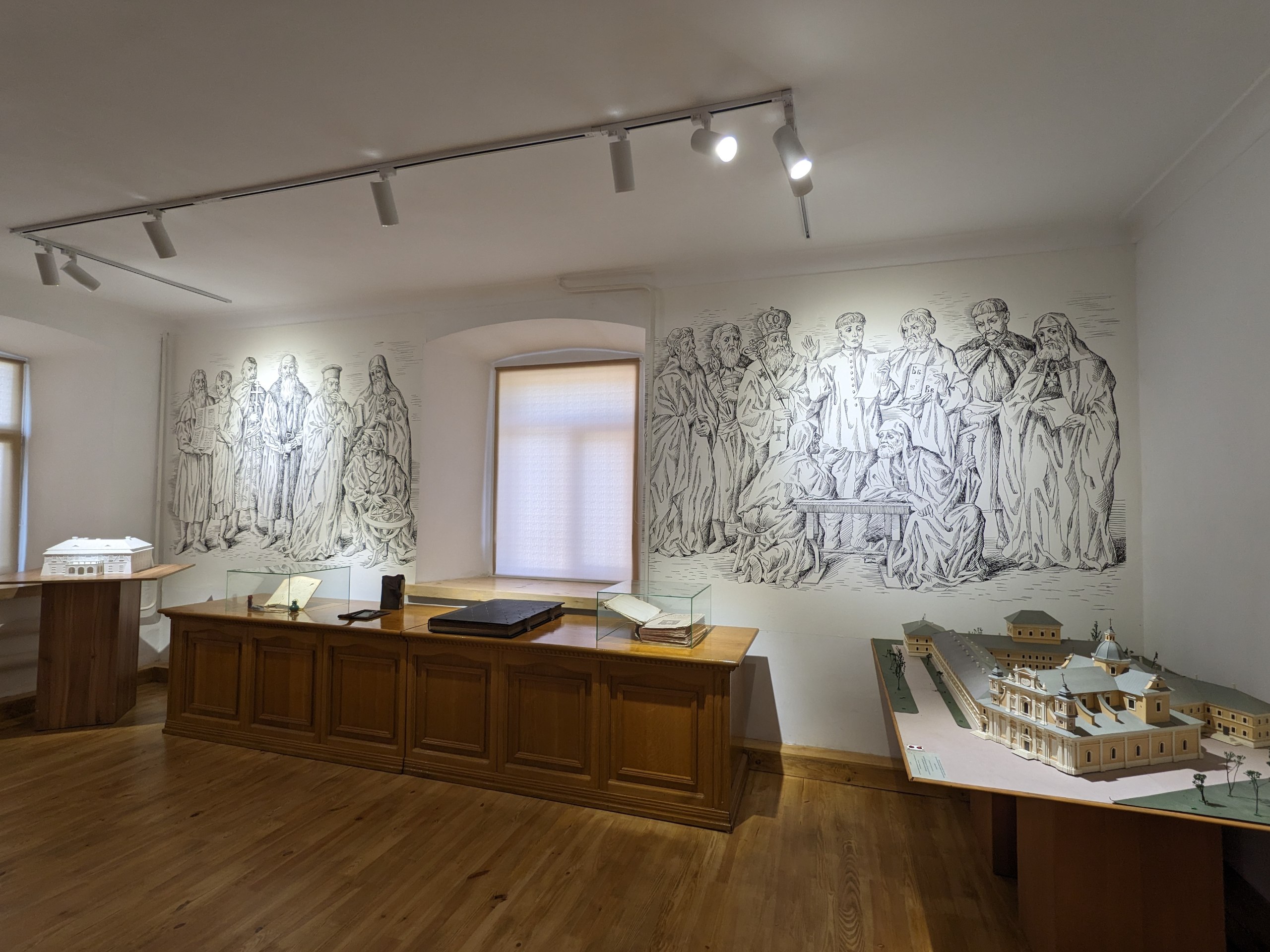
“It is important to understand that our museum is not a separate institution,” says Kheleniuk. “It is one of the university’s academic departments.”
Over nearly three decades, what began as a single exhibition room has developed into an extensive museum complex.
“Since 1997 we have never stopped growing,” she says. “New exhibitions, collections and spaces continue to appear.”
Today the museum has become one of the defining features of Ostroh Academy.
“Many visitors now see the academy not only as a university but also as a cultural destination. People come here to learn about Ukrainian history, education and heritage.”
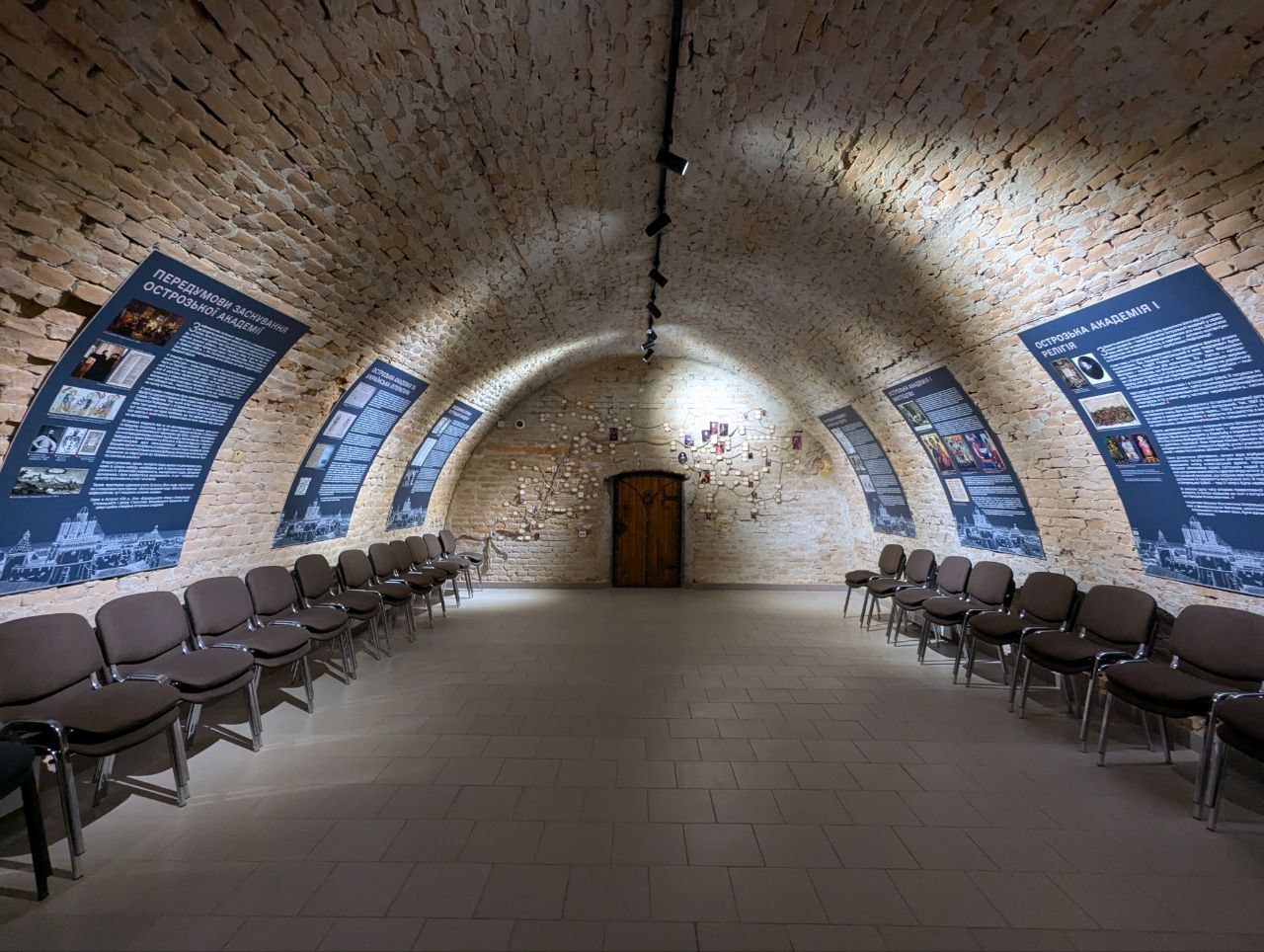
For the university, the museum serves as an important form of public engagement.
“It is our conversation with visitors, tourists and guests of the city.”
Kheleniuk has directed the museum since 2010. During that time, she and her colleagues have launched numerous new projects. Before Russia’s full-scale invasion of Ukraine in 2022, the university also housed an acclaimed underground art gallery, while permanent exhibitions devoted to the academy’s history were completely redesigned and expanded.
“And we still have many ideas waiting to be realised,” she says.
Every visitor to Ostroh Academy is offered a guided tour of the museum complex.
“It helps people understand not only the university’s remarkable past but also its present mission.”
“Because,” she adds, “a university is far more than a place where students receive degrees.”
“It is also a place where valuable artefacts, historical documents and collections are preserved, studied and shared with society.”
Where did the museum’s collections come from?
“That is another fascinating story,” says Kheleniuk. “Almost everything we have has been donated.”
Rather than acquiring collections through purchases, the museum has grown thanks to the generosity of private individuals, collectors and benefactors who entrusted the university with preserving their cultural heritage.
“It reflects a partnership with Ukrainian society,” she explains. “People believed their collections would be safe here, carefully preserved, researched and made accessible to future generations.”
Following Russia’s full-scale invasion of Ukraine in 2022, some of the museum’s most valuable collections had to be removed from public display for security reasons.
“Although certain exhibits can no longer be displayed physically, we continue to provide access through digitised collections whenever possible.”
Over the years, the museum has become a guardian not only of the academy’s own history but also of Ukrainian cultural heritage more broadly.
“It is part of what we consider our university legacy.”
Among its holdings are around 600 works of art, including paintings, sculptures and icons, as well as an important collection of early printed books and rare publications, many of which were donated by private benefactors.
How has the number of visitors changed since the beginning of the war?
“Let’s start with the years before COVID,” Kheleniuk says. “In 2017 and 2018 we welcomed around 14,000 visitors annually.”
For a town the size of Ostroh, she explains, that was an extraordinary number.
“It was almost equal to the town’s entire population.”
Then came the pandemic. During the first year of COVID-19, museum visits virtually stopped because guided tours were prohibited. The following year, staff gradually resumed excursions whenever restrictions allowed. Then Russia launched its full-scale invasion of Ukraine.
“Once again, visitor numbers fell dramatically.”
Yet the recovery has been encouraging.
“Over the past two years we have welcomed approximately 7,000 visitors each year.”
For the museum, this represents a hopeful sign.
“Throughout the tourist season we have guided tours almost every day.”
Just before this interview, Kheleniuk had received another booking.
“It was made by two British visitors,” she smiles. “They come to Ostroh regularly because they work with local volunteers supporting the Armed Forces of Ukraine, delivering vehicles for use on the front line. That means a great deal to us.”
Finally, could you tell us about the university library?
“The library is the heart of our university.”
When the academy reopened in the 1990s, its library contained only a few dozen books.
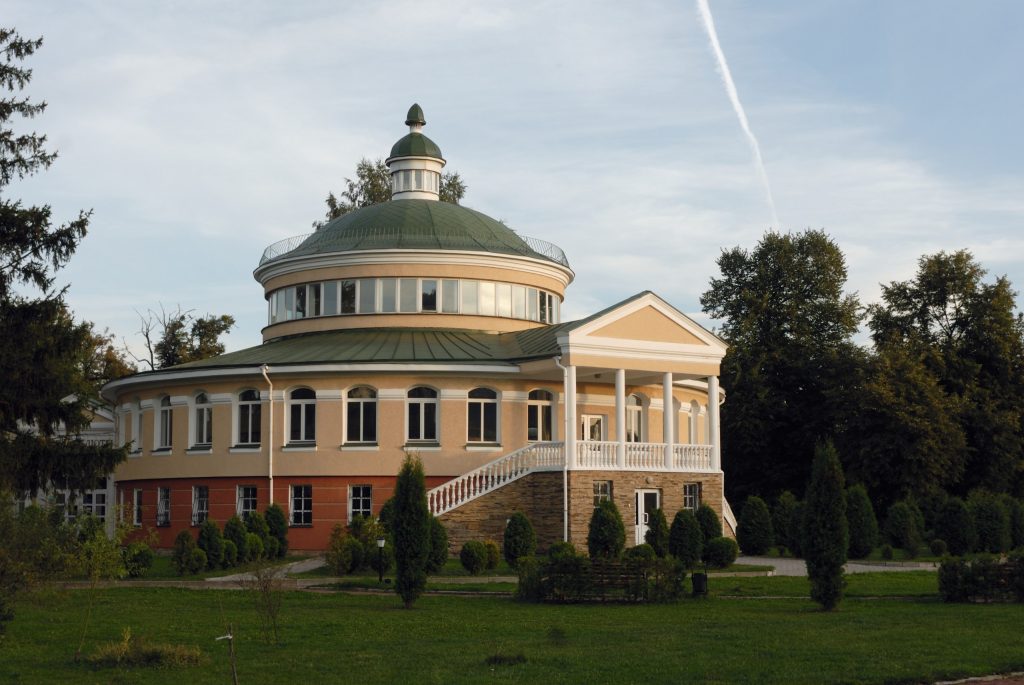
“There was an urgent need to build a proper academic collection so our students would actually have something to study.”
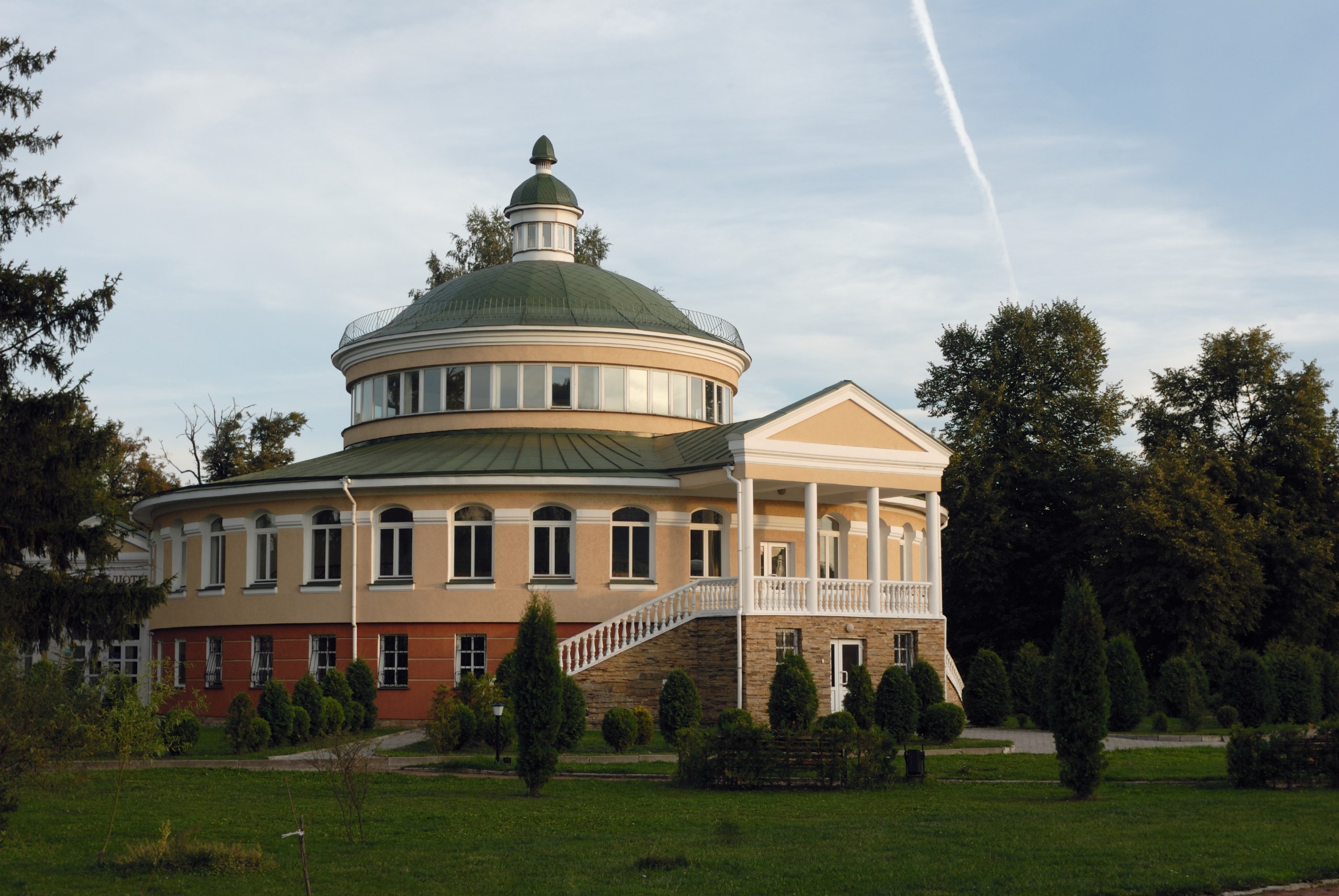
The university leadership appealed for help. Scholars, alumni, collectors and benefactors responded by donating books from their own private libraries. Before long, the growing collection had outgrown its modest premises. In 2006, the university completed one of the most ambitious projects in its modern history — the construction of a new library. Today, it is regarded as one of the architectural landmarks of Ostroh. The university’s first rector after its revival, Professor Ihor Pasichnyk, was awarded the State Prize of Ukraine in Architecture for the project. Perhaps even more remarkably, the building was constructed without any state funding. Every contribution came from benefactors. Inside the library, commemorative plaques bear the names of those who made its construction possible.
“If you read those names carefully,” Kheleniuk says, “you will notice that many belong to Ukrainians living abroad.”
“In other words, the library was built with the significant help of the collective efforts of the Ukrainian diaspora around the world.”
For the university, this carries deep symbolic meaning.
“The story of Ostroh Academy’s revival is the story of thousands of people who believed in the idea.”
Some believed it thirty years ago. Others continue believing today.
“And they continue helping our students.”
According to Kheleniuk, the university has transformed not only education but the town itself.
“It gave Ostroh a second life.”
Every year thousands of students, researchers and visitors arrive from across Ukraine and abroad. The steady flow of people has helped local cafés, bookshops, hotels and small businesses develop, making the university one of the town’s most important economic and cultural institutions.
“That is why we often describe Ostroh as a university town.”
The concept is familiar in countries such as the United Kingdom, where places like Oxford, Cambridge, St Andrews and Durham are inseparable from the universities that shaped their identity.
“In Ukraine, however, this model remains unusual.”
During the Soviet period, higher education became concentrated in large industrial cities, where enormous universities with tens of thousands of students were established.
The idea that a small historic town could host one of the country’s leading universities was largely a pipe-dream. Ostroh challenges that assumption. Today it remains one of the very few small Ukrainian towns whose university consistently ranks among the country’s leading classical universities. Yet numbers alone do not explain the town’s appeal.
“Ostroh has its own rhythm,” Kheleniuk says. “It is a place with a unique atmosphere.”
Its historic centre still preserves architectural monuments commissioned by the Ostrozkyi princes centuries ago, including the medieval castle keep (donjon) and the fortified barbicans known today as the Lutsk Gate and the Tatar Gate — rare examples of Renaissance defensive architecture inspired by European military engineering.
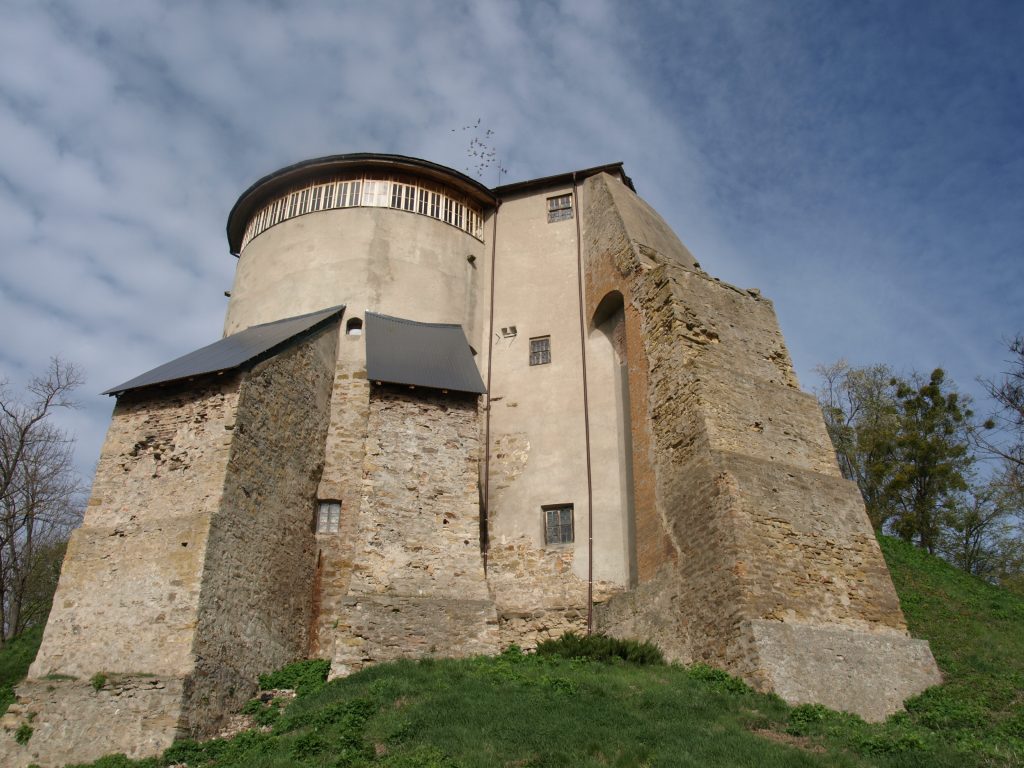
“It is a remarkable story,” she concludes. “And it deserves to be known far beyond Ukraine.”
Text: Liudmyla Pryimachuk
Photos: Liudmyla Pryimachuk, Anastasiia Kheleniuk
Ukrainian text Editor: Anastasiia Zanuzdanova
English text Editor: Helen Lewis