2026 can confidently be called the Year of Ivan Franko: this year, the 27th August will mark the 170th anniversary of his birth, whilst on 28 May it will be 110 years since his death.
Ivan Franko was one of Ukraine’s most important writers, thinkers and public intellectuals. A poet, novelist, translator, journalist, scholar and political activist, he helped shape modern Ukrainian literature and cultural identity. In Ukraine, his name is often mentioned alongside Taras Shevchenko and Lesia Ukrainka as part of the country’s literary canon.
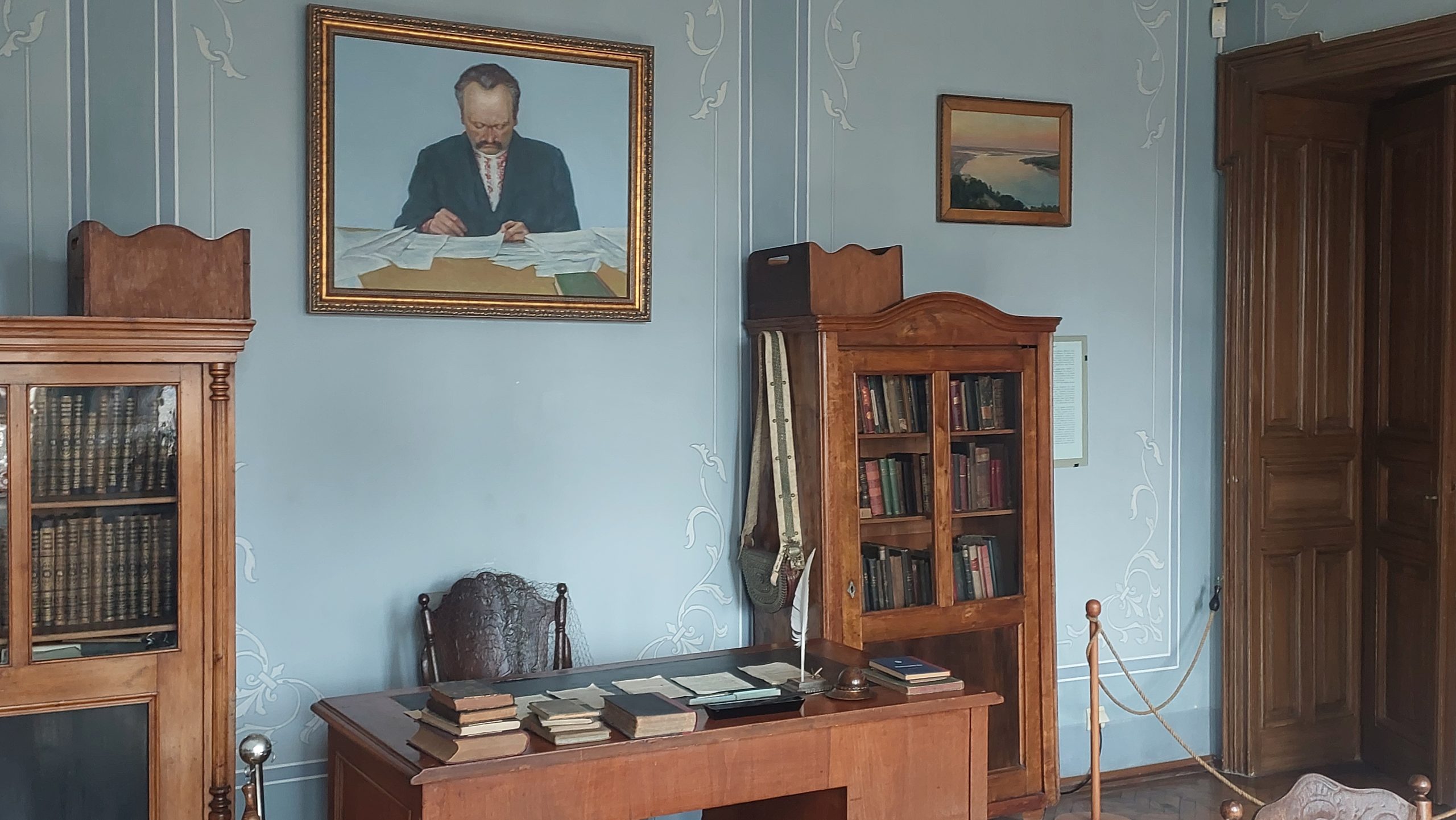
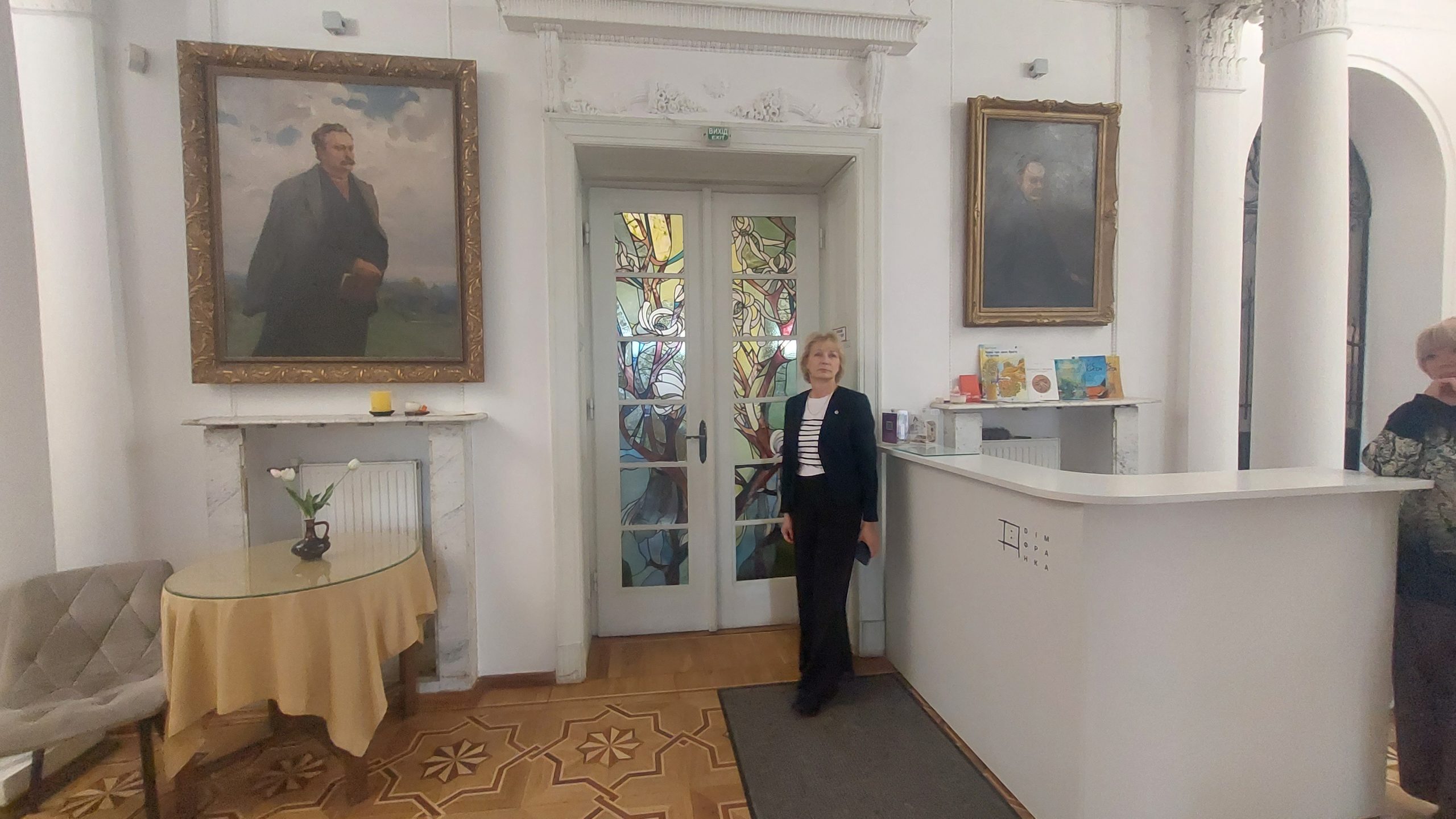
The Franko House is the Ivan Franko Lviv National Literary and Memorial Museum, located in the villa where the writer spent the last fourteen years of his life. It preserves his family home, personal belongings, manuscripts and archives, whilst also working as a contemporary cultural space with exhibitions, performances, children’s programmes and public events.
This spring, during a trip to Lviv, I visited the Franko House and became convinced that the legacy of this classic of Ukrainian and world literature is not merely a body of work familiar to everyone from school days, frozen in time. It is alive, has a contemporary voice, and takes forms that feel relevant today.
The House Was Bought with His Wife’s Dowry
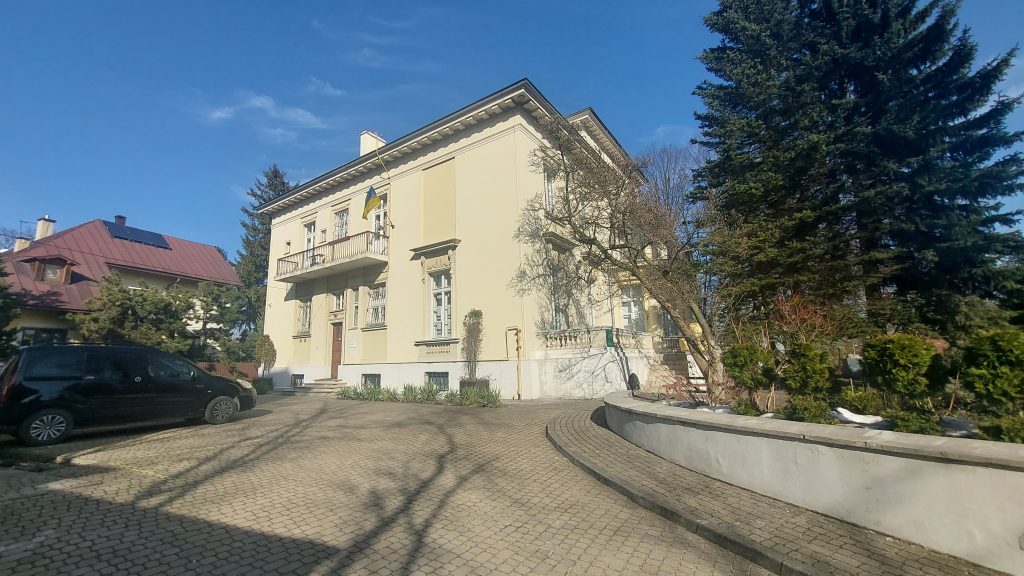
The best place to begin discovering Franko’s world is his villa at 150/152 Ivan Franko Street, where he spent the last fourteen years of his life. The Ivan Franko Lviv National Literary and Memorial Museum, or simply the Franko House, is more than just a museum — it’s a space where the presence of the family, their habits, and everyday life can still be felt. It was here, in the Sofiivka district, that the writer fulfilled one of his greatest dreams — to settle into his own home with his wife and children.
“Initially, Franko did not have a home of his own. When he came to Lviv from Nahuievychi village, he was nineteen and entering university. He rented various flats — thirteen in total. Today, while walking around Lviv, you can still see memorial plaques on the buildings where he lived. Unfortunately, some of those buildings have not survived. It was only after Ivan Yakovych started a family that he began dreaming of his own home. Here, that dream came true,” says Marta Voloshanska, Head of the Scientific and Exhibition Department at the Franko House.
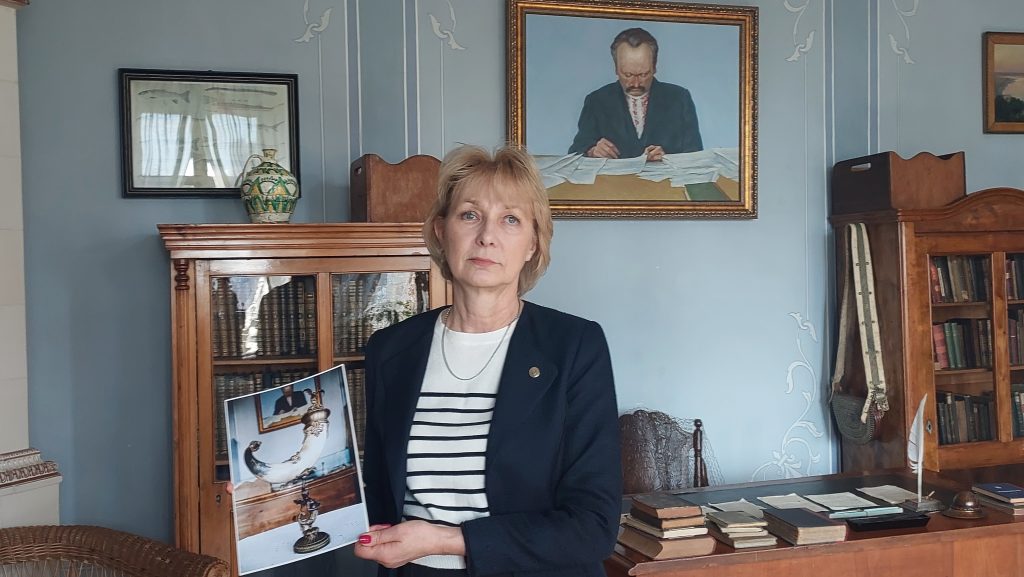
The area where Franko chose to settle looked entirely different then — far less built up, greener and more spacious. This was exactly what attracted the family. The district was called Sofiivka because the Church of Saint Sophia stood nearby. A park had already been established there, then known as Jan Kiliński Park. Today it is Stryiskyi Park — one of the most beautiful parks in Europe. Franko used to walk there with his wife and noticed land for sale. They decided to buy it.
The story behind it is equally interesting: in 1898, Lviv marked the twenty-fifth anniversary of Franko’s literary career, and the public presented him with a sum of money. Franko later wrote that this gift allowed him to start thinking about owning a house. Adding their savings and his wife’s dowry, the family purchased the plot. By 1902, they finally moved in.
“We have wonderful memories recorded by the children about how they arranged life here,” continues Marta Voloshanska. ”There were four children in the family — three sons: Andrii, Taras and Petro, and the youngest, a daughter, Hanna. Their daughter remembered planting flowers with her mother, and for them it was a little paradise.
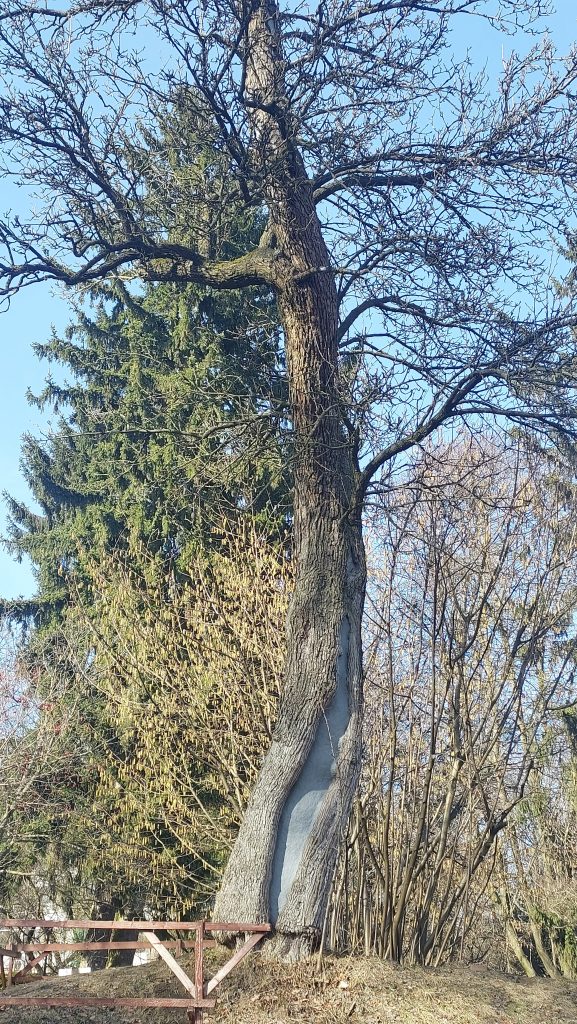
The sons recalled that the first thing they did was go with their father to a gardener, bought grafts of fruit trees and shrubs, and planted an orchard. One tree from that orchard survives to this day — a pear tree. It still grows and bears fruit. The pears ripen at the end of August, right around Franko’s birthday on the 28th. Visitors who are welcomed at this time are treated to fruit from this tree.”
Preservation of the house not only captures its authentic interior, but also its atmosphere. This is the special value of the museum, which has existed for over eighty years, since 1940. The idea for establishing it belonged to Franko’s third son, Petro Franko, who became its first director.
During Soviet times, the museum exhibition had to conform to the ideology of the period. Guides often spoke more about the proletariat or ties with Russian literature than about Franko himself. Yet even then, researchers working here preserved invaluable heritage. Today, museum staff aim to move beyond those stereotypes and present Franko as a complete person — a writer, scholar, and family man.
Today, the Franko House is not only a place preserving memory but also an active cultural space constantly seeking new ways to engage visitors. There are standard tours providing essential knowledge, as well as five theatrical tours. One of them, Visits to the Frankos, features Franko and his wife welcoming guests. Another, The Franko Children About Their Father, lets the writer’s “children” tell fascinating stories. There are also programmes for children built around games and quests. For museum staff, it is important that everyone discovers their own Franko.
“Three Times Love Appeared to Me”
In this house, history does not feel frozen — it breathes, changes, and reveals itself anew to everyone who crosses its threshold. The writer known to every Ukrainian from school textbooks hides many surprises. Starting with the fact that he was red-haired rather than dark-haired, as he is often depicted, and ending with one of his lesser-known passions — fishing.
The story of the Franko family unfolds within these walls as a complex, layered narrative. A special place belongs to Olha Khoruzhynska — a woman who was not only Ivan Franko’s wife, but also his ally, partner, and a person with her own difficult destiny.
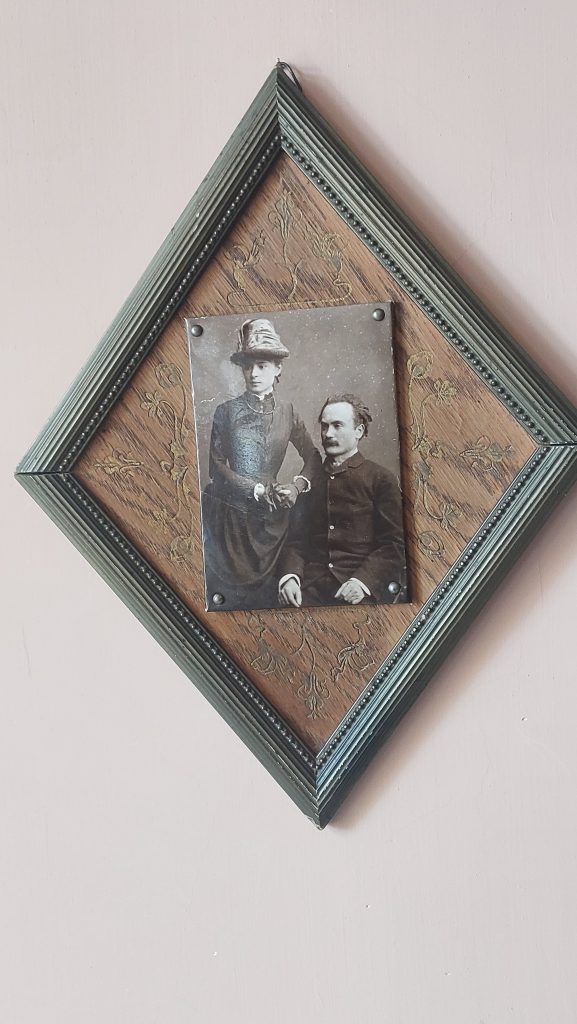
“She was a highly educated woman born into a noble family,” notes Marta Voloshanska. “Olha graduated from a school for noble girls in Kharkiv and later studied higher women’s courses in Kyiv. At that time women could not study alongside men at universities, so separate institutions existed. She spoke several foreign languages and was a pianist. She lived in Kyiv, where intellectual circles gathered — the Kosach family, the Lysenkos — and Franko also visited. She understood that environment well and belonged to that intellectual world.”
It was within this environment that her world view developed and later naturally merged with life alongside Franko. Their marriage was not accidental. Although some Franko scholars today argue that it was unhappy and that Olha suffered greatly within it, this interpretation is questionable.
“They had four children, so saying there was no love or affection is entirely wrong,” believes Marta Voloshanska. “Three of the children left memoirs, and all wrote warmly about their parents’ relationship. They recalled that their parents placed great importance on both physical and intellectual development. Sport, study, and reading were encouraged. All the children received a good education, spoke foreign languages, and helped their father with publishing activities. Each had their own talents, and that was undoubtedly thanks to the parents who invested in their development.”
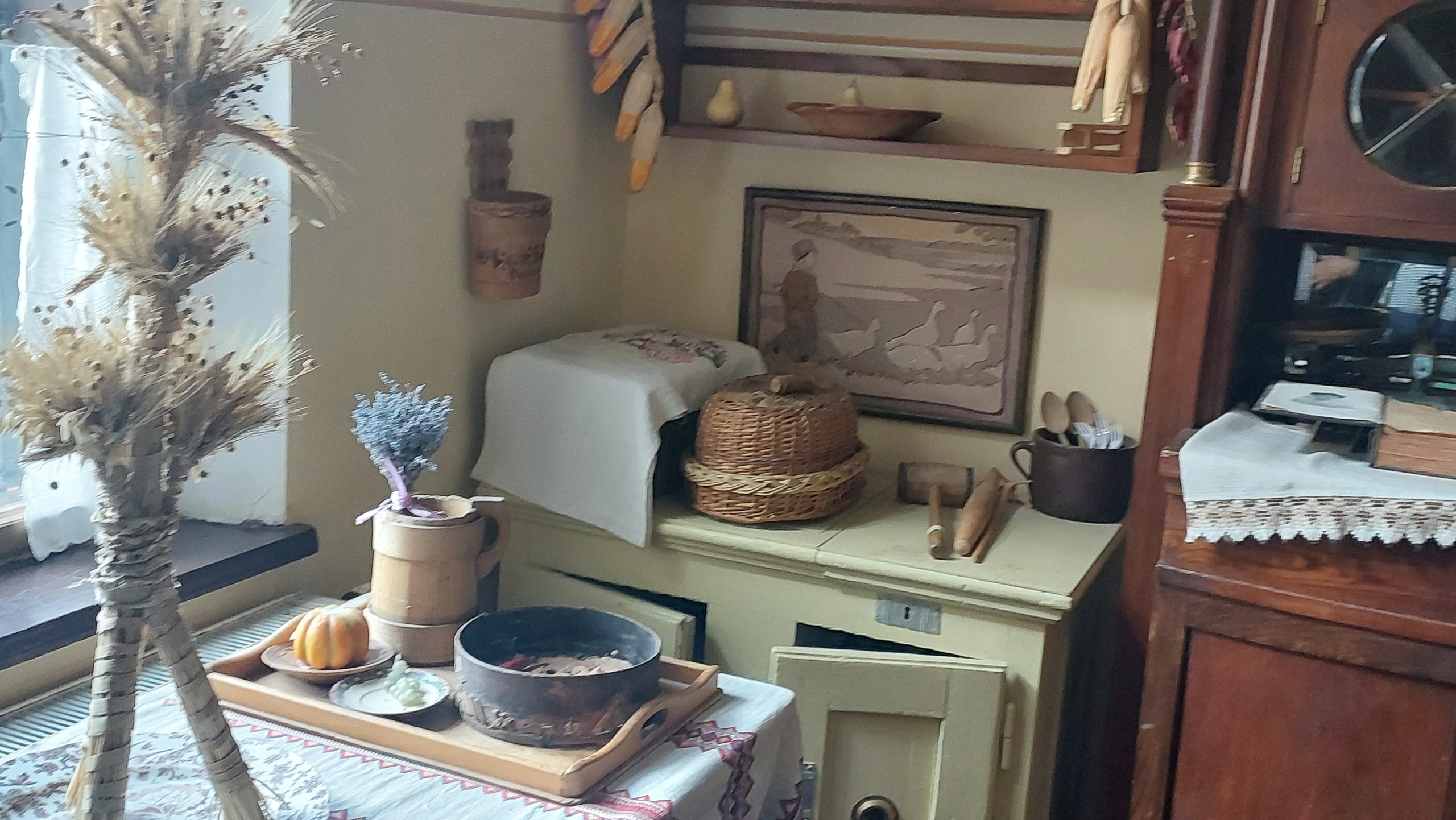
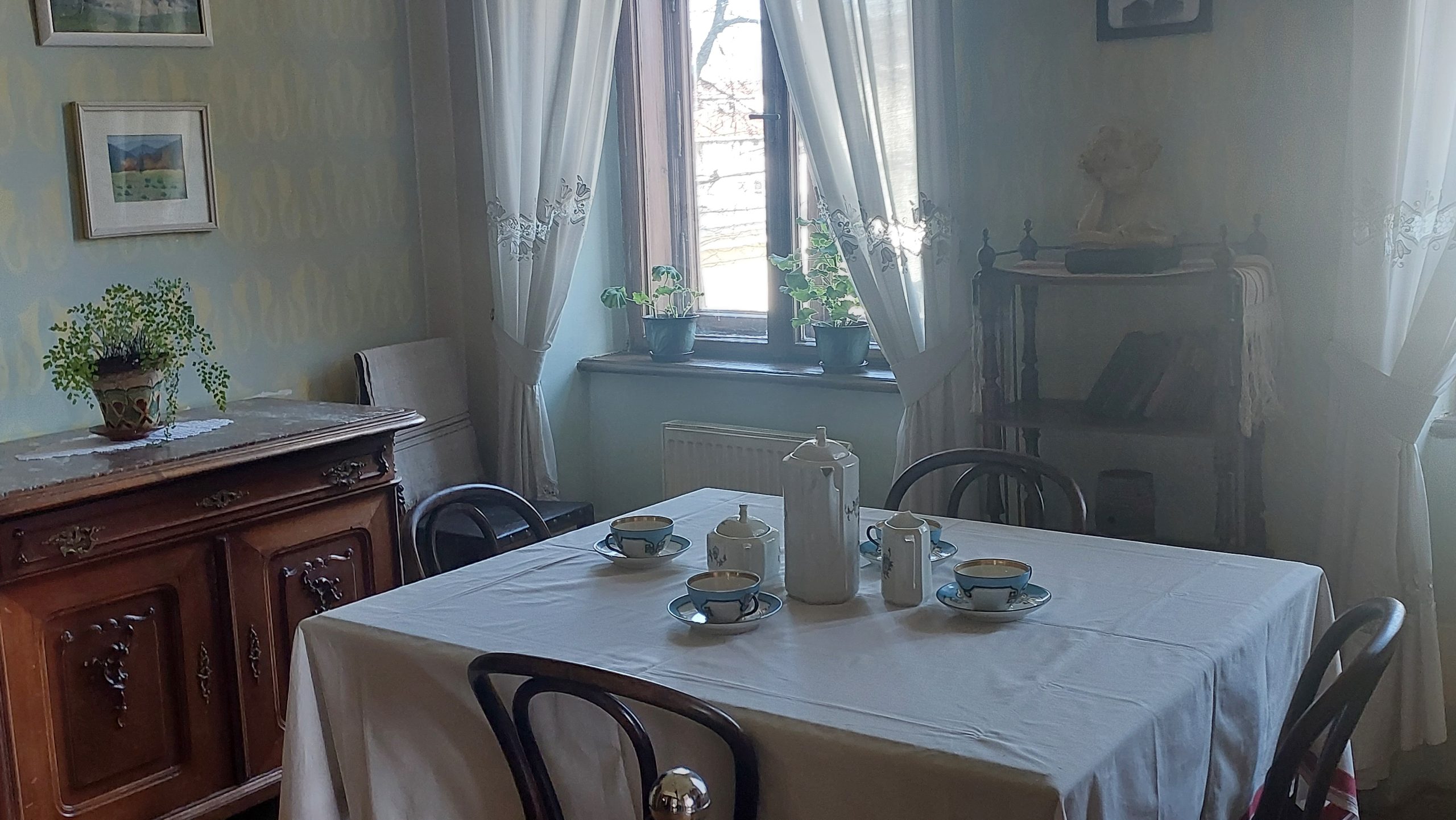
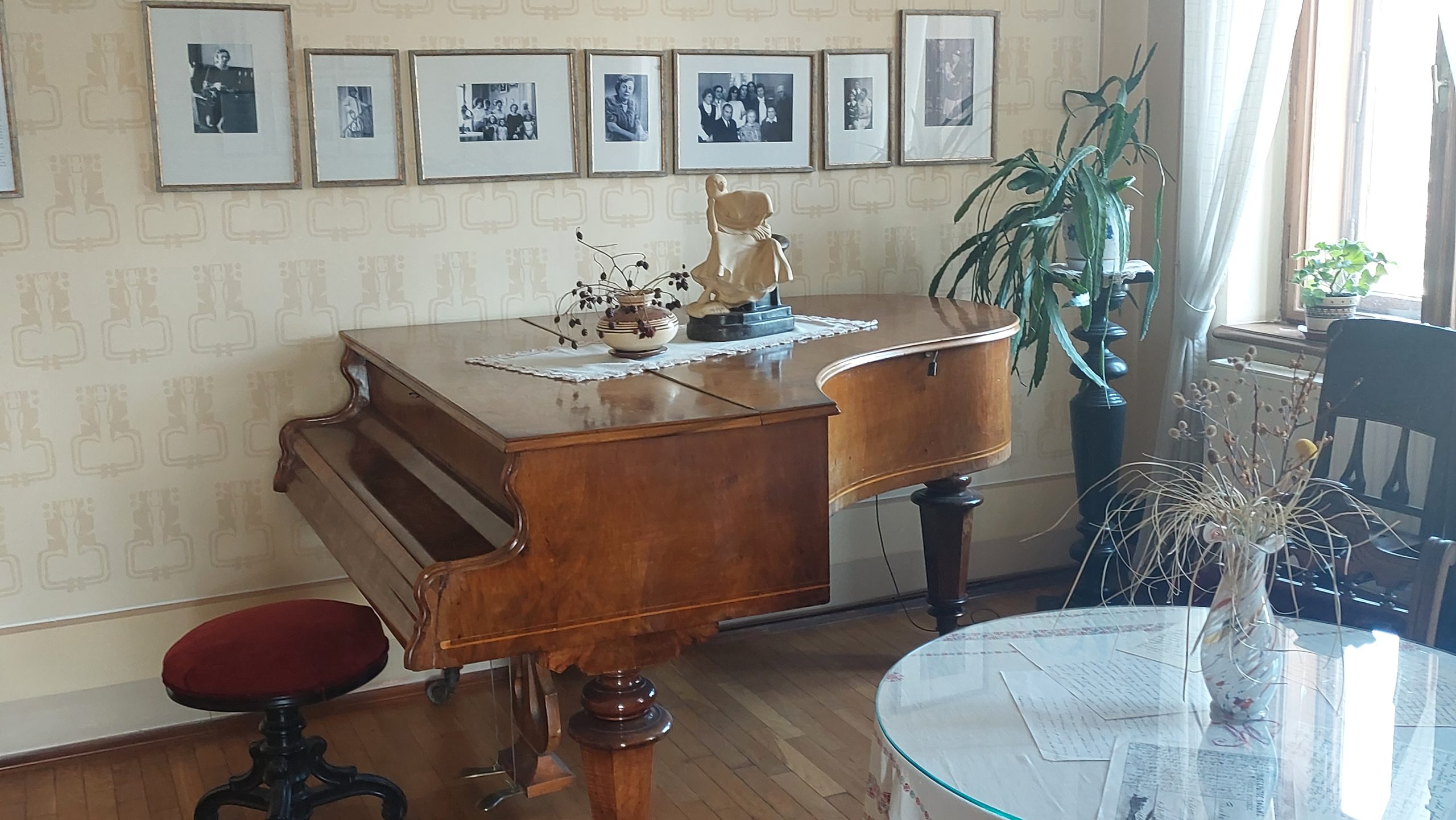
This was a family where upbringing was conscious and carefully considered. Therefore, portraying Franko as a tyrant towards his wife, as is sometimes written, is inaccurate. Khoruzhynska carried much of the domestic burden — raising children and managing the household. Helpers existed but not always, and she often handled everything herself. She organised life in such a way that Franko could work, which was a tremendous contribution. She even advised him on publishing matters, and money from her dowry funded some publications, including the almanac Life and Word.
As for other women, Franko himself wrote in one poem: “Three times love appeared to me.” These referred to three important women in his life.
The first was Olha Roshkevych, his youthful love from grammar school years. The second was Józefa Dzwonkowska, a Polish woman Franko fell in love with during his student years. She was exceptionally beautiful yet distant, refusing all suitors because she suffered from tuberculosis, which soon took her life. This love remained largely idealised.
“The third woman who caught Franko’s attention, soon after his marriage, was Celina Żurowska,” explains Marta Voloshanska. “She worked at the post office. She did not return his feelings, had no interest in his work, and treated him rather indifferently. It was perhaps this unattainability that intensified his interest.”
However, there is no evidence of a real romantic relationship or mistresses in the conventional sense. Franko himself wrote in letters that his love was often “paper love” — idealised, more an internal experience than a real connection. He even jokingly advised younger colleagues to fall in love for creative inspiration. This suggests that emotions for him were closely linked with poetic imagination rather than practical personal life.
The Franko Children Had Dramatic Lives
Today, the Franko House carefully preserves everything connected with this remarkable family — their joys, achievements, hopes, and tragedies.
In 1913, the eldest son Andrii died suddenly at just twenty-six years old. He was highly talented and already had academic publications. According to Marta Voloshanska, this was a devastating blow, especially for his mother, as Andrii had been her favourite child.
The tragedy severely affected Olha Khoruzhynska’s health. It happened during the year marking the fortieth anniversary of Franko’s literary career. By then, however, Franko himself was seriously ill. The active stage of his illness began around 1908. Doctors at the time could not establish the diagnosis, but today it is known to have been rheumatoid polyarthritis. He was treated incorrectly with preparations containing mercury and arsenic, which only worsened his condition.
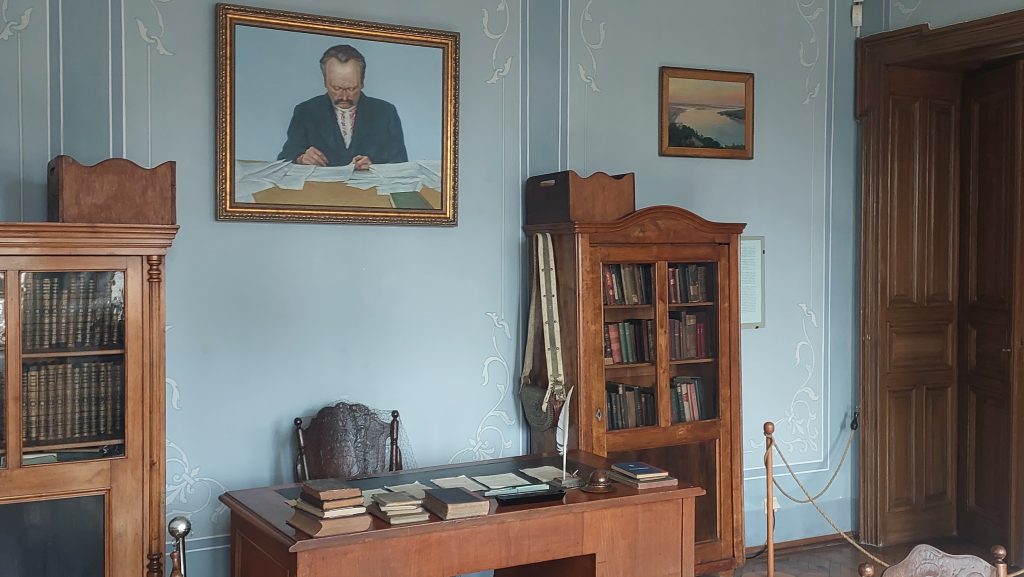
The illness deprived him of the ability to work normally but did not break his spirit.
“His hands were paralysed, and for a writer that is terrifying,” says Marta Voloshanska. “They say a pencil was even tied to his hand so he could continue writing. He could not imagine life without work.”
His final years unfolded against the backdrop of the First World War, which ultimately separated the family. Daughter Hanna went to Kyiv in 1914 and could not return because of the war. Sons Taras and Petro joined military service. His wife was in a psychiatric hospital. Franko himself was gravely ill and cared for by friends.
He returned home in March 1916, aware that the illness was progressing. He wanted to remain within familiar walls. Students helped him as secretaries, since he worked until the very last days. Yet in reality, he died alone — without his family beside him.
Despite these tragedies, the Franko family left a powerful legacy. Taras Franko later became director of the museum from 1947 to 1949 but was dismissed because the exhibition did not fit Soviet ideology. He was effectively forced to move to Kyiv and worked under surveillance.
Petro Franko was equally remarkable. “He was extremely multifaceted,” explains Marta Voloshanska. “He graduated from Lviv Polytechnic and became a chemical engineer. At the same time, he was deeply involved in sport and became one of the founders of the physical culture movement, writing the book Rukhanka. Thanks to him, physical education lessons appeared in schools. He was also among the founders of Plast.
Plast is a Ukrainian scouting organisation founded in the early twentieth century. It played an important role in educating generations of young Ukrainians through community service, outdoor skills, discipline and civic responsibility.
During the war Petro Franko became an officer in the Ukrainian Galician Army and a pilot. He was arrested in 1941, deported, and disappeared. The family never learned what happened to him.”
Creative Ideas Become Reality Through Grants
Beyond its exhibitions and memorial rooms, the Franko House lives another important life — that of a modern cultural space. Here, memory is not only preserved but constantly made relevant.
One example is the old pear tree in the courtyard. Several years ago it was under threat and required complex treatment. Museum staff organised charity events, exhibitions, and even an art auction to save it. Funds raised allowed them to invite specialists to restore the tree.
The result became more than restoration. The space was reimagined into The Meadow Under the Pear Tree — an open-air venue used during warm seasons. A stage was installed, tents provide shade, and benches and tables were added. Today it hosts chamber concerts, theatre performances, book presentations, and children’s events.
The museum itself remains well maintained thanks to constant care. Funding, however, is not straightforward. Core support from the regional council covers only basic needs. Since 2018, staff have actively worked with grant programmes, including the Ukrainian Cultural Foundation, House of Europe, and regional initiatives.
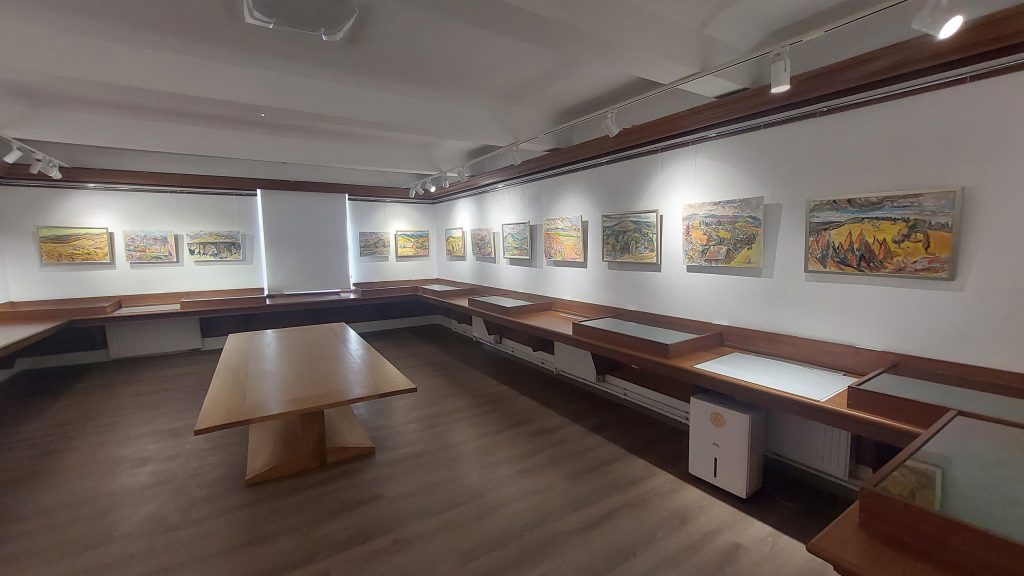
While many Ukrainian museums struggle for survival, the Franko House continuously develops projects — exhibitions, educational products, restoration, and digitisation.
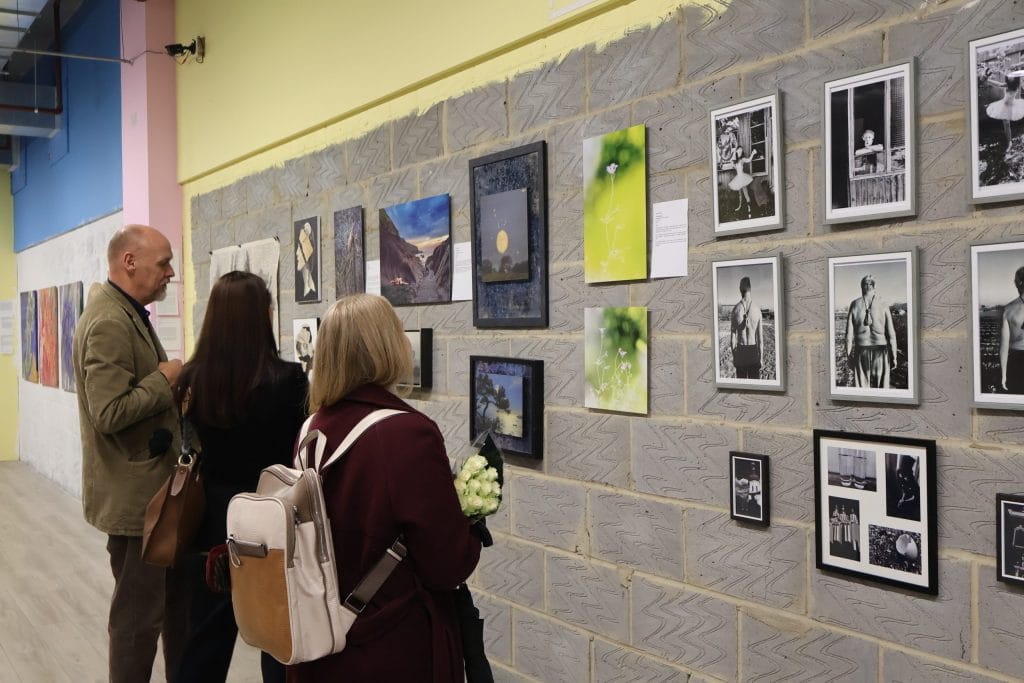
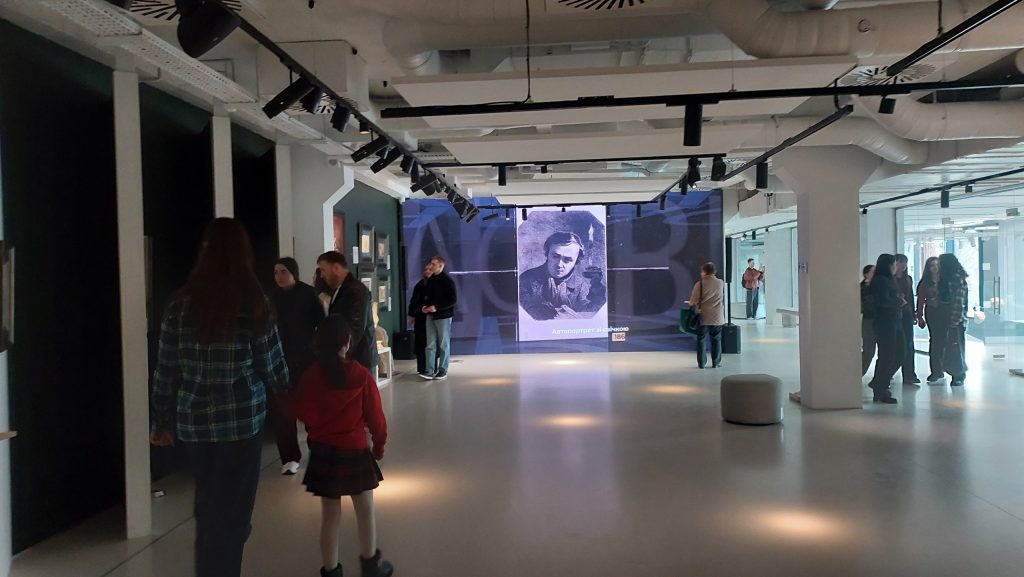
The museum collection contains around 38,000 items, including manuscripts, books, paintings, sculptures, and decorative arts. Exhibitions rotate monthly across three galleries, combining pieces from museum collections with works by contemporary artists.
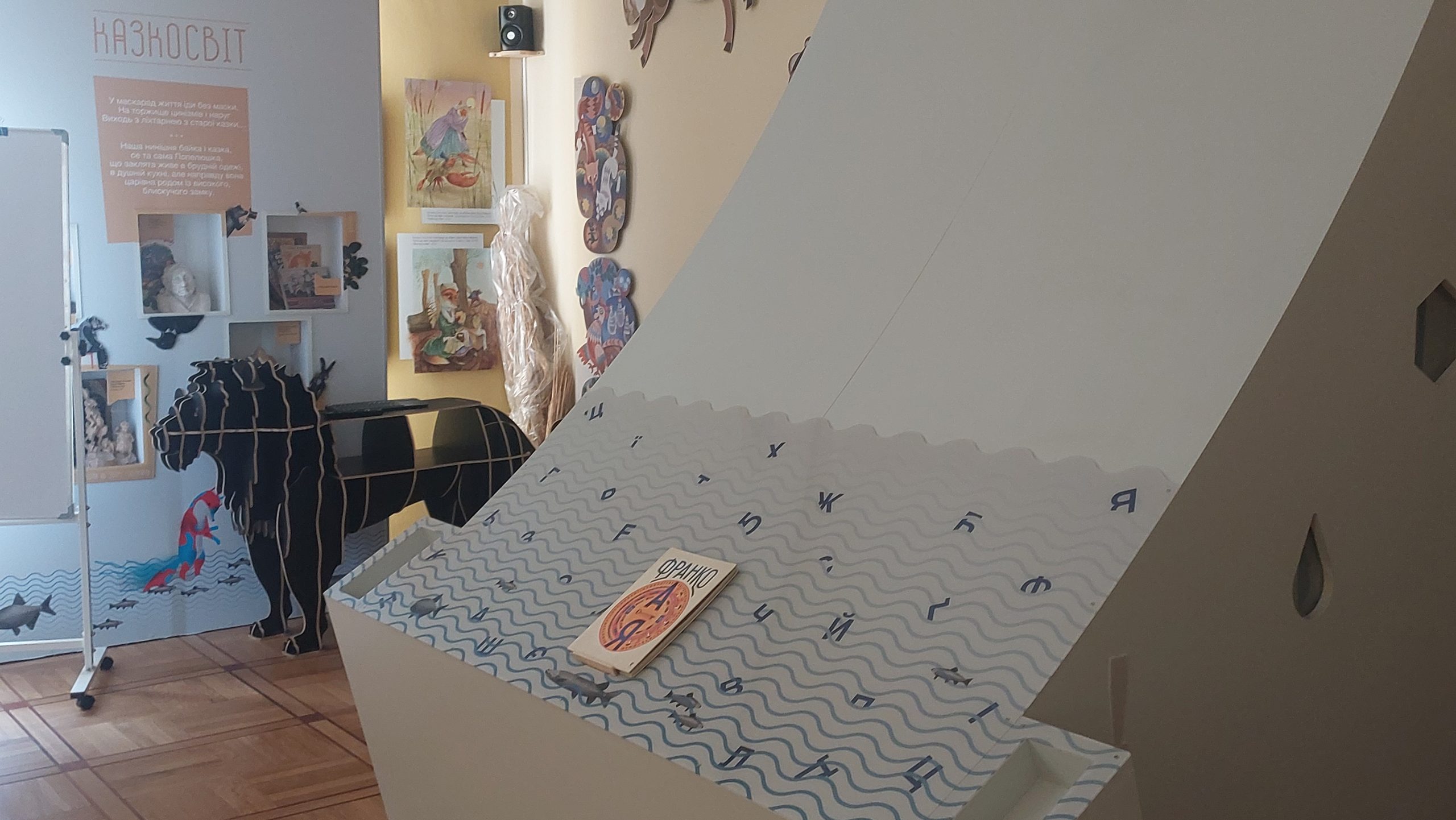
Special attention is given to children. Interactive spaces include puppet theatre, drawing areas, and opportunities to engage with exhibitions.
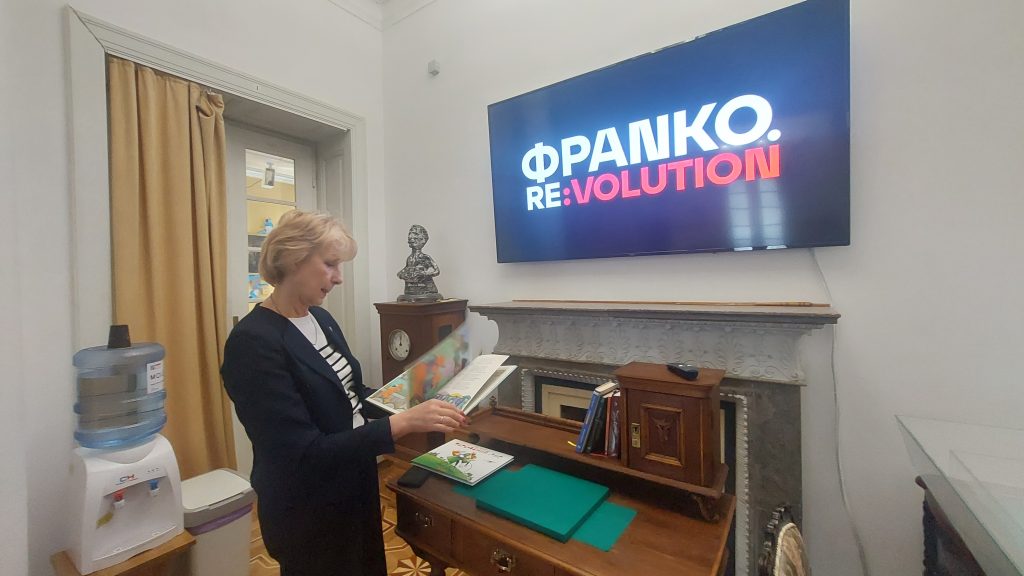
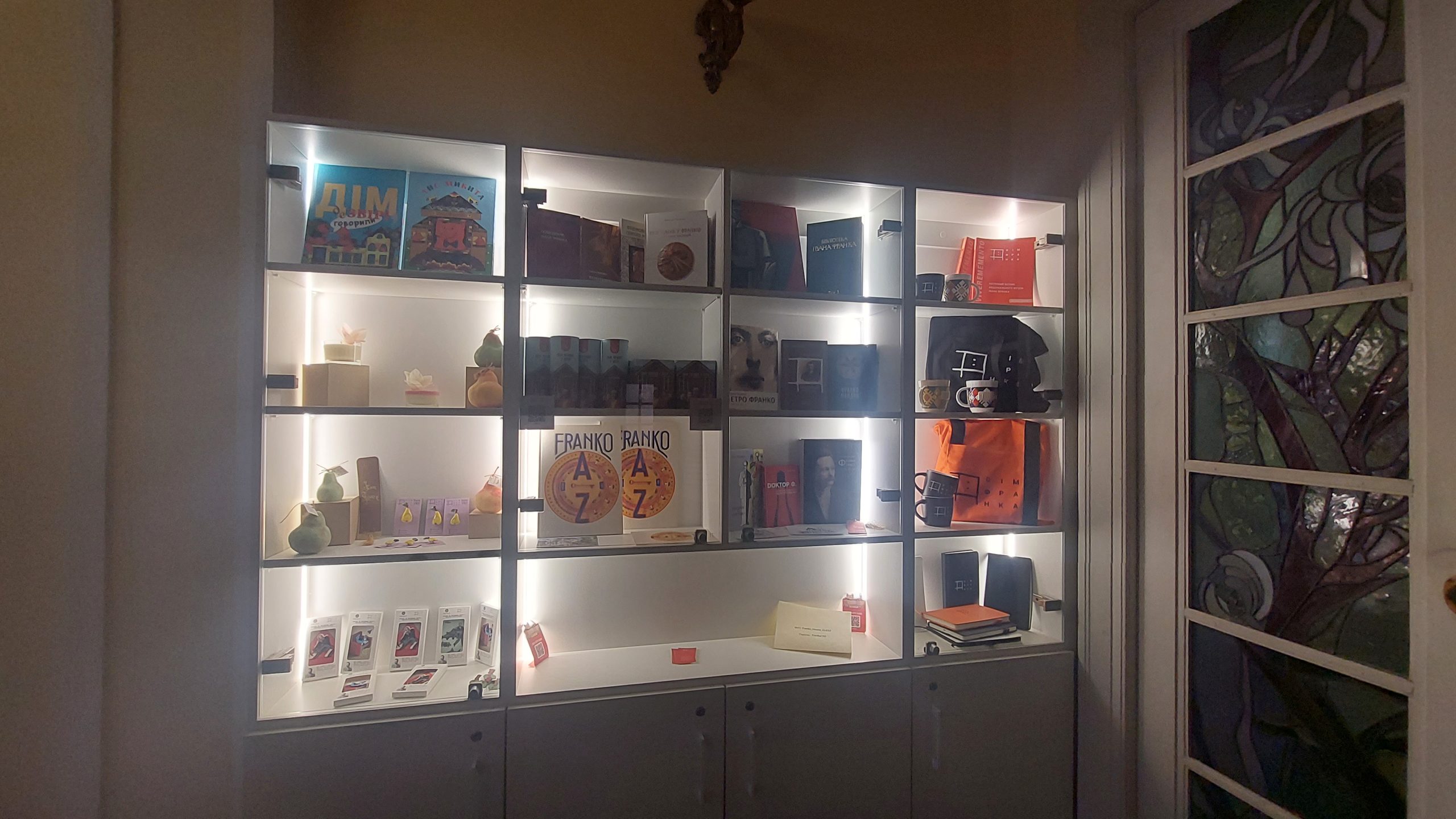
One key project was the book Franko from A to Z, created by Bohdan and Natalia Tykholoz. The award-winning publication later became the basis for a travelling exhibition. The project was adapted into English and shown in Vienna, Budapest, Zagreb, and Ljubljana as an immersive labyrinth exhibition introducing Franko through short texts and visual imagery.
Franko Lives in Books and on Stage
The museum actively collaborates with theatres, including the Maria Zankovetska National Drama Theatre and the Lviv Opera. Productions inspired by Franko’s works have combined theatre with animation and contemporary artistic approaches.
I personally witnessed how relevant Franko remains today when I attended two performances based on his works. Coincidentally, both were directed by Kyiv-based director Ivan Uryvskyi, widely known for his cult production The Witch of Konotop. The performances were very different, yet both explored themes of failed love. Crossroads at the Les Kurbas Theatre felt intimate, mysterious, and deeply symbolic.
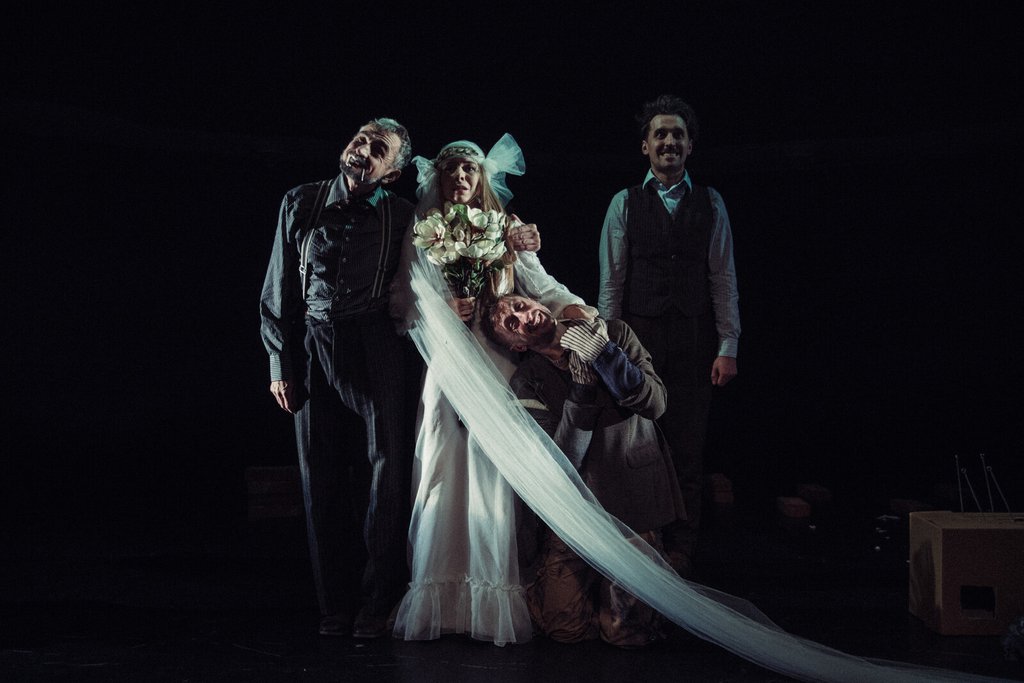
Ballad of Stolen Happiness at the Maria Zankovetska Theatre returned to the theme of a love triangle — a modern melodrama built around Franko’s story.
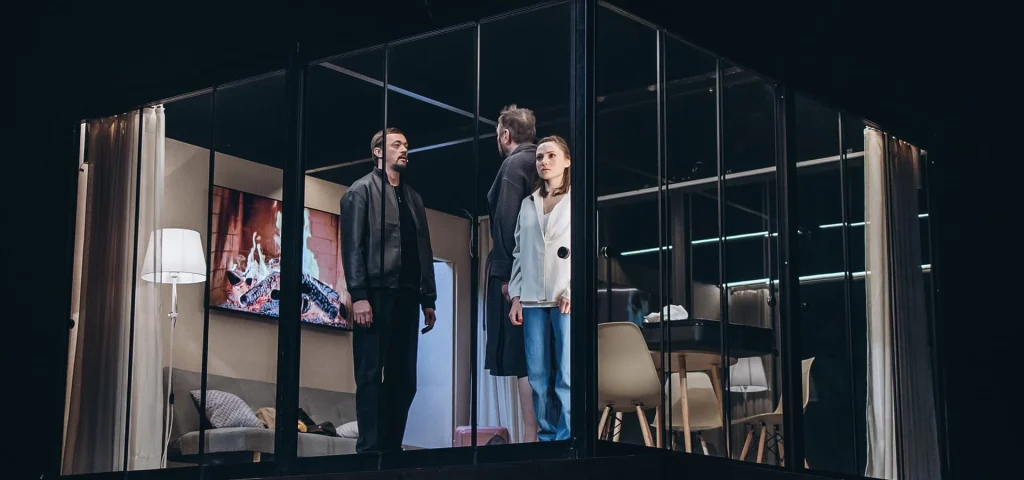
Both theatres were full. I am certain audiences come not only for artistic impressions but also in search of themselves. It’s a difficult journey, yet astonishingly captivating — one that can continue endlessly alongside Ivan Franko.
Text: Yulianna Kokoshko
Photos: Author and open sources
Ukrainian-language editor: Anastasiia Zanuzdanova
English-language editor: Helen Lewis