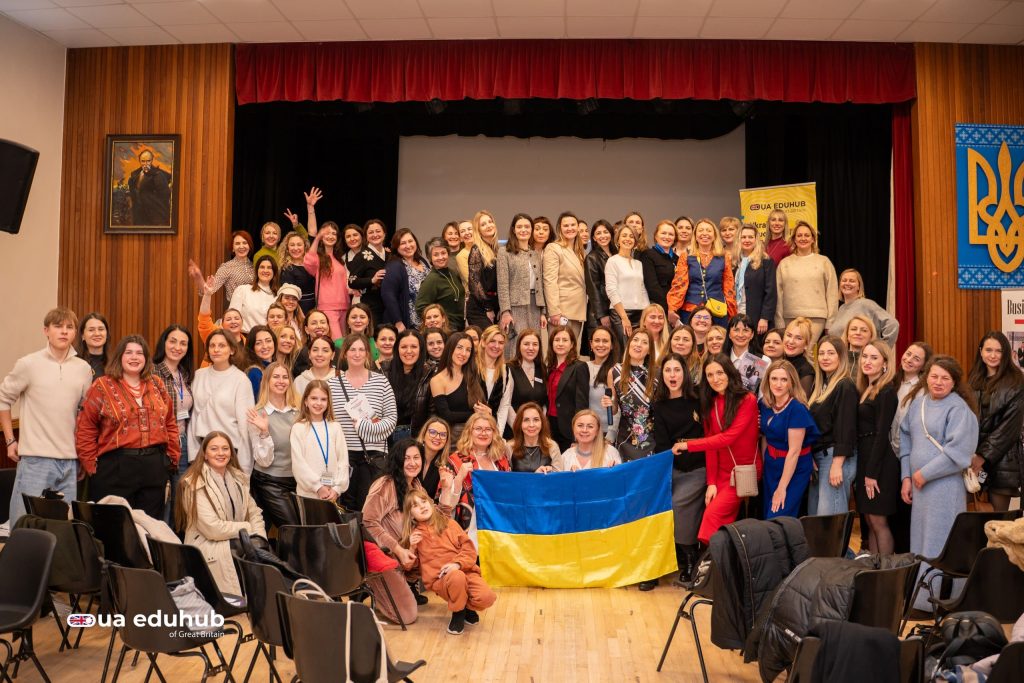
“Nothing about us without us.” — the phrase echoed throughout the Refugee Changemakers Forum 2026, organised by The Entrepreneurial Refugee Network (TERN), Cambio Consultancy and Herbert Smith Freehills Kramer LLP. Bringing together refugee entrepreneurs, funders, policymakers, investors and community leaders, the event centred on one key question: how can refugee leadership move beyond consultation and become part of decision-making and leading in all dimensions of social change ?
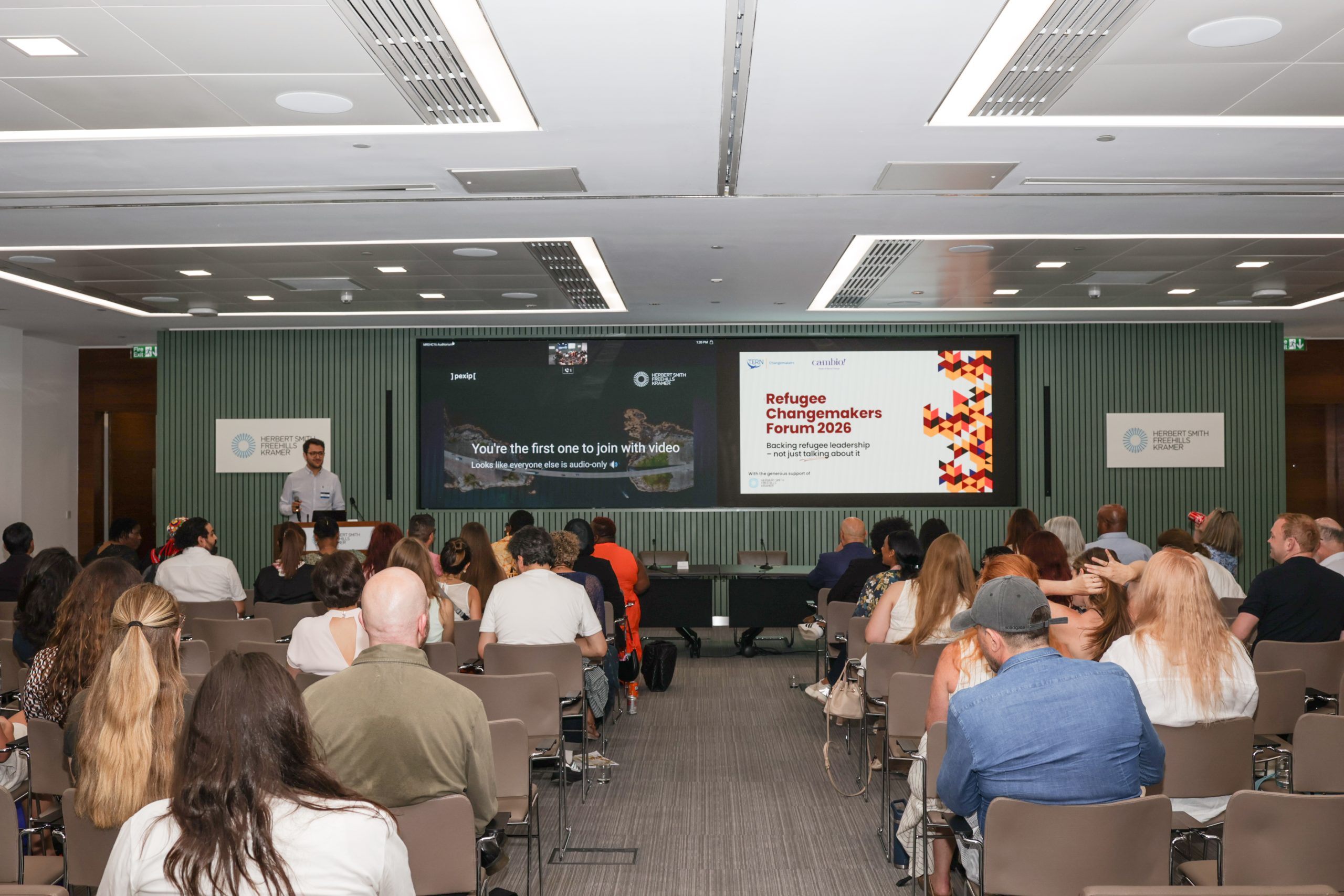
Hosted at Herbert Smith Freehills Kramer’s London office, the forum combined keynote speeches, panel discussions, networking, Pitch Rooms showcasing refugee-led social enterprises, and collaborative working groups designed to turn discussion into action. Throughout the day, speakers repeatedly challenged the idea that refugees should be seen primarily as beneficiaries of support, arguing instead that they are founders, employers, innovators and community leaders whose lived experience should be recognised as expertise.
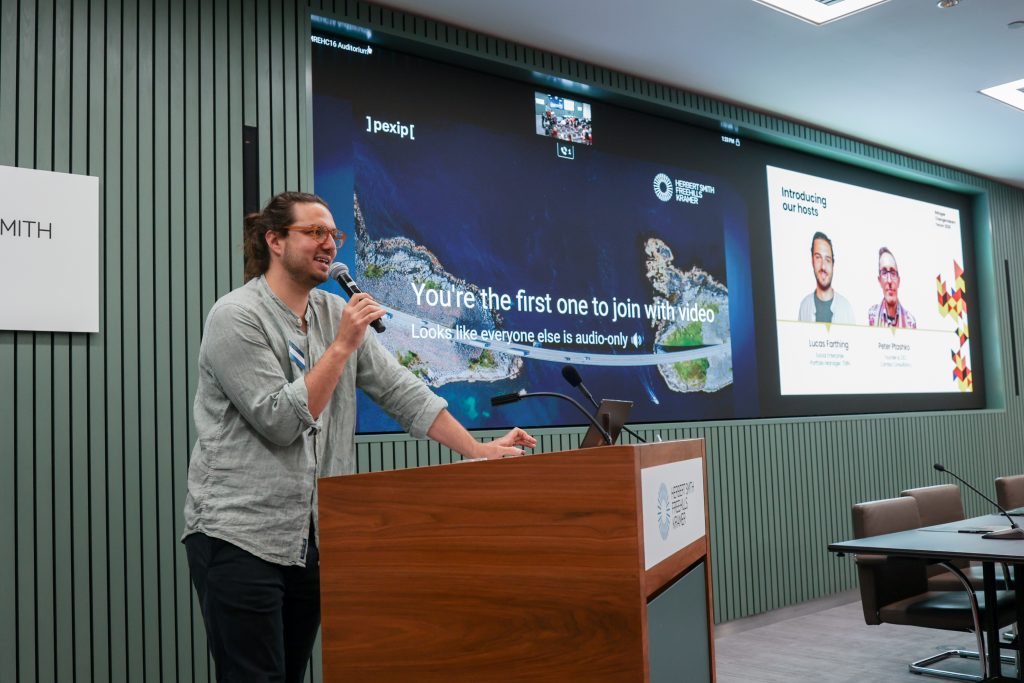
The event was co-hosted by Lucas Farthing, Social Enterprise Portfolio Manager at The Entrepreneurial Refugee Network (TERN), who leads the TERN Changemakers programme supporting more than 70 refugee-led organisations, and Peter Ptashko, founder and CEO of Cambio: House of Social Change.
The programme was hosted by Ali Ghaderi, founder of the Babylon Migrants Project, whose work focuses on empowering young people from refugee and migrant backgrounds through creative leadership and participation.
From the beginning, the tone of the day was clear: rather than asking how organisations could continue supporting refugees, speakers challenged the audience to consider how refugee-led organisations could become equal partners in shaping policy, funding priorities and long-term solutions.
Opening the forum, Peter Ptashko reminded participants that the day was designed to move beyond conversation.
“Taking action is a big theme of the day. The event matters because it’s about action, not just talk. People in the room, including many refugees, are entrepreneurs, leaders and decision-makers. If we want to move the British economy and society forward, we need refugee leadership and entrepreneurship.”
That emphasis became a thread running through every session that followed.
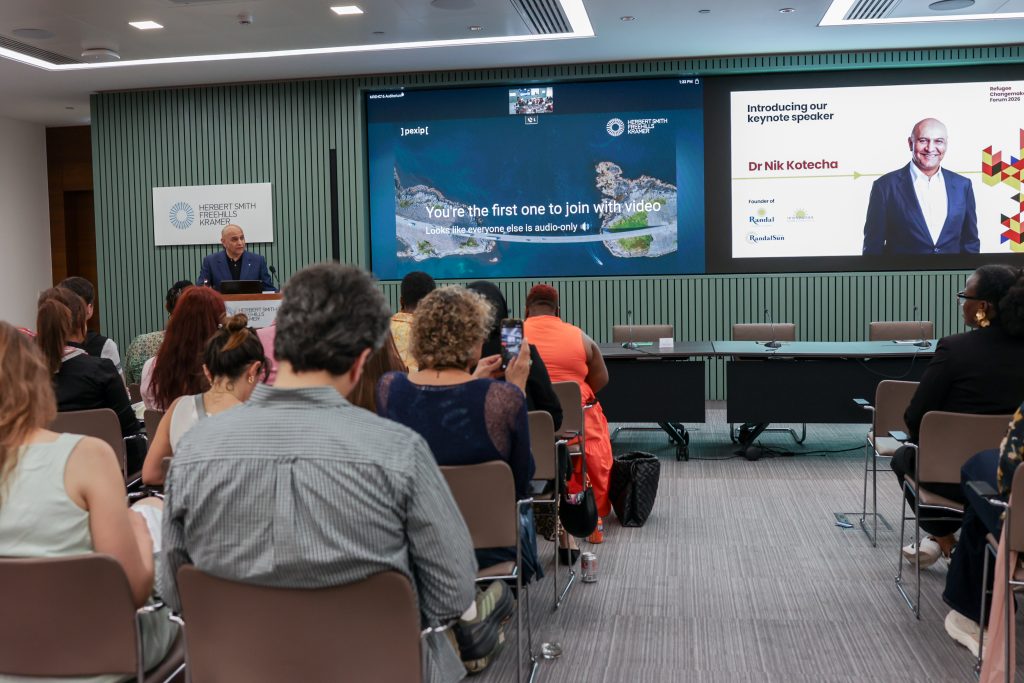
The opening keynote was delivered by Dr Nik Kotecha, entrepreneur, investor and founder of Morningside Pharmaceuticals, whose address combined his family’s own experience of forced migration with reflections on entrepreneurship, resilience and leadership. Kotecha encouraged participants to recognise the knowledge and skills people carry with them when they are forced to rebuild their lives.
“Never underestimate what you bring with you already: experience, insight, accomplishment, skills. You are not defined by what is lost, but by what you are capable of and end up doing. If one thing refugees understand, it is how to adapt. Never underestimate the strength this gives you.”
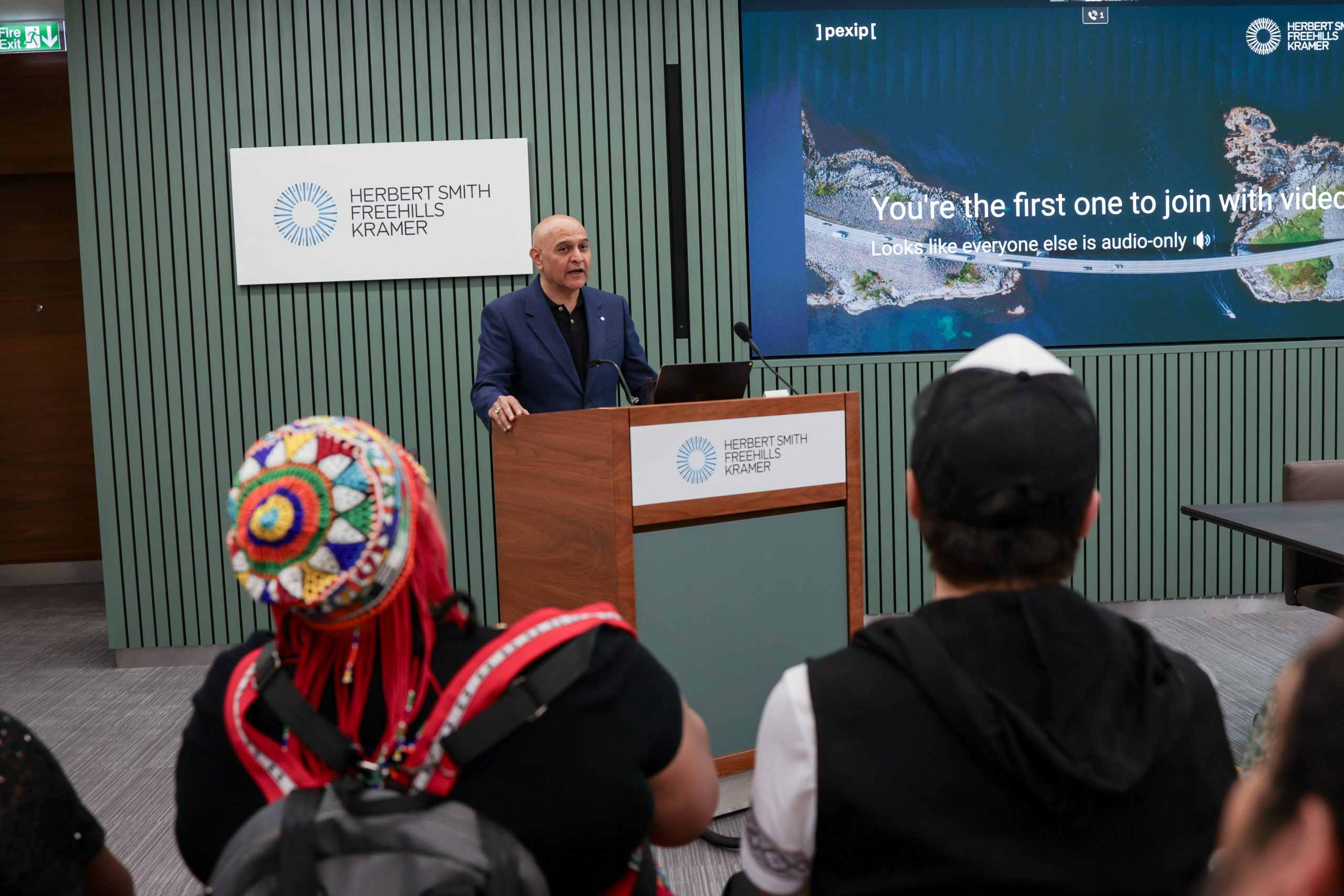
Speaking from both personal and professional experience, he argued that entrepreneurship is rarely a straightforward journey, but that resilience developed through displacement can become one of an entrepreneur’s greatest strengths. His keynote speech set the tone for the discussions that followed. Throughout the day, speakers returned to the same idea from different perspectives: refugee entrepreneurs should not have to prove that they have something valuable to contribute. The real challenge is ensuring they are present in the rooms where decisions about their communities, businesses and futures are made.
The conversation continued during a panel discussion moderated by Ally Hercka, Senior Manager for Small Business Britain’s Business for Good team and one of the contributors to The Cedar Review, which examines the economic contribution of refugee entrepreneurship in the UK.
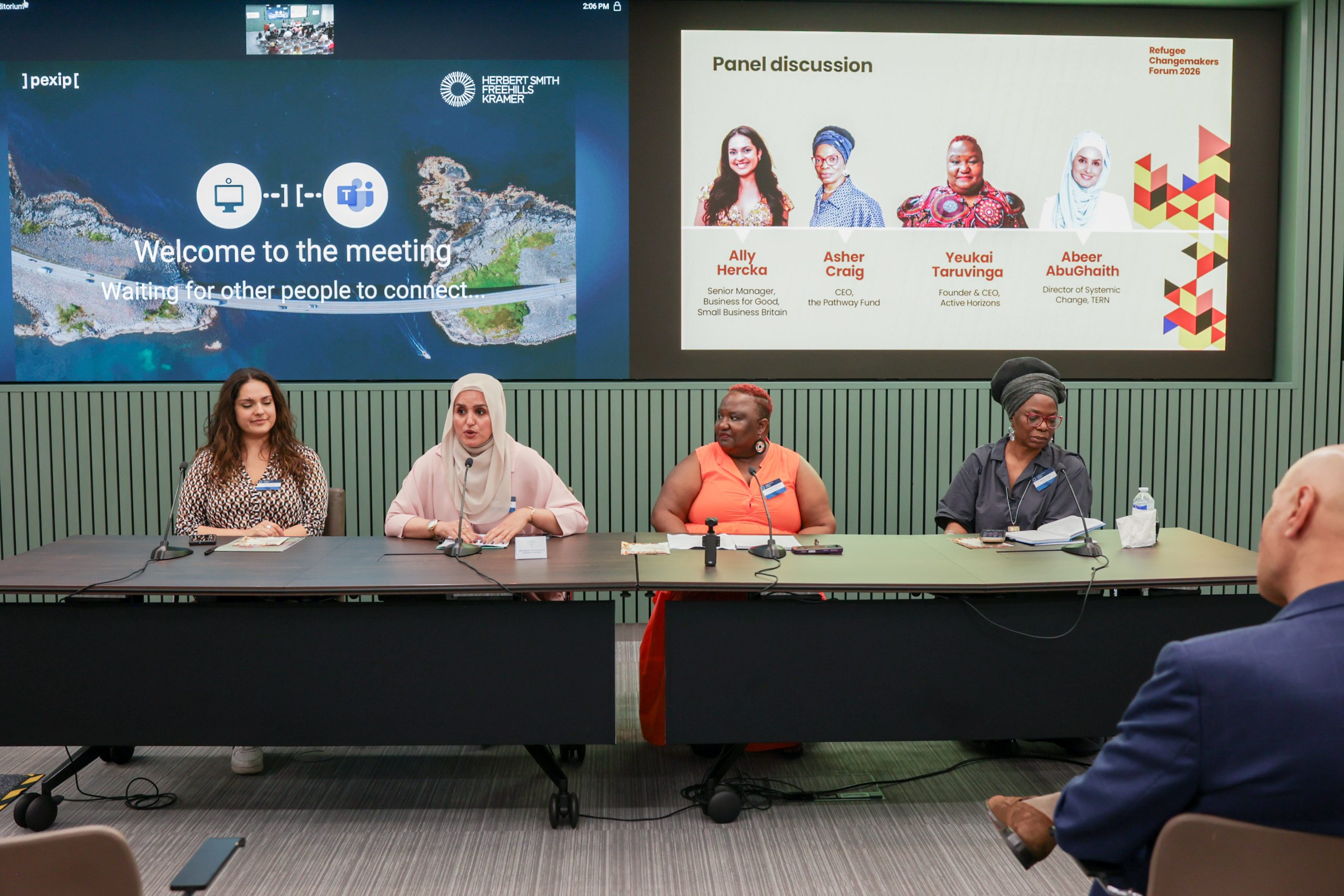
Joining her on stage were Asher Craig, CEO of the Pathway Fund; Yeukai Taruvinga, founder and CEO of Active Horizons; and Abeer AbuGhaith, Director of Systemic Change at TERN.
Although each panellist approached the discussion from a different perspective, their conclusions repeatedly converged.
Asher Craig said: “Nothing about us without us.” And the sentence became the key of the forum.
For Yeukai Taruvinga, whose organisation Active Horizons marks two decades of supporting young people from Black, migrant and refugee backgrounds, the conversation was also deeply personal. Reflecting on her own experience of spending nine years in the UK’s asylum system, she said many of the same challenges remain today despite years of work by refugee-led organisations.
Following the main stage discussions, the forum shifted from ideas to practice.
Valerie Lolomari, founder of Women of Grace, a charity supporting survivors of female genital mutilation (FGM/C) across the UK and campaigning to end the practice through education, advocacy and survivor leadership challenged organisations to reconsider how they engage with people whose lives are directly affected by their work. Too often, she argued, lived experience is treated as a personal story rather than professional expertise, while those closest to the issues remain excluded from decision-making.
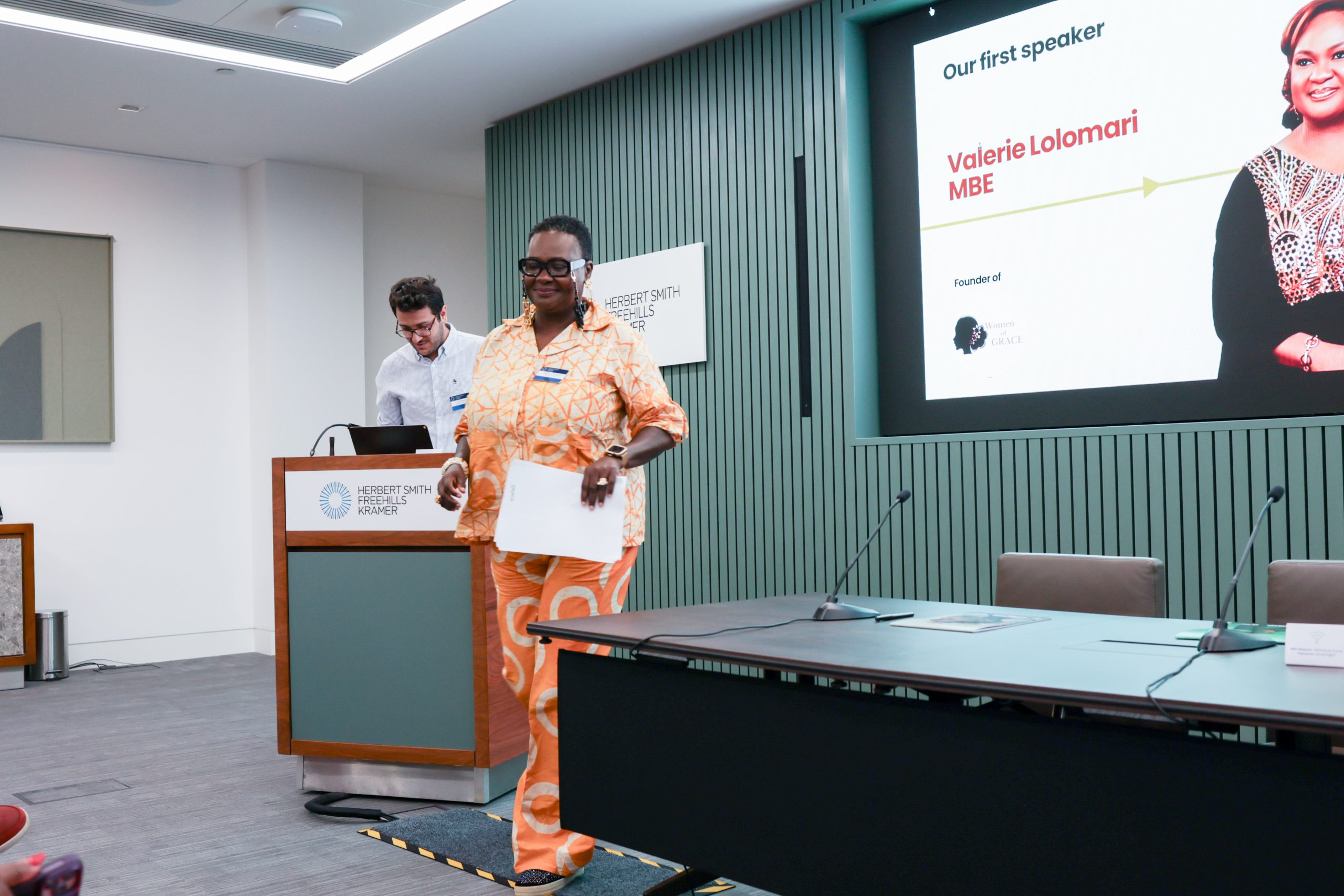
“Participation is not leadership. Leadership means having influence in the room. Leadership means helping make the decision. Instead of asking how refugee leaders can fit into our structures of governance, we need to ask how our structures can fit around refugee leadership. We do not need to rescue people; we need to believe in them.”
The following keynote built on that message from a systems perspective.
Fouad Al Kadi, founder and CEO of Shift UP, spoke about power, participation and the invisible barriers that continue to prevent refugee-led organisations from influencing decisions despite growing recognition of their work.
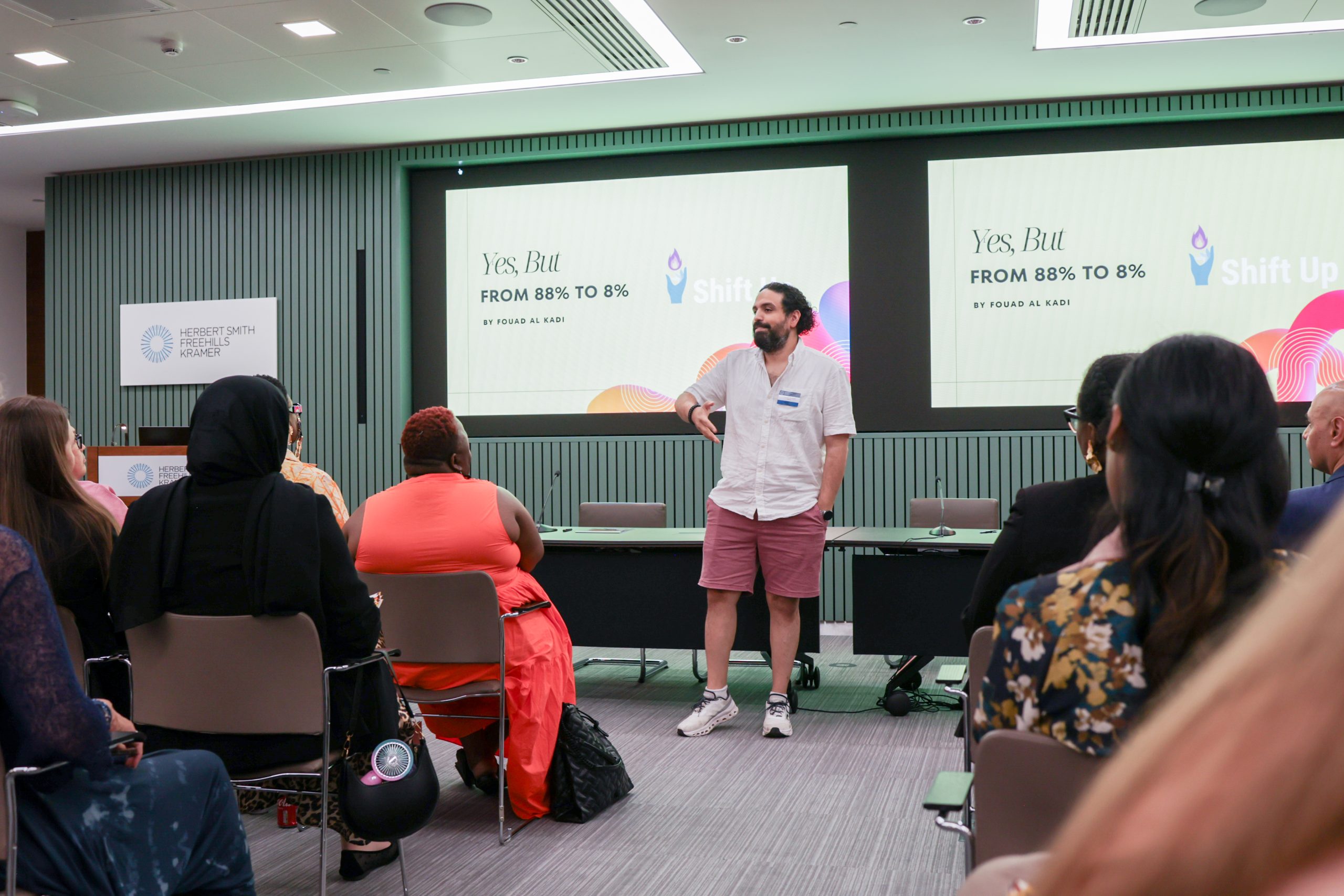
Drawing on more than a decade of experience in civic engagement across Syria, Lebanon and the UK, he argued that organisations often invite people with lived experience into discussions without changing the structures that concentrate power elsewhere.
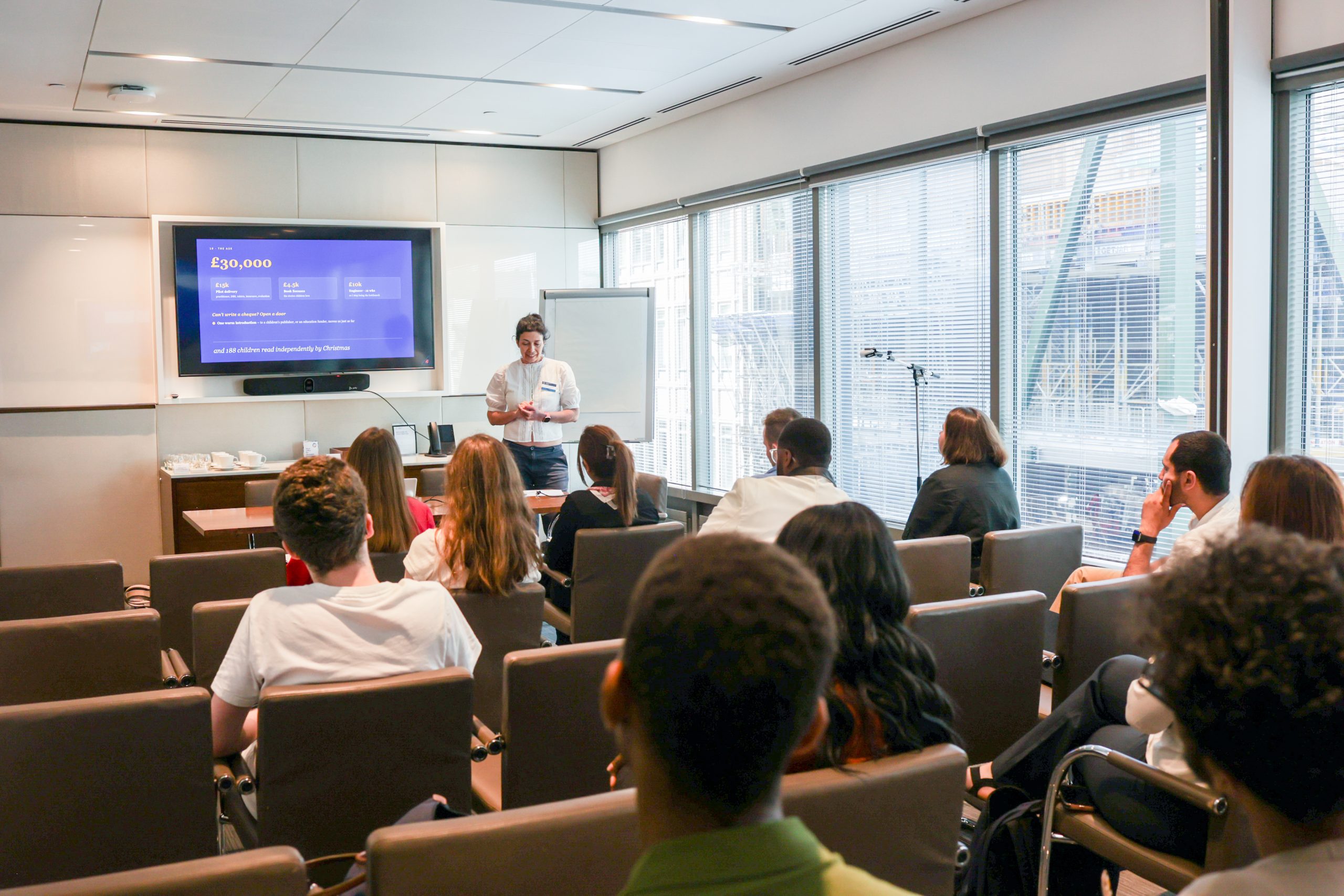
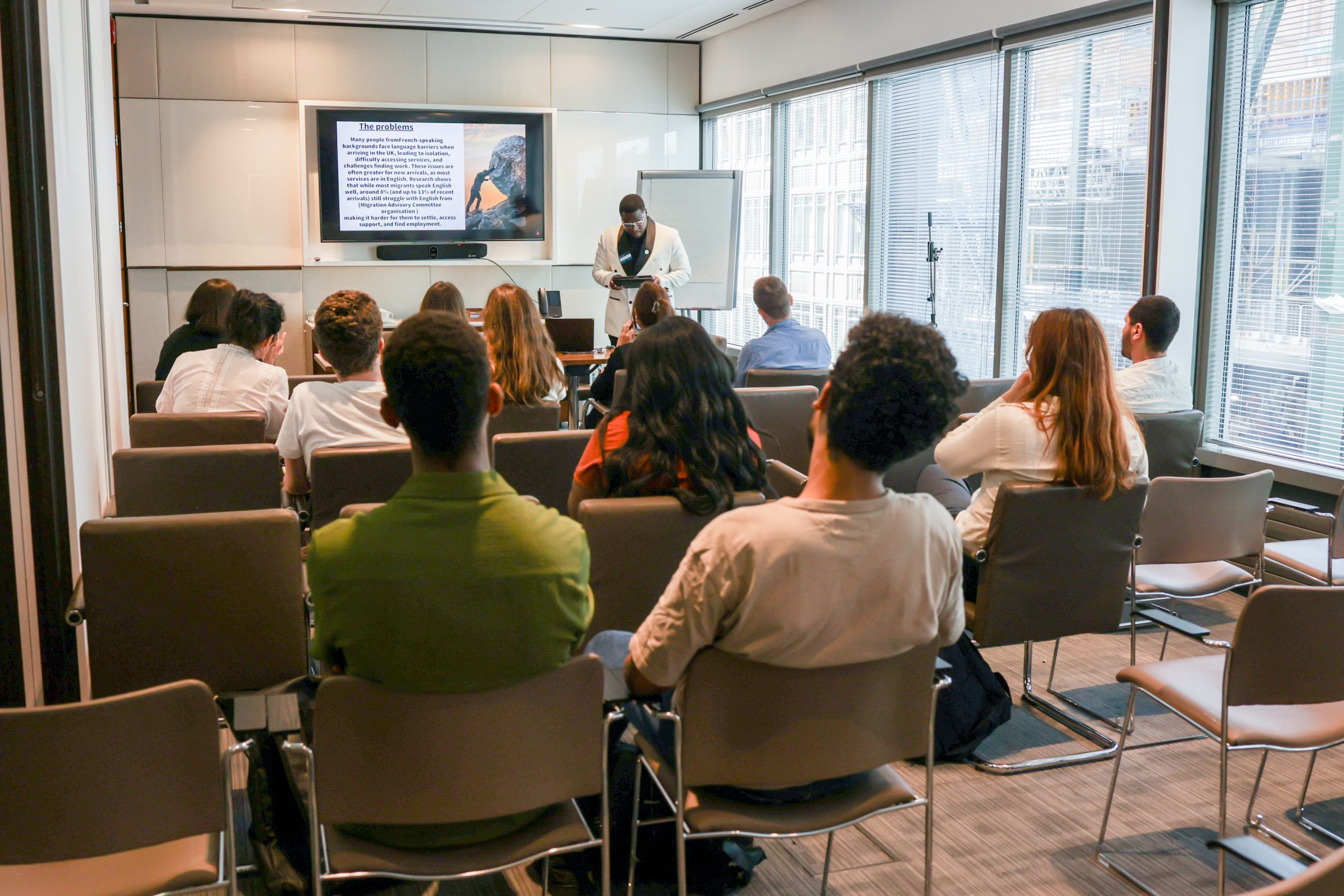
After the speeches of Fouad and Valeri, participants were invited to join one of four Pitch Rooms, where twelve refugee-led social enterprises graduating from the TERN Changemakers incubation programme presented their ideas to investors, business leaders, funders and potential partners. Rather than competing against one another, the founders shared projects at different stages of development, each addressing challenges faced by refugee and wider communities through entrepreneurship.
The twelve social enterprises were presented across four themed Pitch Rooms. Rosa Martyniuk, founder and editor-in-chief of Maiak Lighthouse Media CIC, facilitated the Education & Language session; Antony Kimani, founder of Kwetu Coffee CIC, led Community & Advocacy; Hanna Zamostna, consultant, psychotherapist and founder and CEO of STEP TO EMPOWER CIC, facilitated Coaching, Employment & Enterprise; while Halyna Skvortsova, founder of DobroDIY CIC, led the Innovation & Health session.
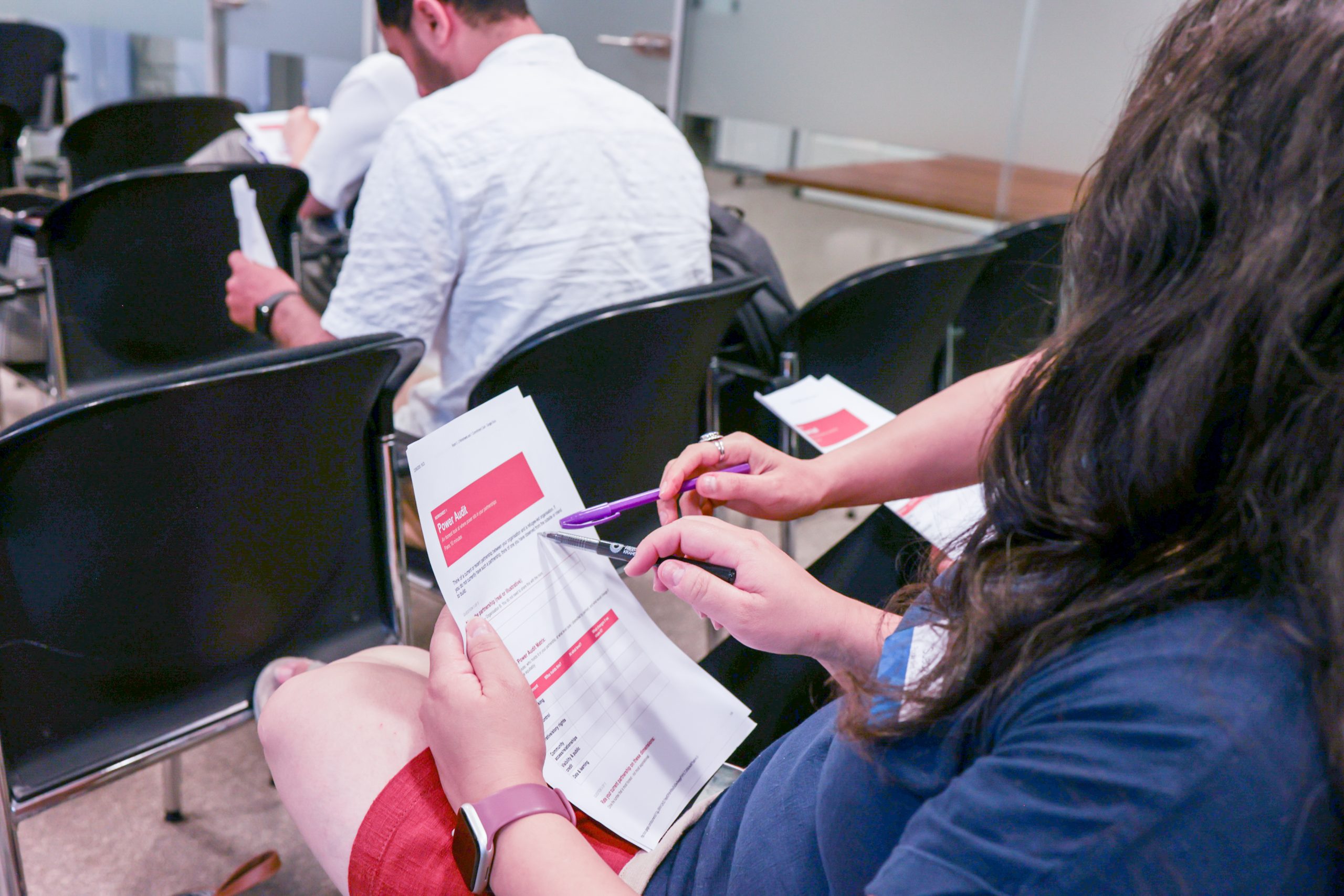
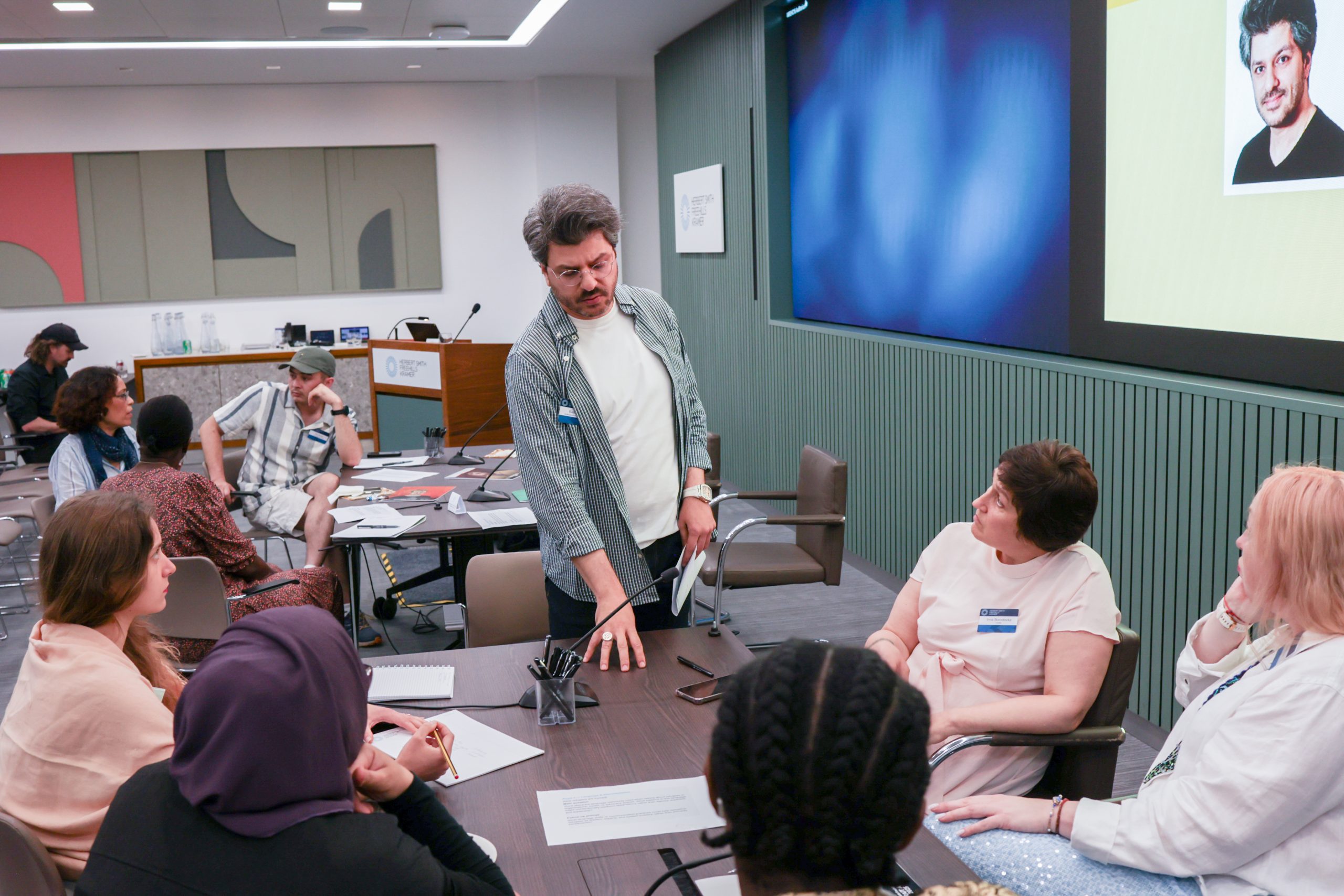
The forum concluded with four interactive Working Groups, where participants moved from discussion to action. Focusing on funding refugee leadership, sharing decision-making power, building stronger partnerships, and changing public narratives, the sessions encouraged funders, policymakers, businesses and refugee-led organisations to explore practical ways of creating more equitable systems and increasing opportunities for refugee leadership.
Looking back at the programme, it became clear that the organisers had applied this principle throughout the event itself. Keynote speakers, panellists, facilitators of the Pitch Rooms and Working Groups, moderators and many members of the organising team all brought their own lived experience of forced displacement. Even lunch was prepared and served by the founders of food business Samarkand Palav from Uzbekistan.
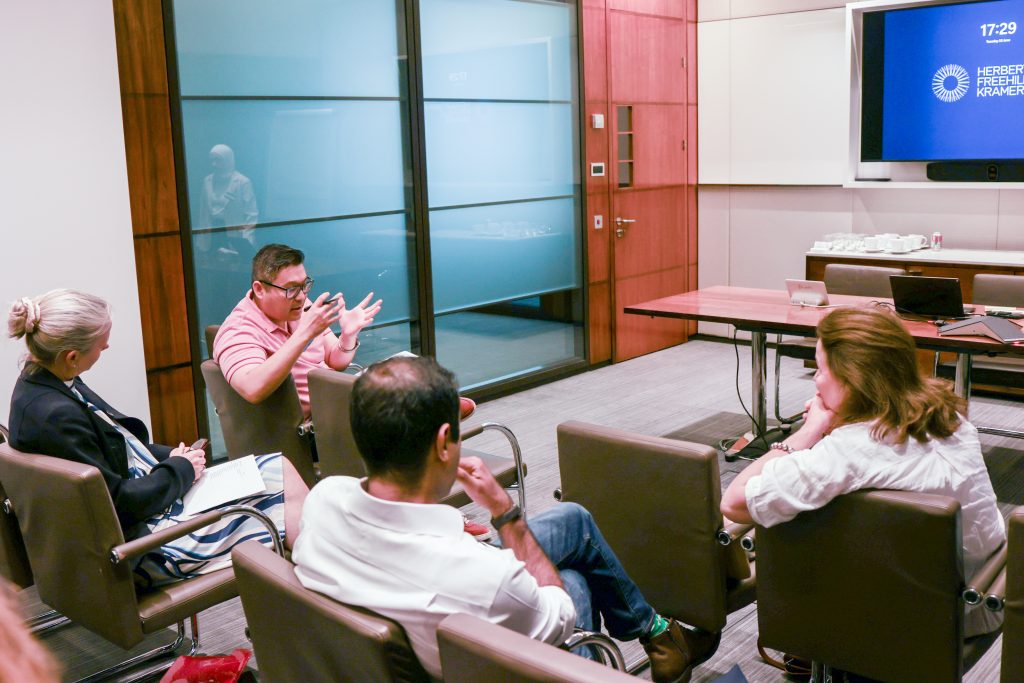
Rather than discussing refugee leadership as an aspiration, the Refugee Changemakers Forum demonstrated what it looks like in practice. Refugees were not invited simply to share their stories. They were there to facilitate discussions, challenge institutions, present businesses, lead working groups and help shape the conversations that will influence the future of the sector.
Text: Rosa Martyniuk
Photos: Victoria Chikalo