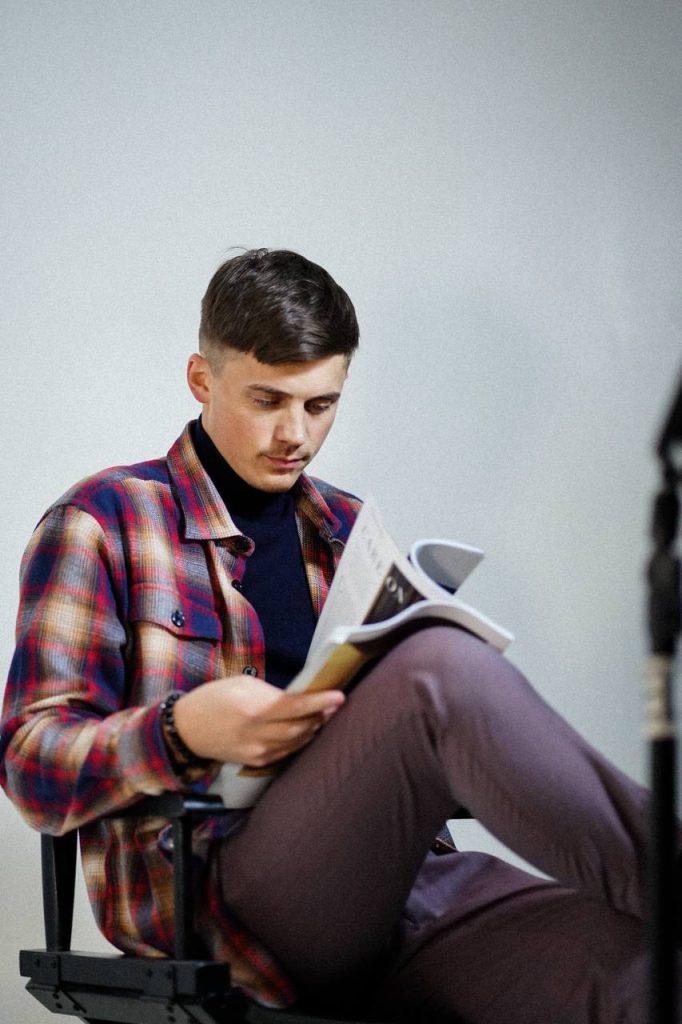
When Russia launched its full-scale invasion, hundreds of thousands of Ukrainians fled to Germany. Today their number is around 1.3 million. Among them are LGBTQ+ people for whom forced migration became a double challenge: finding safety while also defending their right to exist openly.
It was in these circumstances that Kwitne Queer emerged — the first and still the only officially registered Ukrainian LGBTQ+ organisation in Germany. During an educational trip to Berlin, supported by Germany’s Federal Foreign Office and the #WeAreAllUkrainians initiative, I met one of its co-founders, Loki von Dorn, a non-binary transgender person who found refuge in Berlin after the invasion.
A journalist and animal rights activist back home in Dnipro
Before the full-scale war, Loki spent almost his entire life in Dnipro. He began writing for local media while still at school, later earning a journalism degree from Oles Honchar Dnipro National Universityand working as a reporter in several local outlets.
“I was doing a lot creatively back then,” Loki recalls. “My friends and I tried music projects, photoshoots, and even acting in films. I also started a social and educational initiative called The Club of Social Development. We invited experts for lectures, workshops, film screenings, and ran a charity free-shop to support children and animal shelters.”
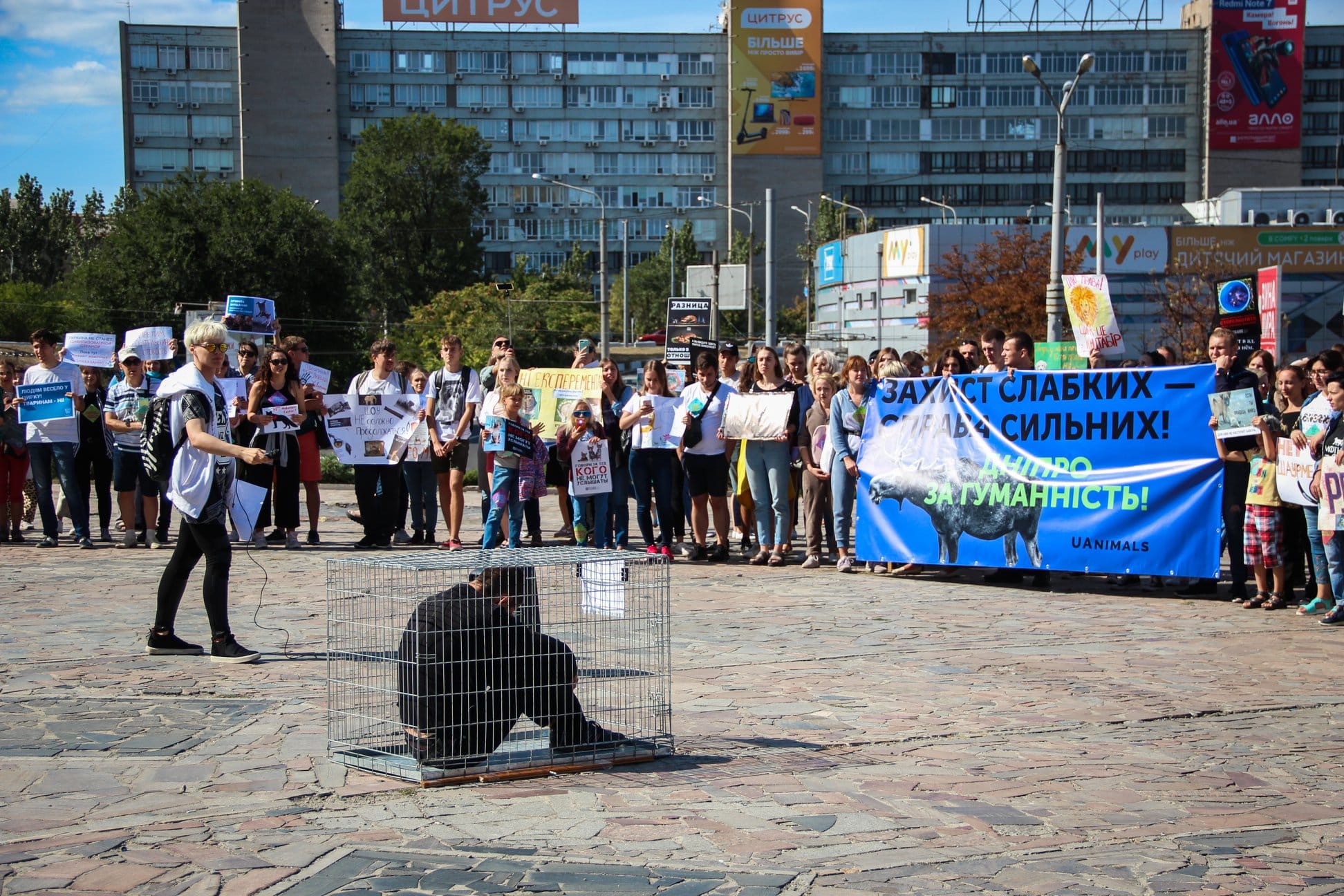
Animal welfare was always a major part of Loki’s life. A committed vegan, he campaigned for the responsible treatment of animals and the environment, working closely with the Ukrainian organisation UAnimals. Together, he organised protests against circuses that use animals and raised awareness of sterilisation programmes for pets and strays. Dnipro saw the rise of a strong animal rights movement in the mid-2010s, even gaining an advisory council at the city hall.
Animal rights protest in Dnipro
“I wish I could continue this work now, but all my time goes into building a stable life,” Loki says. “How can I help others if I have no foundation myself? Still, I regularly share posts from Ukrainian rescuers on Facebook — it helps cats find new homes. During the war, I’ve buried two of my own cats, and elderly cats belonging to Rebecca, my landlord, also. Vet-care in Germany is expensive, but people here are extremely responsible. If I could, I’d bring all the abandoned Ukrainian cats to Germany. I dream of adopting two when I have my own flat.”
Ukrainian refugees are often directed to Russian-speaking organisations
This year, Loki began organising cultural events in Berlin. His future in Germany might start with building something of his own. “Sometimes it’s easier to create your own path than to spend years trying to fit into a different system,” he says. Loki is also continuing his university studies remotely, through a university in Kharkiv.
Life in Germany, they say, offers many alternatives and opportunities. “I doubt I’ll work as a journalist again here, but I’m open to new experiences that help me grow.”
One of these experiences became Kwitne Queer. The organisation has existed for three years but received official registration only in August 2024, finally allowing them to apply for funding.
“Our first grant was small – just three months of support, but it let us begin formal work. Our first project was a partnership with the feminist organisation Insha, from Kherson – an initiative we called Your Friendly Translator. Many refugees don’t speak German, doctors don’t always speak English, and most importantly, interpreters need to be queer-friendly and know the right terminology. We’d seen cases where traumatised queer refugees were assigned interpreters from Russia who denied their identity and openly showed Ukrainophobia.”
One of the most difficult issues Loki highlights is the forced interaction with the Russian-speaking diaspora, which dominates in some German cities. Refugees are frequently sent to these organisations — often without realising how traumatising it can be.
“The problem is that Ukrainian refugees in Germany are constantly sent to Russian-speaking organisations because there simply aren’t Ukrainian ones. The logic is: ‘You all understand Russian anyway.’ But this is retraumatisation. You cannot force someone whose home was destroyed by Russian bombs to seek help from people from the aggressor state. We try to explain this locally, but not everyone understands straight away. That’s why we built our own community — Ukrainian, safe, a space where you can speak Ukrainian and be heard.”
Despite limited funding gained recently, Kwitne Queer already runs workshops, language clubs, mental health support groups, and creative events.
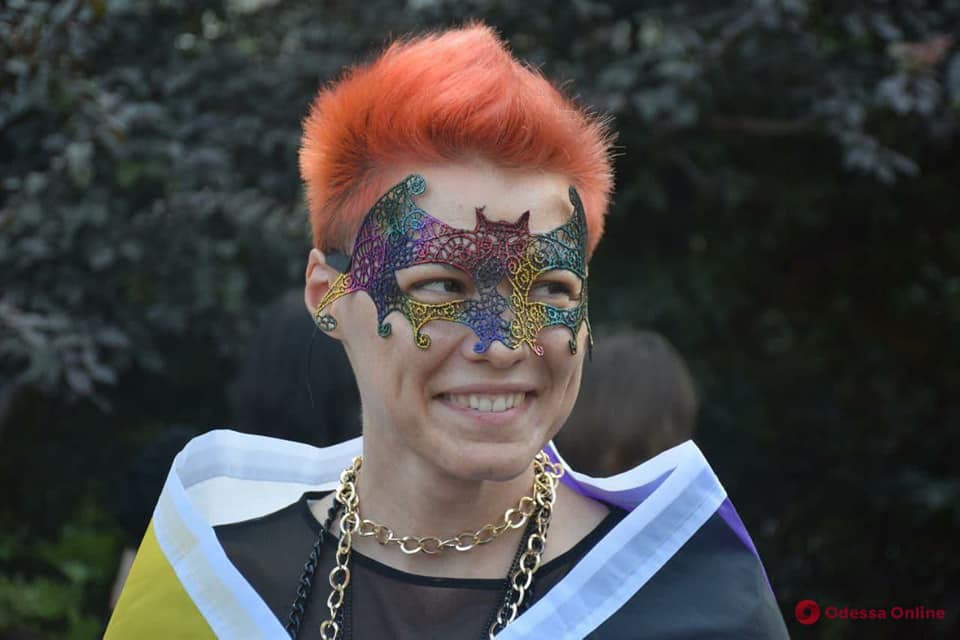
For many Ukrainian queer refugees, it has become a rare place where they can breathe freely, feel understood, and exist without fear. Yet, as Loki admits, the path was filled with grief.
“We’ve faced tragic stories. A young Ukrainian trans woman, just 19, died. She begged for help, went to clinics, but the hospital kept her for only a day or two before discharging her. She made several suicide attempts after being discharged, the last one succeeded. We had to organise her funeral and send her ashes back to her family in Ukraine. That’s when I realised how indifferent the system can be. I had to smile politely at people asking, ‘Why don’t you just go back home? It’s not dangerous there anymore.’ I was in mourning, but I had to remain polite because officials were handling the documents. Even in our darkest moments, we’re expected to be courteous.”
A community for Ukrainian queers — and a voice
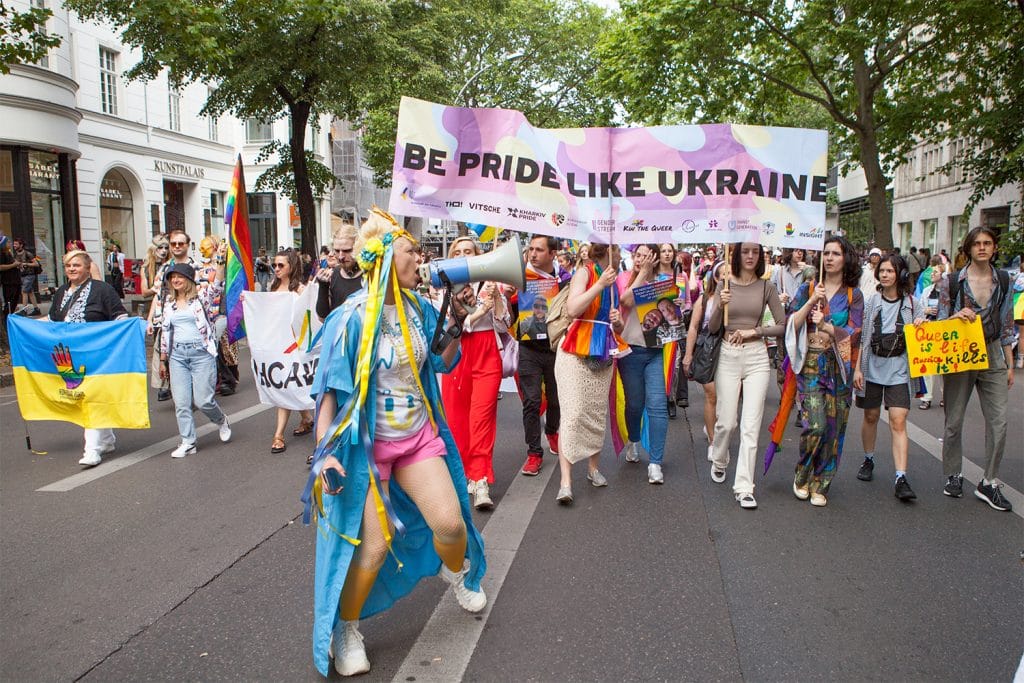
Kwitne Queer continues to grow, supporting queer Ukrainians in Berlin, and creating a space where identity, language, and the shared experience of war unite. Despite Germany’s openness, the journey to safety often involves harsh conditions.
Collaboration with Frank Wilde
For many refugees, one of the worst experiences was the Tegel camp — located inside Berlin’s airport — which the government has only recently closed.
“At the start of the war, if you arrived without friends or registration, they could place you in Tegel — hundreds of people living together. Your laundered underwear could disappear overnight while drying. You had to sit next to the socket while your phone charged, or it might be stolen. If you were queer, you had to request a separate room because of aggressive men, or threats from people with addictions. But once you asked, everyone knew you were queer — another risk. Living behind plastic partitions without even a curtain to draw whilst changing — that was part of our European ‘safety’ experience.” Even in such conditions, most people support each other.
Loki says Kwitne Queer helps refugees find not only shelter but also community — a chance to create art, share stories, organise events and collaborate with other Ukrainian groups to raise human rights issues, even in conservative spaces.
“We hold film screenings, picnics, and joint events with other Ukrainian organisations in Berlin and Dresden. It’s not easy — even here, as some people aren’t ready to see portraits of two male soldiers kissing, but we don’t give up. We show films, host exhibitions, and invite both Germans and Ukrainians.
Dresden is especially tough due to the number of Russian residents and the conservative atmosphere. However, the harder the city, the more important the work.”
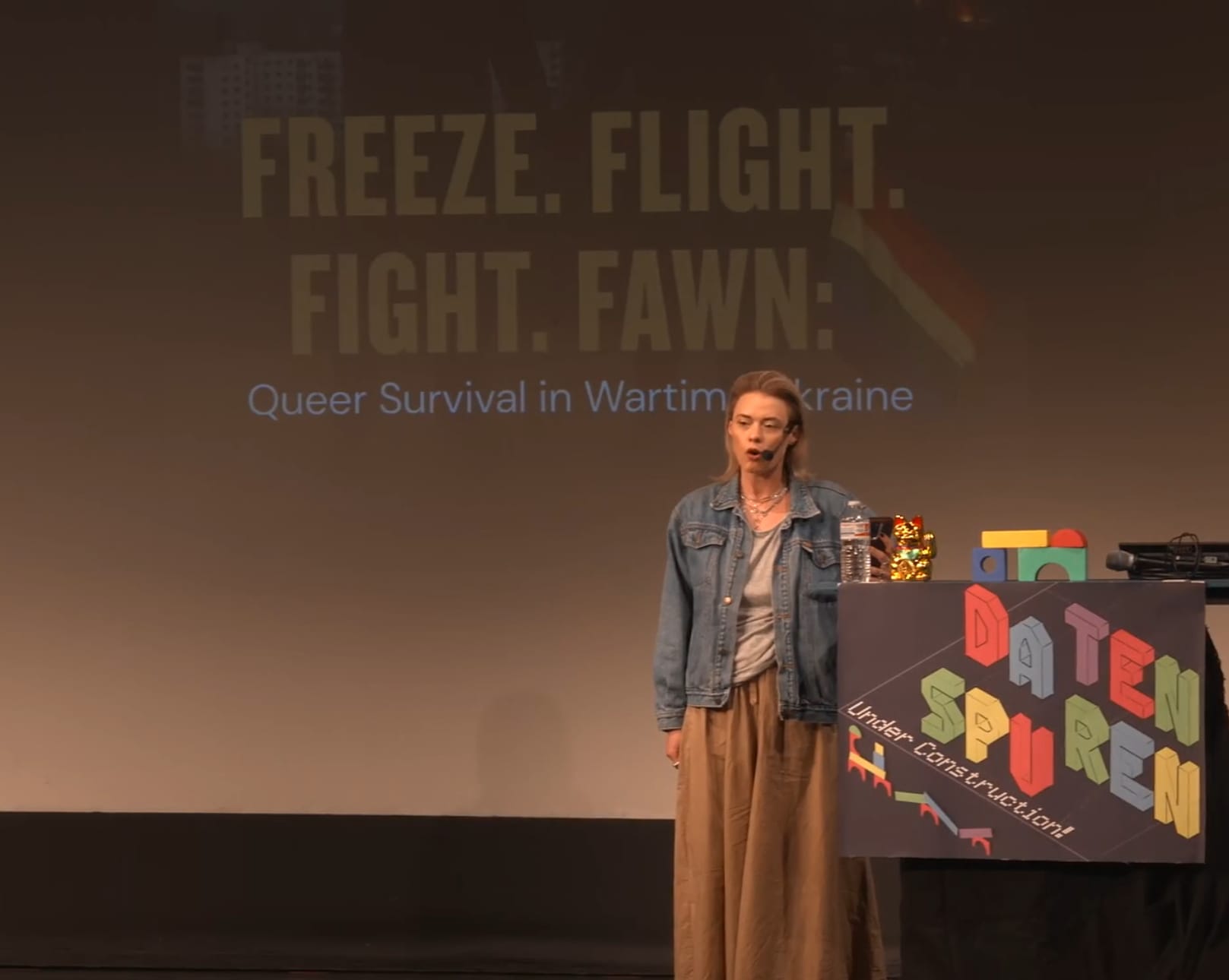
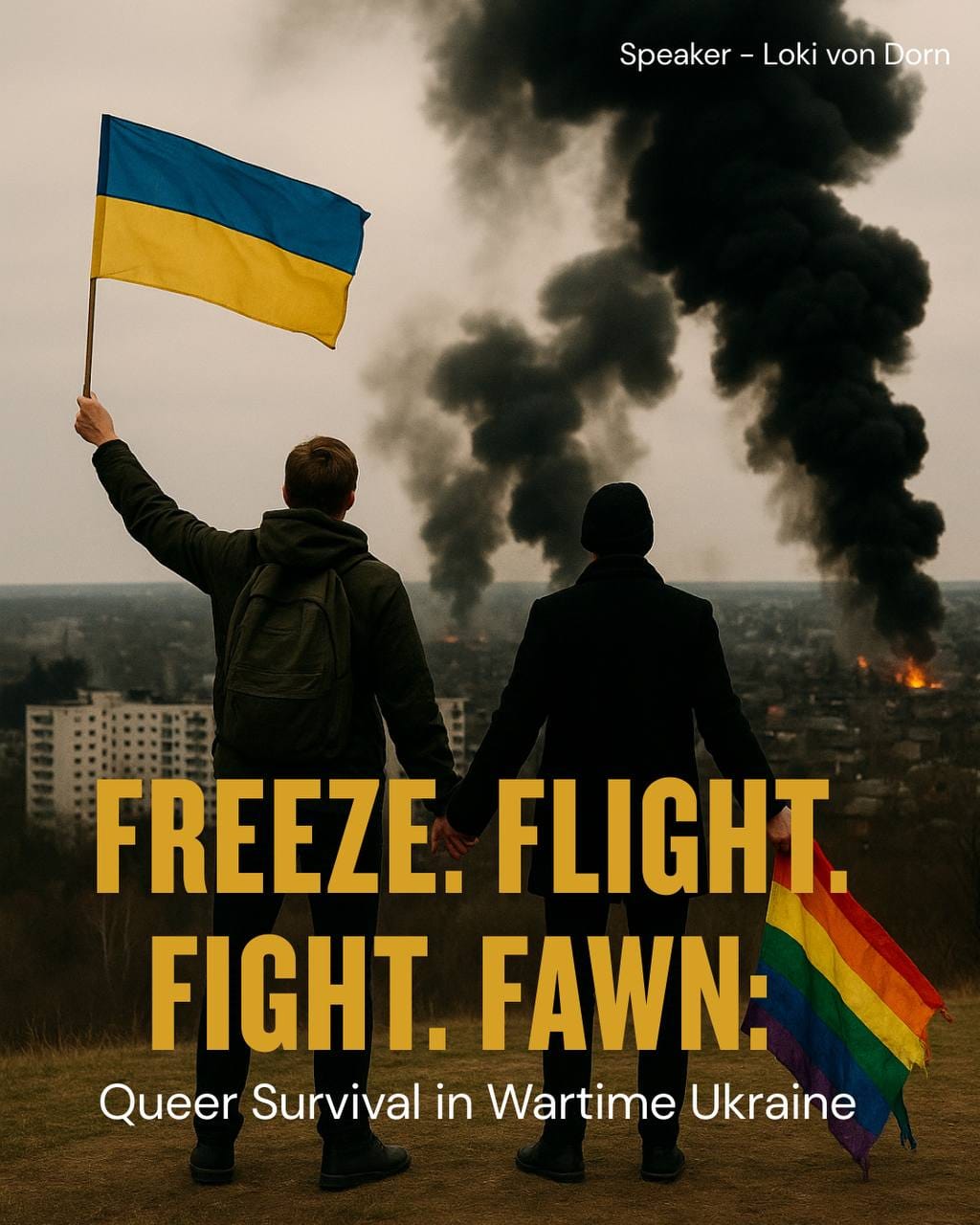
From trauma to art: Freeze. Flight. Fight. Fawn.
For a long time, Loki dreamt of creating an exhibition of work by Ukrainian queer artists — collecting reflections and transformations shaped by war, occupation, displacement, and loss. The idea grew into Freeze. Flight. Fight. Fawn is a project telling the stories of queer refugees, soldiers, survivors of occupation and captivity, and people who rediscovered their national identity under extreme pressure.
Some of them have even chosen to return to Ukraine from the safety of Germany, to rebuild the country. Loki is currently gathering material and looking for more artists and stories.
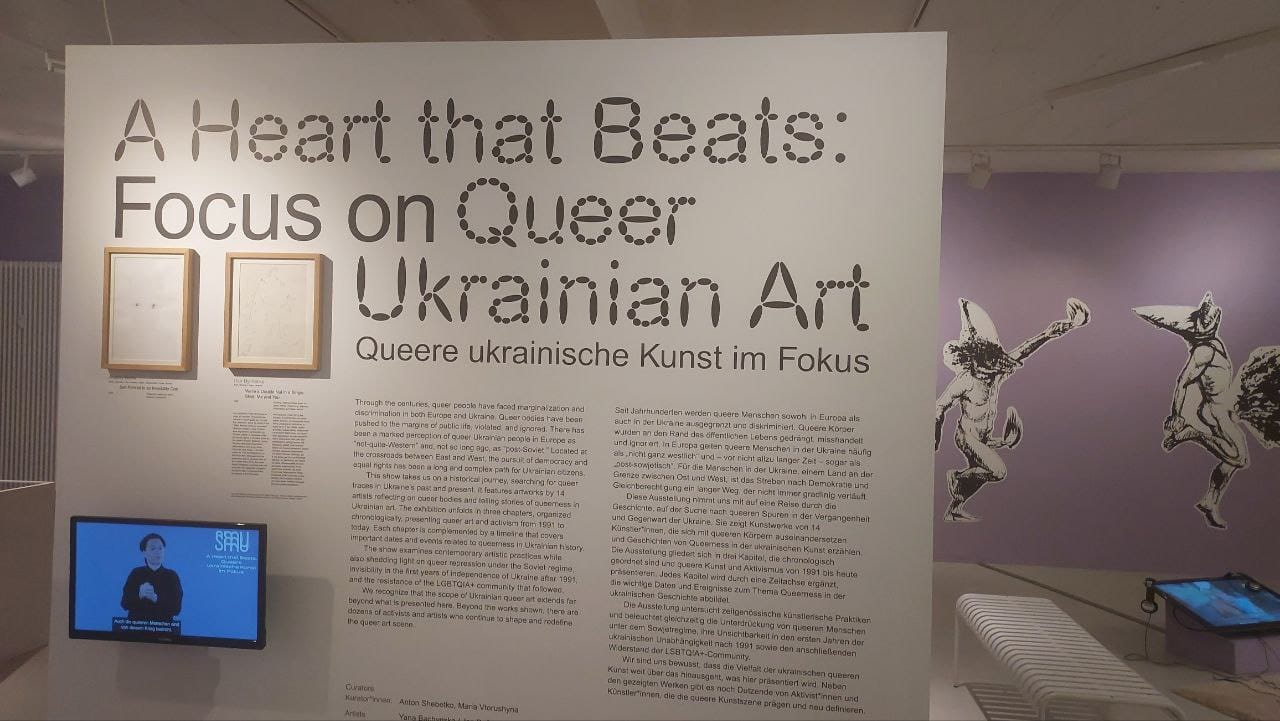
Until 26 January, Berlin’s Gay Museum is hosting A HEART THAT BEATS — Focus on Queer Ukrainian Art, featuring works by 13 artists united by their fight against homophobia and their insistence on being seen as who they truly are.
Exhibition in Berlin’s Gay Museum
Ukrainian society is changing — and there’s no way back
Queer refugees in Germany navigate a double challenge: emigration and then integration into a culture where freedom often comes with loneliness. But, Loki says, the experience changes Ukrainians themselves.
“I know people who have lived in Germany for three years before choosing to return to Ukraine. They said: ‘I realised I’m Ukrainian, and I want to rebuild my country.’ Others returned simply because they couldn’t handle living among strangers. I used to have my own prejudices too. But when you live next to people of different races, religions, and genders, you realise we’re all the same. When Ukrainians return after this, they bring home a different world-view.”
Ukrainian society, Loki believes, is already transforming — and irreversibly.
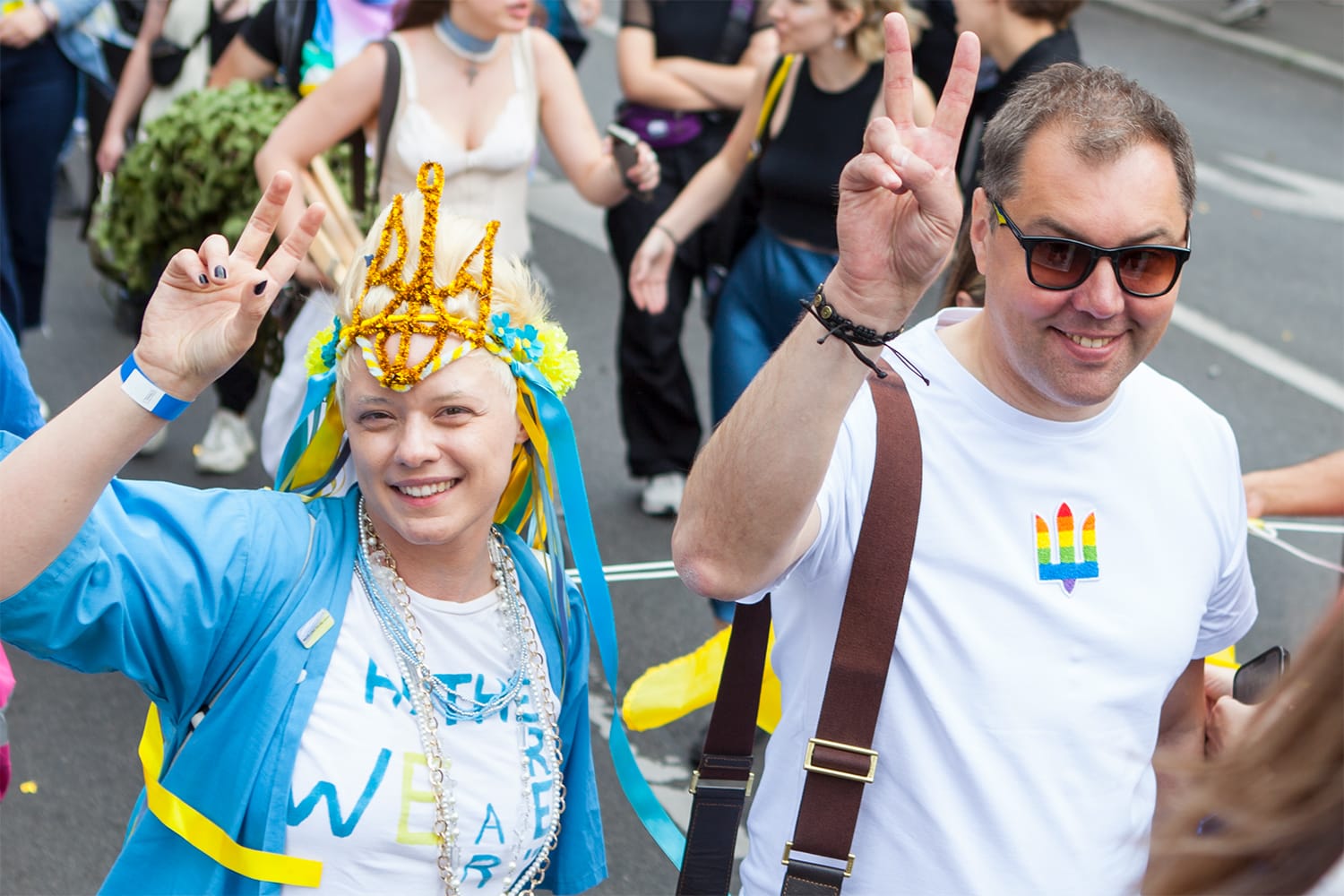
Loki with Ambassador of Ukraine in Germany Oleksii Makeev
“We are not who we were before the war. We’re learning to accept ourselves and others. The system still resists — the civil partnership law hasn’t been passed yet, but people no longer laugh at queer folk the way they did twenty years ago. Ukrainians are changing – those here in Germany as well as those at home. This can’t be stopped. We’re growing together. Even when everything is hard, the main thing is to remain human — to be someone who is trying to understand others.”
Author: Yulianna Kokoshko Ukrainian-language editor: Anastasiia Zanuzdanova English-language editor: Helen Lewis Photo credit Loki von Dorn
Yulianna Kokoshko
Yulianna Kokoshko is a journalist living and working in Dnipro. She most often writes about culture and the artists who shape it. Yulianna also has extensive experience covering social initiatives within the field of solutions journalism, as well as writing profiles of remarkable individuals whose stories inspire others. She works in both Ukrainian and English.

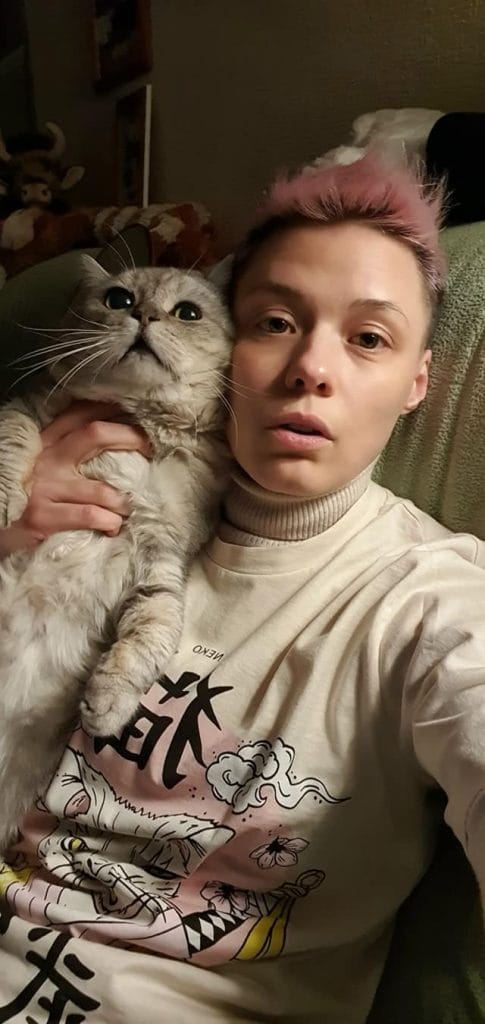
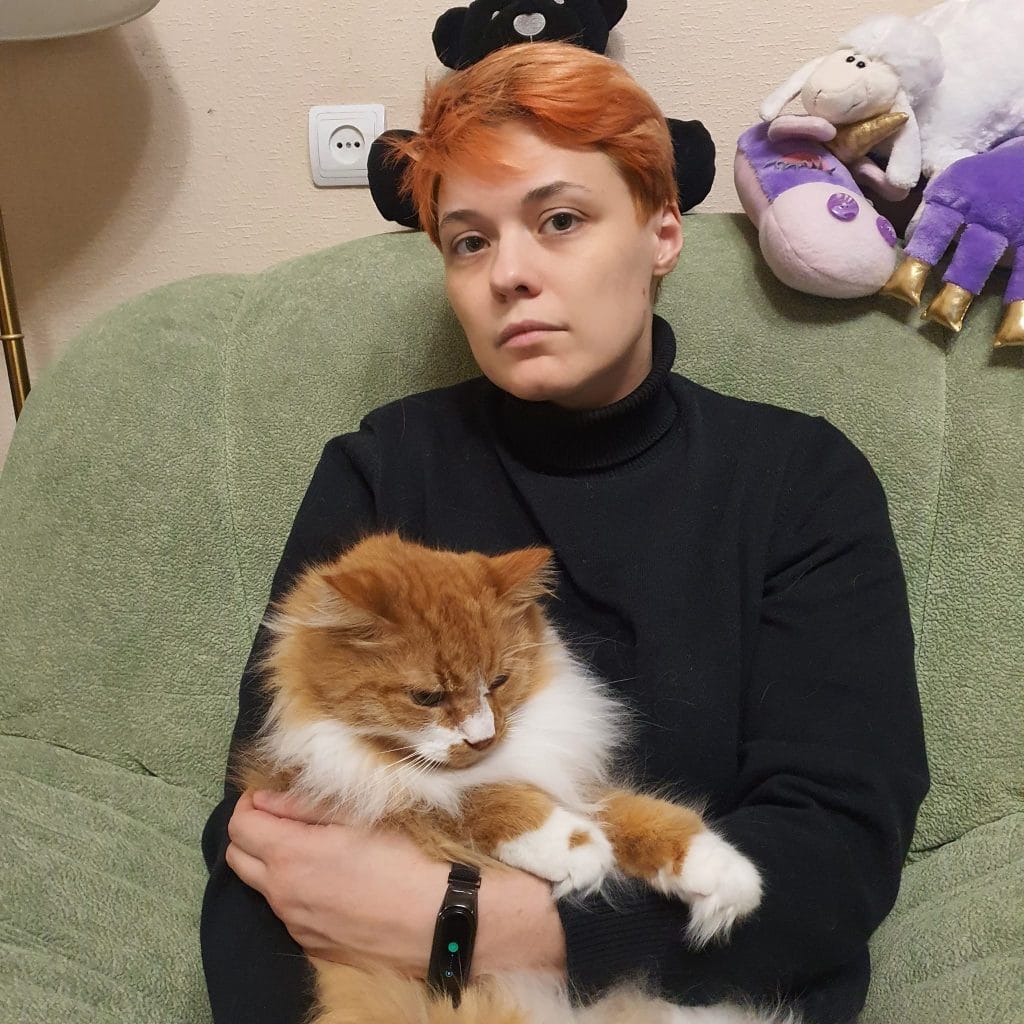
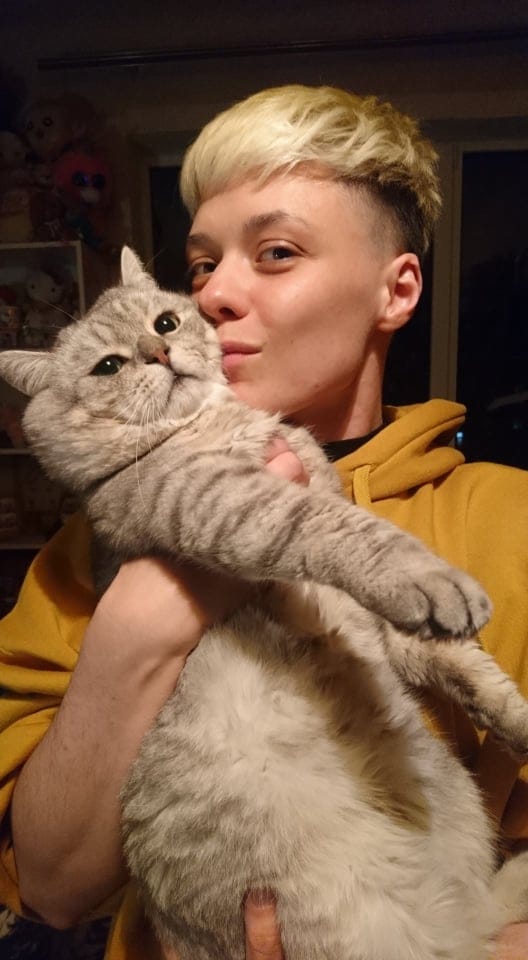
 For many Ukrainian queer refugees, it has become a rare place where they can breathe freely, feel understood, and exist without fear. Yet, as Loki admits, the path was filled with grief.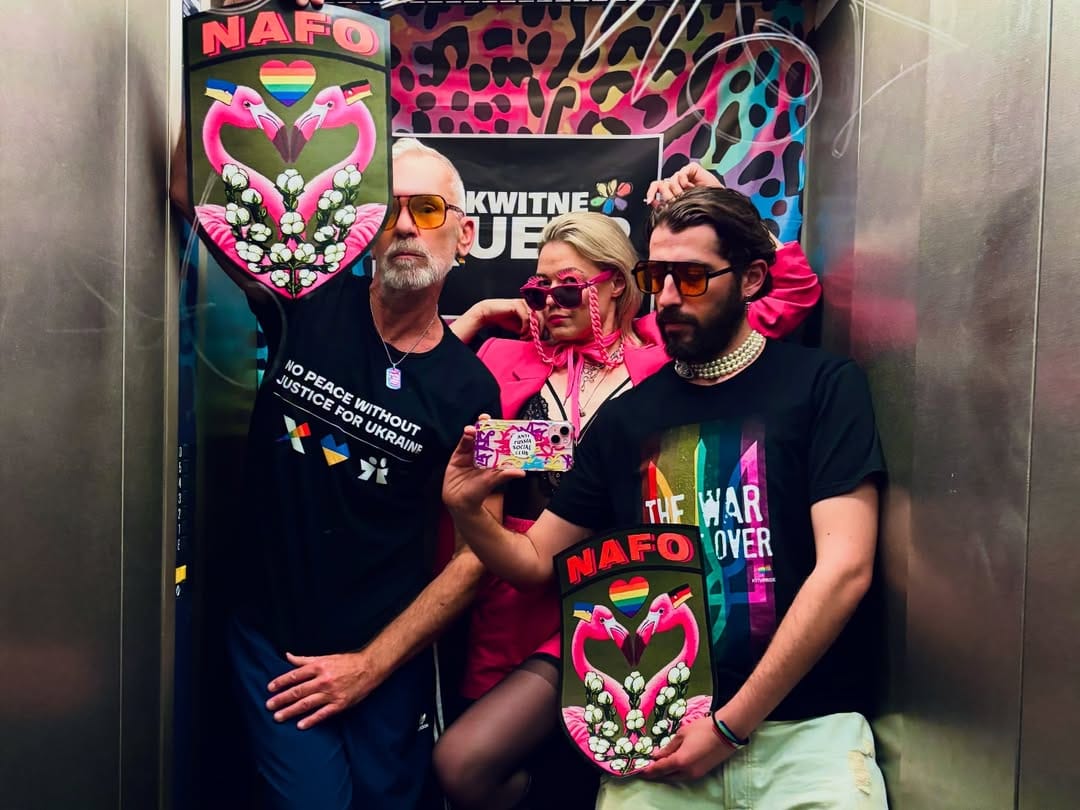
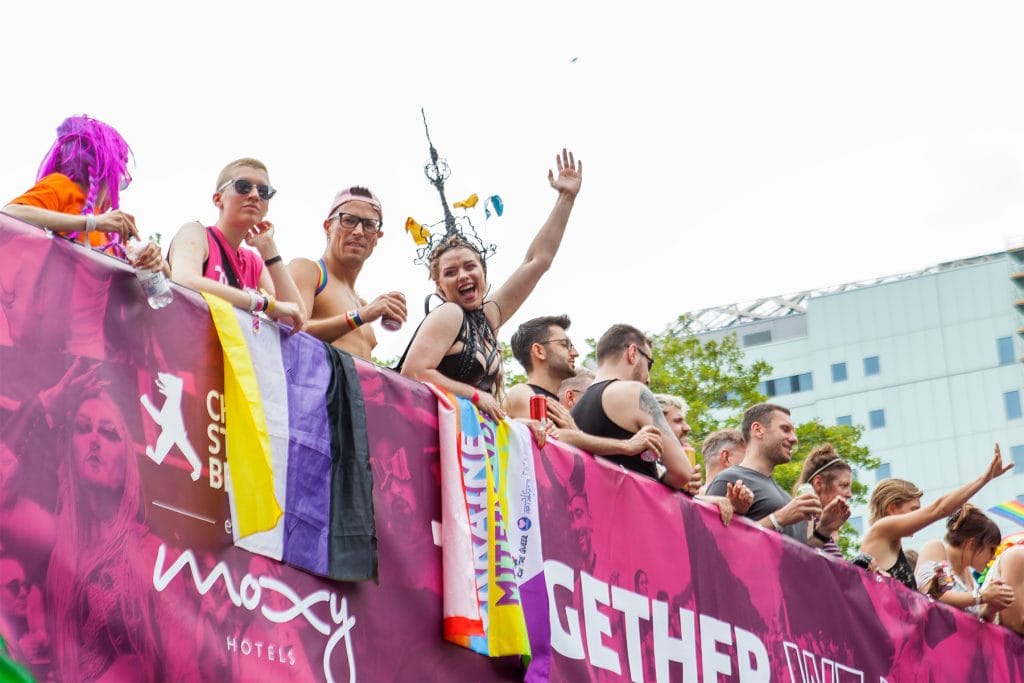
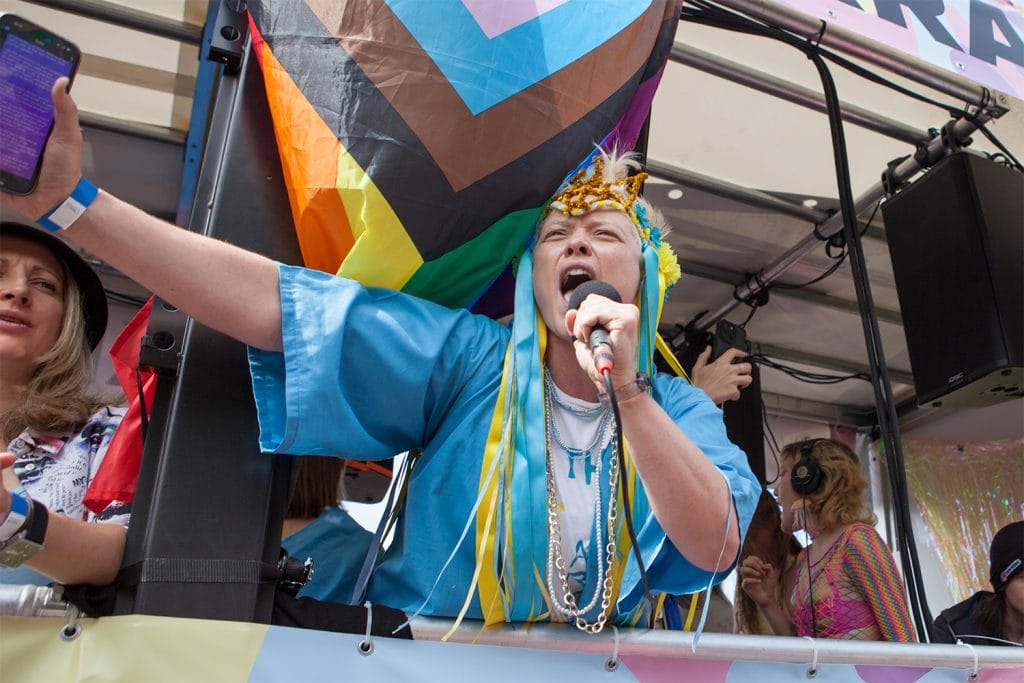
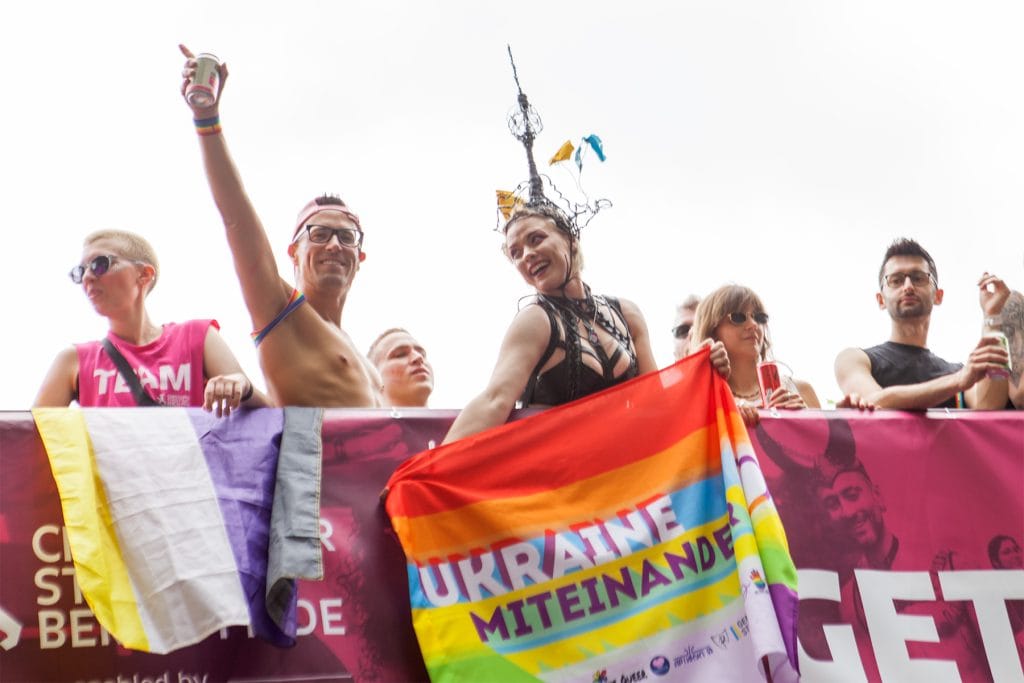
 Some of them have even chosen to return to Ukraine from the safety of Germany, to rebuild the country. Loki is currently gathering material and looking for more artists and stories.