“Life Shouldn’t Be Put on Hold”: An Interview with Bohdan Maksymenko, Oncologist and Founder of the Ukrainian Sarcoma Foundation
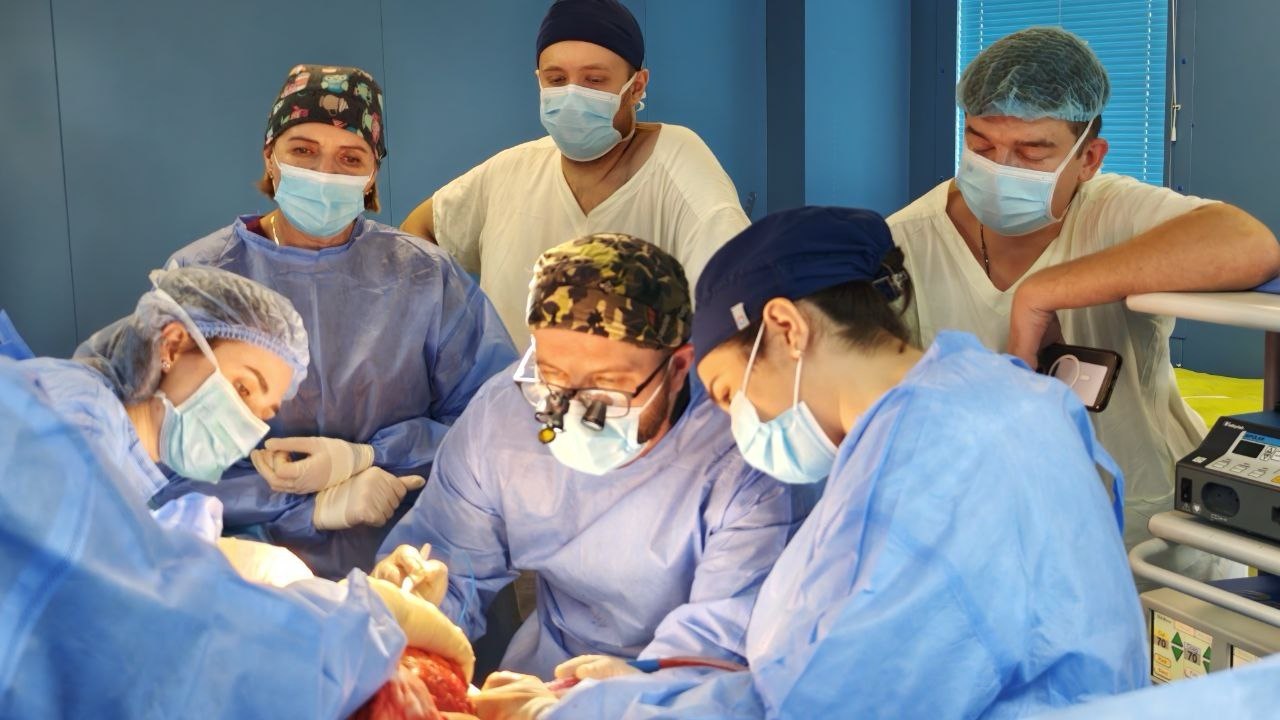
Every day, Bohdan Maksymenko meets people whose lives have been divided into before and after by a diagnosis they received only weeks or months earlier. As an oncologist, he treats patients with sarcoma — one of the rarest and most challenging groups of malignant tumors. Beyond the hospital, he is building a support system for people battling the disease through the Ukrainian Sarcoma Foundation.
In this interview with Maiak, Maksymenko explains how to recognise the early warning signs of sarcoma, why access to cutting-edge treatment remains limited in Ukraine, and what helps him hold on to hope — even when the odds seem overwhelmingly against it.
Most people are familiar with breast and lung cancer, yet few know much about sarcoma. What exactly is this disease, and how does it differ from other types of cancer?
The vast majority of malignant tumors fall into what is often referred to as the “Big Five”: breast, lung, colorectal, prostate, and stomach cancer.
Sarcomas, by contrast, belong to the group of rare cancers, often referred to as orphan cancers. The term stems from the U.S. Orphan Drug Act, which encouraged pharmaceutical companies to invest in developing treatments for rare diseases by introducing government incentives.
What sets sarcomas apart from other malignant tumors? First and foremost, their histological origin. While most cancers arise from epithelial tissue, sarcomas develop from mesenchymal (connective) tissue. They can therefore occur in fat, muscles, bones, cartilage, tendons, and synovial sheaths.
Another defining feature is their rarity. Bone sarcomas are diagnosed in approximately 0.9 cases per 100,000 people — that’s roughly nine cases per million. By comparison, the incidence of breast cancer exceeds 50 cases per 100,000 people.
What are the early signs of sarcoma that people most commonly overlook? What changes in the body should prompt someone to seek medical attention without delay?
Sarcomas do not have any distinctive symptoms. In most cases, people simply notice a lump or swelling on one of their limbs.
Another common symptom is pain that doesn’t go away. It persists despite rest or painkillers, often worsens at night, and continues even when the affected area is at rest. Unfortunately, many people dismiss it as the result of an injury, strenuous exercise, overexertion, or physical strain. They assume it will disappear on its own if they give themselves more time to recover.
Most people first consult their primary care physician, who may recommend symptomatic treatment consisting of rest, ibuprofen, and a follow-up visit several weeks later. If the pain persists, patients are usually referred to an orthopedic specialist, who orders an MRI scan or other tests. As a result, it often takes around six months from the onset of the first symptoms to establish the correct diagnosis.
For most patients, the stage of cancer is little more than a number. For an oncologist, however, it is a measure of prognosis. Patients diagnosed at Stage I have significantly better chances of successful treatment and remaining cancer-free than those diagnosed at later stages. When diagnosis is delayed, the tumor may grow substantially, invade adjacent nerves and blood vessels, extend throughout a large part of the affected limb or the abdominal cavity, and metastasize.
Sarcomas are often mistaken for benign growths, particularly lipomas. What signs may indicate that what appears to be a harmless “fatty lump” could actually be a potentially malignant tumor?
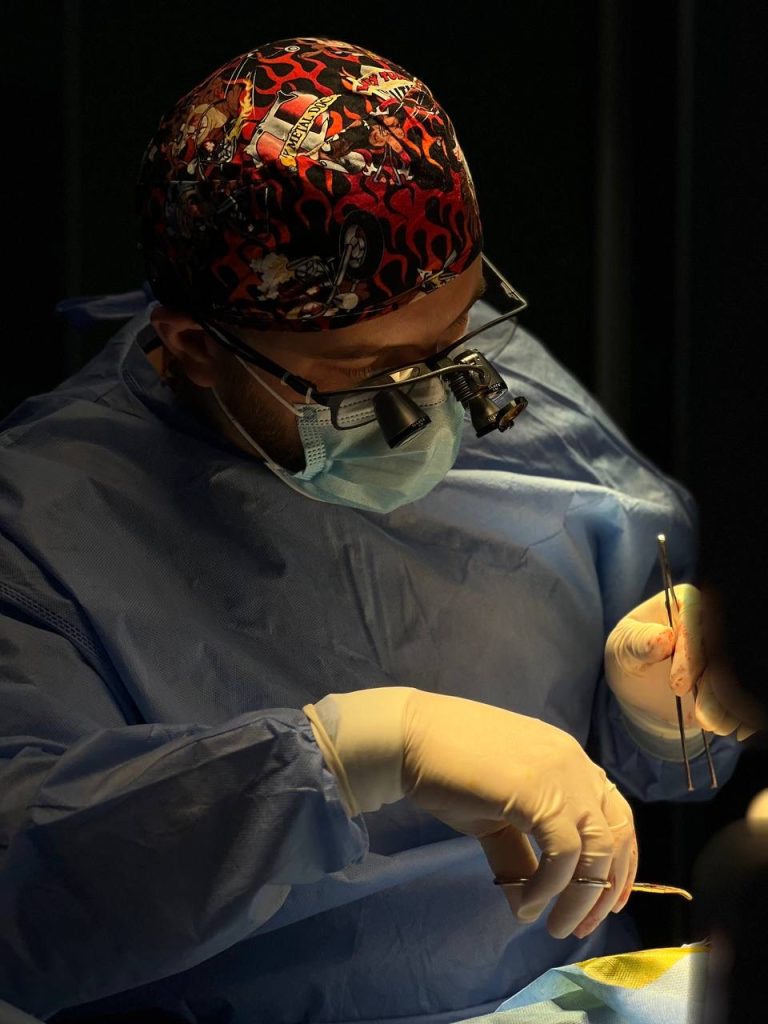
It is important to understand that tumors are not simply classified as either benign or malignant. There is also what we might call a “grey zone” — the atypical lipomatous tumor (ALT). Until recently, this entity was classified as a low-grade liposarcoma. For that reason, it is impossible to determine the nature of a tumor based on appearance alone.
If a lump has reached the size of a golf ball, a biopsy should be taken and the tissue sample should undergo histopathological evaluation at a specialised referral center to determine the most appropriate treatment strategy.
What can patients look out for themselves? First and foremost, the neoplasm’s pattern of growth. If it begins to enlarge rapidly, that should be a cause for concern. Most benign tumors exhibit little to no growth over time.
Even when a lump appears to be a typical lipoma, it still requires thorough evaluation and an accurate diagnosis. Large lipomas can undergo malignant transformation, which is why I often recommend removing them proactively rather than waiting until they progress to a liposarcoma.
Are there any known risk groups? Who should be particularly mindful of their health?
Sex, skin color, and lifestyle have little to no influence on the risk of developing sarcoma. Only a handful of very rare risk factors are known. The most significant one is exposure to ionizing radiation. People who have previously undergone radiation therapy for another type of cancer may develop what is known as a secondary sarcoma within the irradiated area many years later.
As for hereditary predisposition, the vast majority of sarcomas occur sporadically, meaning they are not passed down genetically. Only a small number of genetic syndromes are associated with an increased risk of developing sarcoma, including RB1 gene mutations, Li-Fraumeni syndrome, and Recklinghausen disease (neurofibromatosis type 1). These are ultra-rare inherited conditions that typically become apparent in childhood.
Unlike many other types of cancer, sarcomas are not associated with the traditional risk factors. What is well established, however, is that different types of sarcoma tend to affect different age groups. Bone sarcomas, for example, occur predominantly in children, adolescents, and young adults. This is particularly true of osteosarcoma and Ewing sarcoma, both of which become significantly less common with age. In contrast, chondrosarcoma — a malignant tumor of cartilage — is diagnosed far more frequently in older adults. Soft tissue sarcomas, meanwhile, are most frequently diagnosed in middle-aged people.
What treatment options are currently available to sarcoma patients in Ukraine? How closely do they align with international standards of care?
Ukrainian patients have access to all of the core sarcoma treatments recommended by international clinical guidelines. However, certain cutting-edge treatment modalities that have already become standard of care at leading cancer centers worldwide remain unavailable in Ukraine due to limitations within the healthcare system and broader economic constraints.
Surgery remains the cornerstone of treatment for soft tissue sarcomas. For large tumors or high-grade malignancies, however, treatment is typically combined with radiation therapy and chemotherapy.
For bone sarcomas, particularly osteosarcoma and Ewing sarcoma, chemotherapy plays a pivotal role in treatment. Surgery alone cannot ensure a successful outcome — the tumor’s response to chemotherapy is often the determining factor. Treatment usually begins with neoadjuvant chemotherapy, followed by surgery and a course of adjuvant chemotherapy. A good response to chemotherapy significantly improves the chances of cure while reducing the risk of recurrence.
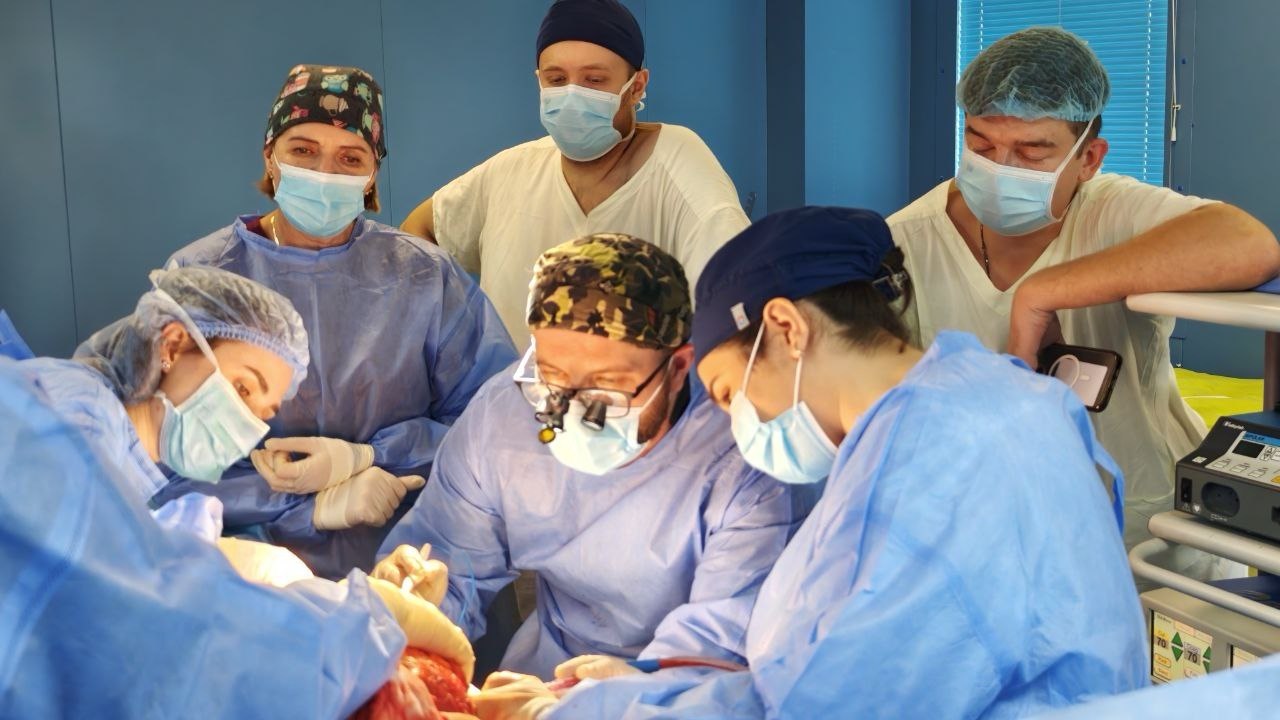
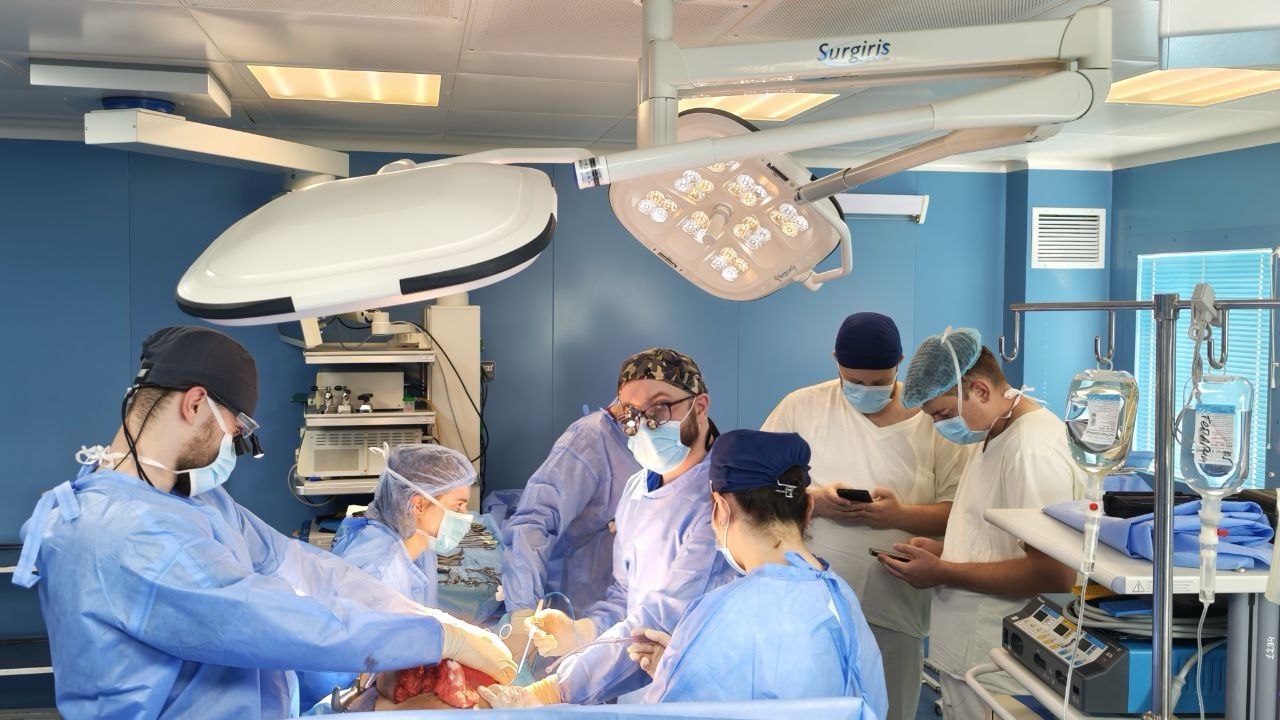
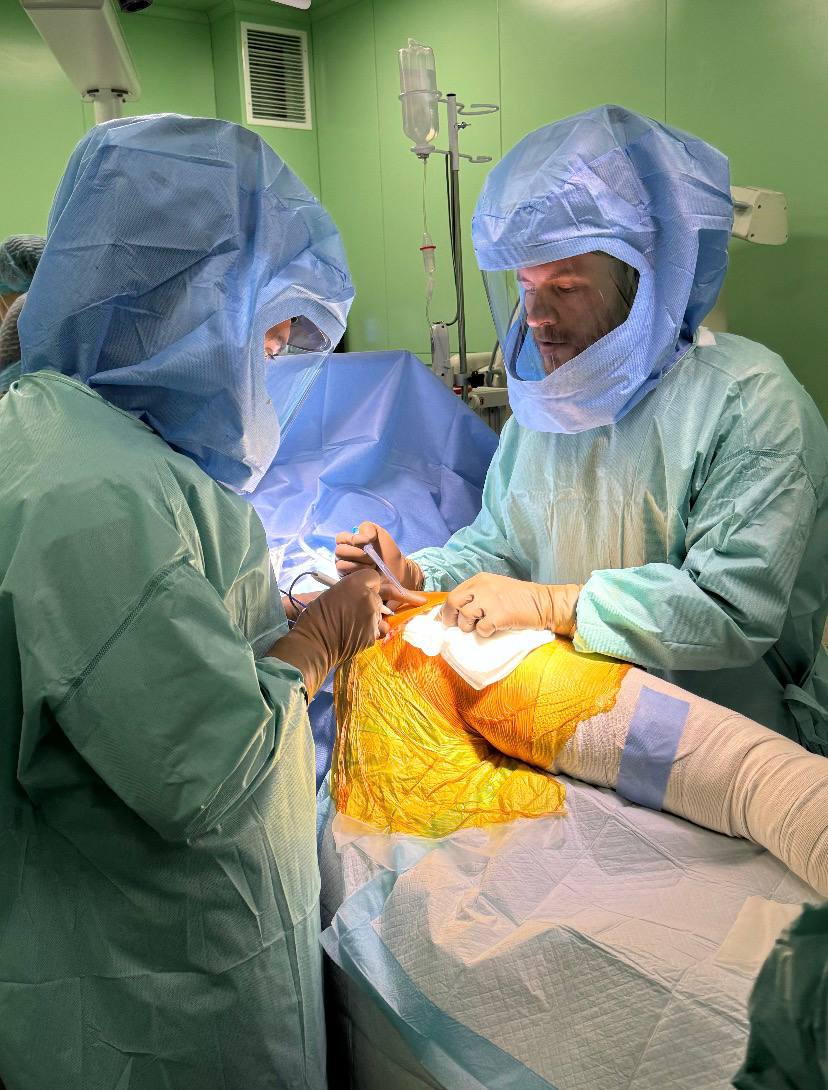
The treatment of bone sarcomas is considerably more challenging. Unlike soft tissue sarcomas, where complete surgical removal of the tumor is often sufficient, bone sarcomas require not only the removal of the cancer but also the restoration of the affected limb’s function. For instance, removing the knee joint without further reconstructing would leave a patient unable to walk. For this reason, once the diseased section of bone has been resected, surgeons perform reconstructive surgery using specialised megaprostheses (large segmental endoprosthetic implants).
These procedures are exceptionally complex. They require expensive implants, carry a substantial risk of complications, and are followed by lengthy rehabilitation. Moreover, because extensive amounts of tissue — including muscles — often have to be removed, it is not always possible to fully restore the function of the affected limb.
Nevertheless, Ukrainian patients lack access to more advanced treatments, such as proton beam therapy and carbon-ion radiation therapy, which have demonstrated excellent efficacy in treating certain types of sarcoma, particularly chondrosarcoma, when surgery is either impossible because of the tumor’s location or would result in severe, life-altering disability.
Another major challenge is the insufficient access of Ukrainian patients to international clinical trials. Treatment always starts with therapies whose effectiveness has been confirmed by international clinical guidelines. However, when standard approaches fail to achieve the desired results, our European colleagues are often able to offer patients the opportunity to participate in clinical trials. This provides access to new drugs that have not yet become part of standard treatment protocols, but are already showing promising results and may help slow disease progression or even save lives.
Can sarcoma be completely cured? What primarily determines a patient’s prognosis?
For certain types of sarcoma, particularly those that are highly responsive to treatment, we can indeed speak of strong chances of complete recovery. The best prognosis is seen in patients who seek medical attention at an early stage of the disease, when the tumour is localised and has not spread beyond the primary site. That said, medicine cannot offer 100% guarantees: there is always a risk of recurrence or disease progression.
Oncologists are often expected to cure every patient. Even colleagues from other medical fields sometimes ask: “If cancer is treated, why does it recur or metastasize?” I always respond with a question of my own: have cardiologists learned how to cure arterial hypertension? Or endocrinologists — have they defeated diabetes? No. Patients receive treatment, manage their conditions, compensate for the consequences, and continue to live active and fulfilling lives.
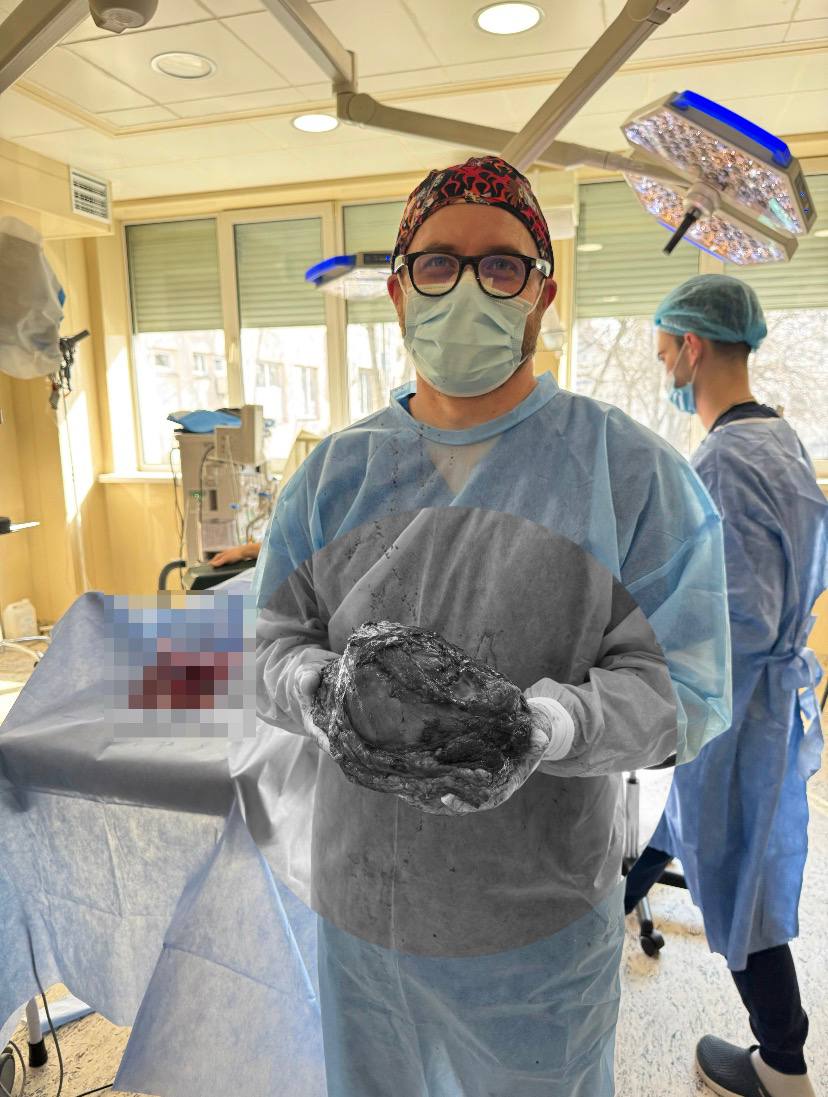
However, there are patients who, unfortunately, can no longer be cured radically. They are considered part of the palliative care group. Such patients receive ongoing systemic therapy, including targeted treatments, immunotherapy, or chemotherapy regimens. Treatment continues for as long as it remains effective or until side effects develop that make further therapy impossible. Despite this, patients can maintain an active lifestyle: they work, travel, and spend time with their families. This is exactly what we aim for — not only to extend a person’s life but also to preserve its quality for as much as possible. Being able to spend another year, two, or three with their loved ones, fulfil their dreams, and see their children or grandchildren grow is an achievement of tremendous value itself.
How has the full-scale war affected the diagnosis and treatment of cancer? Do you see cases where people delay seeking medical care because of the war, financial difficulties, or fear?
On the one hand, Ukrainians have gained the opportunity to seek treatment abroad and, with temporary protection status, receive medical care in European countries under almost the same conditions as local citizens. This has opened access to costly treatments, modern chemotherapy, complex surgical procedures, as well as therapies that are not yet available in Ukraine, including proton radiation therapy. For many patients, this has become a chance to receive world-class treatment.
However, this decision is far from easy to make. A person has to leave their home, move to an unfamiliar country, overcome a language barrier, find accommodation, and complete the necessary paperwork. All of this takes time. In some cases, patients manage to navigate all the formalities quickly and begin treatment without delay, but there are also situations where things take a different course: while a person is waiting for documents, a consultation, or hospital admission, the disease continues to progress. In my practice, I have encountered cases where already, at the first examination, colleagues had to acknowledge that the disease had become too advanced and that the chance for curative treatment was no longer feasible.
On the other hand, the war has significantly complicated access to specialised medical care within Ukraine as well. Even now, several years after the start of the full-scale war, serious logistical challenges remain. Patients from frontline regions often struggle to reach specialised medical facilities. Since most of these centres are located in Kyiv, the ongoing threat of shelling often causes people to postpone their trips, saying: “I’m afraid to travel because of the security situation.”
Power outages create additional difficulties. Laboratories and diagnostic equipment often have to rely on generators, which can result in delays or postponed examinations. The situation is further complicated by train delays or cancellations caused by attacks. At the same time, regional hospitals often lack experience in managing such complex cases, meaning that patients are forced to seek care at highly specialised referral centres. Such factors lead to delays at different stages of diagnosis and treatment. For sarcoma, however, time is a critical factor: the earlier treatment begins, the greater the chances of achieving a favorable outcome.
What inspired the creation of the Ukrainian Sarcoma Foundation? What are the foundation’s main goals?
The driving force behind the creation of the foundation was my daily communication with patients. As a doctor, I often accompany them throughout their entire journey — from biopsy and diagnosis to the completion of treatment, whatever the outcome may be. It is during this process that you gain the clearest understanding of systemic problems from the inside.
I am not the Minister of Health, and I do not have the power to change national healthcare policy, but I can make a difference at my own level. I grew up with a DIY mindset: when you see a problem and have the ability to address it, you should not wait for someone else to do it. This is the principle that drives the Ukrainian Sarcoma Foundation: if our work can improve treatment outcomes or increase survival rates among sarcoma patients in Ukraine even by one per cent, that alone would be a tremendous achievement.
One of the foundation’s key areas of work is providing financial support to patients. Although we are not yet able to cover the full cost of treatment, we can help pay for a course of chemotherapy, partially fund surgery, or assist with the purchase of an oncological implant. We make every effort to ensure that our fundraising is as transparent as possible. For each patient, we create a separate Monobank fundraising account, allowing anyone to track in real time how much has already been raised. Once the fundraising campaign is complete, we publish a report with receipts and confirmation of expenses. People should know how every hryvnia they donated was spent.
The foundation’s second major area of work is education and awareness. There is still not enough knowledge about sarcoma, so we translate international guidelines, share up-to-date information about the disease, and actively promote it through social media. We have also launched a series of video stories featuring patients who are undergoing treatment or have already completed it. These stories help challenge the misconception that sarcoma is incurable and that treatment attempts are futile. When people see a patient who finished treatment seven or eight years ago living their life to the fullest — working, raising children, and pursuing their passions — they begin to realise that life after sarcoma does exist.
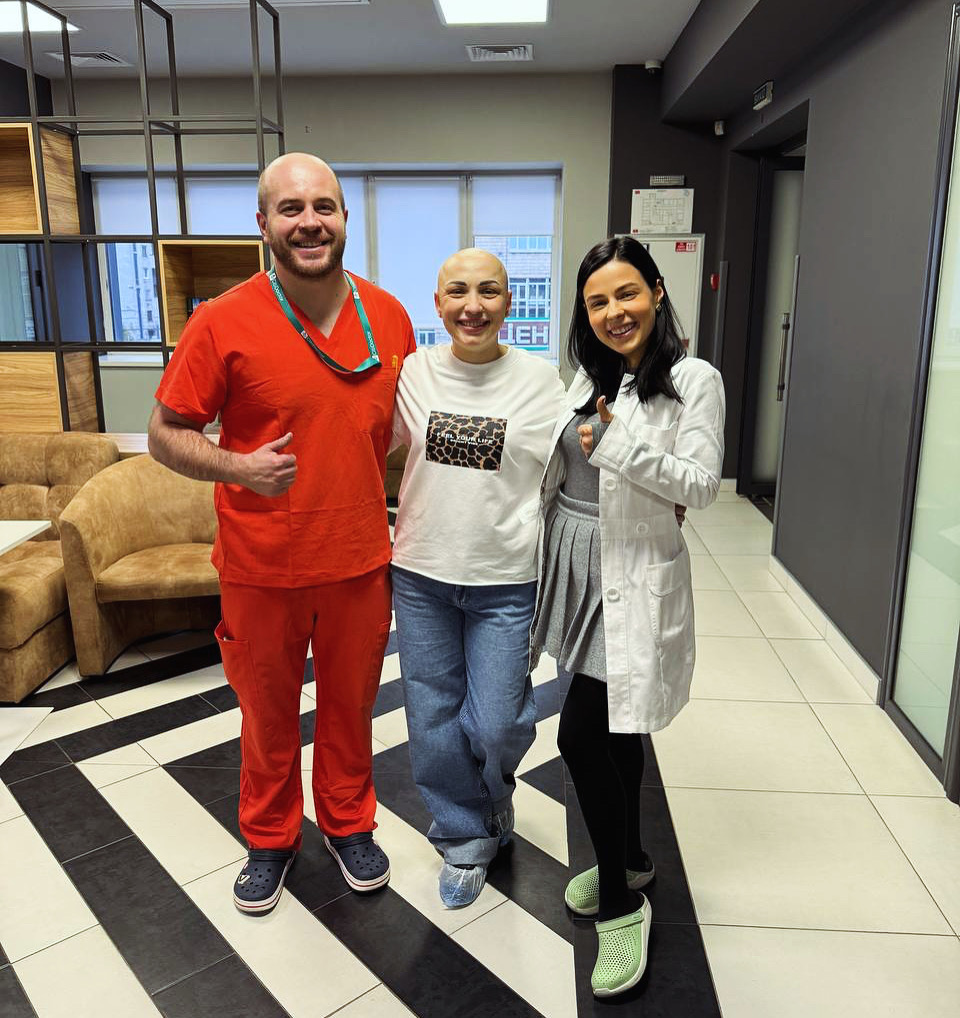
It is equally important to address patients’ fears. Young women are often afraid of chemotherapy due to the prospect of hair loss. The words “I would rather die than undergo chemotherapy” often reflect a whole range of underlying concerns: fear of losing self-confidence, fear that their partner will no longer find them attractive, and fear of losing their femininity.
People also find the possibility of amputation extremely difficult to accept. Although, as painful as it may sound, this conversation has become somewhat easier since the beginning of the full-scale war. Every day we see soldiers with prostheses who, despite undergoing double or even triple amputations, continue to lead active lifestyles, work, exercise, and travel.
Beyond this, we are actively involved in international awareness campaigns. Last year, during Bone Cancer Awareness Week, I ran the half marathon at the Kyiv Marathon wearing a sarcoma awareness shirt to help draw attention to this often-overlooked disease. I am deeply inspired by the British charity Bone Cancer Research Trust, which organises a wide range of fundraising events — including mountain hikes, bike rides, marathons, and swimming competitions — raising funds for independent scientific research.
International partnerships are also a key part of our work. We recently joined the Sarcoma Patient Advocacy Global Network, which provided us with access to its educational materials. We translated these into Ukrainian and incorporated them into our initiatives dedicated to Sarcoma Awareness Month.
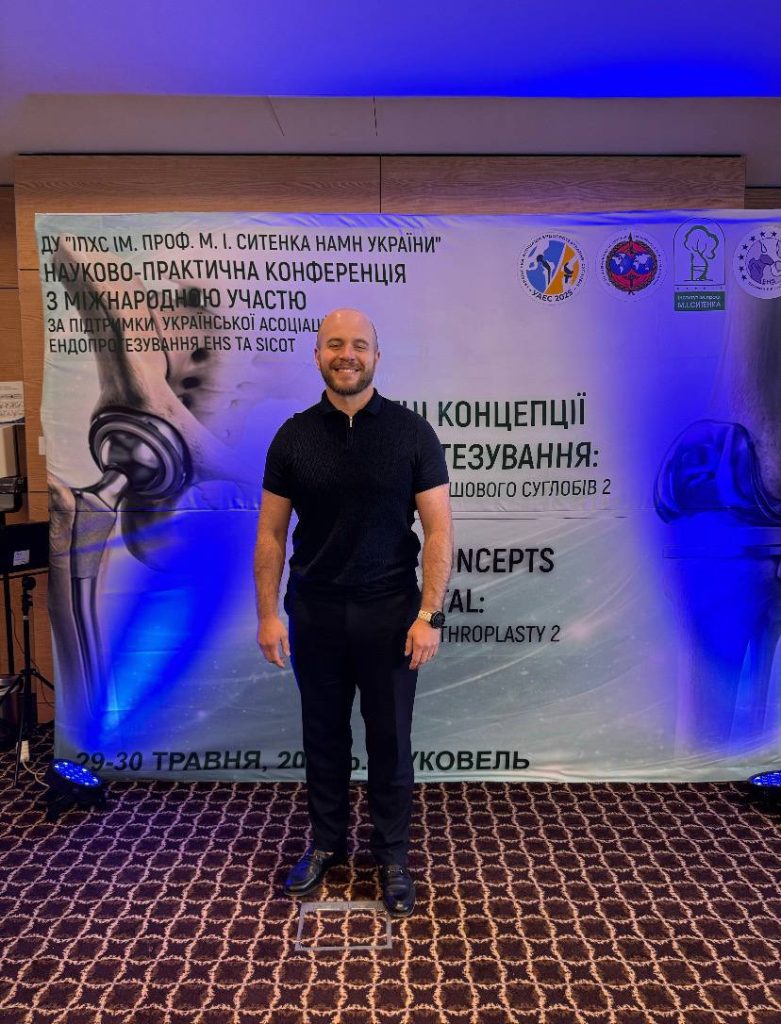
We are also working on translating international patient guidelines. Many people turn to ChatGPT and other artificial intelligence systems for advice, but these tools cannot guarantee accurate and medically verified information. Patients often say: “I feel like I am the only person in the world with this diagnosis.” That is why we aim to create accessible Ukrainian-language resources that explain in detail what sarcoma is, how it is diagnosed and treated, and what outcomes patients can expect.
You work with patients who are going through one of the most difficult periods of their lives. What helps you maintain hope and avoid professional burnout?
One of the most effective ways I have found to cope with burnout is my work with the Ukrainian Sarcoma Foundation. It has become a kind of emotional outlet for me — an opportunity to step away from purely clinical practice.
Simple everyday things help as well: walking my dog, exercising, and maintaining a clear routine that allows me to separate my work life from my personal life.
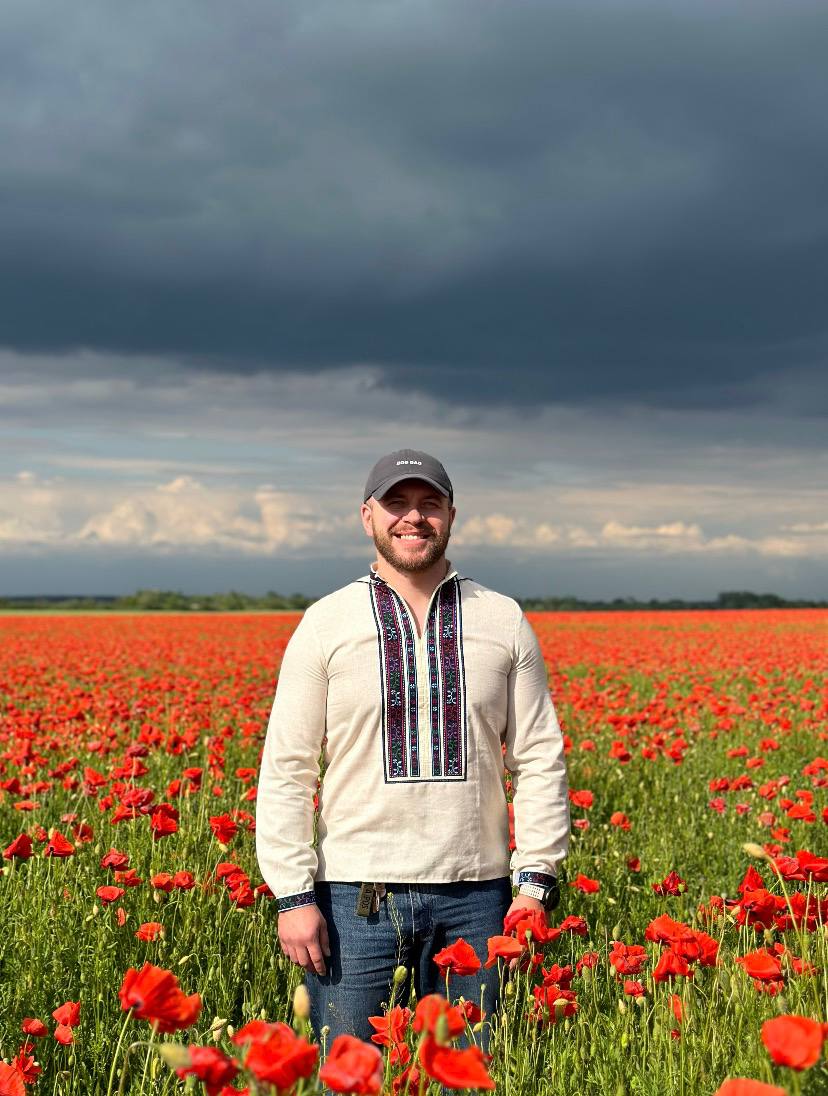
Professional burnout among oncologists is a very serious issue. Younger colleagues often ask me how they can deal with it. Our profession is demanding, not only physically, but also emotionally. And the most difficult part is accepting that so much of what happens is beyond the doctor’s control.
I often explain this using a simple example. If a professional such as a hairdresser follows the basic rules and does their job well, the outcome is almost guaranteed to be good. Medicine is different. We can provide treatment perfectly in line with all protocols and guidelines, but that does not mean that every patient will recover.
At certain stages of the disease, a successful outcome may be achieved in 60% of patients, while in some cases it may be as low as one in four. But that does not mean we should give up. On the contrary, we have to come to work every day remembering that among these patients there are people we can help. Even if it is only one person out of ten — that person alone is worth fighting for.
Delivering bad news is difficult. This is especially true when it involves children, teenagers, or young adults. It is incredibly hard to look parents in the eye and explain that their child is seriously ill and that the possibilities for curative treatment have been exhausted. There are international protocols designed to teach doctors how to communicate such news, have difficult conversations, and support patients and their families. But no protocol can make these conversations easier. It is something you simply cannot get used to.
Was there a patient or a story from your practice that changed the way you view your profession, or even life itself?
There have actually been many such stories. Fortunately, or perhaps sadly, I remember my patients very well. I remember those who recovered and still stay in touch with me, as well as those who, unfortunately, are no longer with us. I maintain relationships with many families even after the completion of treatment.
Patients often ask: “Why me? What did I do to deserve this?” Some try to find a reason in superstitions, talking about curses, the evil eye, and so on, but the truth is that illness does not choose. No one deserves cancer.
Perhaps the most important lesson I have learned from my patients is to cherish the present and never put life on hold. We should not wait for the “right” moment to come — we should pursue our dreams now. The full-scale war has only deepened this realisation: we have all become more aware of how fragile life is and how suddenly it can be taken away.
Of course, I cannot share specific stories or reveal patients’ names — that information is confidential. However, some cases are particularly inspiring. One of them is the story of two patients with bone sarcoma who met while undergoing treatment. They both overcame the disease, got married, and are now raising a daughter together.
There have been cases where a child’s prognosis was extremely poor, and the chances of recovery seemed minimal, but we refused to give up. We continued treatment, explored every possible option, and ultimately managed to bring the disease under control — and in some cases even achieve complete remission. For patients with stage four disease, this is truly an extraordinary outcome.
When encountering a particularly challenging case, you remember the patients who were once given little hope but still managed to overcome the disease. Stories like these remind us that we have to keep going, even when the situation appears near hopeless.
How do you envision the system of care for sarcoma patients in Ukraine in 5–10 years?
It is difficult for me to speak about systemic changes, as they depend on many factors beyond my control. However, I can share my vision of what a comprehensive support system for sarcoma patients should look like.
Above all, I want every patient to have access to trustworthy information, timely and accurate diagnosis, and the full range of modern treatment options. It is crucial that treatment decisions are based not on a patient’s financial situation, but on medical indications.
Sometimes we are faced with extremely difficult choices. For example, a patient may need an oncological endoprosthesis that would allow them to preserve their limb. However, because of its high cost, amputation may be offered as an alternative. This is an extremely painful situation for me. If there is a chance to save a limb, we must do everything possible to make it happen: seek charitable funding, explore alternative financing options, bring together professional expertise, and find intermediate solutions to address the problem. We must strive to build a system that puts the patient first, prioritising their quality of life, treatment outcomes, rehabilitation, and their ability to return to a fulfilling life.
I am not a supporter of complete centralisation of sarcoma treatment, where all care is concentrated in only a few expert centers. This could place excessive strain on these facilities, result in long waiting times, and create additional logistical challenges for patients. At the same time, every person should have the opportunity to receive a consultation at a specialised center and access the necessary expertise.
A key priority remains ensuring access to modern treatment methods, including proton and carbon-ion radiation therapy, which we have already discussed.
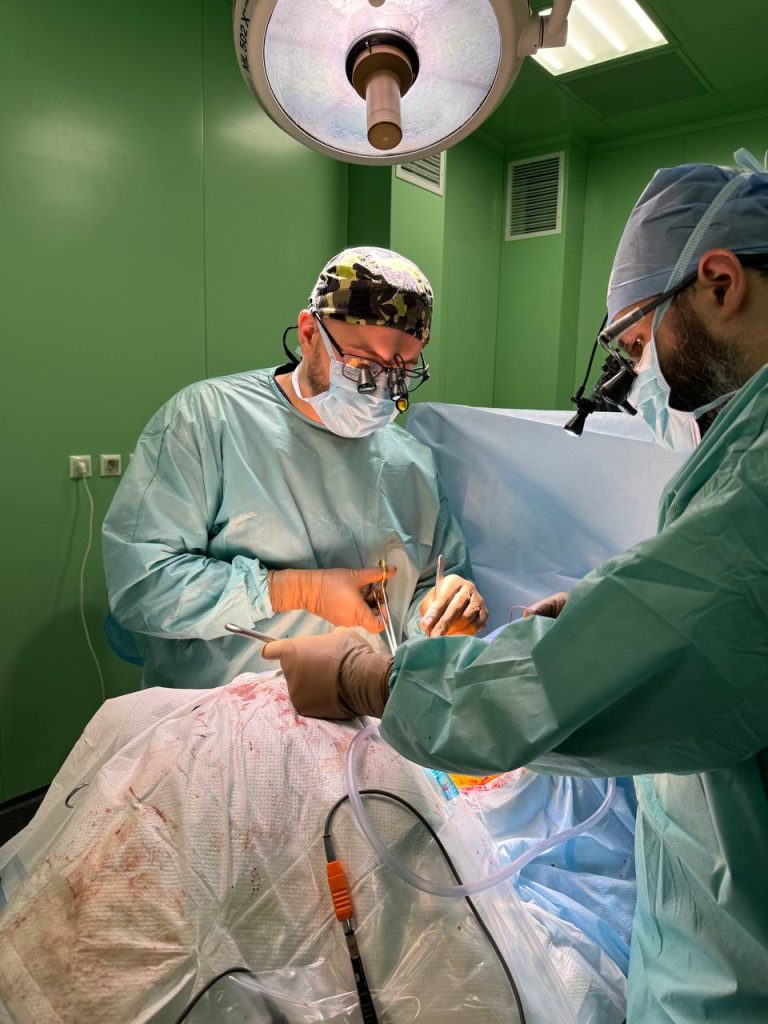
It is also important to address access to oncological endoprostheses and create conditions that would allow Ukrainian patients to participate in international clinical trials without having to leave the country.
I believe this is possible. Change does not happen overnight, but we are already taking the first steps.
Perhaps it will happen in five years, perhaps in ten — only time will tell. What matters is that we are already moving toward a system in which a person diagnosed with sarcoma in Ukraine will have greater chances of living a long and fulfilling life.
It is through such seemingly small steps that major changes begin — both in the healthcare system and in people’s lives. If something about your health is worrying you, schedule a medical check-up this week, and if you would like to support those already battling sarcoma, join the Ukrainian Sarcoma Foundation.
Text &Translation: Ann Lysenko
Photos from Bohdan Maksymenko archives
Ukrainian text editor: Anastasiia Zanuzdanova
English text editor: Helen Lewis