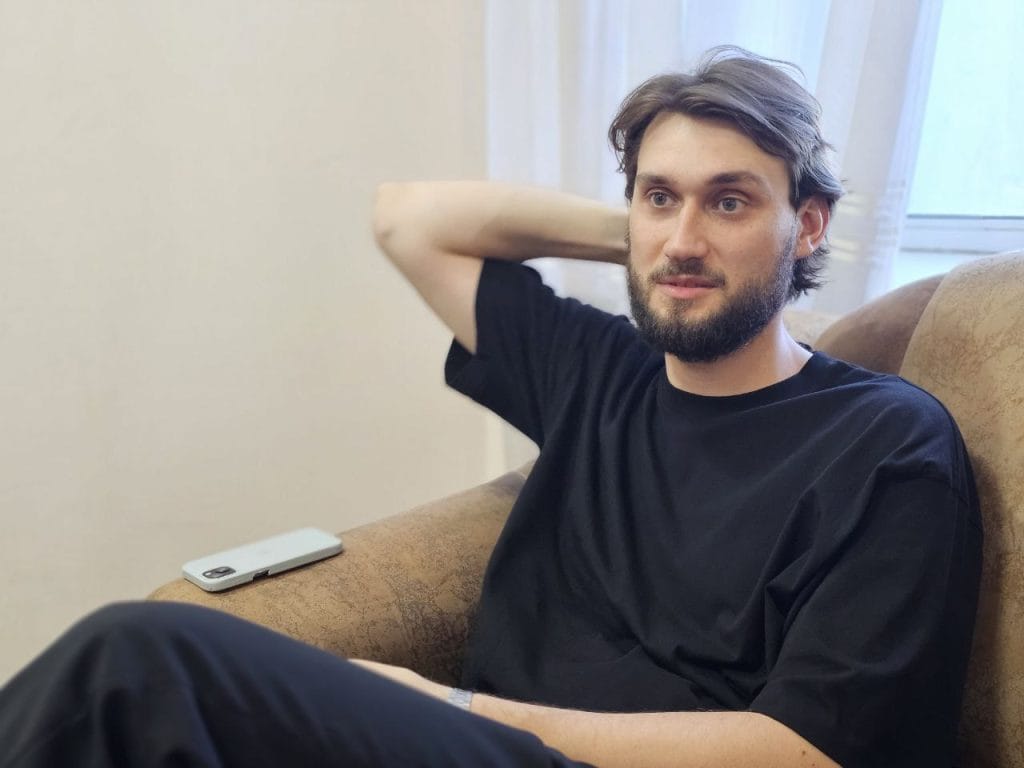
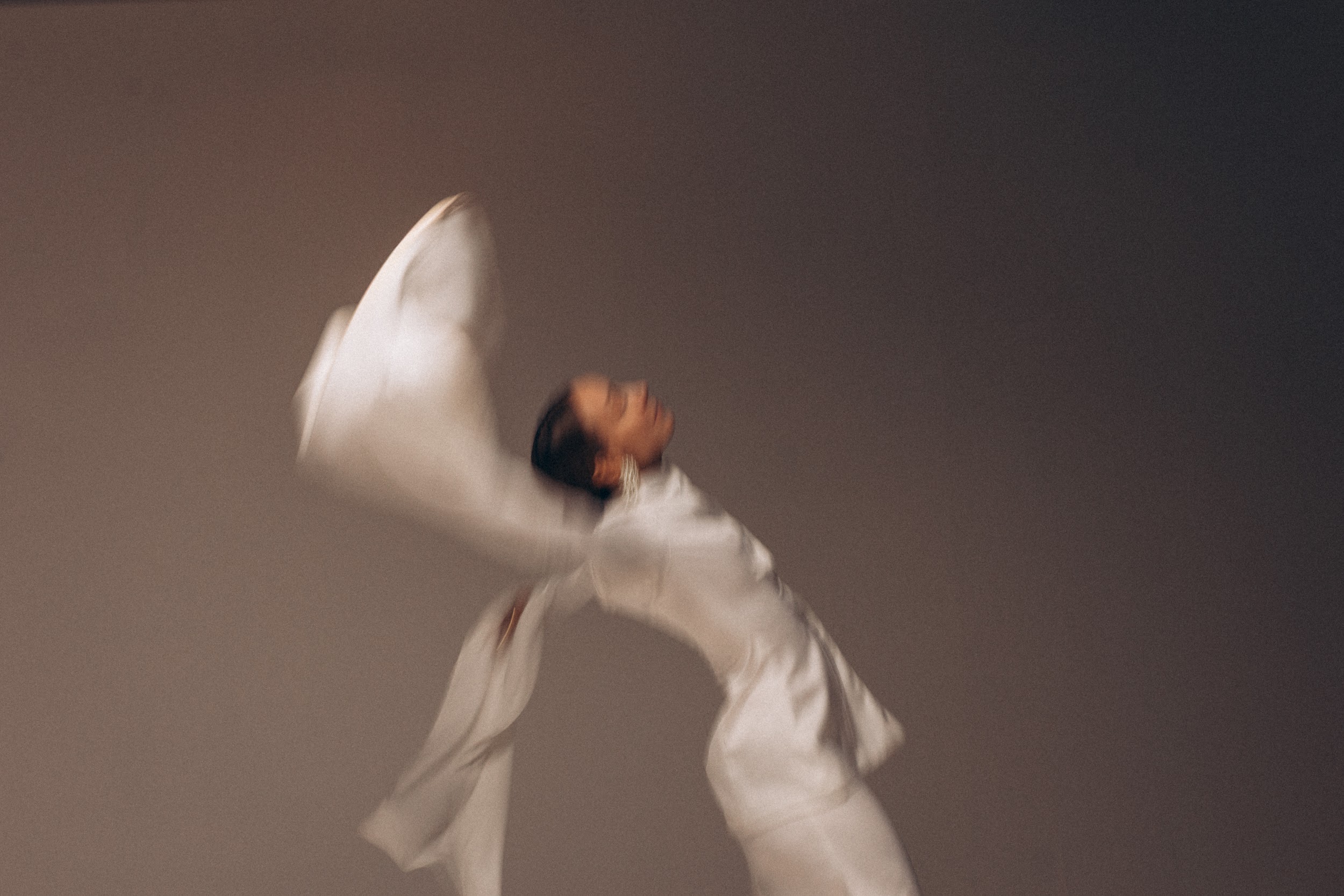
From 12 to 16 May, the 70th anniversary edition of the Eurovision Song Contest 2026 will take place in Vienna. Ukraine will be represented by LELÉKA with the song Ridnym. In an exclusive interview for Maiak, Viktoriia Leleka shares personal insights into her life and creative journey, and reflects on what it means for her to take part in one of the world’s most recognised music competitions — and how she is preparing for it.
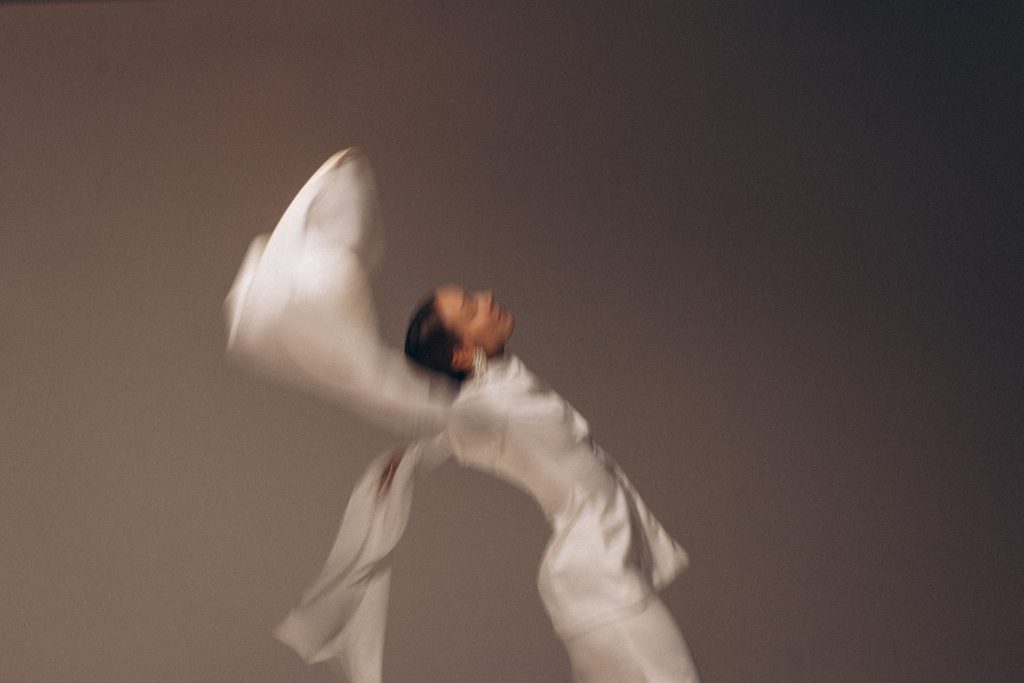
After winning the national selection, she needed solitude
On 7 February, Ukraine held its national selection for Eurovision — and the results came as a surprise to many fans. It was not the well-known singer Jerry Heil, nor experienced contestants like Khayat or Laud. The winner was LELÉKA — an artist whose fragility and natural presence contrasted sharply with the familiar image of confident “stage queens” certain of conquering any audience.
“I wasn’t someone who dreamed of the Eurovision stage from childhood, but over time those thoughts started to appear,” says Viktoriia Leleka (her real name and surname). “Many listeners wrote under my videos that this voice should represent Ukraine at the contest. When the results were announced, my mind simply switched off. The first thing I wanted was to be alone — to fully experience that moment. I’m grateful to everyone who congratulated me and supported me with such care for my emotional state.”
After her victory, questions quickly followed: Who is LELÉKA? She lives in Berlin — so does she have the right to represent Ukraine internationally? From a rules perspective, yes. But from a moral — or rather psychological — point of view, the question is more complex.
The theme of “those who left versus those who stayed” remains sensitive for Ukrainians during the war with Russia. Those who stayed often react strongly to those who left after the full-scale invasion began. Viktoriia, however, moved to Germany more than ten years ago due to personal circumstances. Yet, just as storks return home in spring, LELÉKA has returned to Ukraine this year — with the song Ridnym.
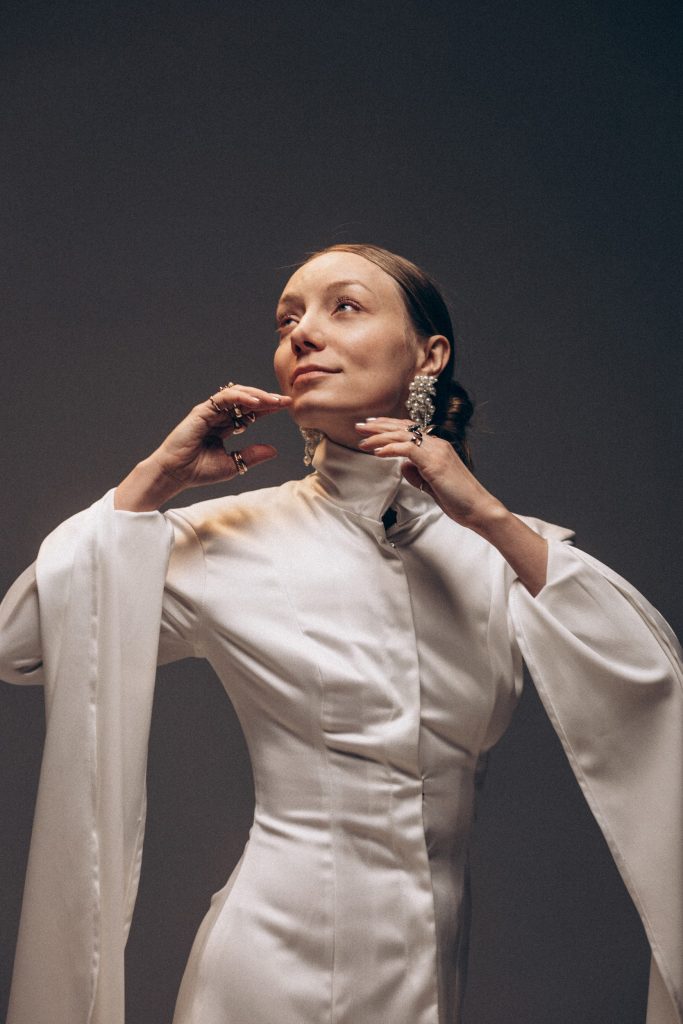
Finding space for growth in Europe
Before moving abroad, there was childhood in Pershotravensk, in the Dnipropetrovsk region, and student life in Kyiv.
“I was born and raised in Ukraine, in a mining region where most of my relatives were connected to that work,” Viktoriia recalls. “At the same time, I grew up in a very creative family: my father is a choreographer, and my mother worked in theatre as a lighting designer. That atmosphere shaped me as a musician.
“I also have German roots, so moving to Germany became a way to reconnect with that part of my family history — through language, culture and education. But in terms of identity, I feel like a Ukrainian artist. My music, the language of my songs, the folk motifs — all of it comes from Ukrainian culture.”
Her move to Germany coincided with changes in her personal life — she relocated with her first husband, though they later divorced. In Europe, she discovered new professional opportunities — not as an actress, which she had been in Kyiv, but as a musician.
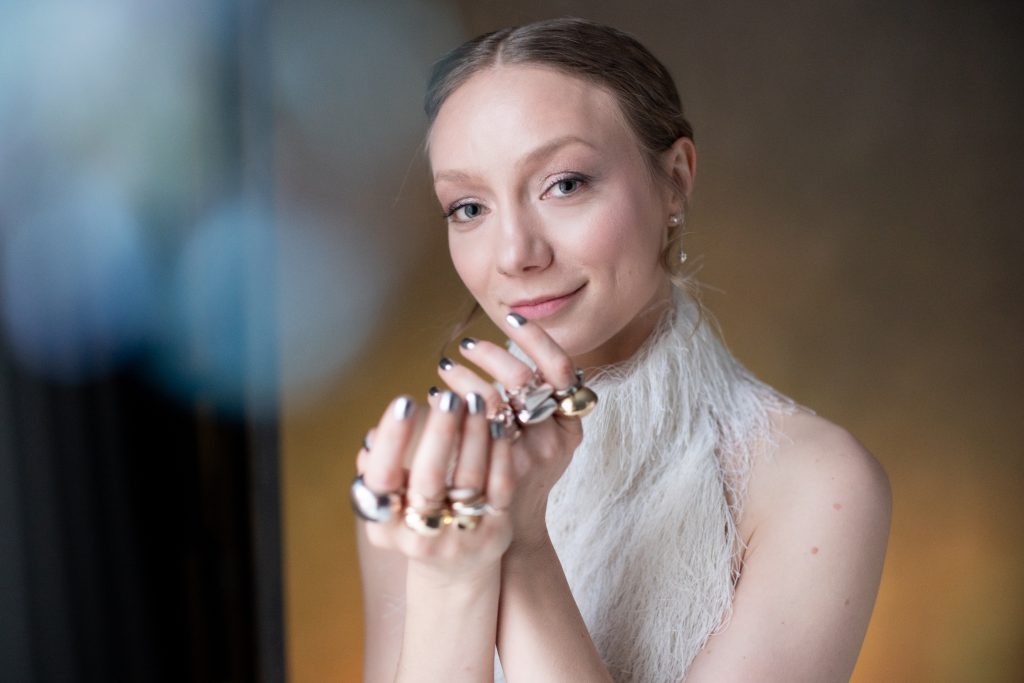
“It was important for me to be in an environment where I could experiment freely, learn new things, work with different musical cultures, and not limit myself to one sound,” she explains.
She studied at the Dresden Conservatory, earning a bachelor’s degree in jazz vocals and later a master’s degree in composition. She then continued her path as what she calls an “eternal student” at the Konrad Wolf Film University Babelsberg in Potsdam, completing a master’s degree in film composition.
Always singing in Ukrainian and actively volunteering
In 2016, Viktoriia founded the ethno-jazz band LELÉKA and began her active musical journey. Together with her musicians, she has released five albums, performed at leading European festivals, and toured in Germany, Ukraine, France, Poland, Austria, the Czech Republic, Belgium, Sweden, Switzerland, and beyond.
The band has received numerous prestigious international awards and nominations, opening new opportunities and inspiring further growth — without ever distancing her from her homeland.
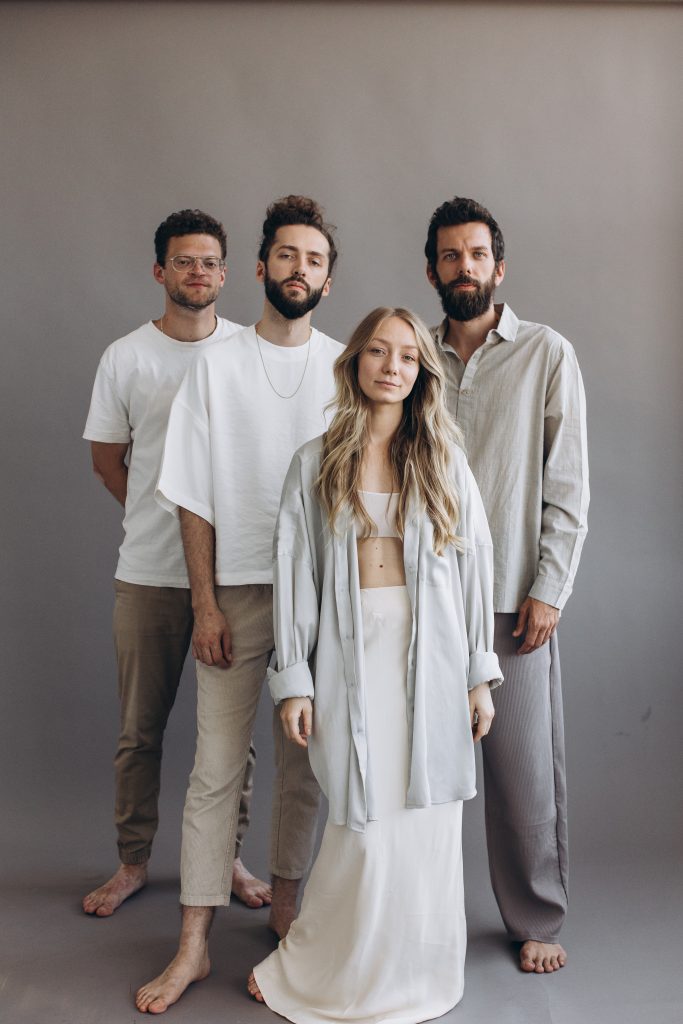
“Despite my success in Europe, I have always remained in the Ukrainian context,” she says. “I performed in Ukraine, spoke about Ukraine on international stages, and worked with living Ukrainian traditions — modernising and rethinking them. All our songs are written and performed in Ukrainian. Even though I was often encouraged to switch to a more ‘universal’ language, we chose to continue as promoters of Ukrainian culture in a European context.”
After the full-scale invasion began, Viktoriia became deeply involved in volunteering. As many Ukrainian refugees arrived in Germany, she tried to help everyone who reached out. Requests came in an endless stream.
At some point, she realised she had neither time for music nor the strength to maintain her physical and mental health. She understood that to remain effective, she needed to care for her own well-being — and managed to stop just short of complete burnout.
Ridnym: a journey from darkness to light
Preparing for the Eurovision national selection became another test of resilience. Once that marathon ended — with a long-awaited, if unexpected, victory — a new, even more demanding race began: the May final in Vienna.
After winning, Viktoriia admitted she dreamed of a short break in the mountains to regain her strength — but things did not quite work out that way.
“Rest is important, of course. But right now, my priority is preparing for Vienna. Representing your country on such a large international stage is a huge responsibility. Eurovision is, above all, a show — and audiences expect a ‘wow’ effect. We are working hard to meet those expectations.
“I’m staying in Ukraine, because my whole team is here. It’s important for me to maintain that connection — to meet, discuss, and share ideas in person.”
Her current routine includes rehearsals with the director and team, makeup and hairstyle tests, and detailed work with stylists on both public appearances and the final performance look. Alongside this, there is extensive technical, organisational and communication work.
Several international appearances are already planned, including official pre-parties in Amsterdam and London, where Ridnym was performed live for international audiences for the first time.
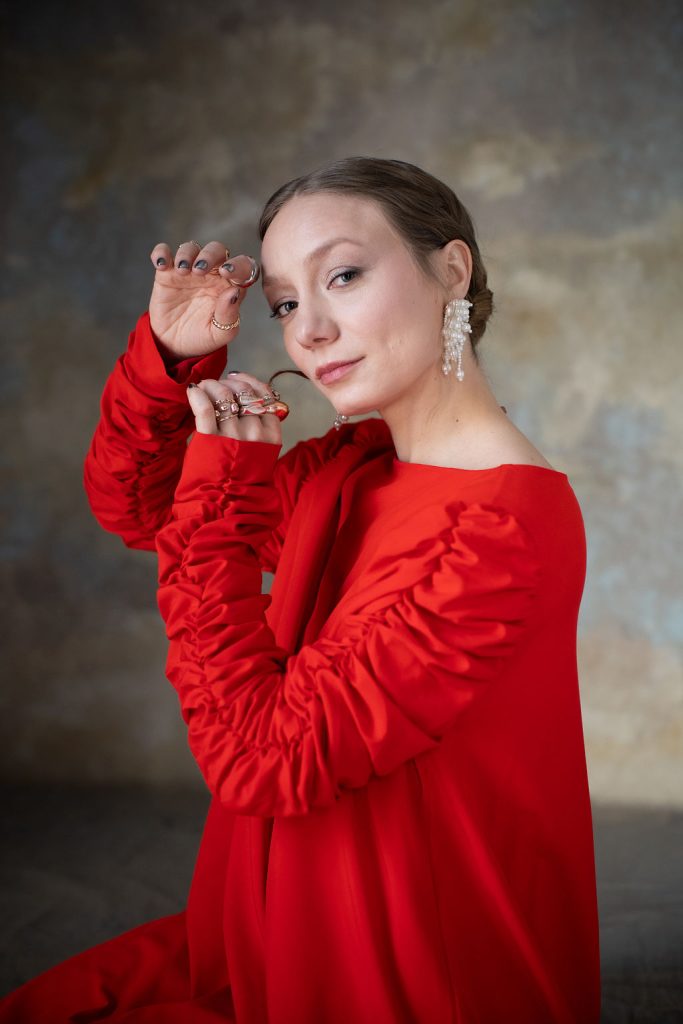
“My musicians are independent creative people, each with their own commitments outside LELÉKA, so it’s hard to predict what will happen after the contest. At Eurovision, I’m presenting myself as a solo artist, so the band’s activities are on pause until I return from Vienna. They understand and fully support me.”
A voice meant to be heard
When asked about the deeper purpose of her Eurovision performance, Viktoriia reflects:
“For me, this is not just a music competition – it’s a chance to present Ukrainian culture in a modern sound: deep, strong and alive. Ridnym is about an inner transition — the moment when fear and darkness give way to strength and light.
“It’s very important to me that people feel something deeply human and universal through this music. Of course, Eurovision also offers career opportunities, but above all, I want Ukraine’s voice to be heard honestly and powerfully — and for people in Europe to feel the emotion behind this song.”
Text: Yulianna Kokoshko
Photos: from Viktoriia Leleka’s personal archive
Ukrainian version editor: Anastasiia Zanuzdanova
English version editor: Helen Lewis