Robots instead of soldiers? Wang Jixian, a Chinese-born man now living in Ukraine, believes it is possible to reduce the need for human presence on the battlefield. Using his expertise in artificial intelligence, Wang is developing innovative projects entirely on his own.
“I want to help save the lives of Ukraine’s defenders,” says Wang, who resides in Odesa. With over a decade of experience in AI development, he is determined to use his knowledge to aid Ukraine in achieving victory.
The story of Wang Jixian
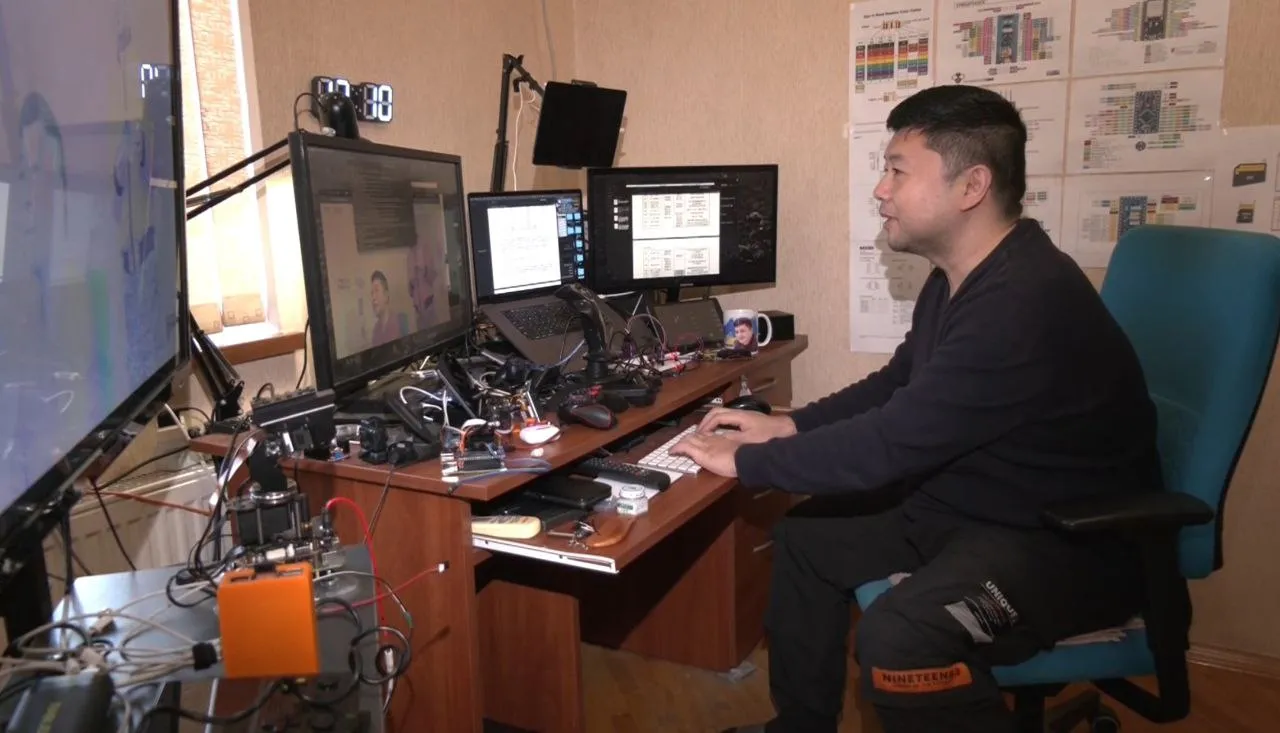
Wang Jixian moved to Ukraine in 2021, drawn by his love for his Ukrainian wife, whom he met online. Despite the onset of war, Wang has remained steadfast in Odesa.
“I’ve lived here before the full-scale war started. I never planned to leave Ukraine because of that. I love this country and its people,” says Wang. He is a technical director for an American medical regulatory company, designing AI models to meet business needs. However, creating robots is his personal passion.
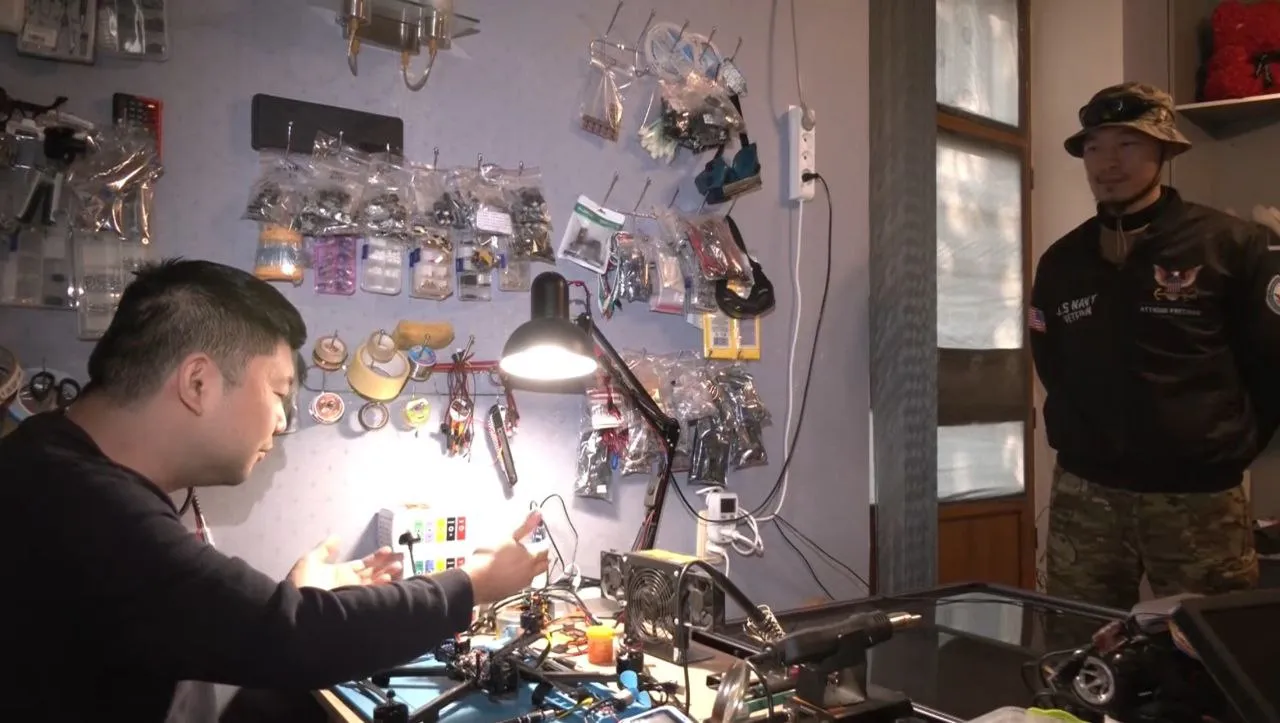
Wang emphasizes that his military-oriented projects stem from his own initiative and assumptions rather than direct requests. He collaborates with Atticus Freeman, a fellow Chinese-born man and former US Marine Corps member who now serves in Ukraine’s Foreign Legion. Together, they brainstorm ideas to enhance military efficiency.
AI Solutions for the Battlefield
Among Wang’s current projects is an automatic radio frequency switch, designed to thwart enemy jamming of communication channels.
“We’ve developed a system that automatically switches radio frequencies, making it impossible for the enemy to jam communications. It works in a similar way to remote control in a car. Cryptography is used each time, which changes the access password,” he explains.
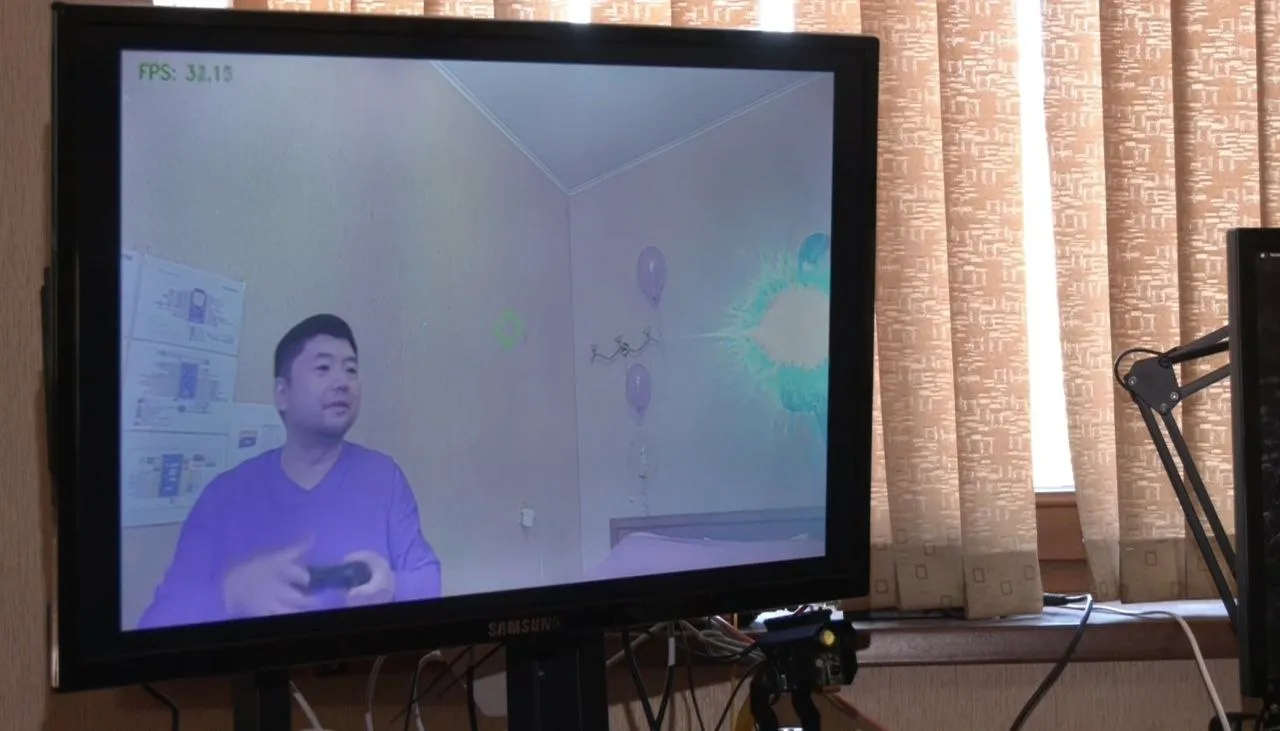
Another idea involves enhancing drones with artificial intelligence to make them more autonomous.
“Controlling a drone in real life is complicated by physical factors, such as the wind. We’re creating a system similar to cruise control in cars, simplifying drone operations to feel like a video game. This reduces the need for soldiers to have to enter dangerous zones,” says Wang. “Why should a person perform a task when a robot can do it more safely, especially when the person is currently under stress?”
Wang has also developed a low-latency video transmission solution using compact computer chips. Currently, he is working on self-targeting drone technology, enabling drones to identify and engage targets independently.
Motivated by a desire to save lives
Wang’s ultimate goal is to save lives by replacing human involvement in high-risk tasks with robotic systems.
“My motivation comes from understanding Ukraine’s struggles. I can’t tell defenders not to go to the battlefield — they’re needed there. But I can help replace them with robots in the most dangerous tasks,” he says.
He is ready to offer his innovations to the Forced Army of Ukraine for free. However, he requires the necessary permits and licences to test and implement his ideas into reality. With his demanding full-time job, Wang has little time to promote his projects or connect with potential partners.
Despite these challenges, Wang remains committed to aiding the Ukrainian Armed Forces. He hopes his innovations will significantly contribute to victory in the future.
Author: Ksenia Sitinska
Ukrainian Language Editor: Anastasiia Zanuzdanova
English Language Editor: Helen Lewis
Photos: Provided by the interviewee