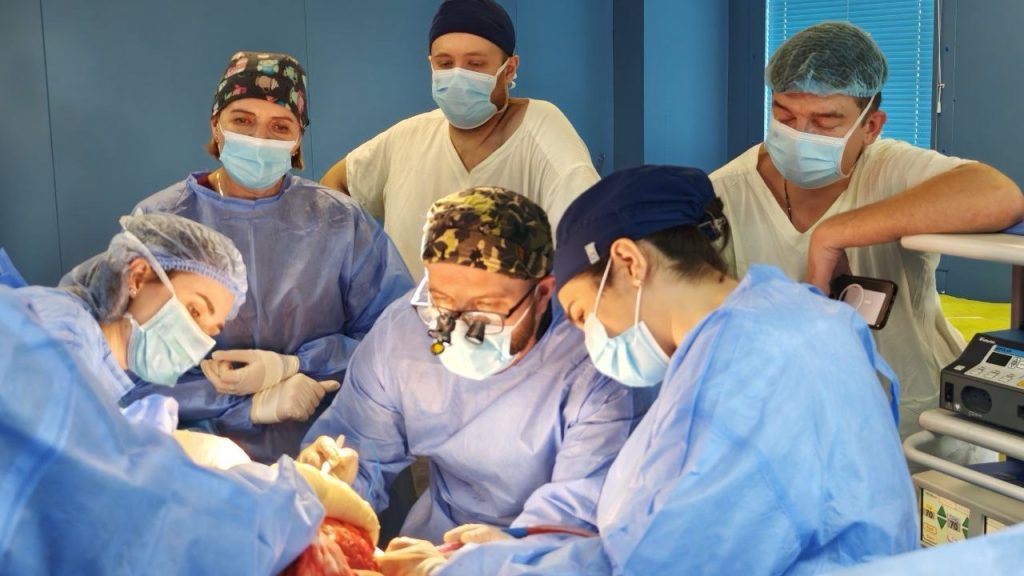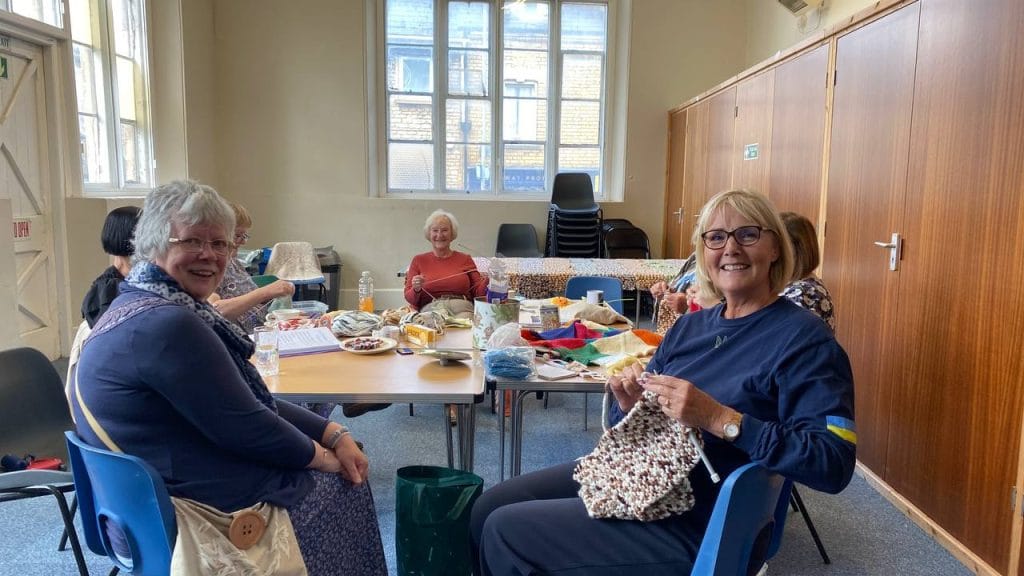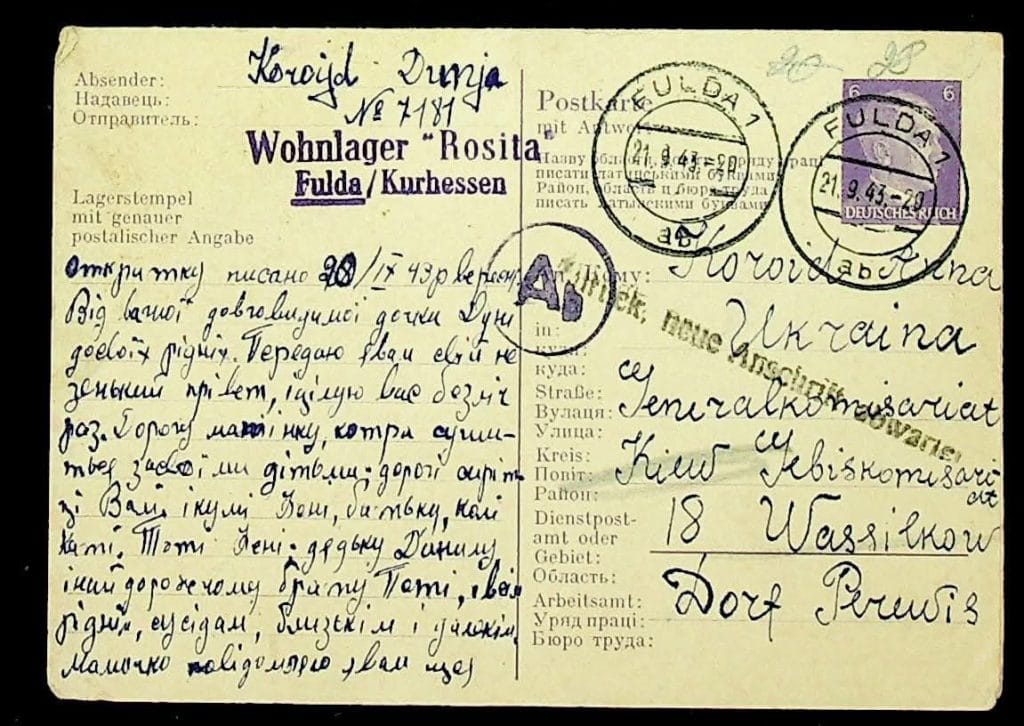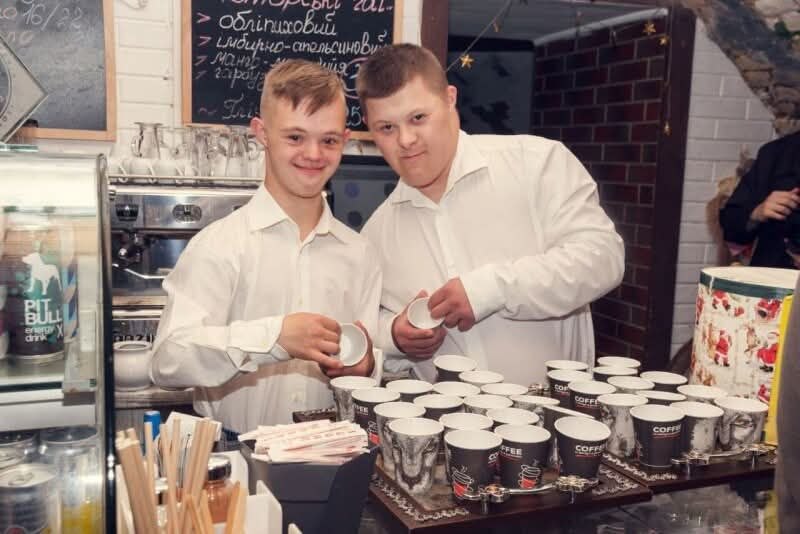
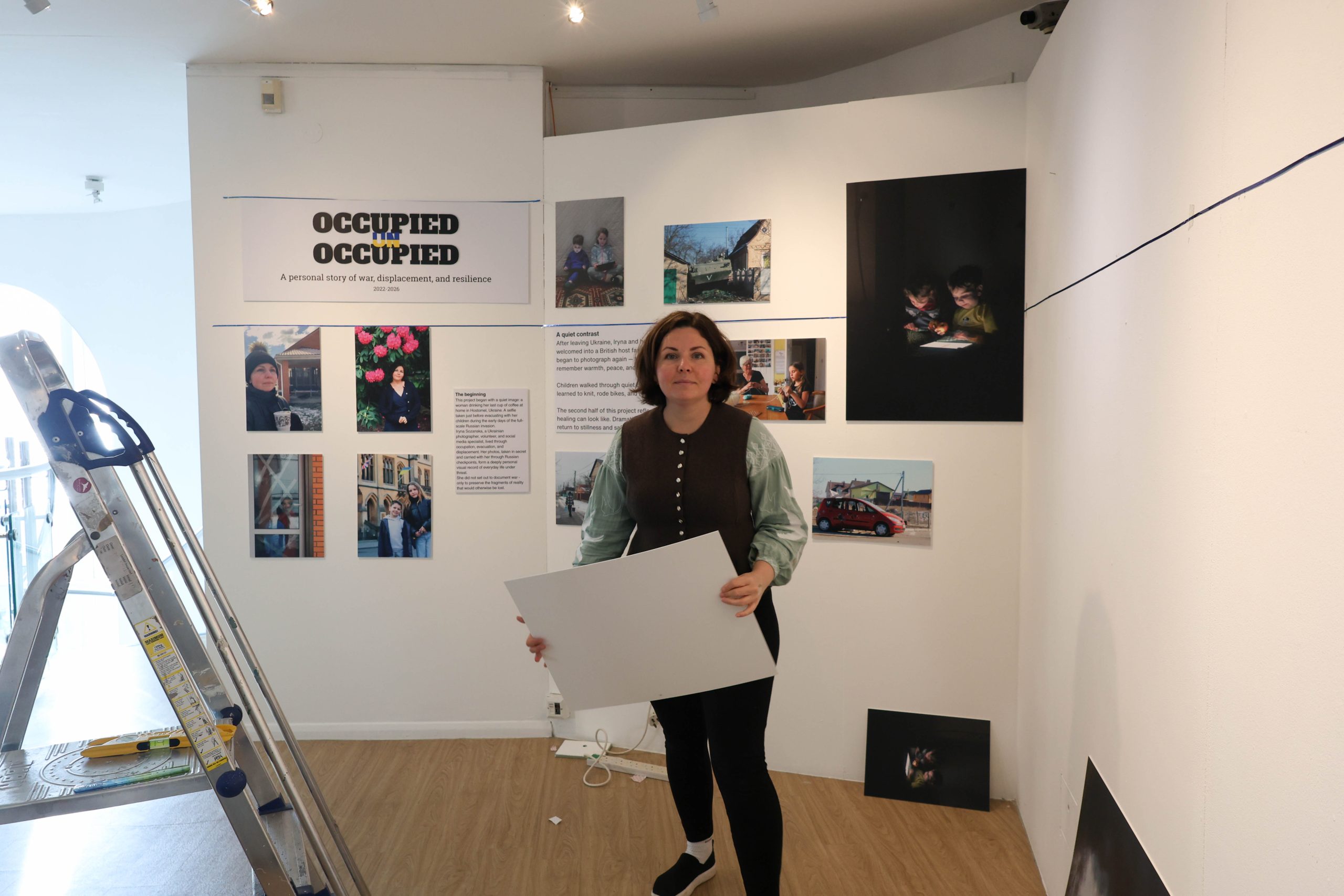
From 20 January to 8 March, the Café Gallery at Russell-Cotes Art Gallery & Museum in Bournemouth hosts Occupied/Unoccupied, an exhibition by Ukrainian photographer Iryna Sozanska. The project grew out of a personal wartime family archive and has become a thoughtful reflection on trauma, memory and the realities of building a new life in the United Kingdom. Exhibition Occupied/Unoccupiedis not only about war. It is about remembrance, adaptation and the strength of human support.
Through intimate photographs, Sozanska captures life between two realities — the one her family was forced to leave behind, and the one they are now learning to shape anew.
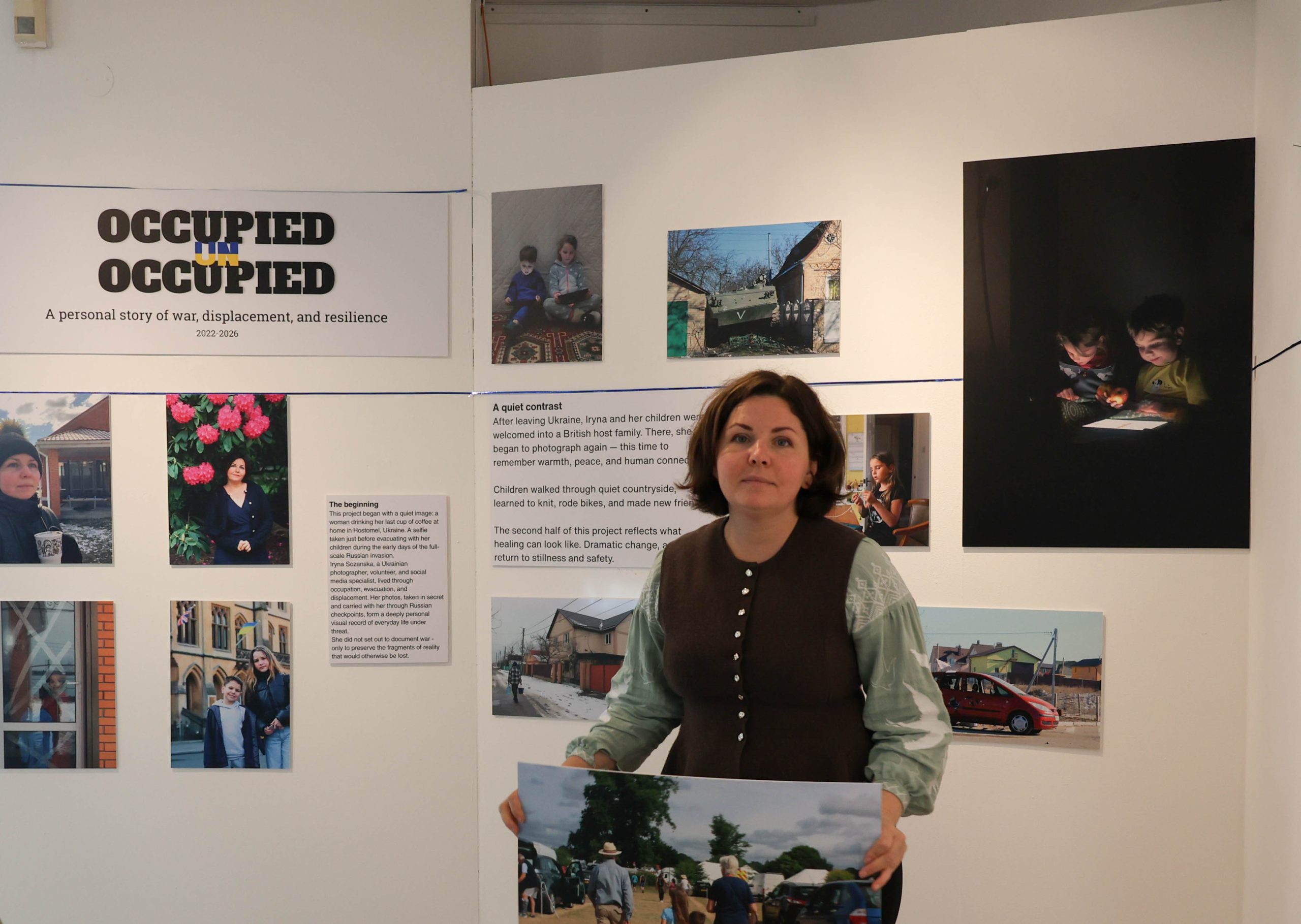
Iryna Sozanska describes herself as a photographer only relatively recently. Before the full-scale invasion, her camera was primarily a way to preserve family moments. “When the invasion began, and we were under occupation, I simply started photographing everything around us — our lives and daily routines,” she recalls.
The family lived in Hostomel, in the Kyiv region, and spent two weeks under Russian occupation. During those days, photographing became a way of regaining at least a small sense of control and normality. “It was a way of returning to routine during very difficult moments,” she says. Just as important was the need to preserve memory — to document the experience for her children and leave testimony for the future.
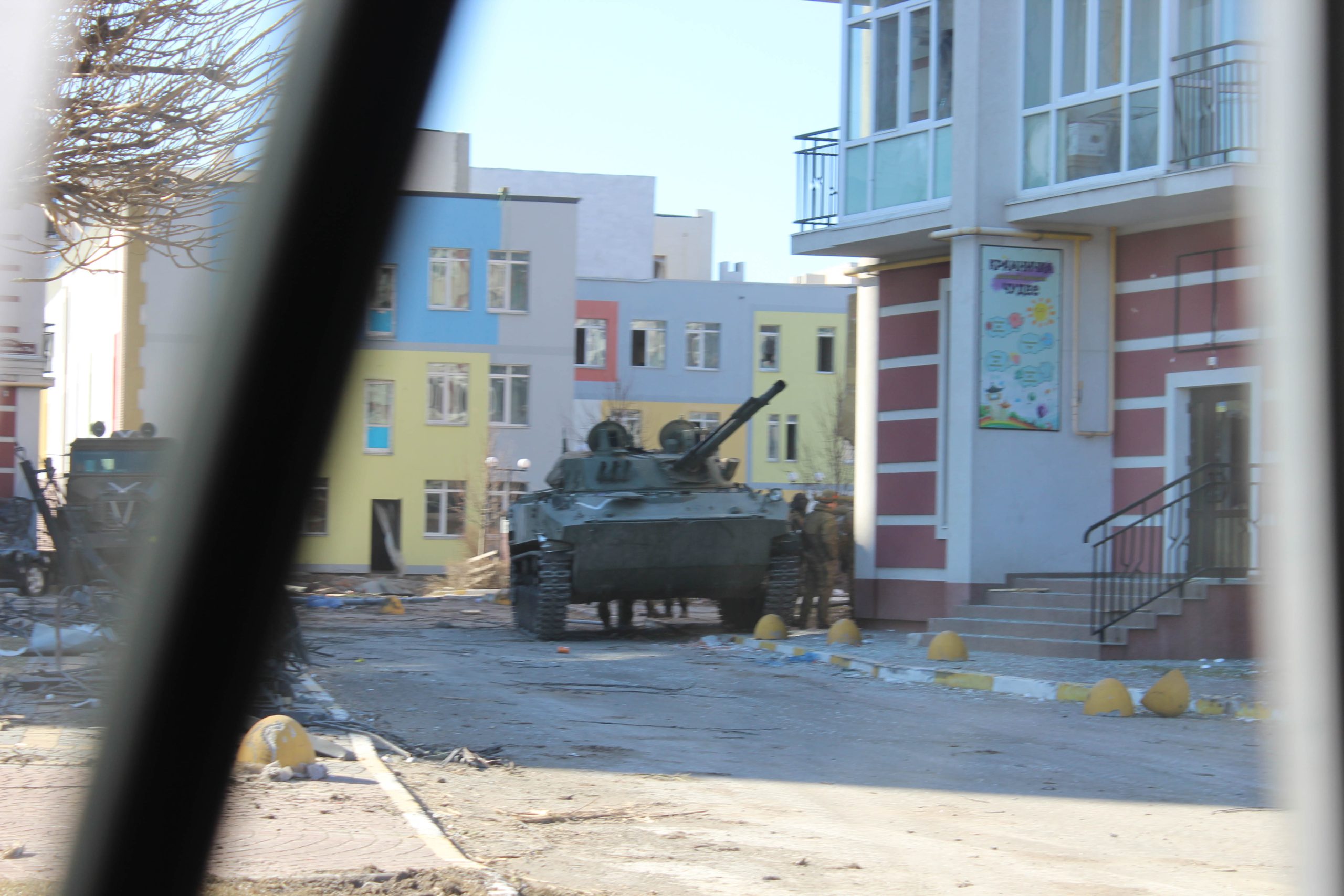
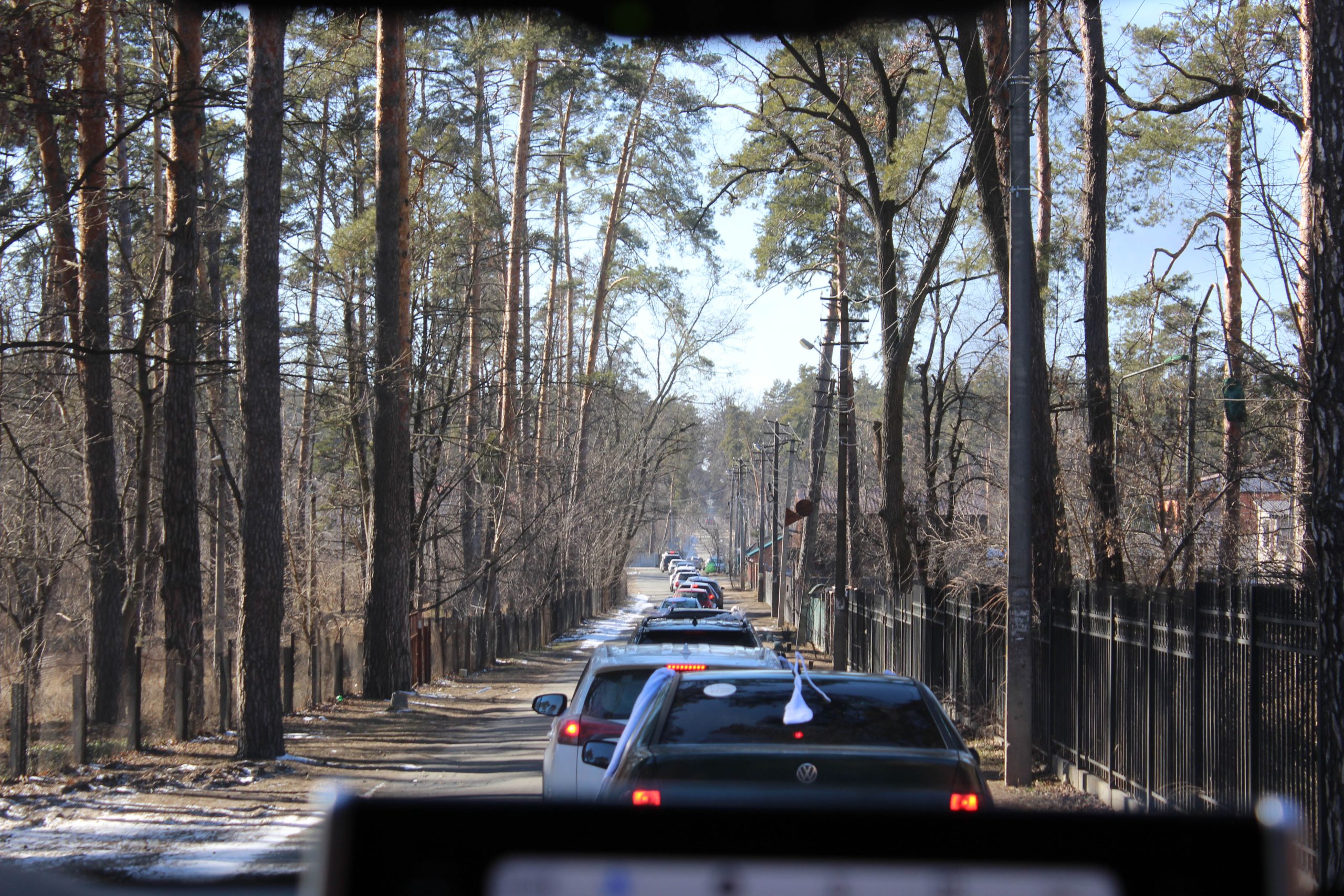
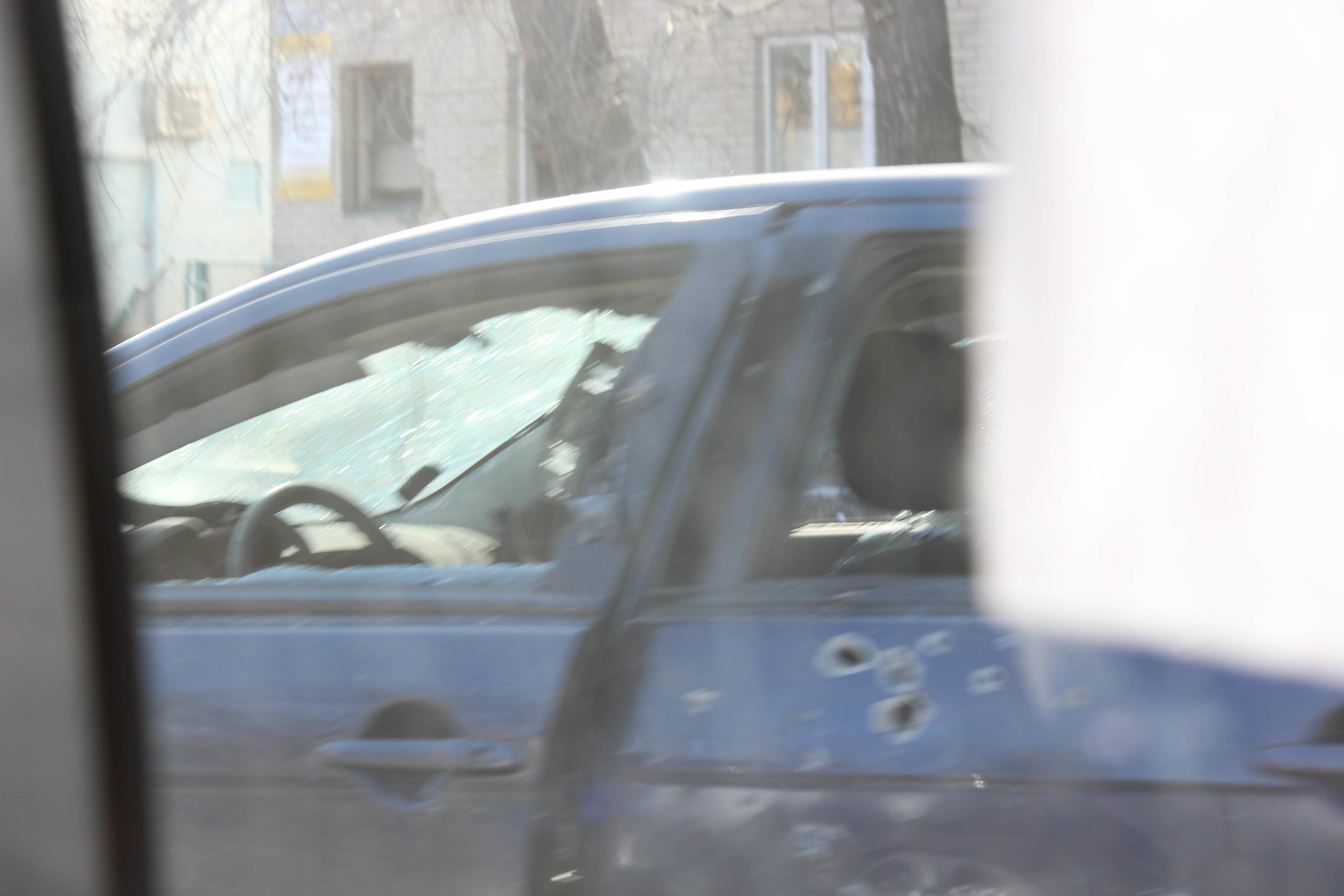
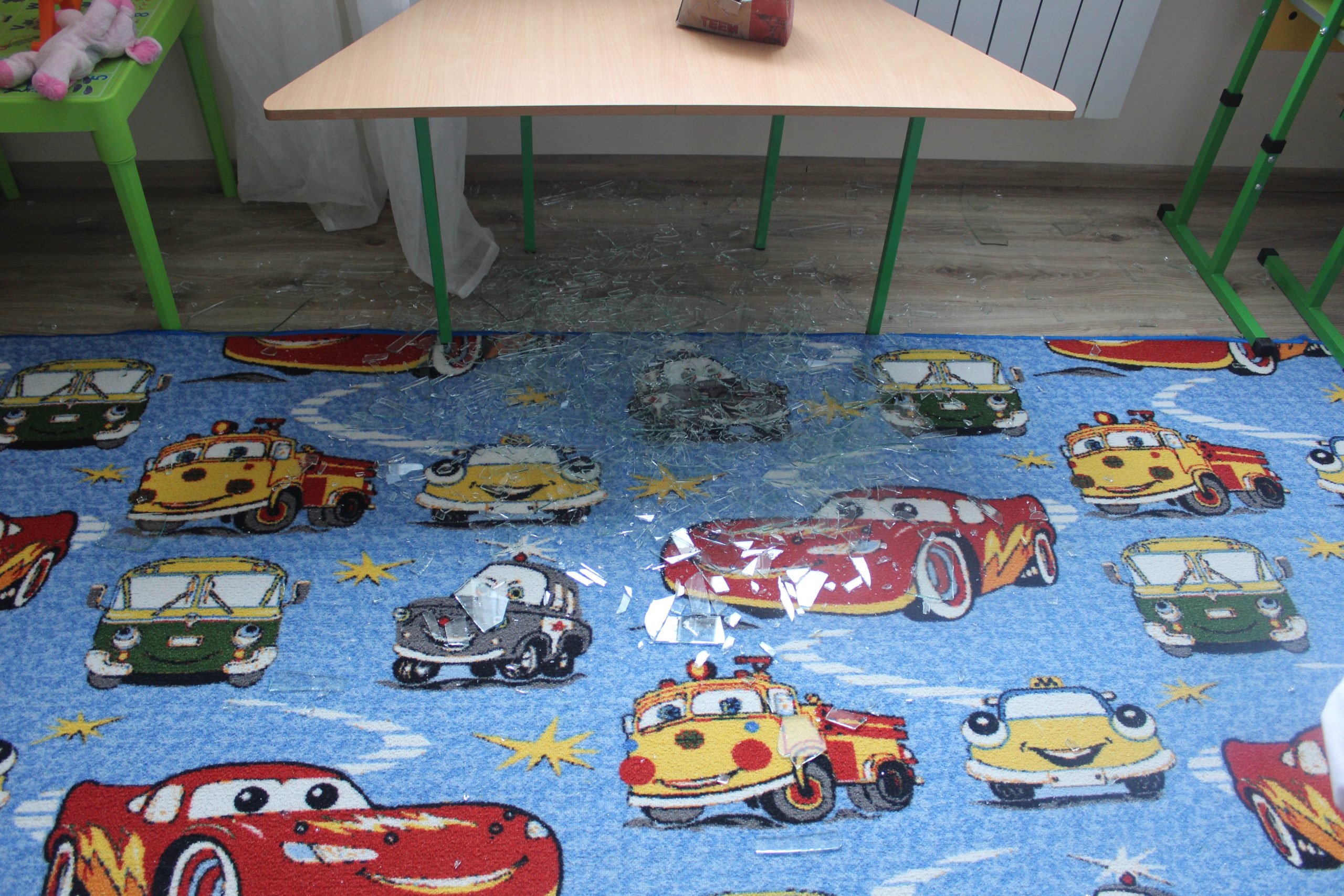
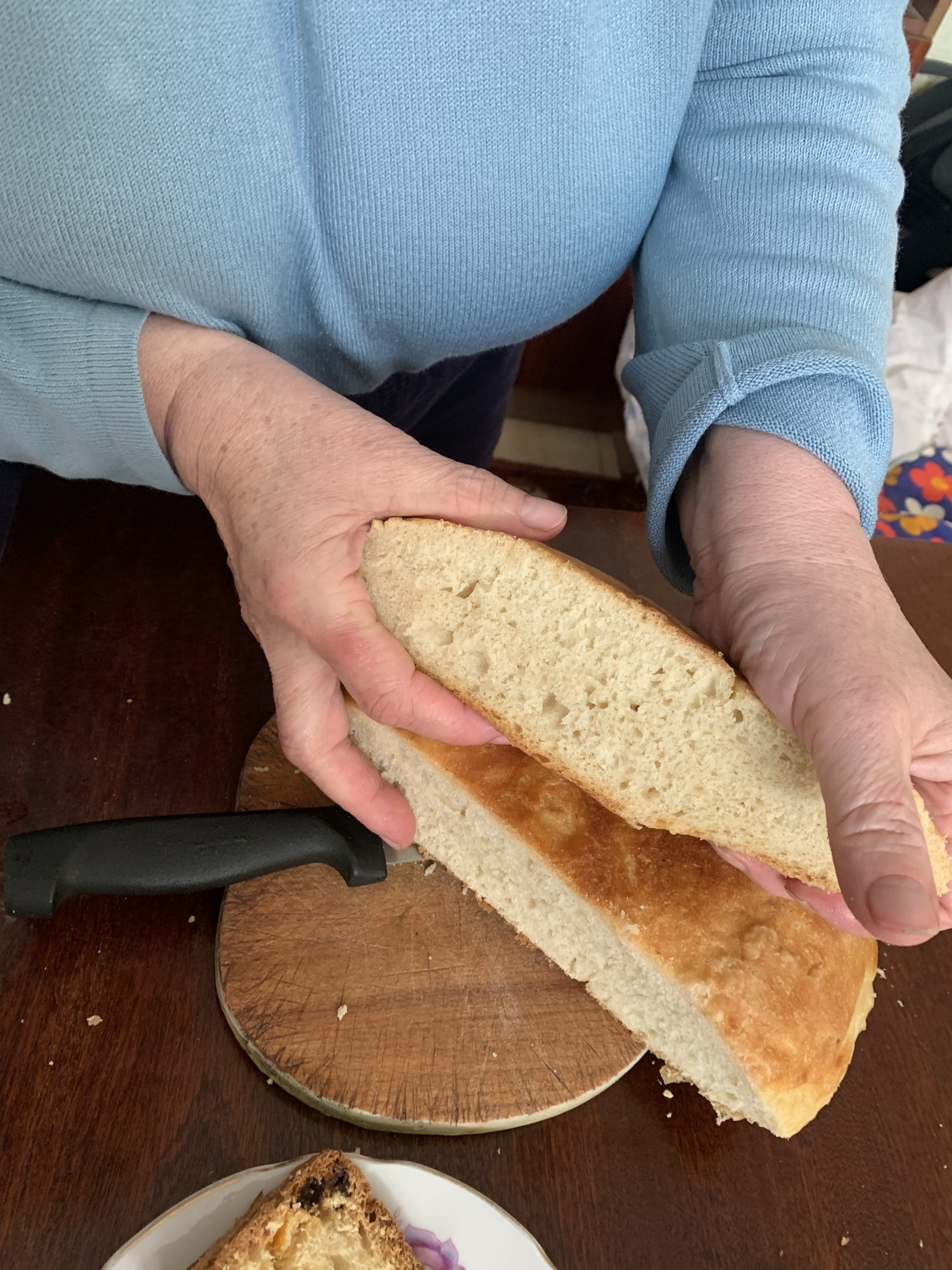
After evacuating to the UK, Sozanska brought the photographs with her. When she began showing them to British acquaintances, she noticed the strength of their emotional response. “Many people genuinely cried when they saw these simple images — the last loaf of bread, or smoke rising over the town,” she says.
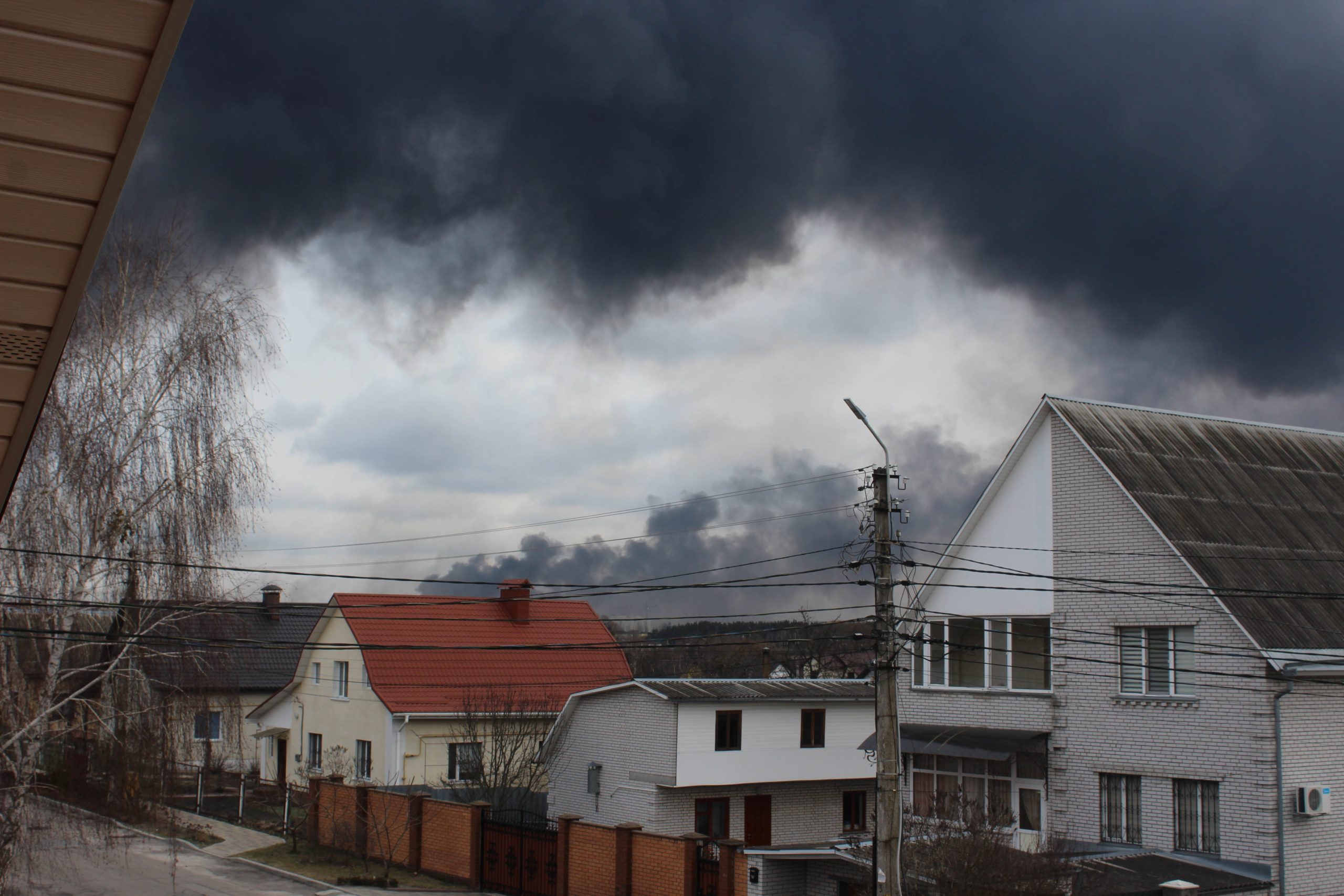
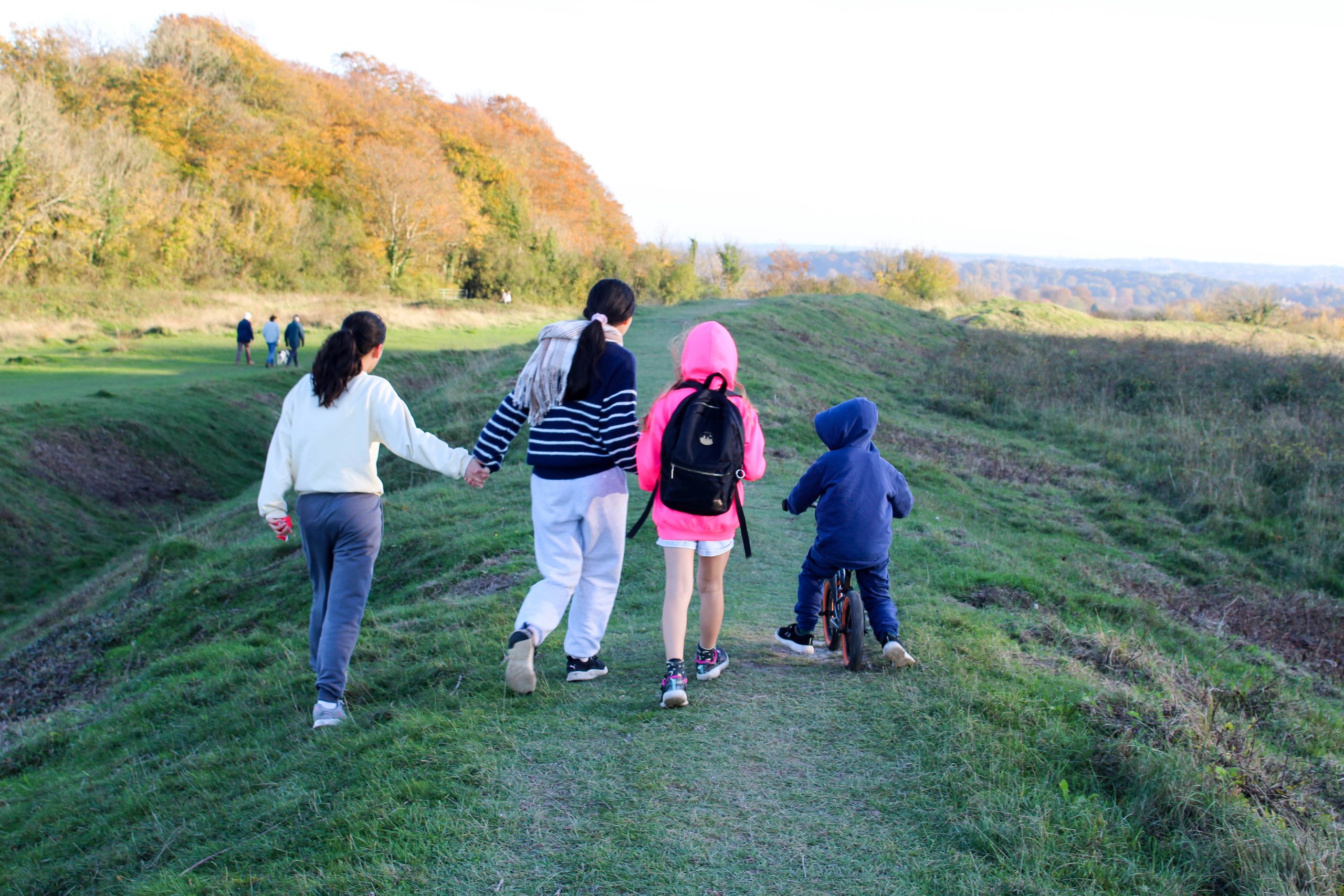
It was then that she realised the images carried greater weight and required a broader context — a physical space of their own, rather than a phone screen. The idea emerged to place photographs from the occupation alongside images of new life in Britain. Occupied/Unoccupied is built on this contrast — between danger and safety, fear and recovery, loss and hope.
“I find English people to be compassionate. Many care deeply about Ukraine — it matters to them,” Sozanska reflects. At the same time, she has noticed that as media coverage has decreased, some people have begun asking whether the war is still ongoing. That, she says, became another reason to present the exhibition now, ahead of the fourth anniversary of the full-scale invasion.
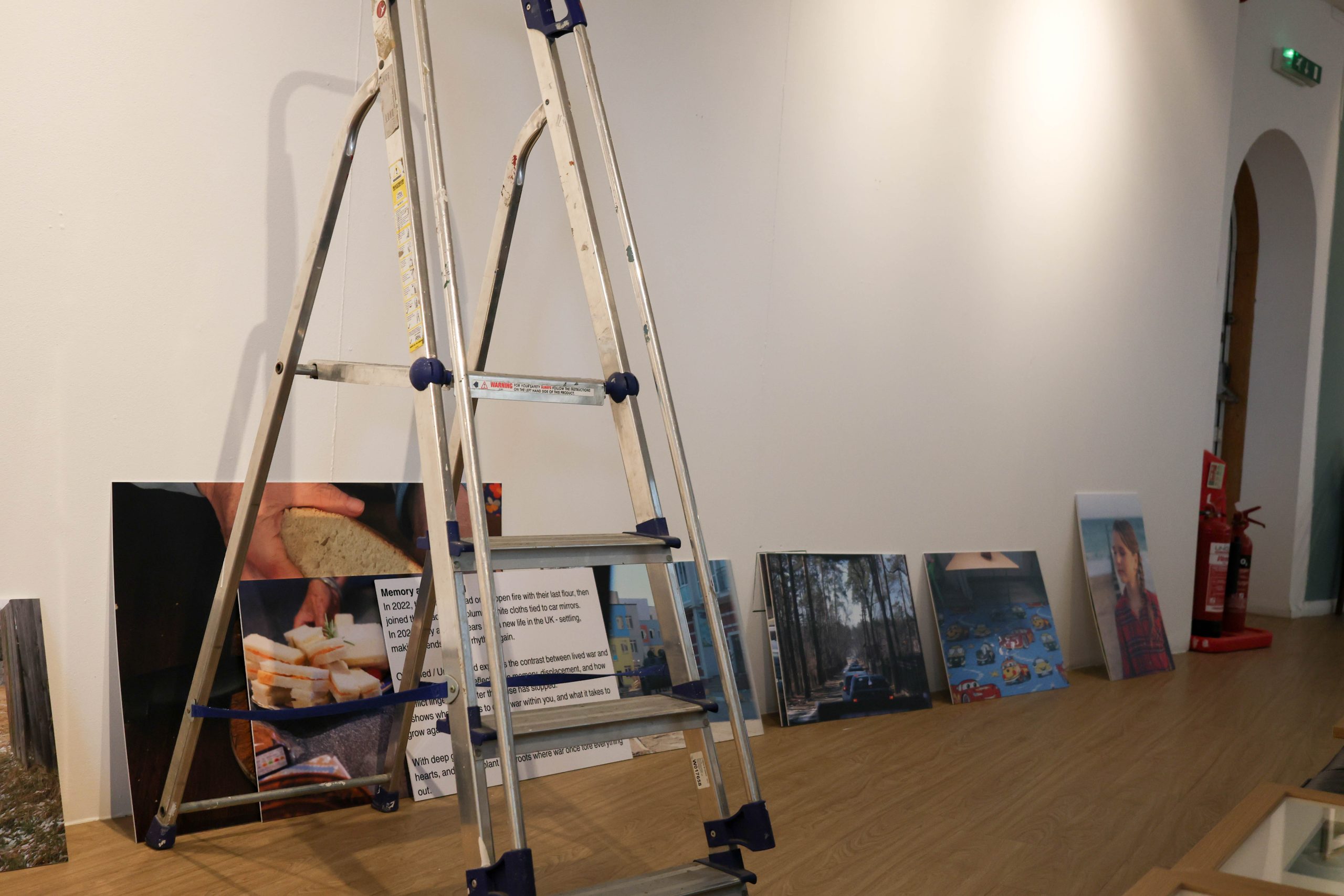
Beyond the gallery, Sozanska has also shared her work at the school where she works as a teaching assistant. She received strong support from the headteacher and the wider school community. For pupils, the exhibition became a way to see war not as an abstract news item, but as the lived experience of someone they know personally. When explaining difficult topics, she often draws historical parallels — for example, with evacuations during World War II — emphasising that children can understand complex contexts.
“I felt it was important for them to see war not through headlines or online images, but through someone they know. I speak to all the pupils, so when they see me in the photographs, they make that connection. There is a Russian tank — and I took that photograph. It makes it real. A real person in a real war.”
Sozanska has lived in Dorset for over three years and speaks warmly of the support she has received from both the Ukrainian community and local residents.
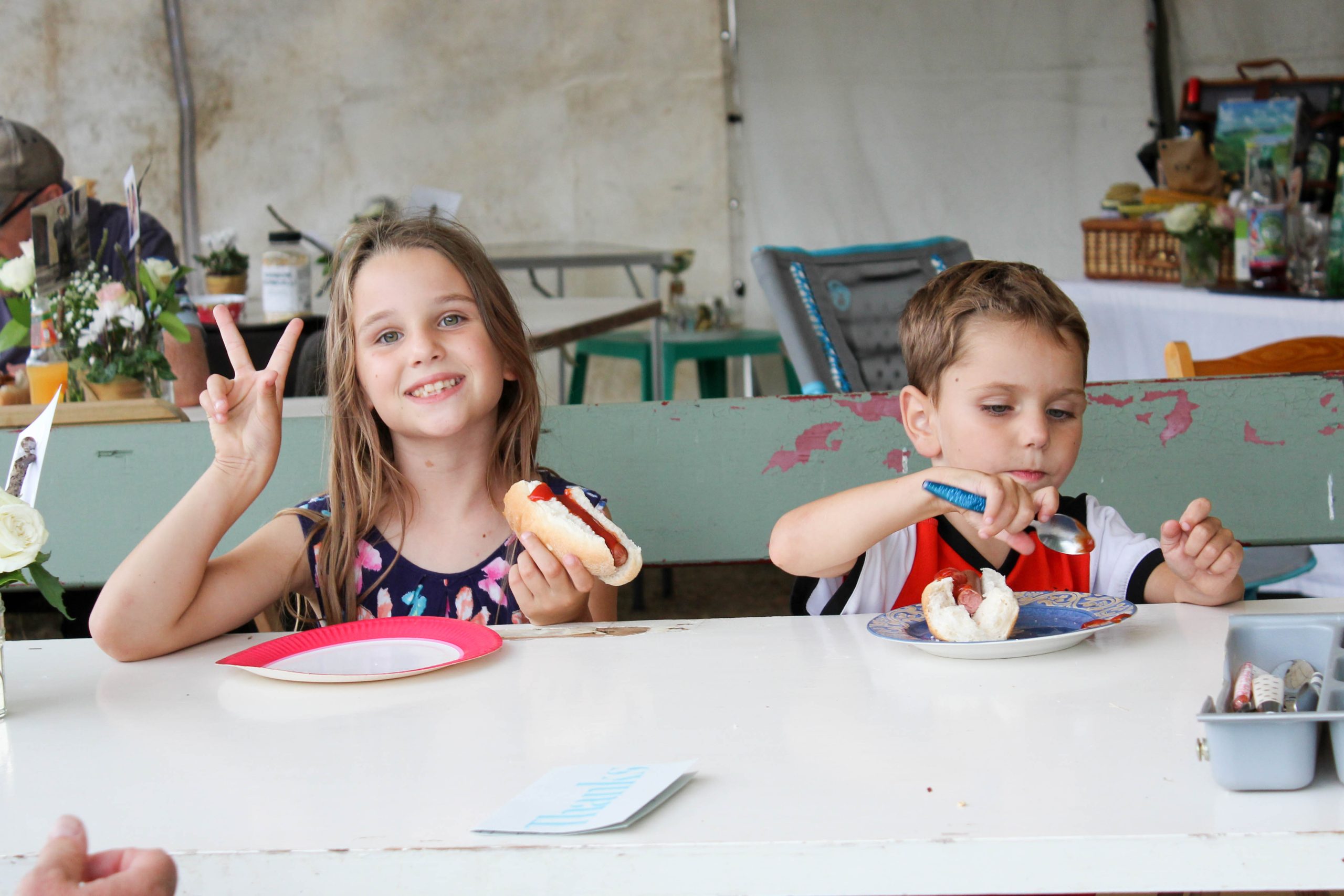
“We have a wonderful Ukrainian community,” she says. “And there is also an English family in my town who, from the beginning of the invasion, started organising regular gatherings for Ukrainians.” She recalls with gratitude how this family hosted meetings for nearly three years, helping newcomers adapt and build friendships.
The exhibition itself became possible thanks to substantial local support. Sozanska consulted with dozens of organisations and curators, and highlights their attentiveness and understanding of the Ukrainian context. The Café Gallery at Russell-Cotes Art Gallery & Museum ultimately became the venue, and she describes the experience as both positive and deeply moving.
“The museum leadership supports Ukraine, so they responded generously — offering me a dedicated space and sufficient time. I had never organised an exhibition before. I didn’t know what needed to be prepared or how to approach printing. Until the very last moment, until I hung the photographs on the wall, I couldn’t quite believe it was really happening — that everything would come together, that it would be alright.”
The photographer is now planning a new project focusing on Ukrainian families in Britain — their homes and their sense of temporality. “We have been living here for several years. We have belongings, homes, and important things. But our status remains uncertain; it is temporary, and no one knows what will happen next. That uncertainty has a significant impact on mental health,” she explains. She hopes to secure a grant to continue exploring this theme through photography, examining the Ukrainian community in England and raising questions about its future.
Text: Kaleriia Andriienko
Ukrainian-language editor: Anastasiia Zanuzdanova
English-language editor: Helen Lewis
Photos: Courtesy of Iryna Sozanska’s archive