For more than month of their stay in the territorial locality, the Russian military shot civilians, hit a school with a rocket, and plundered all the shops, the village council and the admimistration.
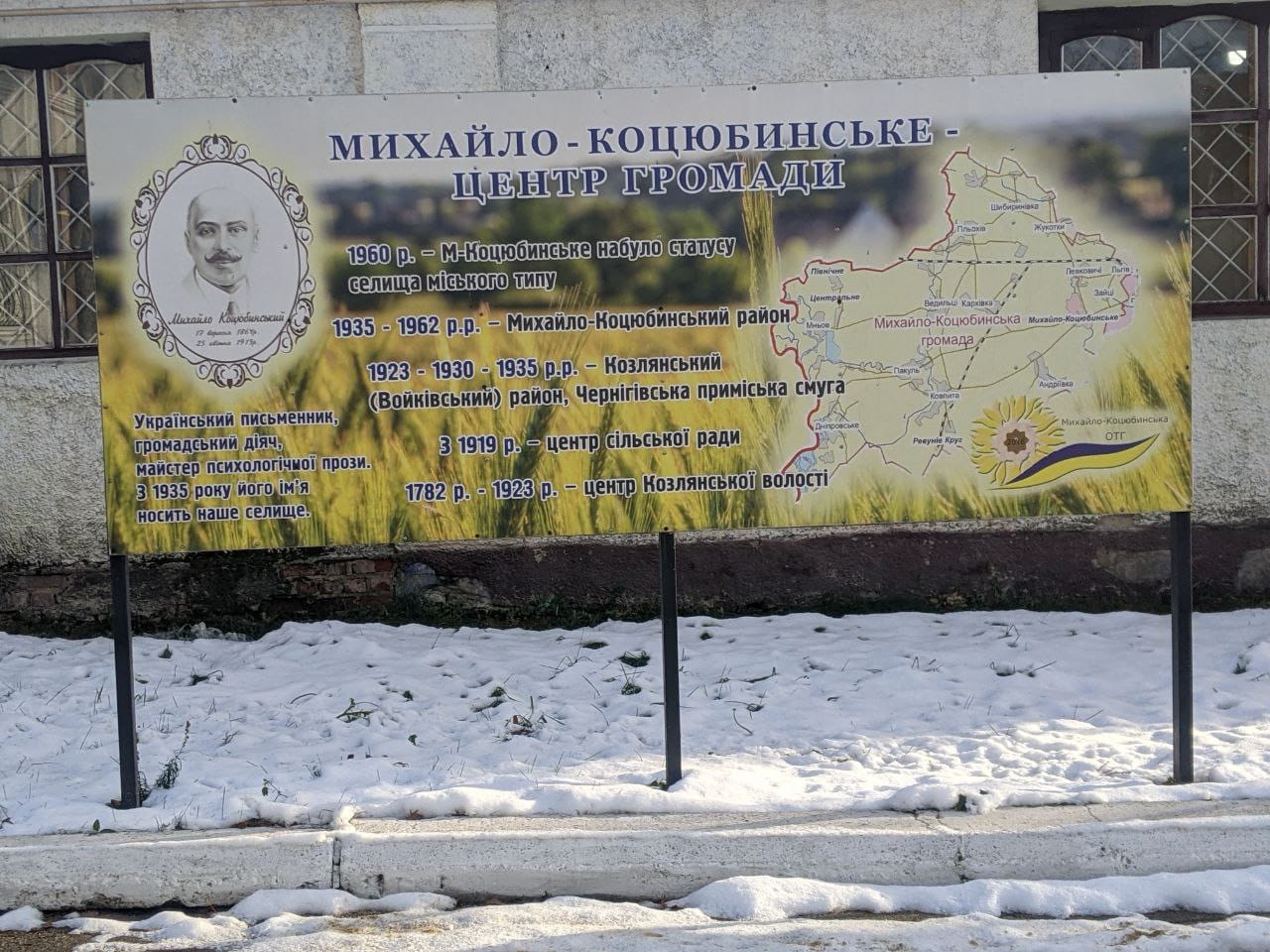
The residents of the Mykhailo-Kotsiubynske locality will forever remember the period from 28 February to 2 April 2022. This is how long the Russian occupation of the locality lasted. They will tell future generations about the horrific actions carried out by the Russian enemies in their villages. Local children will never be able to forget the bitter taste of occupation bread.
Misfortunes never come singly
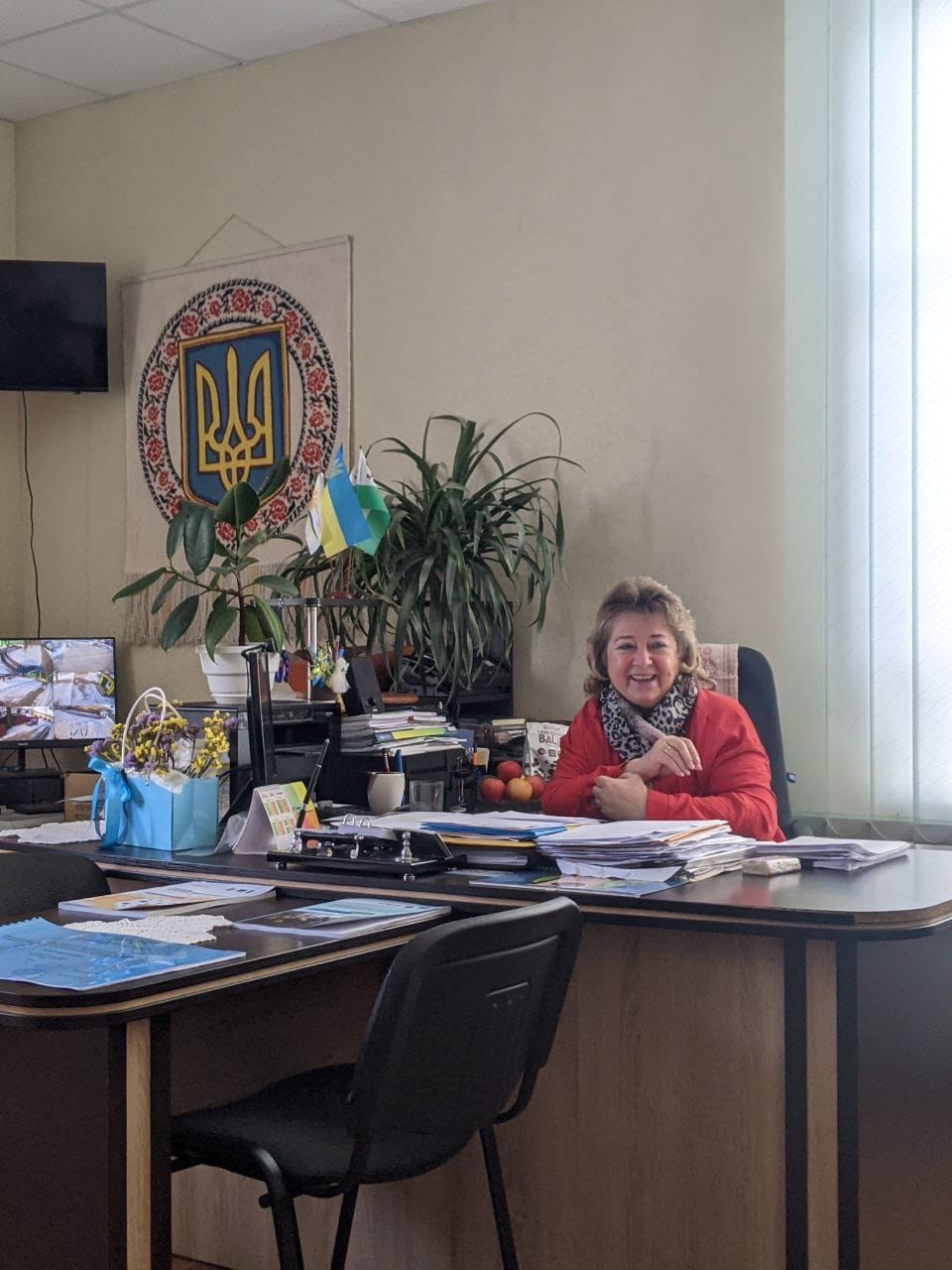
In 2022, Nina Vorokh, the Mayor of the Mykhailo-Kotsiubynske locality, began her year with tragic events. Her parents passed away in quick succession, and she struggled to cope with the loss of her loved ones while trying to adapt to a new reality. After the funerals she told her husband that she was no longer afraid of anything.
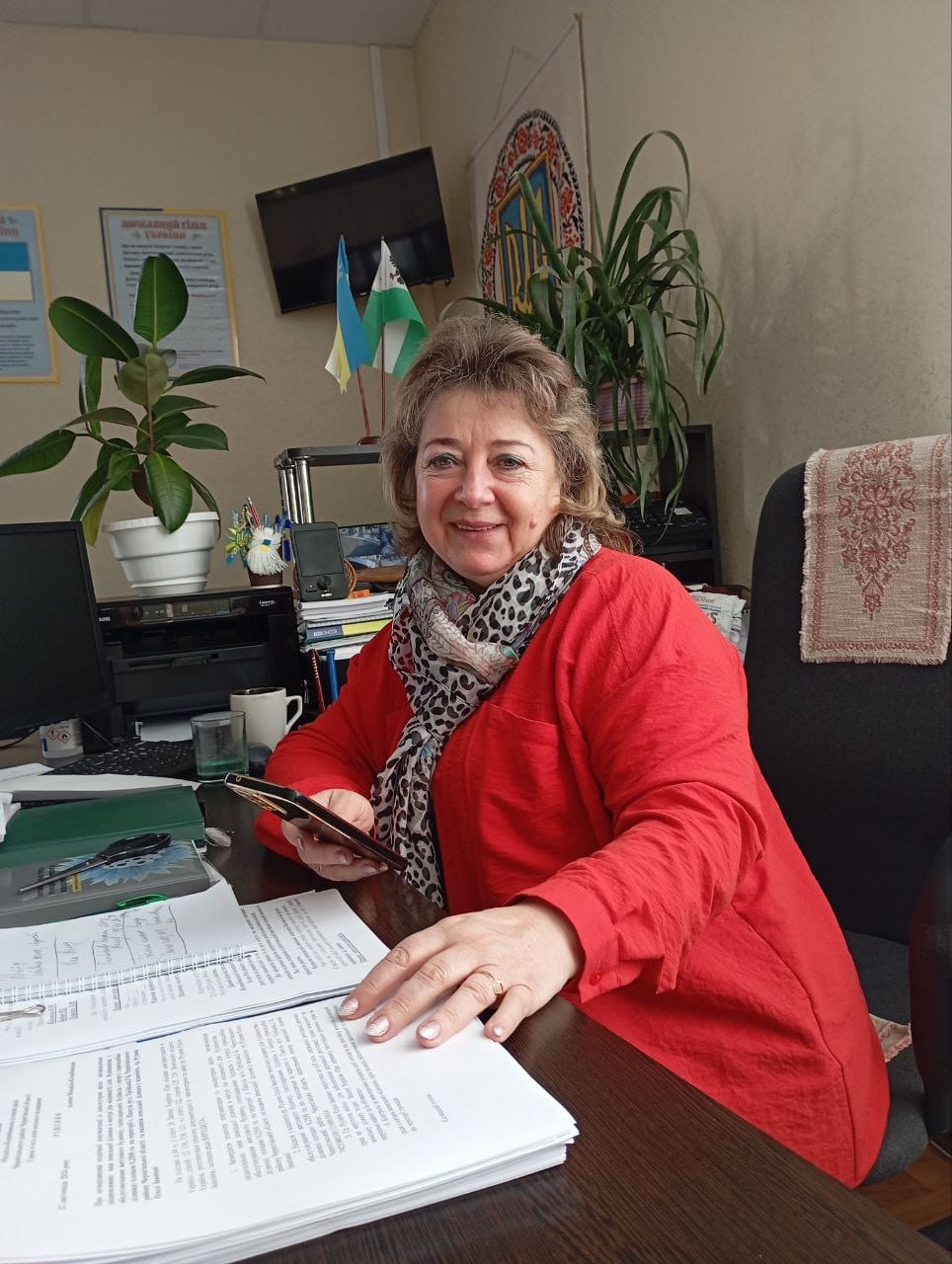
However, when she heard explosions from the direction of Chernihiv at sunrise on February 24, she realized she was wrong: the real troubles were just beginning.
By February 28, the occupiers had already entered the locality. Nina recalls how they arrived unexpectedly; the villagers saw a convoy of enemy vehicles with soldiers on armoured cars driving down the street, prompting them to flee. “When people encountered the Russians, they ran to the yard of the Village Council,” Nina Vorokh explains. “I must admit that I ran with them. Everyone is alive, but everyone is afraid to die.” Several armoured cars stopped in the town square, and soldiers got out, shouting in broken Ukrainian: “Where is the mayor?” Fortunately, none of the villagers betrayed her, including the local priest when she and another village council employee sought refuge in the church.
When asked about the troops, Nina replied, “Both Russians and Buryat – who hasn’t been here during the occupation? Some left, and new ones came. In all likelihood, even Belarusians were recruited. They clearly intended to stay for a long time because they dug about two hundred bunkers in the forest behind the village. They all wore different uniforms. The Russians wore dark black outfits, similar to their national guard, whereas the Buryats could be recognized from behind by their short stature; they dragged their weapons along the pavement and appeared furious. However, the most aggressive among them were the Russian soldiers with combat experience. They had come to the Chernihiv region from Donbas, and even their own people were afraid of them. On one occasion they shot four of our young men at the entrance to the village.”
Stealing Equipment and Fighting with Embroidered Shirts
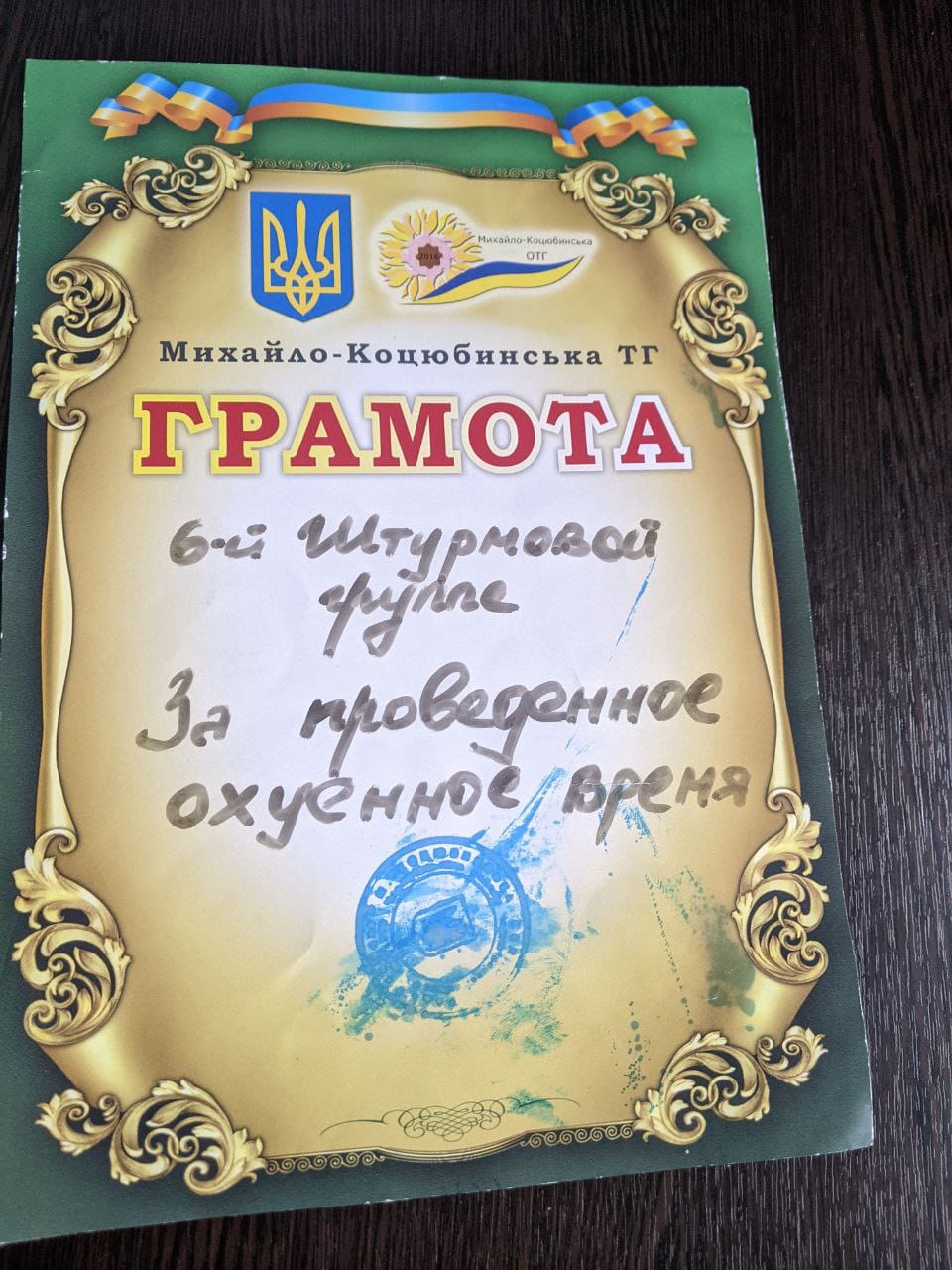
According to Nina Vorokh, several local residents disappeared without a trace after the occupiers began to break into villagers’ homes. They stole all household appliances, including computers, fridges, washing machines, and freezers. Anything they could not take, they destroyed. The vandals also targeted the village council and local authorities. “They took our laptops, electric kettles, cups, and even a hand dryer from the toilet,” Nina recalls. “They hung pictures of naked girls on the walls. In a drawer, we found certificates of achievement that we used to reward good employees. They scrawled disgusting expletives on them. I kept them for history.
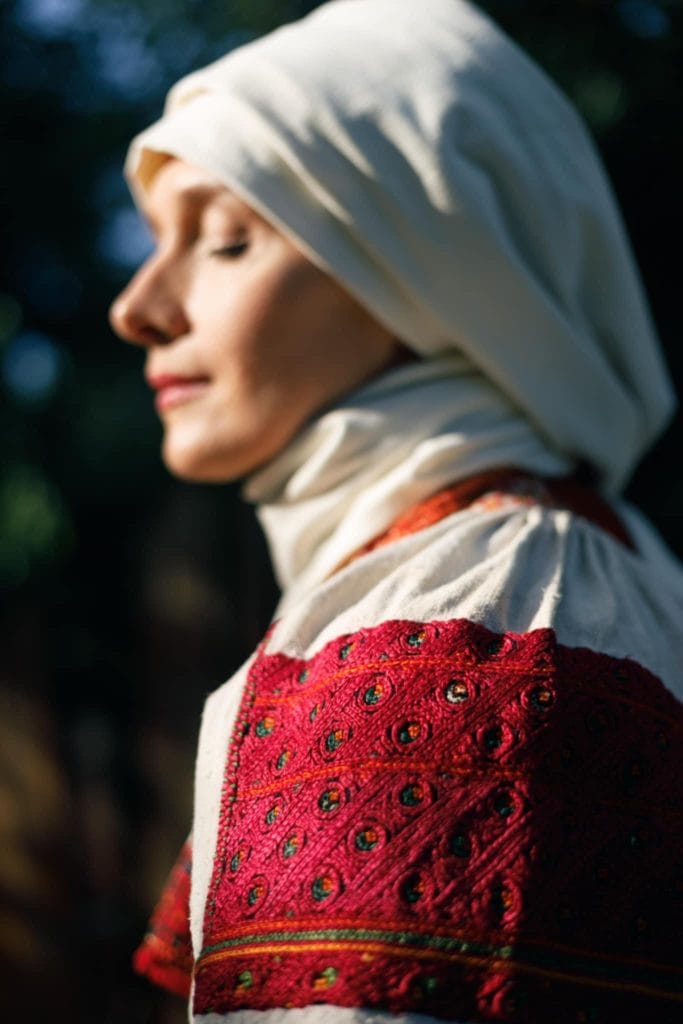
In the village of Zhukotky, where the Russians set up their headquarters, they threw all the Ukrainian traditional costumes out of the storage room in the village council building. They trampled on them and even urinated on them, so they even fought with inanimate, embroidered shirts.”
According to the Chernihiv Regional Prosecutor’s Office, in 2022, shelling damaged 27 private houses, a farm, and a school in Mykhailo-Kotsiubynske. The Mayor stated that the occupiers stationed their equipment between residential buildings and did not turn off the engines at night. As a result, locals lived in constant discomfort due to the noise and the threat of shelling. “The engines were constantly revving; we hardly slept,” Nina recalls. “The children slept in chairs. My husband and I only went down to the cellar a few times during the explosions. It was then that the lyceum was bombed, and the windows in the attic were blown out. Usually, we just sat in the corridor between two walls.”
The Mayor went alone to negotiate with the occupiers. After a while, the locality residents began to suffer from hunger. Initially, people lived on their stockpiles but quickly ran out of preserved food and potatoes. The occupiers also robbed all ten shops in Mykhailo-Kotsiubynske. The first person the locals turned to for help was Nina. “People asked me to interfere and somehow resolve the situation. They convinced me to take doctors and children to negotiate with the Russians, to ask them to leave the locality because hunger would soon set in. I might have done so if I had been younger and less experienced. But I have been in local government for 27 years! If they had suddenly started shooting at us, who would be to blame? So I told the villagers: I’m going to the Russians myself; I won’t hide!”
Nina decided to ask the occupiers for permission to distribute food to the local residents for free. She used all the methods of persuasion she knew and managed to convince the Russians. However, she still needed to acquire the food. Once again, Nina Vorokh used her connections. She was fortunate enough to contact the director of the Mykhailo-Kotsiubynske porridge factory, Dobrodiya. Despite the factory being occupied, the community leader managed to procure cereals with help from local self-defence unit members. A village farm provided milk.
“All this time, we faced problems with communication and internet access,” Nina recalls. “The occupiers blocked it; the signal would come and go. I managed to catch it late at night. Every few days, I wrote messages in local chats about what was happening in our community. I convinced them that we would be released soon. I provided moral support to the people, even though I was struggling. But I had no right to lose heart – I knew people depended on me.”
The best delicacy is bread.
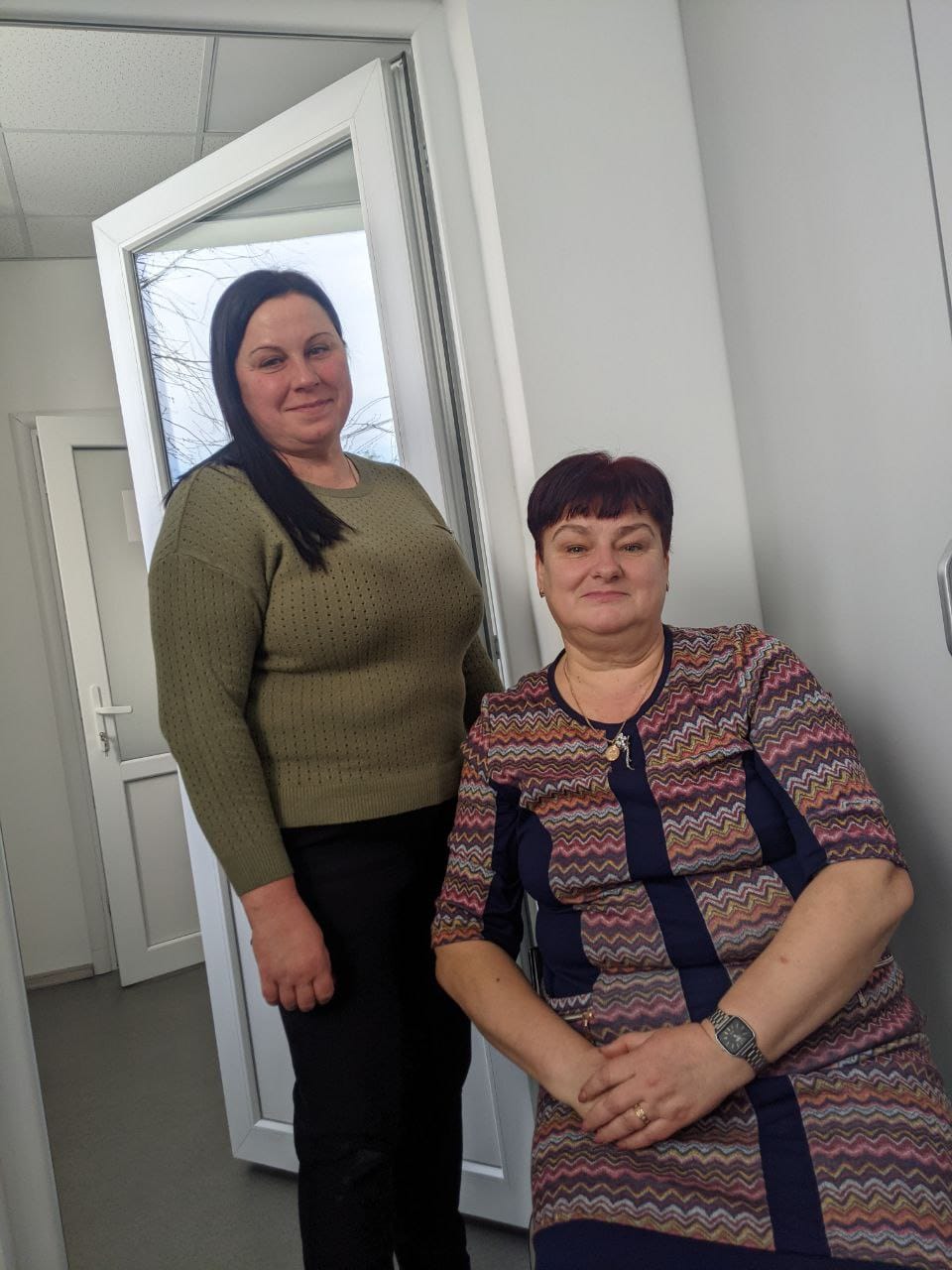
“In the early days of the occupation, there was a lot of confusion,” Tetiana Shpak, the local Administrative Service Centre administrator, shares. “My husband and I heard a rumble — a column of enemy tanks. It was terrifying. When the shooting started, we had to hide in the cellar. Then Nina Vorokh took me and a few other women to pack porridge. At that point, fear subsided; people depended on us.”
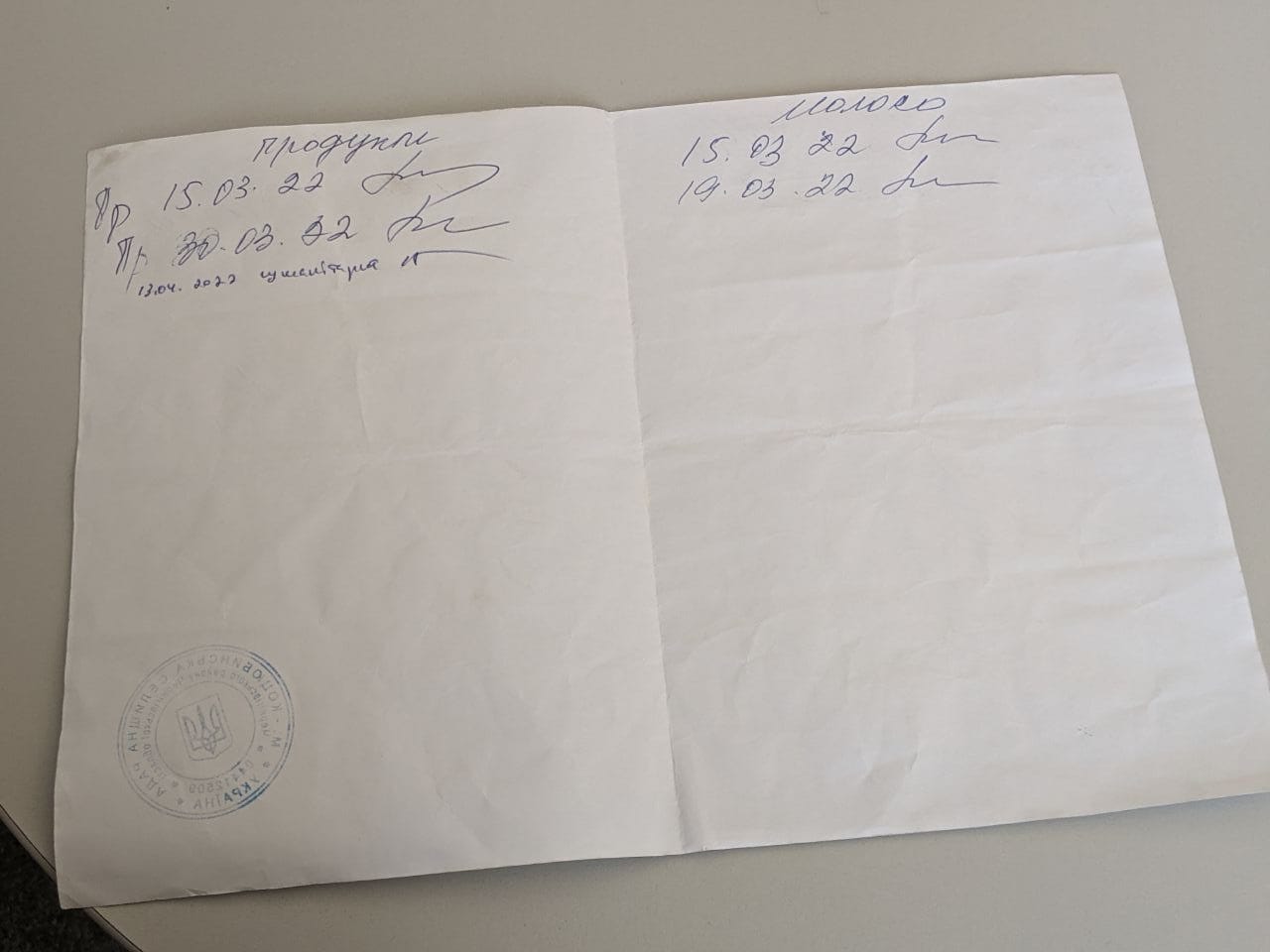
Tetiana mentions that there were initial problems with milk deliveries. Some people would arrive earlier and take as much as they wanted, leaving others with nothing. This issue was resolved by introducing personalized coupons stamped by the village council made from ordinary sheets of white A4 office paper.
The women arrived at the farm every morning by 7 a.m. and packed food rations until 11 a.m. Each bag contained cereal, pasta, and sugar.
They worked under challenging conditions; even when an enemy plane dropped a bomb near the barn, they managed to maintain focus and complete their task. Rations were distributed in the square under gunpoint, as the Russians monitored their every move.
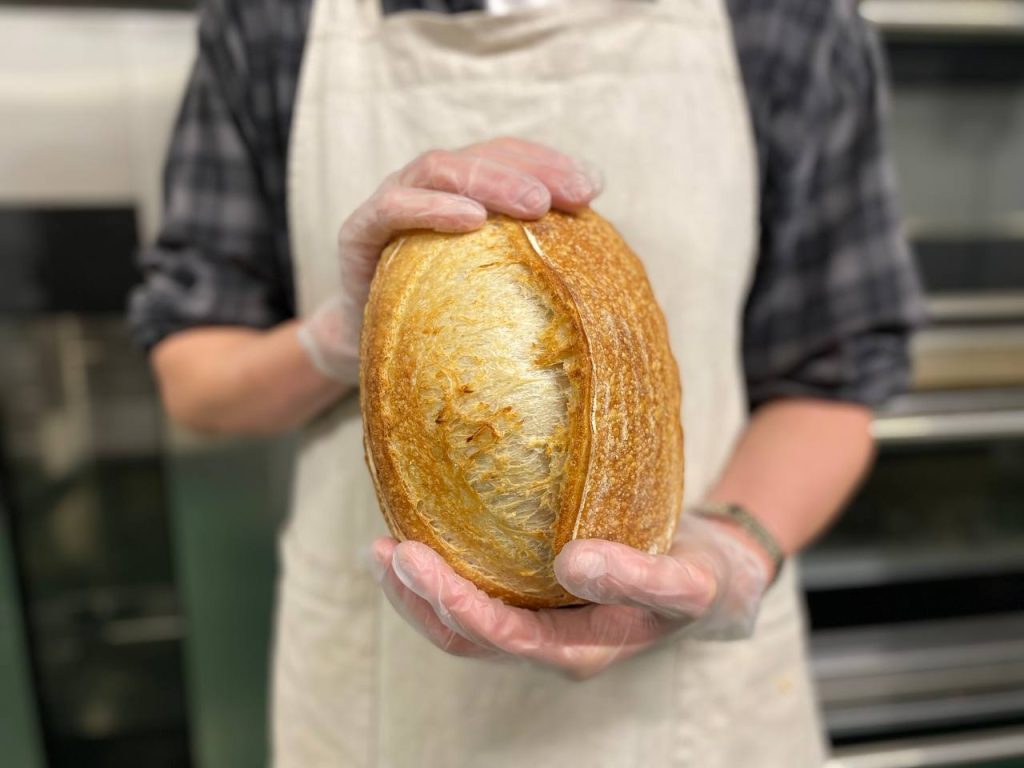
The situation with bread was also tricky. “We didn’t have enough flour or yeast, and we had no place to bake,” Tetiana recalls. “So, we asked the villagers to literally scour their pantries to find enough to feed the children. Imagine, there are 42 villages in our locality. Each child received a quarter loaf every other day to make the supplies last. They savoured the bread to the last crumb and considered it a great treat.”
Tetiana adds that the proud residents of Chernihiv never accepted parcels from the occupiers. When the Russian military brought in “humanitarian aid” in green balloons adorned with red Kremlin stars, the entire shipment was quietly burned in the forest on Nina Vorokh’s orders, carried out by local firefighters.
A bunch of green onions instead of a bouquet
The occupation of the Mykhailo-Kotsiubynska locality lasted for 35 days. When the enemy forces withdrew and the Ukrainian Armed Forces liberated the locality, adults and children welcomed them. The locals believe that this day will always be remembered and that the crimes committed by the Russians will never be forgotten or forgiven.
Svitlana Prytykovska, head of the local Administrative Services Centre, shares her reflections: “At one time, we were astonished that our grandmothers frequently spoke about the war. Now, I understand that such traumatic experiences are not easily forgotten. Unfortunately, we will also recount to our grandchildren what we went through. Although three years have passed since our liberation, it still feels as though the sound of enemy tanks echoes in my ears. I will always remember how the children savoured every last crumb of their bread rations. I’m sure they won’t forget it either.”
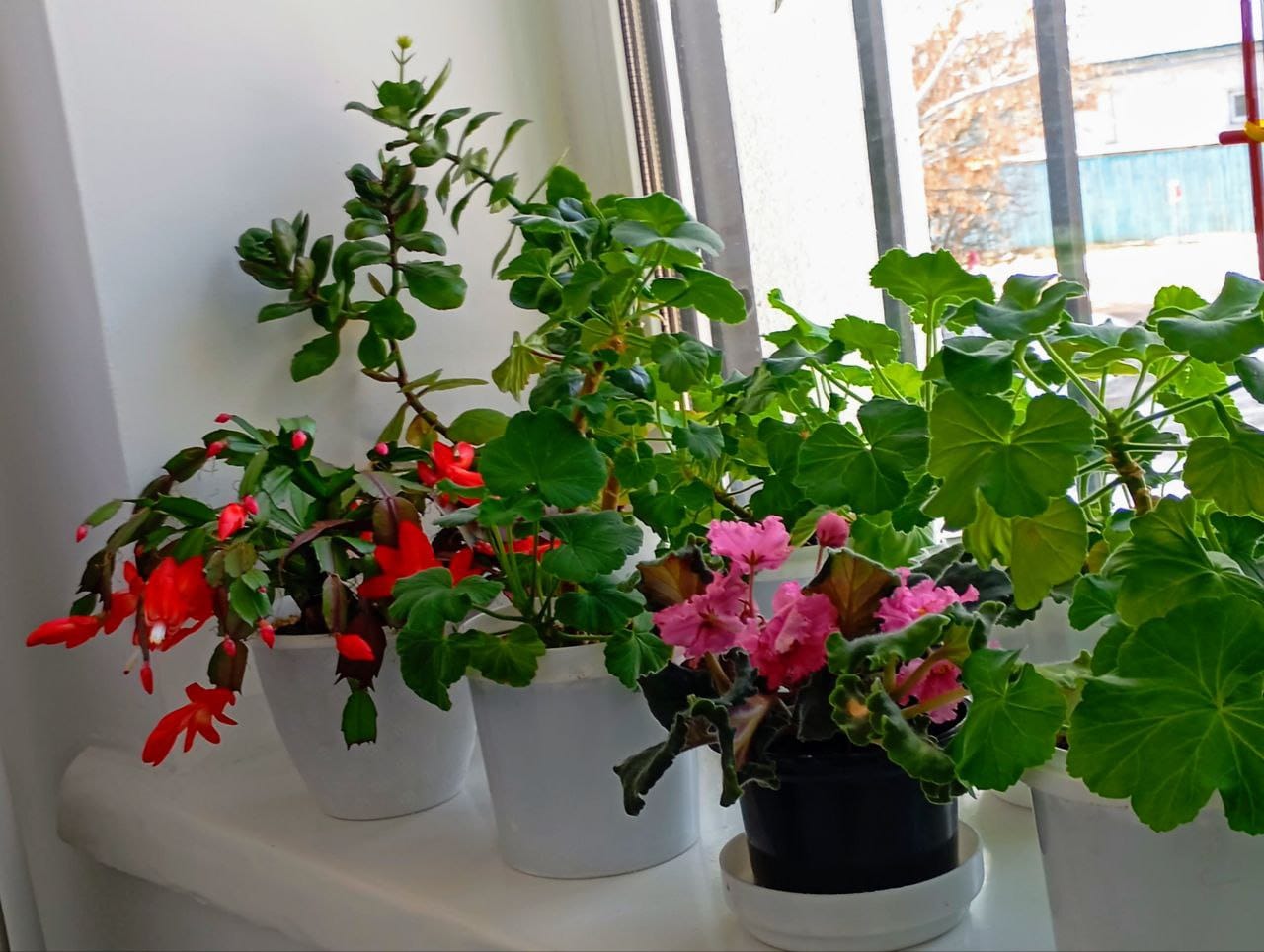
Despite the cold weather, I noticed that all the windows in the Centre are filled with indoor flowers. In the office of the head of the Mykhaylo-Kotsiubynska locality, I observe an even more impressive collection of flowerpots. “This is our flower therapy; it’s how we restore our mental health,” explains Nina Vorokh. “Before the occupation, I had a magnificent collection of orchids because I have long been passionate about growing them. Sadly, the collection perished when the Russians took over the village council. It was a painful loss. Knowing my love for plants, a local deputy gifted me a bunch of green onions on March 8. That was truly a priceless gesture during the occupation! Now, I am reviving my orchid collection because life must go on.”
Author and photo credit: Liudmyla Pryimachuk
Ukrainian language editor: Anastasiia Zanuzdanova
English language editor: Helen Lewis